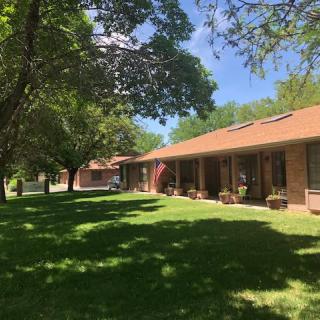
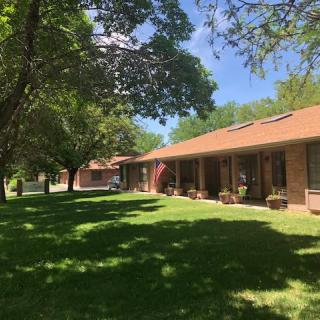
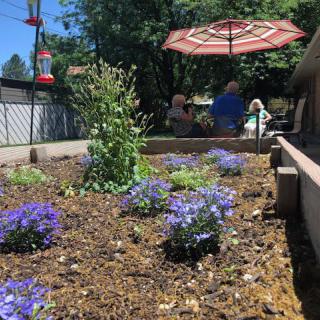

1530 Walnut Ave, Grand Junction, CO 81501
To contact a resident: (970) 623-7126
For more information about senior living options: (866) 208-4318
The Vineyards Memory Care Costs & Pricing
The Vineyards Memory Care presents competitive pricing for its services, particularly when evaluated against both Mesa County and the broader Colorado state averages. For a semi-private room at The Vineyards, residents can expect to pay $4,000 per month, which is notably higher than the county average of $3,513 but slightly less than the state average of $4,009. In contrast, the pricing for a studio option at The Vineyards stands at $6,000 monthly, significantly exceeding the Mesa County average of $3,915 and also surpassing the state's average of $4,090. This pricing structure reflects not only the quality of care provided but also positions The Vineyards as a premium choice within a competitive market.
| Floor plans | The Vineyards Memory Care | Mesa County | Colorado |
|---|---|---|---|
| Semi-Private | $4,000 | $3,513 | $4,008 |
| Studio | $6,000 | $3,915 | $4,088 |
Memory care communities with a similar price nearby
-
About the same
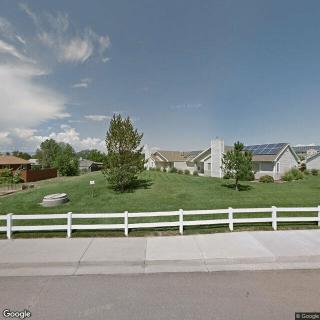
The Fountains
$3,905 to $5,825 / month0.6 miles away -
from +$200 / mo
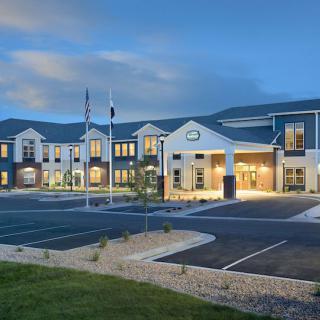
The Lodge at Grand Junction
$4,200 to $5,200 / month1.3 miles away -
from +$400 / mo
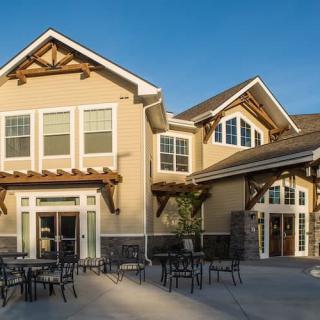
Cappella of Grand Junction
$4,400 to $7,280 / month1.0 miles away -
from -$290 / mo
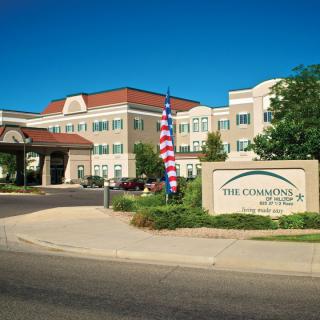
The Commons Of Hilltop
$3,710 to $5,585 / month0.6 miles away -
from +$295 / mo
Comfort Care-Alzheimers
$4,295 / month2.5 miles away
Overall Review of The Vineyards Memory Care
Pros
 All of the ladies working in this facility are unbelievably kind and caring.
- The staff provides very personal care to each resident in a small community.
- The staff did a fine job taking care of the reviewer’s wife.
- The feedback from families indicates that everything was positive during her stay and she received great care.
- It is described as a great place with caring staff who go above and beyond to help.
- The staff are kind and caring, giving personal attention to residents, and highly recommended.
- The reviewer notes that their mother is a resident there and is grateful for the one-on-one attention; the staff is amazing and she enjoys the food.
Cons
 The staff fail to communicate with each other as shifts change.
- No instructions are properly conveyed about specific requests from family members.
- They don’t remember or care, or have the time to focus on those things.
- Some housekeeping staff are thieves; cash and clothes have been stolen from Dad’s room.
- Serious dementia residents steal from other residents and little is done to correct it.
- They won’t allow residents to lock their room doors if they can’t remember how to use a key.
- No security cameras anywhere; these patients have “rights.”
- Management cannot move the disruptive resident and nothing is done to address it.
Review
The Vineyards Memory Care in Grand Junction is best suited for families seeking a small, intimate dementia-care setting where frontline staff are genuinely warm and attentive, and where residents receive substantial one-on-one interaction in a home-like environment. It works well for residents who can thrive on close, personal care in a relatively lower-stress, tightly staffed atmosphere and for families willing to stay actively involved in daily routines and care coordination. Yet it is not ideal for those who require ironclad safety, flawless cross-shift communication, or fully transparent, accountable management. In short, the Vineyards rewards trust and warmth while testing confidence in the reliability of systems and security protocols.
Those who should seriously consider alternatives are families prioritizing safety, predictable operations, and strong governance. If wandering is a real risk or if belongings routinely disappear, a facility with functional cameras, alarms, and clear incident-response procedures becomes essential. For families needing consistent care plans across shifts and a transparent ownership or governance structure, the Vineyards’ current setup may feel unstable. In addition, if stability and continuity of leadership are non-negotiable, exploring communities with proven, long-term ownership and steady staff oversight is prudent.
The strongest positives center on the care philosophy: staff members who come across as deeply kind and genuinely invested in residents, delivering highly personalized attention within a small community. That human warmth creates meaningful daily moments and can significantly improve quality of life for individuals with memory challenges. These strengths, however, do not fully counterbalance clear operational weaknesses. Shifts that fail to communicate properly, inconsistent handoffs, and gaps in responsiveness erode trust and complicate adherence to care plans. Security shortcomings, such as the absence of cameras or reliable alarms, and the difficulty in managing wandering residents undermine the core safety expectations of memory care, making the environment far more fragile than it appears on surface interactions.
Care experiences described by families illustrate a real duality. Several reviews celebrate exceptionally kind staff and favorable personal attention, with some families reporting a frictionless experience and satisfaction with the level of caregiving. Conversely, other accounts label the facility a “hot mess,” citing governance concerns, communication breakdowns, and a sense that problems are left unaddressed or inadequately escalated. The tension between warmth and administration underscores a facility that can deliver compassionate daily care in the moment while simultaneously lacking consistent, systematized risk management. That dichotomy matters deeply for families weighing long-term stability against moment-to-moment kindness.
When evaluating this community, focus on concrete, decision-driving questions: what is the current staff-to-resident ratio across shifts, and how are shift handoffs documented and communicated to families? what security measures exist in the building, including camera coverage and alarm functionality, and who monitors them? how is wandering risk managed, and what is the plan if a resident repeatedly leaves the building or room doors cannot be secured? what is the governance structure, who actually owns the facility, and how accessible is ownership information to families and POAs? clarify how incidents (thefts, behavioral challenges, or safety concerns) are investigated and communicated, and establish a clear path for escalation if care standards slip. Understand whether there is a formal transition plan if a resident’s needs outgrow the setting, including relocation options to a more secure or better-coordinated environment.
The bottom-line recommendation is clear: The Vineyards Memory Care offers a meaningful, person-centered day-to-day experience with genuinely caring staff, which can be transformative for residents who can thrive in a close-knit, attentive setting. However, it is not the best choice for families prioritizing unwavering safety, consistent cross-shift oversight, and transparent, durable governance. If safety, reliability, and clear accountability are non-negotiables, pursue other options or insist on substantial, verifiable improvements, especially around security infrastructure, incident handling, and leadership stability, before committing. For families proceeding here, enter with structured oversight, explicit safety commitments, and a thorough understanding of ownership and care coordination practices to determine whether the personal touch can be sustained within a dependable framework.
 Memory Care
 Activities on-site
 Air-conditioning
 Cable or satellite TV
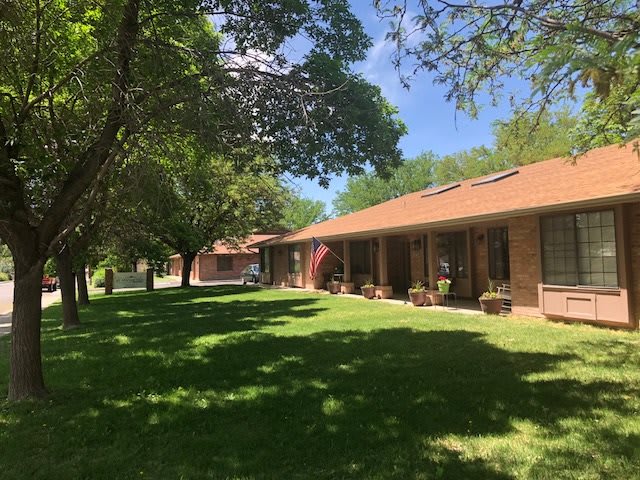
 Ground floor units
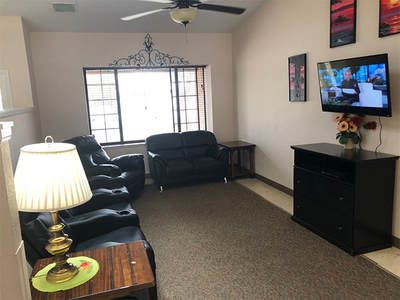
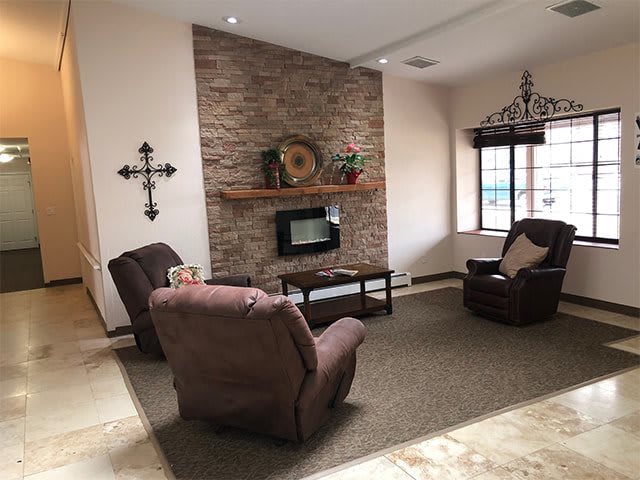
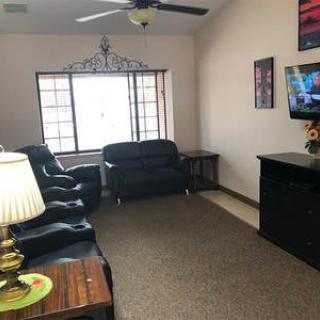
 Indoor common areas
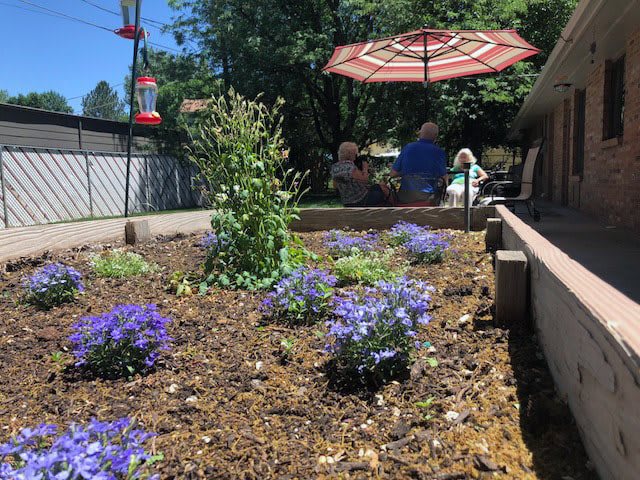
 Outdoor common areas
 Walker (3 miles away)
 Ambulatory care
 Diabetic care
 Incontinence care
 Medication management
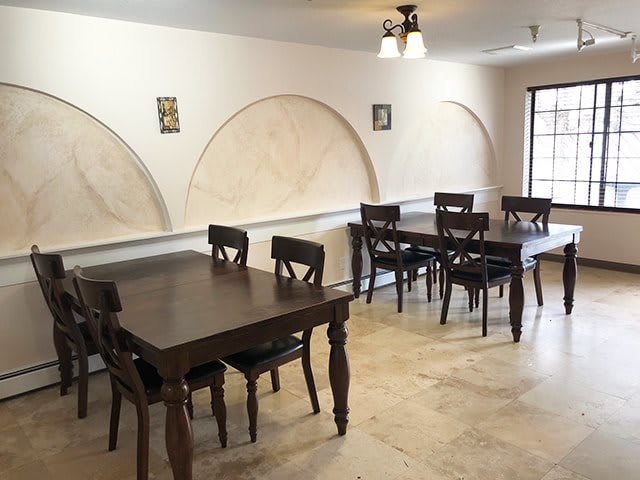
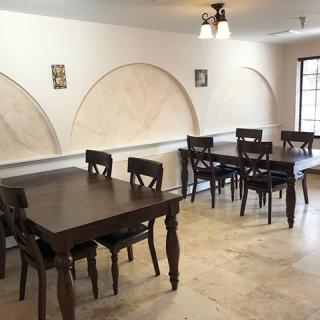
 Anytime dining
 Trivia games


 Understanding Dementia Through Its Seven Stages: A Comprehensive Look at Progression and Expectations
 A Holistic Dementia Care Guide: Effective Strategies for Memory Support
 Comprehensive Insights into Activities of Daily Living (ADLs) and Their Assessment