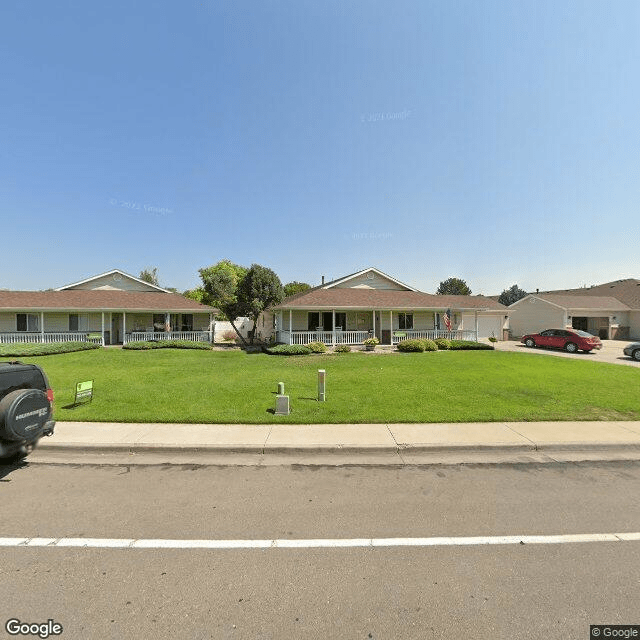
1725 32nd St, Evans, CO 80620
To contact a resident: (970) 304-9277
For more information about senior living options: (866) 208-4318
Ashley Manor - Evans 2 Costs & Pricing
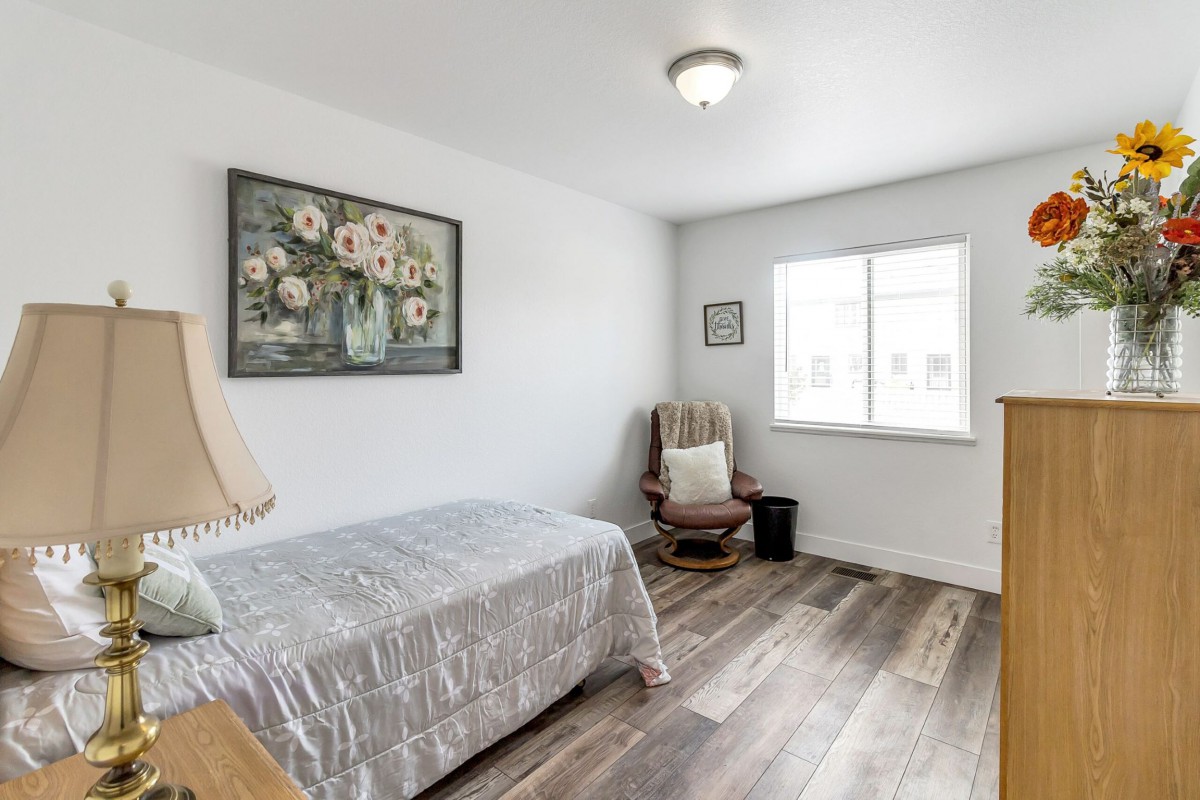
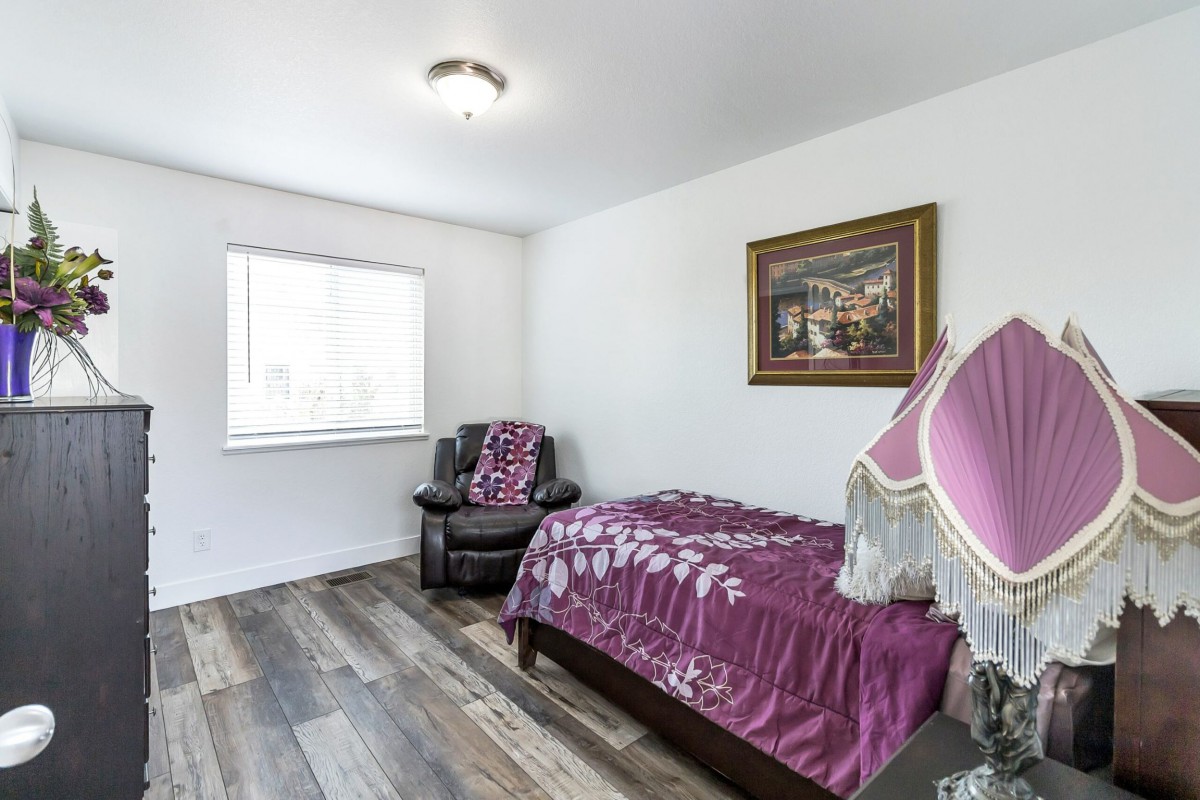
Ashley Manor - Evans 2 offers competitive pricing for its room types compared to the broader market in Weld County and across Colorado. With monthly costs of $3,180 for both private and studio rooms, Ashley Manor is notably more affordable than the county average of $4,032 for private accommodations and $4,015 for studios. Likewise, when considering state averages, Ashley Manor's rates remain attractive at $4,142 for private rooms and $4,090 for studios. This positioning not only underscores the value of Ashley Manor - Evans 2 as a cost-effective choice but also highlights its commitment to providing quality living spaces without compromising on comfort or care.
| Floor plans | Ashley Manor - Evans 2 | Weld County | Colorado |
|---|---|---|---|
| Private | $3,180 | $4,032 | $4,142 |
| Studio | $3,180 | $4,015 | $4,088 |
Memory care communities with a similar price nearby
-
from +$615 / mo

Greeley Village
$3,795 to $4,495 / month3.3 miles away -
from -$180 / mo
Bee Hive Homes of Colorado #3
$3,000 to $5,000 / month21.5 miles away -
from +$390 / mo
Hillcrest of Loveland
$3,570 to $5,055 / month20.2 miles away -
from +$370 / mo

Bethesda Gardens Loveland
$3,550 to $5,850 / month16.0 miles away -
from +$315 / mo
Garden Square at Greeley
$3,495 / month2.3 miles away
Overall Review of Ashley Manor - Evans 2
Pros
 The staff at Gardens Care show kindness and patience to residents and are friendly to visiting family.
- They communicate with families about residents’ needs and keep them ready for outside appointments.
- The memory care environment is warm and loving, with staff who treat residents like family.
- The administrator is wonderful, patient, and caring toward residents.
- Gardens Care is described as a blessing, with the owner and staff genuinely caring for seniors’ welfare.
Cons
 Gene Benikosky did not receive his Dexcom 7 sensor; none of the sensors were ordered.
- The sensors were three days late.
- There is doubt about who is in charge (Billie), causing frustration.
- Cris Wilkinson is very upset.
- The reviewer claims Garden Square nearly destroyed them and failed to deliver promised higher quality of life.
- The reviewer alleges the owner dumped them at a cheap motel.
- An ambulance had to rush them to the hospital.
- Their expensive belongings disappeared and they lost everything.
- They say Garden Square acted negligently and unethically and should be held accountable.
- The reviewers did not like Gardens Care at all.
- They describe residents as crammed into small rooms around the staff and deem the facility not clean.
- The staff are described as not friendly or helpful.
- They would not consider Gardens Care for their mom.
Review
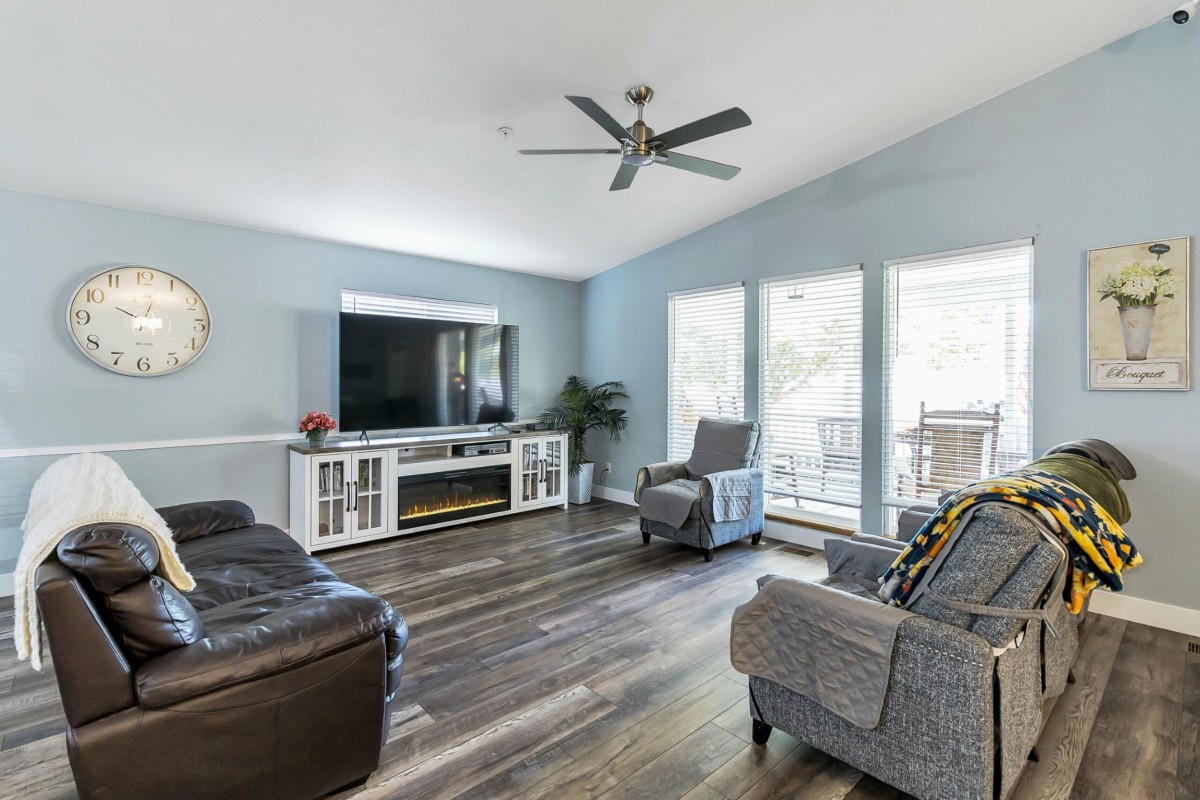
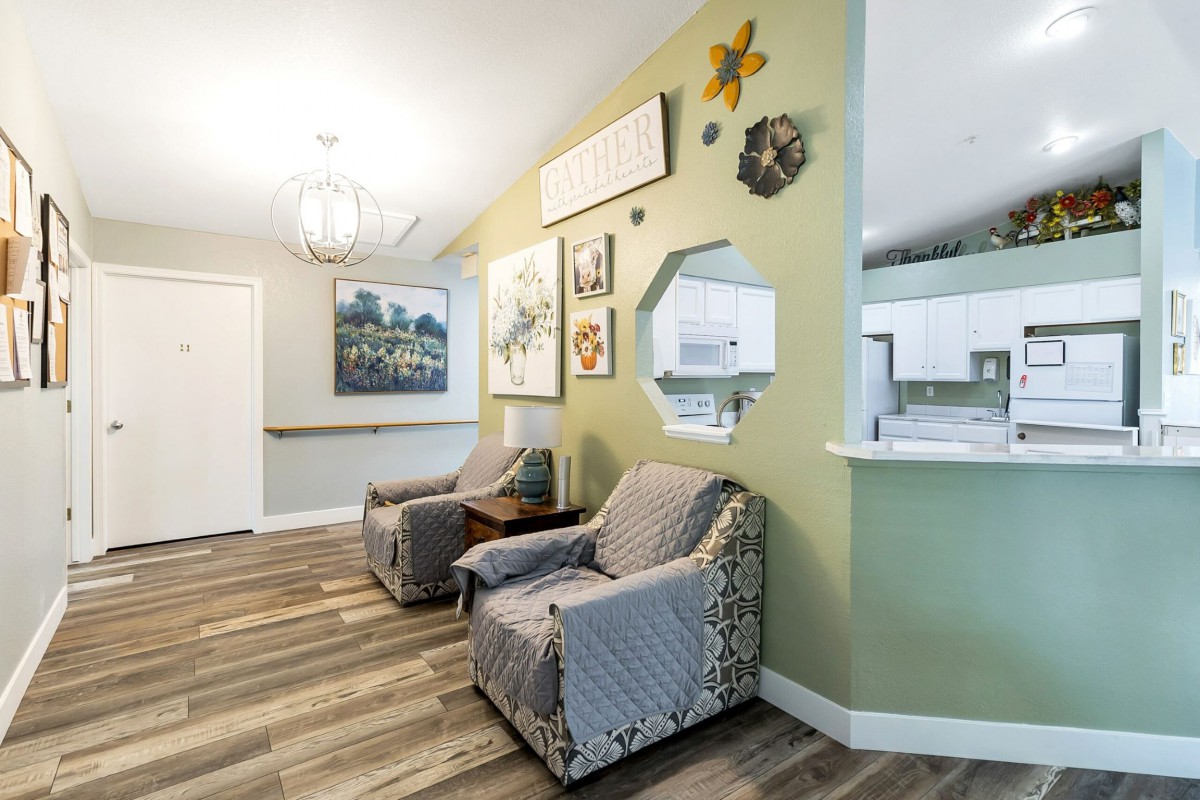
Ashley Manor Evans 2 is best suited for families seeking a small, home‑like setting where caregivers are approachable and the day-to-day rhythm of care feels intimate. The facility appears to attract residents who benefit from direct access to staff, quick questions answered, and a neighborhood‑style atmosphere rather than a sprawling, impersonal campus. In practical terms, this is a good fit for seniors who do not require constant, highly specialized medical oversight but value a sense of personal connection and consistent, friendly interactions with caregivers. For couples or individuals who prize calm, predictable routines in a compact environment, this community can deliver a comforting, low‑key living experience.
Caregivers and families who prefer robust, auditable medical coordination may want to consider alternatives. Several reviews in the broader network highlight problems with medical equipment logistics, administrative responsiveness, and accountability. When medical devices or sensors are part of daily care, even small lapses in ordering or timely replacements can become a meaningful burden for family members who already shoulder some of the coordination. Potential residents with complex clinical needs, or those expecting a highly structured oversight of medications and supplies, should weigh whether a smaller, relationship‑driven setting can consistently meet those needs.
The strongest positives in this environment tend to come from a small‑community feel: attentive staff, a warm atmosphere, and a sense that caregivers treat residents like family. The most persuasive cases describe staff who communicate regularly with families, share practical tips for daily routines, and support social connections through visits and activities. These strengths can meaningfully offset occasional gaps in administrative processes, provided the family is prepared to participate actively in care planning and to monitor supply chains and service delivery. In other words, warmth and attentiveness can sustain quality of life, but only if paired with dependable operational execution.
Tour conversations should aggressively probe how medical management is handled day to day. Questions should cover who is responsible for ordering and restocking essential equipment, how quickly replacements can be secured, and what the escalation process looks like when a problem arises. Families should ask to see recent care plans, how they are updated, and how staff document changes. It is essential to understand whether the facility has transparent channels for family input, how personnel turnover is managed, and whether there is a clearly defined chain of accountability for safety issues or equipment failures. A clear, proactive approach to these elements is what separates dependable care from mixed experiences.
Red flags to watch for include signs of inconsistent communication with families, delays in addressing basic medical equipment needs, or a pattern of staff turnover that disrupts continuity of care. If the community cannot furnish concrete, verifiable procedures for incident reporting, supply management, and care‑plan updates, it is reasonable to explore other options. Another concern would be a lack of small‑group engagement or insufficient emphasis on daily routines that respect residents’ preferences; in such cases, the intimate setting loses its advantage and risk creasing into neglect of individual autonomy.
The bottom line is practical: Ashley Manor Evans 2 may serve well for well‑buttressed seniors who thrive on a warm, tight‑knit environment and whose families can stay actively engaged in oversight. For those with higher medical needs, a history of administrative lapses, or a preference for highly transparent operations with rigorous supply and equipment management, alternatives warrant serious consideration. The decision should hinge on the family’s tolerance for potential administrative gaps versus the comfort of a small, personable setting. In the end, choosing this community should come with a plan for ongoing family involvement, explicit expectations for care coordination, and a clear benchmark for what constitutes timely and reliable service delivery.
 Studio apartments
 Board and Care Home
 Memory Care
 Beautician on-site
 Dining room
 Garden
 Guest parking
 Home sale assistance
 Housekeeping services
 Indoor common areas
 Laundry
 Outdoor common areas
 Private
 Respite or short term stays offered
 TV room
 Wheelchair accessible showers
 Wi-Fi/high-speed internet available
 Transportation & parking
 Ambulatory care
 Companion care
 Diabetic care
 Hospice care
 Incontinence care
 Medication management
 Diabetes diet
 Kosher
 Special dietary restrictions
 Activities off-site
 Arts and crafts
 Book club
 Cooking club
 Educational speakers / life long learning
 Games
Games Live musical performances
 Religious services
 Yoga / chair yoga
 English





 Understanding Medicaid Coverage for Assisted Living: A Comprehensive Guide
 How and When Medicaid May Cover Assisted Living Costs
 A Detailed Exploration of Assisted Living Medicaid Waivers Across the United States