
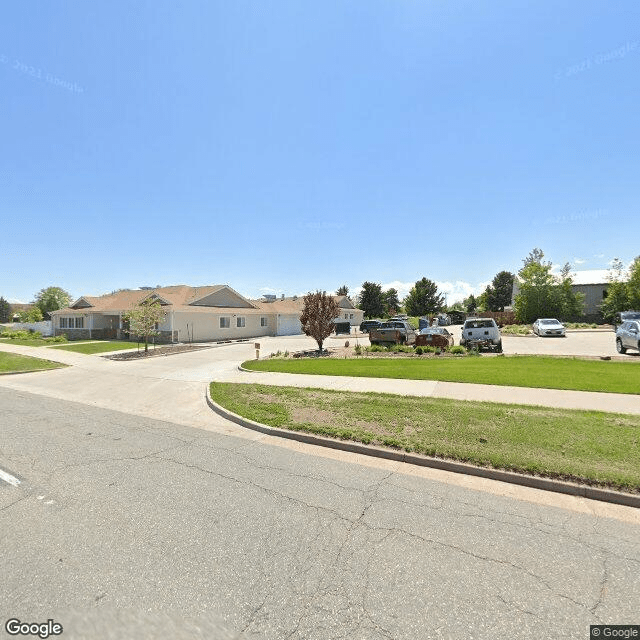
10527 Irma Dr, Northglenn, CO 80234
To contact a resident: (303) 280-4944
For more information about senior living options: (866) 208-4318
Ashley Manor - Irma Costs & Pricing
At Ashley Manor - Irma, the monthly costs for resident accommodations reflect a competitive pricing structure in comparison to both Broomfield County and the broader state of Colorado. For a semi-private room, residents can expect to pay $4,882, which is notably more affordable than the county average of $6,325 while remaining in line with the state average of $4,009. Similarly, studio accommodations are available at $5,827; again, this is lower than Broomfield County's rate of $6,170 and slightly above the state's average of $4,090. Overall, Ashley Manor - Irma presents itself as an attractive option for individuals seeking assisted living services without compromising on quality or comfort.
| Floor plans | Ashley Manor - Irma | Broomfield County | Colorado |
|---|---|---|---|
| Semi-Private | $4,882 | $6,325 | $4,008 |
| Studio | $5,827 | $6,170 | $4,088 |
Memory care communities with a similar price nearby
-
from +$318 / mo
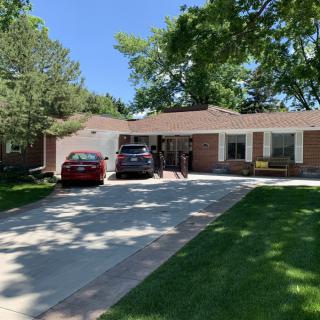
Serenity House Assisted Living Portland Drive
$5,200 to $6,500 / month21.3 miles away -
from +$318 / mo
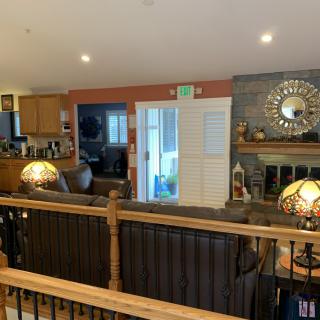
Serenity House Assisted Living Hunters Hill
$5,200 to $6,500 / month21.6 miles away -
from +$318 / mo
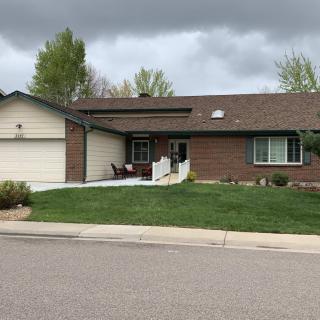
Serenity House Assisted Living Hinsdale
$5,200 to $6,500 / month21.3 miles away -
from +$568 / mo

MorningStar of Observatory Park
$5,450 to $8,300 / month14.8 miles away -
from -$262 / mo
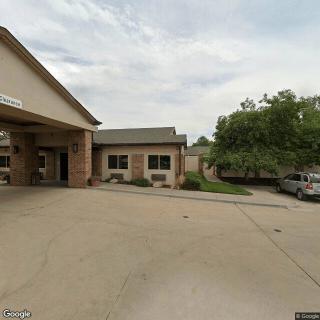
Garden Terrace Alzheimer's Center Of Excellence - Aurora
$4,620 to $5,940 / month15.7 miles away
Overall Review of Ashley Manor - Irma
Pros
 Nicole Olguin and Tomas Deluna have gone above and beyond for residents.
- The facility and staff are great, doing a great job taking care of residents and treating them like family.
- Farrah Storm-Sirio, the facility administrator, is incredible.
- This small assisted living is amazing; they treat residents like family and the staff are very patient.
- Ashley Manor in Northglenn has a refreshing warmth and a loving, caring atmosphere.
- Ashley Manor is several cuts above other nursing or assisted living homes.
- The staff are proactive in taking care of residents' best interests and wellbeing.
- He is very happy there.
- There is a tremendous feeling of family among all the residents and their families.
Cons
 One reviewer stated there was poor management and not enough caregivers per shift.
- They criticized disorganized pantry items and outdated equipment, noting pots, pans, and cutting boards needed replacement and refrigerators were dirty.
- They warned that it took five days to fix the hot water heater, leaving residents without hot water for five days.
- They reported the dryer had not worked properly for nearly two months, causing clothes to pile up.
- They claimed upper management cares more about bonuses than replacing items that need replacing.
- They described a very young house manager who lacked the necessary skills and rearranged the schedule to avoid working Christmas.
- They alleged deceitful behavior and lying to the caregivers.
Review
Ashley Manor in Irma is best suited for seniors who want a small, home-like setting where memory-care needs are met with a personal touch. It works well for families that value intimate, relationship-based care over a clinical atmosphere, and for residents who thrive on predictable routines, approachable staff, and a sense of belonging. The small footprint and warm atmosphere make it particularly appealing to those who resist the impersonal feel of larger facilities, and to families who can stay closely connected through regular visits and direct communication with caregivers.
That said, some families should consider alternatives. The most salient caveat is cost and payer dynamics, since private pay is the primary model for many residents, with some moving through Innovative/third-party arrangements. More critical for decision-makers is the staffing reality raised in several reviews: a perception of lean staffing on some shifts and the potential for turnover. For seniors who require very consistent caregiver coverage, or who need a robust, highly predictable medical oversight alongside 24/7 coverage, Ashley Manor may feel undersized. Families who prioritize a high-volume activities calendar, extensive on-site medical services, or a facility with a large professional staff may favor larger communities.
The strongest positives, caregiver attentiveness, genuine warmth, and prompt family communication, often offset the drawbacks. Several residents’ families report staff members going above and beyond to tailor care to individual preferences, from nighttime routines to personal habits, which creates a sense of safety and “at home” comfort. Residents repeatedly appear to be thriving, with steady health status, meaningful companionship, and a welcoming staff that remains responsive to both resident needs and family inquiries. The memory-care focus is frequently highlighted as especially effective, with caregivers staying engaged and proactive about well-being and safety, which helps ease the emotional load for families during transitions.
Equally compelling is the atmosphere described by families: a genuine feeling of family among residents, staff, and relatives, with management that communicates openly about resident progress. When a facility implements a small-scale, neighborly culture successfully, it can feel più like a personal home than a hospital, an environment that matters to people facing memory loss or cognitive changes. Yet that same warmth can feel at odds with operational strains if staffing is stretched or maintenance is uneven, so the real-world balance hinges on daily care consistency and the reliability of administrative support. The standout administrator, and several frontline staff cited across reviews, demonstrate that strong leadership can amplify the benefits and stabilize service even in a smaller setting.
Before moving, families should verify several critical factors. Request a clear, up-to-date staffing roster with caregiver-to-resident ratios on each shift, and ask to observe a shift change to gauge real-time workflow and coverage. Speak with current caregivers about workload and turnover, and tour the kitchen and housekeeping areas to assess how consistently supplies, cleanliness, and food safety are handled. Inquire about the specific memory-care program in place, including how routines are personalized and how safety and behavioral needs are managed. Clarify the financial terms given private-pay status, and confirm how changes in payment arrangements would affect ongoing residency. A candid conversation about maintenance responsiveness and how urgent repairs are prioritized can prevent surprises.
In practical terms, Ashley Manor offers a compelling blend of homey reassurance and attentive memory-care support that many families finally seek after challenging transitions. It is most compelling for couples or singles who prize a quiet, intimate setting where staff become familiar with every resident’s quirks and history. If that model aligns with the needs and budget, the positives, personalized care, family-like culture, and consistent caregiver engagement, often outweigh the imperfect equilibrium some reviewers note. For those whose criteria demand rigorous staffing norms, broad activity programming, or more centralized medical oversight, exploring a few larger, more resourced options alongside Ashley Manor is a prudent course. Schedule a visit, speak with front-line caregivers, and walk through an honest day-in-the-life snapshot to determine if this warm, small-scale home truly fits the senior’s care map.
 6 resident community capacity
 Assisted Living
 Board and Care Home
 Day Program
 Memory Care
 Cable or satellite TV
 Dining room
 Fully furnished
 Garden
 Housekeeping services
 Move-in coordination
 Outdoor space
 Telephone
 Wi-Fi/high-speed internet available
 Denver International (16 miles away)
 24-hour supervision
 Assistance with bathing
 Assistance with dressing
 Assistance with transfers
 Diabetes diet
 Diabetic care
 Hospice waiver
 Meal preparation and service
 Medication management
 Mental wellness program
 Special dietary restrictions
 Transportation arrangement (medical)
 Transportation to doctors appointments




 Illuminating Insights About Alzheimer's Disease: Ten Crucial Realities
 A Thorough Discussion of Medications Potentially Linked to Dementia Risk
 Why Do Dementia Patients Sleep So Much? Understanding Oversleeping, Stages, and Care Approaches