For more information about senior living options: (866) 208-4318
3.8 from 29 reviews
5 stars
20
4 stars
0
3 stars
0
2 stars
1
1 stars
8
Overall Review of Pikes Peak Center
common17 reviews mention this
Staff are caring and attentive
Residents and families repeatedly describe staff who are caring and responsive.
Many reviews describe a warm, attentive staff experience, including nurses and CNAs who communicate well and respond quickly when help is needed. Several reviewers also mention staff treating residents with compassion and respect, and they describe clean, organized day-to-day care. A smaller set of reviews is sharply negative about staff being dismissive, rude, or not following through, including concerns about communication and getting help when requested.
caveat7 reviews mention this
Cleanliness is mixed but prominent
Cleanliness shows up in reviews as both a strength and a serious concern.
Some reviews praise the facility as clean, including reporting good smells on arrival and residents who look cared for. Others raise major cleanliness and condition concerns, describing soiled clothing or bedding, urine-related odors, and even visitors finding a resident in vomit. There are also complaints tied to resident hygiene and cleanliness of personal items. Because reports span both ends of the spectrum, it’s a theme worth discussing directly during a visit.
common3 reviews mention this
Food quality gets mentioned often
Food is commonly described as tasting good and looking appealing.
Several reviews highlight the food as a positive, noting it tastes great and looks good in the dining experience. One review specifically calls out a favorite dessert and describes meals as plentiful. On the amenities side, the community offers dietary support options such as diabetes diet and special dietary restrictions, which lines up with residents noticing the food experience as part of daily life.
caveat7 reviews mention this
Nursing assistance has clear ups and downs
Reviews point to hands-on help with mobility and daily needs, with concerns about follow-through.
Positive reviews describe rapid response when assistance is needed and strong PT/OT support that helps residents regain mobility. Other reviews raise concerns about nursing oversight during personal care moments, including issues around cleanliness and timeliness of care. There are also reports of problems with assistance and transfers, plus an account involving delayed help that led to hospitalization. Together, residents and families paint a picture where care support can be effective, but consistent execution is a recurring concern in some experiences.
How we summarize
Counts show how many written reviews mention each theme; a review can touch several themes, and only frequently mentioned themes are displayed.
Features
Housing
21 resident community capacity
Types of Care
Memory Care
Skilled Nursing Facility
Amenities
Beauty salon
Cable or satellite TV
Dining room
Fully furnished
Garden
Housekeeping services
Kitchenette
Move-in coordination
Outdoor space
Telephone
Wi-Fi/high-speed internet available
Transportation
City of Colorado Springs Muni (7 miles away)
Care Services
24-hour call system
24-hour supervision
Activities of daily living assistance
Assistance with bathing
Assistance with dressing
Assistance with transfers
Coordination with health care providers
Diabetes diet
Meal preparation and service
Medication management
Mental wellness program
Mild cognitive impairment
Special dietary restrictions
Specialized memory care programming
Transportation arrangement (medical)
Transportation to doctors appointments
Dining
Diabetes diet
Special dietary restrictions
Activities
Community-sponsored activities
Scheduled daily activities
Nearby Places of Interest
Physicians
Colorado Springs Family Practice (0.1 miles)
Retina Consultants of Southern Colorado PC (0.1 miles)
Pikes Peak Center's comprehensive range of features, from assistance with dressing and bathing to specialized memory care programming, is designed to enhance the quality of life for residents facing dementia or Alzheimer's disease. Medication management ensures that individuals receive the correct dosages at the right times, minimizing health risks and promoting overall well-being. Meal preparation and service cater to specific dietary needs while also creating a familiar routine that can alleviate anxiety around eating. Transportation arrangements facilitate access to medical appointments, which is crucial for ongoing health assessments and interventions. Coordination with healthcare providers ensures a holistic approach to each resident's care, integrating input from various professionals. The focus on activities of daily living assistance supports independence while providing necessary help in transferring between spaces, all under 24-hour supervision that guarantees safety and security. Additionally, mental wellness programs and initiatives targeting mild cognitive impairment foster engagement and socialization, crucial for maintaining cognitive function and emotional health in those experiencing memory challenges.
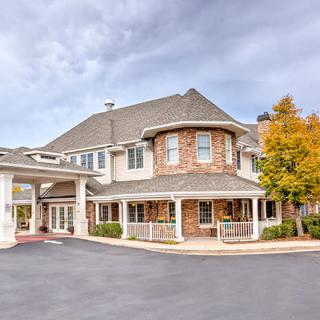
Pikes Peak Center on seniors.fyi includes 3 photos including images showing interior, decor, bedroom, healthcare, windows, living room, fireplace, seating area, and more.
Nearby Communities
Pikes Peak Care Center
Colorado Springs, CO
3.8 from 31 reviews
$6,009 to $6,339 / month
Active memory-care engagement and attentive staff in a welcoming environment.
MacKenzie Place Colorado Springs
Colorado Springs, CO
4.6 from 128 reviews
$4,635 to $6,095 / month
Amenity-rich community with friendly staff and engaging activities.
Colonial Columns Nursing Center
Colorado Springs, CO
Extensive amenities and 24/7 care support
Active Living
Colorado Springs, CO
4.5 from 110 reviews
Nearby parks, pharmacies, doctors, hospitals, restaurants, and worship options support an active, convenient lifestyle.
Home Instead - Colorado Springs, CO
Colorado Springs, CO
4.9 from 123 reviews
Excellent communication and flexible, compassionate caregivers who accommodate complex schedules.
Home Care At Moma's Assisted Living
Colorado Springs, CO
5 from 2 reviews
Small, intimate setting with personalized, comprehensive care.
Medallion Post Acute Rehabilitation
Colorado Springs, CO
3.7 from 95 reviews
Caring staff and engaging activities in a well-equipped, amenity-rich setting.
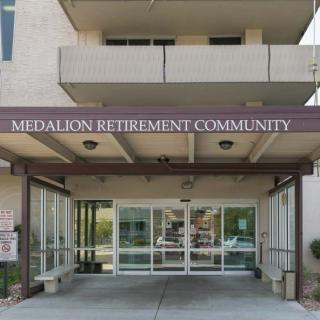
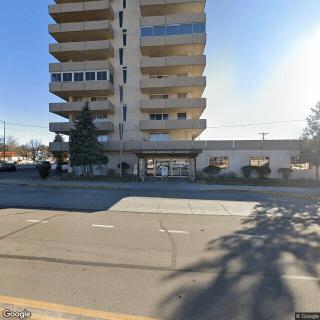
Medallion Retirement Community
Colorado Springs, CO
3.2 from 27 reviews
$1,300 to $2,600 / month
Compassionate staff delivering high-quality care with engaging activities at a more affordable price than local averages.
Brookdale Monument Valley Park
Colorado Springs, CO
4.6 from 107 reviews
$3,615 to $5,553 / month
Warm, friendly staff in a home-like setting with engaging activities.
The article emphasizes the significance of establishing a power of attorney for elderly parents to enable an agent to make decisions on their behalf regarding health and finances, especially during cognitive or physical decline. It outlines various types of power of attorney, the importance of consulting legal professionals, and the responsibilities and challenges faced by agents, while also discussing alternatives and common misconceptions.
Caregiver support groups are crucial for providing emotional and practical assistance to those caring for loved ones, offering resources, coping strategies, and a sense of community through various organizations and platforms. These groups help alleviate isolation and burnout while addressing the unique challenges faced by caregivers of individuals with specific conditions.
The guide outlines the complexities of Medicaid coverage for assisted living, highlighting significant state-to-state variations, limited coverage often restricted to personal care services, and the existence of specialized waivers for certain needs like memory care. It advises families to consult local Medicaid offices for options while emphasizing the importance of understanding state-specific regulations and facility policies.
Living Room, Fireplace, Seating Area, and Brick Wall
Get PricingAsk A QuestionSchedule A TourContact Senior Advisor
By clicking submit, you agree to our Partner's Terms of Use. You
also consent to receive calls and texts, which may be autodialed, from our Partner. Your consent is not a condition to
using our Partner's service. Please visit our Partner's Privacy Policy for information about their privacy practices.





 21 resident community capacity
 Memory Care
 Skilled Nursing Facility
 Beauty salon
 Cable or satellite TV
 Dining room
 Fully furnished
 Garden
 Housekeeping services
 Kitchenette
 Move-in coordination
 Outdoor space
 Telephone
 Wi-Fi/high-speed internet available
 City of Colorado Springs Muni (7 miles away)
 24-hour call system
 Activities of daily living assistance
 Assistance with bathing
 Assistance with dressing
 Assistance with transfers
 Diabetes diet
 Meal preparation and service
 Medication management
 Mental wellness program
 Special dietary restrictions
 Transportation arrangement (medical)
 Transportation to doctors appointments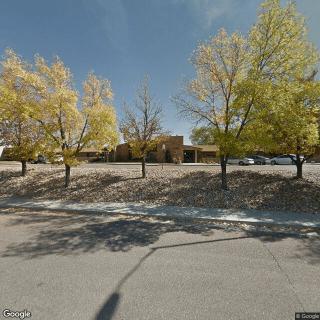
 Active memory-care engagement and attentive staff in a welcoming environment.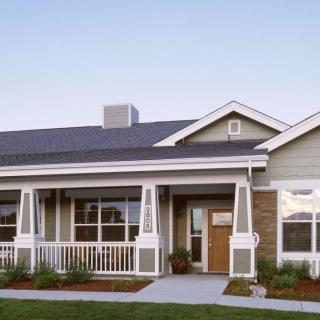

 Guiding Your Journey: Understanding Power of Attorney for Elderly Parents
 22 Remarkable Caregiver Support Groups Available Online and In-Person
 Understanding Medicaid Coverage for Assisted Living: A Comprehensive Guide