MorningStar at Bear Creek

Save

  • Interior

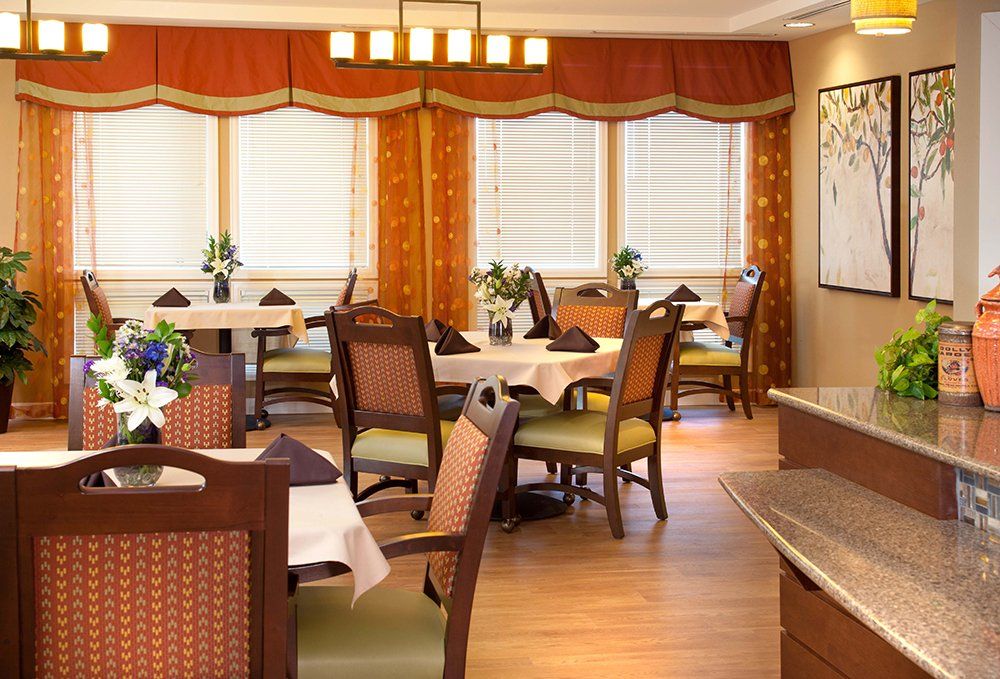
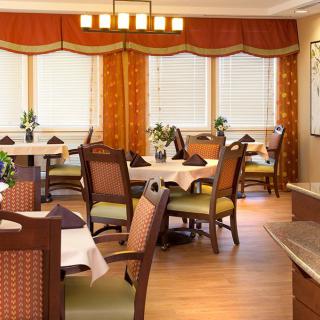
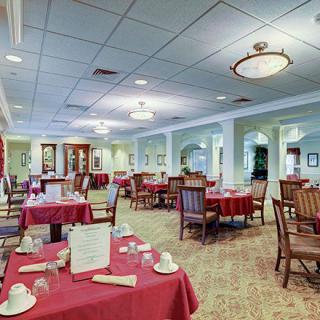
    A cozy dining area with elegantly arranged tables and chairs, featuring large windows adorned with orange curtains.
  • Decor

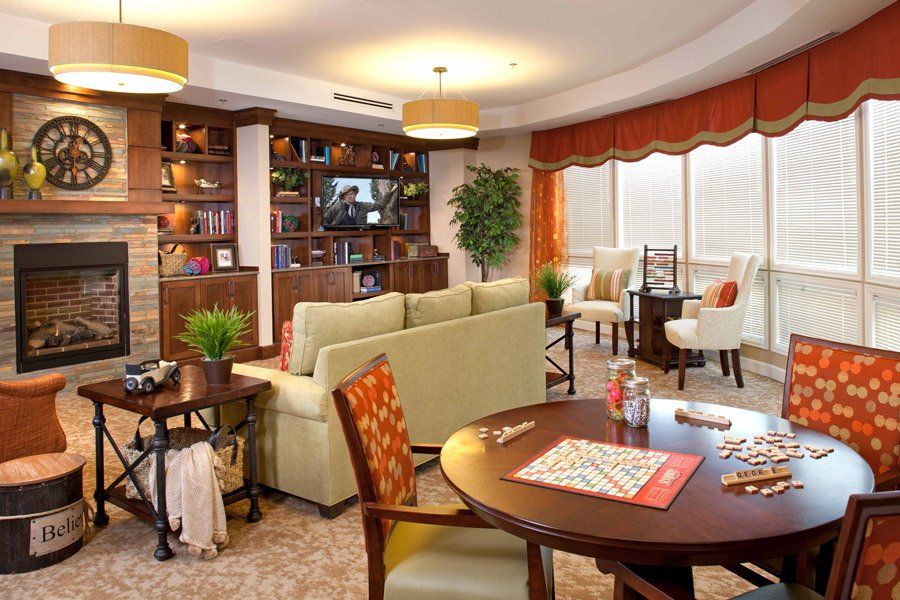
    A cozy and well-decorated living area with comfortable seating, bookshelves, and indoor plants.
  • Living Room

    A cozy living room with a central fireplace, featuring modern design elements and high ceilings.
  • Windows

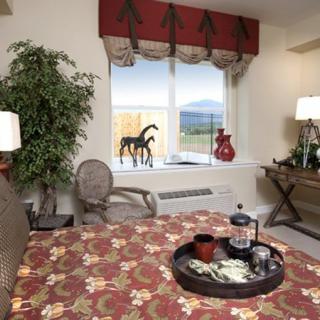
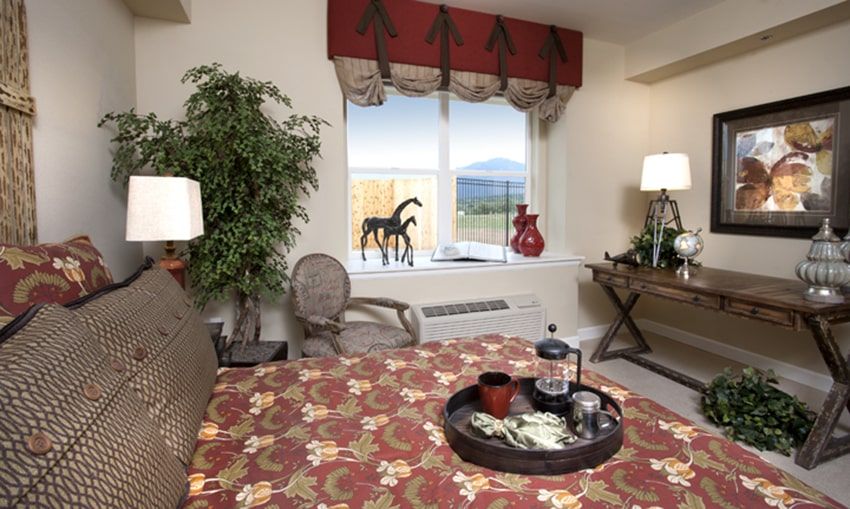
    A cozy living room with decorative elements, including a patterned tablecloth, indoor plants, and horse figurines by the window.
  • Dining

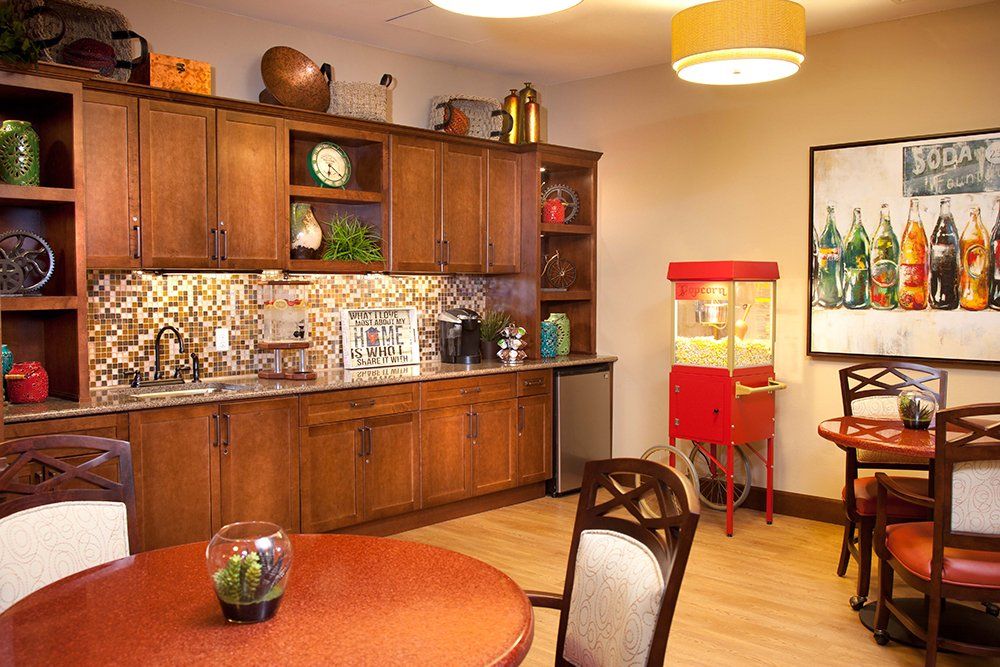
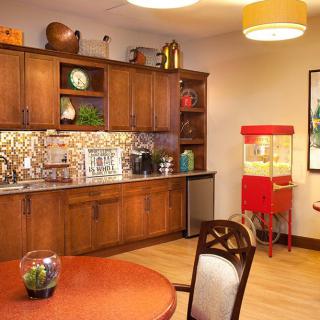
    A cozy kitchen and dining area featuring wooden cabinets, a popcorn machine, and stylish interior design.
  • Artwork

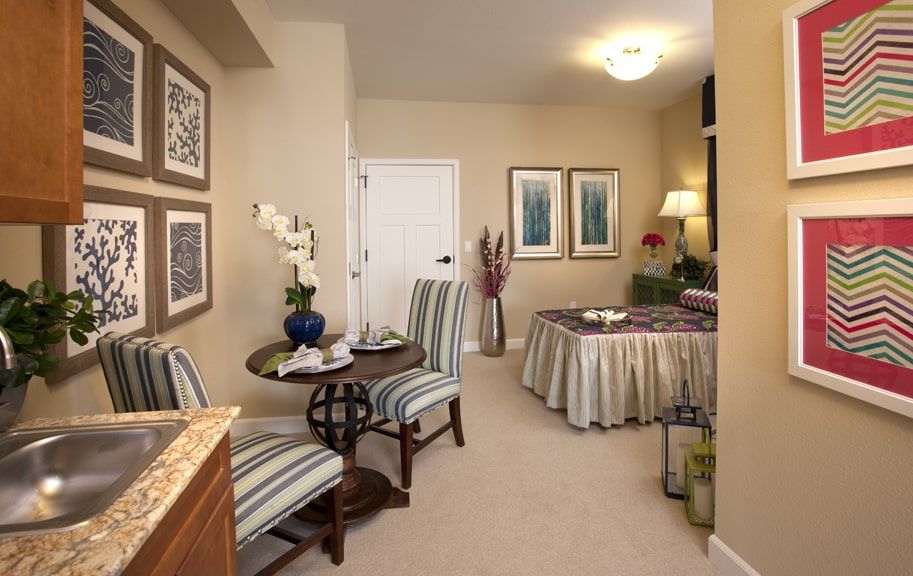
    A cozy living room with elegant furniture and decorative artwork on the walls.

MorningStar at Bear Creek

2450 Lower Gold Camp Road, Colorado Springs, CO 80906

For more information about senior living options: (844) 490-3973

4 from 47 reviews
5 stars
31
4 stars
4
3 stars
0
2 stars
3
1 stars
9

Memory Care

Overall Review of MorningStar at Bear Creek

Pros

  • pro Morning Star at Bear Creek responds immediately to inquiries and guides families through the move-in process.
  • pro The staff deliver compassionate, high-quality care and coordinate with hospice as a seamless unit.
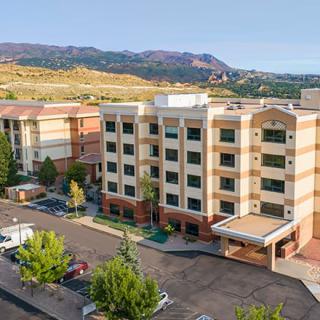
  • pro The facility is beautiful, with high ceilings, warm furnishings, and scenic views.
  • pro Residents receive top-notch care from loving and supportive staff.
  • pro Leadership sets an exceptional, caring tone that inspires dedication.
  • pro Families feel confident they made the right decision after choosing Morning Star Bear Creek.
  • pro The activities team (Gresha, Charlie, Roberta) runs engaging programs and serves as a lifeline to families.
  • pro Visitors and residents are greeted warmly, and hospitality is outstanding.
  • pro On-site security provides peace of mind to families.
  • pro The community is highly recommended by families.
  • pro Care is described as world-class by some families.

Cons

  • pro What was supposed to be a place of safety, compassion, and specialized care turned into a heartbreaking experience marked by neglect and mismanagement.
  • pro Medications were missed, lost or mishandled, and despite repeated concerns, nothing was done.
  • pro The staff seemed overwhelmed, and leadership was unresponsive - even dismissive - when alarms were raised.
  • pro This wasn't a simple oversight; it was a pattern of carelessness and denial that ultimately cost a life.
  • pro Staff consistently referred to residents as "mother," indicating a failure to truly know residents and families on a personal level.
  • pro Serious issues with management had to be escalated to corporate due to dishonesty and a lack of transparency.
  • pro Some staff were not comfortable with involved family members and often attempted to withhold or obscure information.
  • pro Inappropriate personal relationships within the management team further compromising the integrity of the care environment.
  • pro Conversations that should have remained confidential were not treated as such, raising serious concerns about privacy and professionalism.
  • pro Medication administration was another ongoing issue; errors were frequent and persistent enough that monthly medication records had to be requested to independently track and identify the source of the problems.

Review

Families describe Morning Star at Bear Creek as a place that can be a lifeline during a difficult transition, offering rapid responses, thorough assessments, and a pathway to moving loved ones into care with as much support as possible. Several of the reviews recount how promptly the facility acted once contacted: an initial assessment was completed, apartments were shown repeatedly to ensure the right fit, and paperwork moved forward smoothly for a move-in. Importantly, Morning Star reportedly accommodated the families' current hospice provider and integrated it into their systems, making the handoff and ongoing collaboration feel seamless. On move-in day and beyond, staff were described as offering help at every turn, and the overall caregiving experience was framed as attentive and compassionate, with families noting that the staff worked closely with hospice as a unified team.

In many accounts, the care provided to loved ones in memory care is portrayed as top-notch. One reviewer spoke of an aunt receiving exceptionally loving and supportive care, with the facility described as beautiful - featuring high ceilings, warm furnishings, and views that included the mountains - and security that gave families peace of mind about their loved one's safety. The memory care level was praised for its attentiveness, and even after the aunt passed away, the reviewer felt the staff thought of her fondly and believed the placement had been the right decision. A separate account highlighted a father receiving "world-class" care after being relocated from another city; the family emphasized strong communication, reasonable pricing relative to the level of care, and staff who were deeply affectionate toward their dad right up to the end of his life. Across these recollections, the consistency of genuine care, attentiveness, and clear family-staff collaboration stands out as a core strength when the facility is at its best.

Several reviews also drew attention to leadership and programming as meaningful contributors to a positive experience. The facility's leadership was described as setting a constructive, dedicated tone, with a staff culture that impressed families and lent confidence in the care environment. The activities program was singled out for praise by a Petersen Family reviewer, who credited three team members - Gresha, Charlie, and Roberta - with keeping residents engaged through a wide array of activities, from pizza making and floral arrangements to bowling, meditation, sing-alongs, church services, exercises, and Happy Hour. These activities were framed not only as enrichment for residents but as a lifeline for families who felt connected and informed through the process. The impressions from this family were so positive that they recommended Morning Star to others in similar circumstances, underscoring the impact that a devoted activities team can have on the daily experience of residents and their loved ones.

A second set of reviews highlighted personal, in-person experiences that reinforced trust and hospitality. One reviewer recounted visiting Bear Creek for a tour and meeting staff members - including a director, head chef, and a physician associate - who all took time to engage with the potential resident and family. The tour left a strong impression about the facility's welcoming atmosphere, and the reviewer noted an immediate sense of support, warmth, and genuine hospitality, with promises of continued care that helped them feel confident about considering Morning Star for a loved one. Others described being greeted by caring staff such as Dawn, who made visitors feel welcome from the moment they walked in, and of receiving thoughtful touches like a complimentary meal. In these narratives, Dawn, the wellness director Terry, and team members like Miekka are cited as reliable sources of compassion and assistance, reinforcing a sense of trust and the belief that Morning Star can be a place where a loved one is treated with dignity and respect.

Yet the collection of experiences is not one-sided. Several reviews present serious concerns about safety, oversight, and accountability. One family reported that their mother sustained facial bruising and appeared uncared for, with repeated incidents of being left in soiled clothing or with wet briefs, and claimed that doors were left unlocked at night - an observation that undermined the sense of safety families rely on in such facilities. This account described a pattern of disasters that seemed likely to lead to further accidents, emphasizing the importance of treating each resident as a family member and ensuring that basic safety protocols are consistently followed. Another and more devastating account detailed neglect and mismanagement that allegedly contributed to a loved one's death. According to that reviewer, medications were missed, lost, or mishandled, while staff appeared overwhelmed and leadership was unresponsive or dismissive when concerns were raised. The reviewer stressed that this was not a minor oversight but a persistent problem that had life-or-death consequences, urging others to scrutinize the facility more deeply and to demand accountability and safety beyond glossy brochures and polished tours. The emotional weight of these experiences underscores the critical need for reliable clinical oversight, transparent communication, and a culture that prioritizes resident well-being above all.

In addition to these strong positive and troubling negative accounts, another reviewer provided a candid, detail-forward critique embedded in a broader "response to businesses response" narrative. They described issues of misidentification and a lack of personal connection to residents, noting that staff often referred to a grandmother as "my mother," which suggested gaps in truly knowing and honoring residents and their families. The reviewer claimed there were management concerns escalated to corporate due to dishonesty and a lack of transparency, with accusations of staff discomfort around involved family members and efforts to withhold information. They also raised concerns about privacy violations, inappropriate personal relationships within the management team, and sustained medication errors that necessitated monthly medication record requests. The overarching message was a demand for serious accountability and systemic change to restore trust and ensure resident safety and dignity.

Interwoven with these pointed criticisms are reflections on the reality of choosing care for someone with Alzheimer's and the diligence families must exercise. One reviewer contrasted their initial positive impression - tours that felt respectful, staff who listened, and a care team that could accommodate specific needs - with the sobering reminder that experiences can diverge dramatically from one family to the next. Another family spoke of visiting nine different locations across two states before deciding that Morning Star at Bear Creek would be the best fit for their mom, praising the open offices of leadership and care providers who stayed close to the residents' daily lives. Even within this largely favorable narrative, there is an acknowledgment that the decision to place a loved one in memory care is intensely personal and that the right fit depends on a stable combination of staff continuity, transparent communication, and a care culture that values every resident as family.

Taken together, these reviews present a complex portrait of Morning Star at Bear Creek: a place capable of delivering exceptionally compassionate care, thoughtful programming, and sincere hospitality when everything aligns, while simultaneously facing serious challenges related to safety, accountability, and communication that can profoundly affect families during times of vulnerability. The stories emphasize the dual responsibilities of any memory care community: to cultivate a warm, engaging environment that families can trust, and to uphold rigorous standards of safety, privacy, and professional conduct at all times. For families navigating similar decisions, the overarching message is clear - due diligence matters: ask hard questions, seek up-to-date records, and observe not only the appearances of care but the consistency and responsiveness of the people who will be entrusted with a loved one's well-being.

Features

Housing

  • 60 resident community capacity 60 resident community capacity

Types of Care

  • Memory Care Memory CareMemory care is crucial for seniors as it provides specialized support and services for individuals with dementia or Alzheimer's disease. These programs offer a safe and secure environment where residents receive personalized care, cognitive stimulation, and help with daily activities. Memory care helps seniors maintain their independence, quality of life, and dignity while also providing peace of mind for their families.

Amenities

  • Air-conditioning Air-conditioningAir conditioning is important for seniors as they are more vulnerable to heat-related illnesses and may have underlying health conditions that make it difficult for them to regulate their body temperature. It helps to keep them comfortable, safe, and healthy in hot weather.
  • Beauty salon Beauty salonBeauty salons are important for seniors because they provide a space for them to feel pampered, socialize, and maintain their personal grooming and hygiene. Regular visits to a beauty salon can help boost seniors' self-esteem and overall well-being.
  • Cable or satellite TV Cable or satellite TVCable or satellite TV is important for seniors because it provides entertainment, news, and companionship, helping to combat loneliness and boredom. It also offers a wide range of programming options tailored to different interests and preferences.
  • Computer center Computer centerA computer center is essential for seniors as it provides access to technology, communication tools, and resources that can enhance their daily lives. It allows them to stay connected with loved ones, engage in online activities, and learn new skills, ultimately promoting socialization and mental stimulation.
  • Dining room Dining roomDining rooms are important for seniors as they provide a space for socialization, connection, and nutritious meals. They offer opportunities for residents to bond over shared meals, foster a sense of community, and promote healthy eating habits. Dining rooms also ensure that seniors have access to well-balanced meals tailored to their dietary needs and preferences.
  • Fitness room Fitness roomHaving a fitness room in a senior living community is essential for seniors to stay active, maintain their physical health, and improve their overall well-being. Regular exercise can help prevent falls, reduce the risk of chronic diseases, and promote mental sharpness. It also provides social opportunities for residents to connect with others and enjoy a sense of community.
  • Fully furnished Fully furnishedFully furnished senior living communities are important for seniors because they provide convenience, comfort, and a hassle-free moving experience. Seniors can easily settle into their new living space without the stress of having to buy and move furniture. This allows them to focus on enjoying their new home and community.
  • Gaming room Gaming roomGaming rooms are important for seniors as they provide a fun and engaging environment for socializing, cognitive stimulation, and physical activity. Games can improve memory, problem-solving skills, and overall mental well-being while fostering friendships and reducing feelings of isolation.
  • Garden GardenGardens are important for seniors as they provide a peaceful and therapeutic environment for relaxation, physical activity, and socialization. Being in nature has been shown to reduce stress, improve mood, and promote overall well-being. Gardens also offer opportunities for seniors to engage in gardening activities, which can improve mobility, flexibility, and cognitive function. Additionally, gardens create a sense of community and connection with others who share a passion for plants and outdoor spaces.
  • Housekeeping services Housekeeping servicesHousekeeping services are important for seniors because they help maintain a clean and safe living environment, promote independence, and reduce the risk of accidents or illnesses. Additionally, having assistance with household chores can alleviate physical strain and allow seniors to focus on other aspects of their well-being.
  • Kitchenette KitchenetteKitchenettes are important for seniors living in senior living communities because they provide the convenience and independence of being able to prepare simple meals and snacks in the comfort of their own living space. This can help promote a sense of autonomy and well-being for seniors, allowing them to maintain some level of control over their dietary choices and daily routines.
  • Move-in coordination Move-in coordinationMove-in coordination is important for seniors because it helps ease the transition into their new living environment. It ensures that all logistics, such as packing, organizing movers, and setting up utilities are taken care of, allowing seniors to focus on settling in and adjusting to their new home. Having a smooth move-in process can alleviate stress and anxiety, making the transition smoother and more enjoyable for seniors.
  • Outdoor space Outdoor spaceOutdoor spaces are important for seniors as they provide opportunities for physical activity, social interaction, exposure to natural light and fresh air, and a sense of connection to nature. Having access to outdoor spaces can improve overall well-being and quality of life for older adults living in senior communities.
  • Private bathrooms Private bathroomsPrivate bathrooms are important for seniors in senior living communities because they provide independence, dignity, and comfort. Having a private bathroom allows seniors to maintain their personal hygiene routines without the need for assistance, promoting a sense of autonomy and privacy. Additionally, private bathrooms help prevent the spread of infections and provide a safe and clean environment for seniors to navigate safely.
  • Restaurant-style dining Restaurant-style diningRestaurant-style dining is important for seniors because it allows them to enjoy delicious, nutritious meals in a social and upscale setting. This enhances their dining experience, promotes healthy eating habits, and fosters socialization with fellow residents, ultimately contributing to their overall well-being and quality of life.
  • Small library Small librarySmall libraries are important for seniors as they provide access to a variety of reading materials, including books, newspapers, and magazines. This can help stimulate their minds, keep them engaged, and provide a sense of community through book clubs and other social activities. Additionally, reading has been shown to improve cognitive function and overall mental well-being in older adults.
  • Spa SpaSpas are important for seniors because they provide relaxation, stress relief, and therapeutic benefits which can improve their overall well-being and quality of life. Additionally, spa treatments such as massages, hydrotherapy, and aromatherapy can help alleviate common age-related ailments such as arthritis, joint pain, and circulation issues. Seniors deserve to enjoy a pampering experience that promotes physical and emotional wellness.
  • Telephone TelephoneTelephones are important for seniors as they provide a lifeline for communication with loved ones, emergency services, and healthcare providers. They offer a sense of security and independence, enabling seniors to stay connected and access assistance when needed.
  • Wellness center Wellness centerWellness centers are important for seniors because they offer a variety of programs and services that promote physical, mental, and emotional well-being. These centers provide opportunities for exercise, socialization, education, and relaxation, helping seniors maintain their overall health and quality of life.
  • Wi-Fi/high-speed internet available Wi-Fi/high-speed internet availableWi-Fi/high-speed internet is important for seniors to stay connected with loved ones, access online resources, and participate in virtual activities to combat feelings of loneliness and isolation. It also allows them to easily manage healthcare needs, access entertainment, and engage in lifelong learning opportunities.

Transportation

  • City of Colorado Springs Muni (9 miles away) City of Colorado Springs Muni (9 miles away)
  • Community operated transportation Community operated transportationCommunity operated transportation is crucial for seniors as it provides them with the means to access essential services, social activities, and medical appointments. It allows seniors to maintain their independence and quality of life by ensuring they can participate in activities outside of their homes. Additionally, community-operated transportation services offer a safe and reliable way for seniors to travel without having to rely on family or friends for assistance.
  • Transportation arrangement Transportation arrangementTransportation arrangements are crucial for seniors as they may face challenges with driving, mobility, or access to public transportation. Having reliable transportation services ensures that seniors can easily attend appointments, social activities, and maintain their independence and quality of life.
  • Transportation to doctors appointments Transportation to doctors appointmentsTransportation to doctors appointments is crucial for seniors as it ensures they have access to necessary medical care and support, promoting their health and well-being. It allows them to receive timely treatment, monitor existing conditions, and address any new health concerns efficiently. Additionally, transportation services can help seniors maintain their independence and quality of life by enabling them to stay connected with their healthcare providers.

Care Services

  • 12-16 hour nursing 12-16 hour nursing12-16 hour nursing care is crucial for seniors in order to ensure around-the-clock monitoring, timely medication administration, and prompt response to any health concerns or emergencies. This level of care helps to promote the overall well-being and safety of seniors living in senior living communities.
  • 24-hour call system 24-hour call system24-hour call systems are important for seniors because they provide peace of mind and immediate assistance in case of emergencies. This technology ensures that help is always available, promoting safety and security for elderly individuals living alone or in assisted living facilities.
  • 24-hour supervision 24-hour supervision24-hour supervision is important for seniors to ensure their safety, well-being, and access to immediate assistance in case of emergencies or health issues. This constant support provides peace of mind for both seniors and their loved ones, allowing them to age in place with dignity and security.
  • Activities of daily living assistance Activities of daily living assistanceActivities of daily living assistance are important for seniors because they provide essential support with tasks such as eating, bathing, dressing, and mobility. This assistance helps seniors maintain their independence, dignity, and overall quality of life as they age.
  • Assistance with bathing Assistance with bathingAssistance with bathing is crucial for seniors as it helps maintain personal hygiene, prevents infections, and ensures their overall well-being and comfort. It also provides a sense of dignity and independence for seniors who may struggle with this task on their own.
  • Assistance with dressing Assistance with dressingAssistance with dressing is important for seniors because it helps maintain their independence, promotes personal hygiene, prevents accidents and injuries, and improves overall quality of life. This service ensures that seniors can continue to dress comfortably and confidently, despite any physical limitations they may have.
  • Assistance with transfers Assistance with transfersAssistance with transfers is crucial for seniors as it helps prevent falls and injuries, maintains their independence, and ensures they can safely navigate their living environment. It also provides peace of mind for both seniors and their loved ones.
  • Diabetes diet Diabetes dietA diabetes diet is crucial for seniors as it helps manage blood sugar levels, reduce risks of complications, and improve overall health and well-being. By following a balanced and nutritious diet tailored to their specific needs, seniors can better control their diabetes and enhance their quality of life.
  • Meal preparation and service Meal preparation and serviceMeal preparation and service are crucial for seniors as they may have limited mobility or energy to cook nutritious meals. Having access to healthy and convenient food options can ensure they are getting the proper nutrition needed to maintain their overall health and well-being.
  • Medication management Medication managementMedication management is crucial for seniors to ensure they are taking the right medications at the correct dosages and times. This helps prevent adverse drug interactions, reduces the risk of medication errors, and promotes overall health and well-being. Proactive management also allows for adjustments as needed based on changing health conditions or new prescriptions.
  • Mental wellness program Mental wellness programMental wellness programs are essential for seniors as they promote cognitive stimulation, emotional support, and social engagement. These programs help prevent isolation, depression, and cognitive decline, ultimately enhancing the overall quality of life for older adults.
  • Mild cognitive impairment Mild cognitive impairment"Mild cognitive impairment" is important for seniors because it is an early stage of cognitive decline that can potentially progress to more severe conditions such as dementia. Recognizing and addressing mild cognitive impairment can help seniors receive appropriate care and support to maintain their quality of life and independence for as long as possible.
  • Special dietary restrictions Special dietary restrictionsSpecial dietary restrictions are important for seniors because age-related changes in metabolism and health conditions can make it difficult for their bodies to process certain foods. By following a diet tailored to their specific needs, seniors can maintain their overall health and well-being, manage chronic conditions, and reduce the risk of complications such as malnutrition or food interactions with medications.
  • Specialized memory care programming Specialized memory care programmingSpecialized memory care programming is crucial for seniors with cognitive impairments such as dementia or Alzheimer's disease. These programs provide a safe and supportive environment tailored to the unique needs of individuals with memory loss, helping them maintain their independence, dignity, and quality of life.

Dining

  • Diabetes diet Diabetes dietA diabetes diet is crucial for seniors as it helps manage blood sugar levels, reduce risks of complications, and improve overall health and well-being. By following a balanced and nutritious diet tailored to their specific needs, seniors can better control their diabetes and enhance their quality of life.
  • Special dietary restrictions Special dietary restrictionsSpecial dietary restrictions are important for seniors because age-related changes in metabolism and health conditions can make it difficult for their bodies to process certain foods. By following a diet tailored to their specific needs, seniors can maintain their overall health and well-being, manage chronic conditions, and reduce the risk of complications such as malnutrition or food interactions with medications.

Activities

  • Community-sponsored activities Community-sponsored activitiesCommunity-sponsored activities are important for seniors as they provide opportunities for social interaction, mental stimulation, and physical activity. These activities can help improve overall well-being, combat loneliness and isolation, and promote a sense of belonging and purpose among older adults.
  • Concierge services Concierge servicesConcierge services are essential for seniors as they provide assistance with daily tasks and errands, enhance their quality of life by offering convenience and personalized care, and promote a sense of safety and security.
  • Fitness programs Fitness programsFitness programs are crucial for seniors as they help improve strength, flexibility, balance, and overall well-being. Staying active can reduce the risk of chronic diseases, improve mental health, and enhance quality of life in older adults.
  • Planned day trips Planned day tripsPlanned day trips are important for seniors because they offer opportunities for socialization, mental stimulation, and physical activity. They provide a change of scenery and help seniors stay engaged and connected to their community, promoting overall well-being and quality of life.
  • Resident-run activities Resident-run activitiesResident-run activities are important for seniors as they encourage social interaction, creativity, and a sense of autonomy. These activities empower seniors to stay engaged and active in their community while fostering meaningful connections with their peers.
  • Scheduled daily activities Scheduled daily activitiesScheduled daily activities are important for seniors because they provide structure, socialization, mental stimulation, and physical activity. Engaging in regular activities can improve overall well-being and quality of life for seniors living in a community setting.

Description

MorningStar at Bear Creek is an assisted living community located in Colorado Springs, CO. We offer a range of amenities and care services to ensure that our residents receive the support they need while enjoying a vibrant and fulfilling lifestyle.

Our community features a variety of amenities to enhance the quality of life for our residents. They include a beauty salon, cable or satellite TV, community-operated transportation for outings and appointments, a computer center, a dining room with restaurant-style dining, a fitness room to promote physical wellness, fully furnished apartments for comfortable living, a gaming room for entertainment, a garden for outdoor relaxation, housekeeping services for convenience, kitchenettes in each apartment for individual meal preparation if desired, move-in coordination assistance to make the transition smooth, outdoor spaces to enjoy nature, private bathrooms for privacy and independence, small library for book lovers, spa facilities for relaxation and rejuvenation, telephone services for communication with loved ones and emergency situations if needed, transportation arrangements to doctors' appointments when necessary, wellness center facilities to promote overall well-being including physical and mental health support as well as Wi-Fi/high-speed internet access.

We also provide comprehensive care services tailored to meet individual needs. Our staff is available 24/7 through our call system and provides 24-hour supervision. We offer assistance with activities of daily living such as bathing, dressing and transfers. Our professional team provides medication management and can accommodate special dietary restrictions including diabetes diet. We also offer specialized memory care programming for residents with mild cognitive impairment or dementia-related conditions.

In addition to these amenities and care services provided on-site within our community walls, MorningStar at Bear Creek is conveniently located near various establishments that enhance daily living. Residents will find cafes nearby where they can enjoy coffee or meals outside our community environment. There are also parks in the vicinity that provide opportunities for outdoor activities and relaxation amidst nature. Pharmacies are easily accessible in case of medication needs. Numerous physicians are close by for medical consultations and care. Restaurants offer a variety of dining options for residents to explore. Transportation services are available nearby for additional mobility options. Places of worship are also located nearby to cater to spiritual needs, and theaters provide opportunities for cultural experiences. Hospitals are within close proximity in case of emergencies or medical attention.

At MorningStar at Bear Creek, we strive to create a vibrant and engaging environment where our residents can thrive physically, mentally, and emotionally while receiving the support they need.

Nearby Places of Interest

Physicians

  • Hearing Life (0.4 miles)
  • Colorado Springs Health Partners PC (1.1 miles)
  • Adler, Jay Dr - DaVita Medical Group West Office (1.1 miles)
  • Spring Natrual Medicine (2.1 miles)
  • Thomas Dalsaso Jr, MD (2.7 miles)
  • Paul B. Rahill, MD (3.2 miles)
  • Ford Jack MD PC (3.2 miles)

Parks

  • Bear Creek Regional Park (0.5 miles)
  • Bear Creek Regional Park (0.5 miles)
  • Red Rock Canyon Open Space (1.4 miles)
  • America the Beautiful Park (1.8 miles)
  • Monument Valley Park (2.5 miles)
  • John "Prairie Dog" O'Byrne Park (2.8 miles)
  • Siamese Twins (3.1 miles)

Cafes

  • Dutch Bros Coffee (0.8 miles)
  • Jives Coffee Lounge (1.3 miles)
  • Starbucks (1.9 miles)
  • Urban Steam Coffee Bar and Cafe (2.1 miles)
  • Adam's Mountain Cafe (2.3 miles)
  • Dutch Bros Coffee (2.5 miles)
  • Good Neighbors Meeting House (3.2 miles)

Places of Worship

  • Sacred Heart Catholic Church (1.2 miles)
  • Calvary Worship Center (1.9 miles)
  • First United Methodist Church (2.5 miles)

Restaurants

  • McDonald's (1.3 miles)
  • The Mason Jar (1.5 miles)
  • McDonald's (1.6 miles)
  • Taco Bell (1.6 miles)
  • 503W (1.7 miles)
  • Margo's Vienna Station (2 miles)
  • Amanda's Fonda (2.1 miles)

Pharmacies

  • Walgreens (1.6 miles)
  • Walgreens (1.8 miles)
  • Strawberry Fields (2 miles)
  • Maggie's Farm (2.6 miles)
  • Walgreens (2.9 miles)
  • Anna's Apothecary (3.4 miles)
  • Penrose Main & In Patient Phrm (3.5 miles)

Hospitals

  • Strawberry Fields Medical Dispensary (2 miles)
  • Penrose St Francis Hospital (2.4 miles)
  • St Francis Health Center (3 miles)
  • V A Clinic (3.4 miles)
  • Memorial Health Scheduling Service (3.6 miles)
  • Memorial Hospital (3.6 miles)
  • Memorial Health System Cancer (3.6 miles)

Transportation

  • I-25/Tejon Park N Ride (2.4 miles)

Theaters

  • Cinemark Tinseltown USA and XD (4.5 miles)

Frequently Asked Questions

Where is MorningStar at Bear Creek?
Does MorningStar at Bear Creek provide care for residents with dementia or Alzheimer's disease?
What photos are available for MorningStar at Bear Creek in Colorado Springs, Colorado?

Nearby Communities

Related Resources

  • dementia hallucinationsDementia-Related Hallucinations: Causes, Experiences, and Practical Approaches

    Dementia, particularly Lewy body dementia, often involves hallucinations that can significantly distress both patients and caregivers due to disruptions in sensory processing and neurotransmitter imbalances. Effective management includes compassionate communication, environmental adjustments, and a multidisciplinary approach to care while addressing the emotional needs of caregivers.

  • alzheimer's factsIlluminating Insights About Alzheimer's Disease: Ten Crucial Realities

    Alzheimer’s disease is a progressive neurological disorder that significantly impacts memory and cognitive functions, accounting for 60-80% of dementia cases, with early diagnosis being crucial yet challenging. It involves brain changes like beta-amyloid plaques and tau tangles, influenced by genetic and lifestyle factors, and while there is no cure, symptom management and support for caregivers are essential.

  • list of drugs linked to dementiaA Thorough Discussion of Medications Potentially Linked to Dementia Risk
    Dementia, influenced by aging and certain medications, may be exacerbated by drug classes such as anticholinergics, benzodiazepines, and antipsychotics, which are associated with cognitive impairment. Regular medication reviews by healthcare professionals are crucial for older adults to manage risks and optimize cognitive health.