Collegiate Peaks Senior Living

Save
Collegiate Peaks Senior Living

Collegiate Peaks Senior Living

32201 CR 371, Buena Vista, CO 81211

For more information about senior living options: (844) 490-3973

3 from 2 reviews
Board and Care Home Independent Living Memory Care

Collegiate Peaks Senior Living Costs & Pricing

Collegiate Peaks Senior Living offers competitive pricing for its residents, particularly when compared to wider county and state averages. For a semi-private room, the cost stands at $2,000 per month, which aligns perfectly with the Chaffee County rate but is significantly lower than the Colorado state average of $4,009. Similarly, for a one-bedroom suite, the monthly charge of $2,600 is notably higher than the county's average of $1,811 yet remains substantially more affordable than the statewide figure of $4,119. The pricing for private rooms mirrors that of semi-private accommodations at $2,600 in both Collegiate Peaks and Chaffee County - still a stark contrast to Colorado's average of $4,142. This makes Collegiate Peaks an attractive option for those seeking quality care without breaking the bank in comparison to broader market rates.

Floor plansCollegiate Peaks Senior LivingChaffee CountyColorado
Semi-Private$2,000$2,000$4,008
1 Bedroom$2,600$1,811$4,118
Private$2,600$2,600$4,142

Overall Review of Collegiate Peaks Senior Living

Pros

  • pro It is a great place to live.
  • pro It has a great community.
  • pro The review conveys a positive living experience.

Cons

  • pro The reviewer says it is easier to pass the pearly gates than to get approved there.
  • pro They claim that those who earn too much, lack a local job, or are minorities will be ignored.
  • pro They report being told, after not earning over their 30k limit, that they are banned for six more months before being allowed to move in, with no explanation.
  • pro They say to get an RV to live in the area and state that strangers aren't welcome.

Review

This piece opens with a paradox: it starts by praising the place as a wonderful residence within a great community, only to pull back the curtain on a much harsher reality underneath the surface. The initial sentiment feels almost sincere - a quick nod to the positive atmosphere and the sense that it could be a wonderful place to call home. But that warm introduction is immediately undercut by a stark, more biting tone that reveals a pattern of gatekeeping and exclusion that shadows the community's image.

The core complaint centers on the approval process itself, which the reviewer characterizes as nearly impossible to navigate. They describe it with a striking comparison: getting approved there feels harder than passing through the pearly gates. This metaphor signals not just frustration with bureaucracy but a sense that entry is governed by intractable rules and arbitrary judgments rather than fairness or transparency. The reviewer suggests that the system seems designed to reject people, rather than welcome them, and they frame the process as a series of obstacles that test applicants before any sense of belonging is ever possible.

A key part of the critique is the set of criteria allegedly used to screen applicants. The reviewer identifies several factors that seem to determine whether someone even gets a hearing: you might be rejected if you earn too much money, if you don't hold a local job, or if you are perceived - by the reviewer's account - as belonging to a minority. The claim about being ignored if one thinks they're a minority adds a troubling dimension of prejudice to the narrative, painting a picture of systemic indifference toward certain groups. The tone suggests that these criteria aren't about fit or merit but about exclusion, pushing people away before any real opportunity to participate has a chance to exist.

Even when an applicant skirts those first hurdles, the reviewer asserts there's another punitive measure at play: after failing to meet an unstated "over 30k" threshold, they're allegedly informed that they're banned for six more months, with nothing but silence in response. This detail underscores a sense of arbitrariness and lack of accountability. No explanation is offered for the ban, leaving applicants in a limbo of confusion and frustration. The sense of being penalized for a vague, opaque standard intensifies the perception that the process is more about punishment than about fair assessment or clear pathways to residency.

The review also conveys a harsh social climate that feels unwelcoming to outsiders. The phrase "Strangers obviously aren't welcome, ya hear" punctuates the sense that the community is designed to deter new residents rather than invite them in. It's not just a bureaucratic barrier being described; it's a social barrier as well, one that frames newcomers as intruders rather than potential neighbors. This combination of procedural and social gatekeeping contributes to a broader impression of a place where belonging is scarce for those who aren't already aligned with a particular economic or social profile.

In a further, almost counterintuitive note, the reviewer offers a stark practical workaround: consider living in an RV to reside in the area. This suggestion underscores the sense of exclusion and the impression that legitimate, traditional housing avenues are not accessible to outsiders. The underlying message is that the community's barriers are so formidable that the only viable option, in the reviewer's view, is to bypass conventional residency altogether. The sentiment is less about housing affordability and more about a deliberate push toward a nontraditional, perhaps less regulated, arrangement as a means of survival.

Taken together, the review presents a portrait of a place that presents itself with a veneer of attractiveness but is simultaneously riddled with gatekeeping, ambiguity, and social exclusivity. The positive opening - praising a great community - feels incongruous with the harsh, opaque hurdles described by the reviewer. The result is a complex and troubling image: a setting that may attract attention for its amenities or reputation, yet remains inaccessible to many who would ostensibly be its ideal neighbors. The narrative leaves little room for reassurance, offering instead a warning about the real costs of attempting to move in: unclear rules, potential discrimination, and a climate that favors familiarity over welcome.

For readers considering making a move, this account serves as a stark cautionary tale about hidden barriers that can accompany even seemingly desirable places. It underscores the importance of transparency in housing processes, fair treatment regardless of income or employment status, and a community ethos that actually welcomes newcomers rather than turning them away. Until those elements shift, the reviewer's voice remains a sobering reminder that appearances can be deceiving and that the path to belonging can be blocked by opaque policies and social gatekeeping.

Features

Types of Care

  • Board and Care Home Board and Care HomeBoard and care homes provide a smaller, more intimate setting for seniors who require assistance with daily tasks but do not need the level of care offered by a nursing home. They offer personalized care, meals, and social activities in a homelike environment, ensuring that seniors receive individualized attention and support in their golden years.
  • Independent Living Independent LivingIndependent living communities are important for seniors because they offer a safe and supportive environment where older adults can live independently while still having access to amenities and services that enhance their quality of life. These communities provide social opportunities, recreational activities, and assistance with daily tasks, promoting overall well-being and allowing seniors to maintain their independence for as long as possible.
  • Memory Care Memory CareMemory care is crucial for seniors as it provides specialized support and services for individuals with dementia or Alzheimer's disease. These programs offer a safe and secure environment where residents receive personalized care, cognitive stimulation, and help with daily activities. Memory care helps seniors maintain their independence, quality of life, and dignity while also providing peace of mind for their families.

Amenities

  • Private PrivatePrivacy is important for seniors as it allows them to maintain their independence, dignity, and sense of control over their own lives. It also gives them the space and freedom to relax, reflect, and engage in activities that bring them joy and fulfillment. Creating private spaces within senior living facilities is crucial for promoting overall well-being and quality of life.

Description

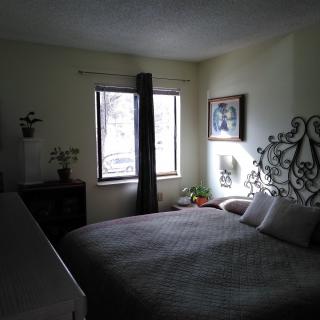
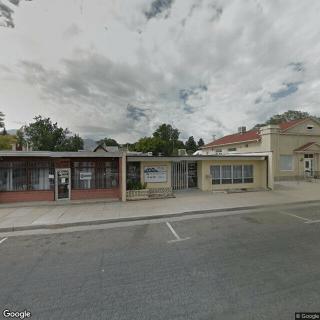
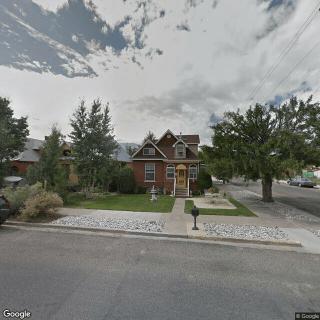
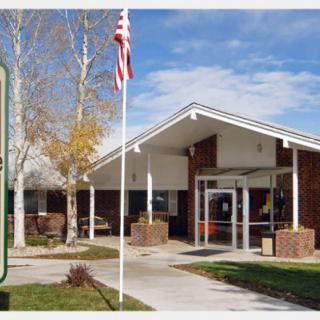
Collegiate Peaks Senior Living in Buena Vista, CO is a vibrant and inclusive assisted living community that provides top-notch care and services for seniors. With a focus on enhancing the quality of life for residents, this community offers independent living and memory care options.

In the independent living wing, seniors can enjoy a maintenance-free lifestyle while still having access to support if needed. Residents have the freedom to choose from various floor plans that suit their preferences and needs. They can relish in an active and engaging environment surrounded by fellow seniors who share similar interests and hobbies. Collegiate Peaks Senior Living promotes independence while providing amenities such as housekeeping, transportation, laundry services, nutritious meals, and social activities.

For those requiring memory care, Collegiate Peaks Senior Living has a specially designed program dedicated to meeting their unique needs. The compassionate staff at the memory care wing are extensively trained in memory impairment conditions such as Alzheimer's disease or dementia. They provide personalized care tailored to each resident's cognitive abilities and strengths. Safety is of utmost importance, with secured areas ensuring residents' well-being while promoting a sense of freedom within a controlled environment.

At Collegiate Peaks Senior Living, residents benefit from an array of enriching activities aimed at fostering physical fitness, intellectual stimulation, social interactions, and emotional well-being. Engaging social events like game nights, movie screenings, or day trips encourage residents to connect with their peers while creating cherished memories.

This community also prioritizes health and wellness by offering exercise classes tailored to seniors' mobility levels and access to healthcare professionals when needed. The staff treats each resident with respect and dignity while providing assistance with daily tasks such as medication management or personal grooming.

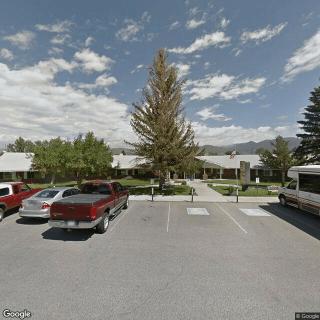
With its picturesque location in Buena Vista, CO., Collegiate Peaks Senior Living offers stunning views of the surrounding mountains and natural landscapes. Residents can take advantage of outdoor spaces like courtyards or walking paths to enjoy fresh air or simply relax in peaceful serenity.

Overall, Collegiate Peaks Senior Living in Buena Vista, CO is a warm and inclusive assisted living community that offers top-quality care and services. With its focus on independence, engagement, and personalized attention, residents here can truly thrive and lead fulfilling lives in their golden years.

Nearby Places of Interest

This part of Buena Vista, Colorado is located approximately 24.8 miles from Harriet Alexander Airfield, providing easy access for traveling or visiting loved ones. In terms of healthcare, there are options such as First Street Family Health and Central Colorado Dermatology nearby, ensuring that medical needs can be taken care of conveniently. The area offers a peaceful environment with a combination of small-town charm and scenic beauty, making it an ideal choice for senior living. With access to transportation and quality healthcare facilities, residents can feel assured and comfortable in this welcoming community.

Transportation

  • Harriet Alexander Airfield (24.8 miles)

Physicians

  • First Street Family Health (24.9 miles)
  • Central Colorado Dermatology (24.9 miles)

Frequently Asked Questions

How much does it cost to live at Collegiate Peaks Senior Living in Buena Vista, CO?
Where is Collegiate Peaks Senior Living?
Does Collegiate Peaks Senior Living provide care for residents with dementia or Alzheimer's disease?

Nearby Communities

Related Resources

  • assisted living vs memory careAssisted Living and Memory Care: Understanding Their Core Differences

    Assisted living provides moderate support for seniors seeking independence, while memory care offers specialized support for individuals with dementia or cognitive impairments through structured routines and trained staff. Key differences include care approaches, environment security measures, staff training levels, activity types, and cost considerations.

  • assisted living vs nursing homeChoosing the Right Senior Care: A Detailed Exploration of Assisted Living and Nursing Homes

    Choosing between assisted living and nursing homes involves evaluating emotional and financial factors, with assisted living offering independence and support for daily activities at a lower cost, while nursing homes provide intensive medical care for individuals with significant health needs. The decision is influenced by personal preferences, health status, cognitive function, and varying Medicaid coverage across states.

  • how to prevent memory loss in old ageSafeguarding Your Memory Through the Golden Years: Eight Ways to Preserve Cognitive Health

    The article presents eight strategies for preserving cognitive health and memory in older adults, emphasizing a nutrient-rich diet, regular exercise, intellectually stimulating activities, adequate sleep, social connections, stress management techniques, limiting harmful substances, and regular medical checkups to mitigate age-related memory decline.