
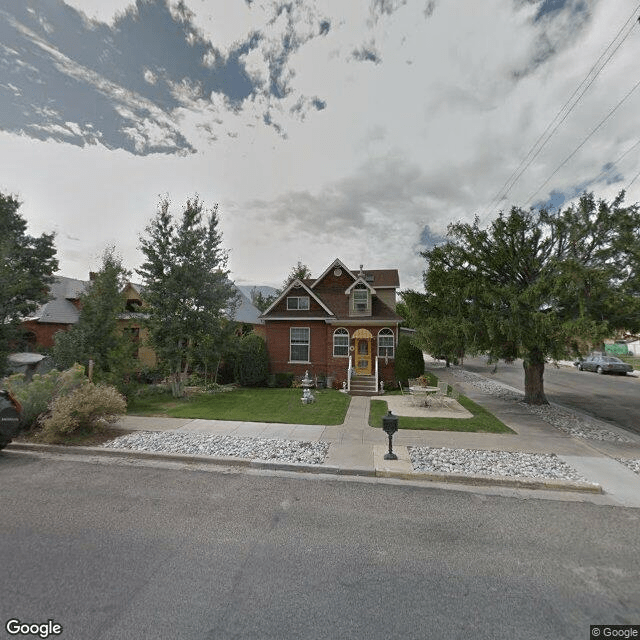
401 E. 3rd Street, Salida, CO 81201
To contact a resident: (719) 539-9477
For more information about senior living options: (866) 208-4318
Safe Haven Manors of Colorado Inc. Costs & Pricing
At Safe Haven Manors of Colorado Inc., the monthly cost for a semi-private room stands at $5,000. This figure reflects the unique services and amenities offered by the facility, which may exceed those typically available in other settings. In comparison, the average costs in Fremont County are notably lower at $3,654, while the state average for Colorado is around $4,009. While these regional figures may present more affordable options, it's important to consider the comprehensive care and individualized attention that Safe Haven Manors provides - attributes that often justify their higher pricing within the market.
| Floor plans | Safe Haven Manors of Colorado Inc. | Fremont County | Colorado |
|---|---|---|---|
| Semi-Private | $5,000 | $3,654 | $4,008 |
Overall Review of Safe Haven Manors of Colorado Inc.
Pros
 They address memory care concerns.
- So far, it has been a reasonable solution.
Cons
 They are going through employment changes, signaling instability.
- So far, the arrangement is only an okay solution, not satisfactory.
- They are dealing with memory care concerns, which presents challenges.
Review
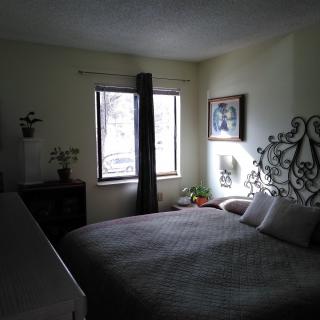
Safe Haven Manors of Colorado in Salida is best suited for families seeking a small, home-like memory-care option where six residents share a single Victorian residence and receive highly personalized attention. This community works best for a loved one who benefits from an intimate, non-institutional atmosphere, where care teams can learn individual histories, preferences, and routines quickly. It is particularly attractive for someone in the early stages of memory challenges who does not require a large, structured campus but instead thrives on consistent, one-on-one interactions and a calm pace. Prospective residents should be drawn to the comfort of a homestyle setting, where staff can focus on meaningful engagement rather than navigate the complexities of a bigger facility.
Clearly, Safe Haven Manors is not the right fit for everyone. Families needing a robust, highly programmatic memory-care environment with extensive on-site medical oversight or a wide array of daytime activities may want to look elsewhere. Larger facilities with more staff, more formalized dementia programming, and greater redundancy in caregiving coverage offer greater capacity to handle complex medical needs and longer days with structured activity schedules. Those prioritizing rapid, comprehensive clinical responses or frequent specialist availability should consider alternatives that provide a broader continuum of care and more predictable staffing patterns. In short, if the priority is a bustling campus with abundant resources, this setting may fall short.
The strongest upside centers on the intimate scale. With only six residents, caregivers can develop deep familiarity with each person’s triggers, routines, and communication style, allowing for highly individualized memory-care strategies. The environment’s homey, Victorian layout can reduce the anxiety that often accompanies institutional settings, contributing to a sense of safety and belonging. This setting can also translate into more flexible approaches to daily living, meals, activities, and rest periods can be tailored to what works best for the individual, rather than contending with rigid, one-size-fits-all schedules. In this context, the memory-care orientation is meaningful, and the family experienced enough to feel that the plan is responsive to evolving needs.
On the downside, the most significant caveat is staffing stability. Observers note ongoing employment changes, which inherently threaten the continuity of care and the consistency that memory care relies upon. In a six-resident home, even modest turnover can disrupt established routines, continuity of preferred caregiving teams, and the familiarity that helps reduce agitation or distress in residents with dementia. The brief window of time reported by early residents means there is limited evidence about long-term reliability, staff training depth, and how well memory-support protocols hold up over weeks or months. Open questions linger about safety systems, wandering precautions, activity continuity, and how quickly a new caregiver can adapt to a resident’s evolving needs.
Ultimately, the pros and cons hinge on staffing certainty and the commitments behind the intimate setting. If a stable, well-trained team emerges and demonstrates consistent engagement with each resident’s memory-care plan, the advantages of a small, customized environment can far outweigh the drawbacks. Families should quest for concrete assurances: the staff-to-resident ratio, onboarding and ongoing dementia-care training, a stable caregiver roster, and a clear plan for high-risk moments. Residents and families must also evaluate whether the depth of personalized attention compensates for any limits in programming or medical support relative to alternative communities. Safe Haven Manors can deliver exceptionally warm, individualized care, but only when staffing continuity matches the high-touch expectations inherent to its model.
For families weighing decisions, practical next steps are essential. Schedule a face-to-face visit and request to meet the current caregiving team, observe how staff communicate with residents, and note how routines are structured throughout a day. Ask for specifics on staff turnover, retention plans, and the process for updating memory-care plans as needs shift. Inquire about safety features unique to a small-home model, such as secure outdoor access, fall prevention measures, and emergency protocols, as well as what medical oversight is available on-site or via partnerships. Finally, request transparent cost details, including what is included in services and what would trigger additional charges. This combination of clarity, consistency, and firsthand observation will determine whether Safe Haven Manors truly aligns with a loved one’s long-term requirements or if an alternative memory-care environment better fits the family’s expectations and risk tolerance.
 Board and Care Home
 Cats allowed
 Dogs allowed
 Activities off-site
 Bath tubs
 Beautician on-site
 Devotional services off-site
 Indoor common areas
 Outdoor common areas
 Respite or short term stays offered
 Ambulatory care
 Diabetic care
 High acuity care
 Incontinence care
 Kosher
 Christian services

 Comprehensive Exploration of Living Wills and Other Advance Directives
 A Detailed Exploration of Living Wills and Advance Directives
 Comprehensive Guide to Medicare Coverage for Hospice Care