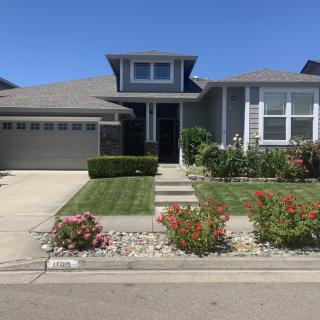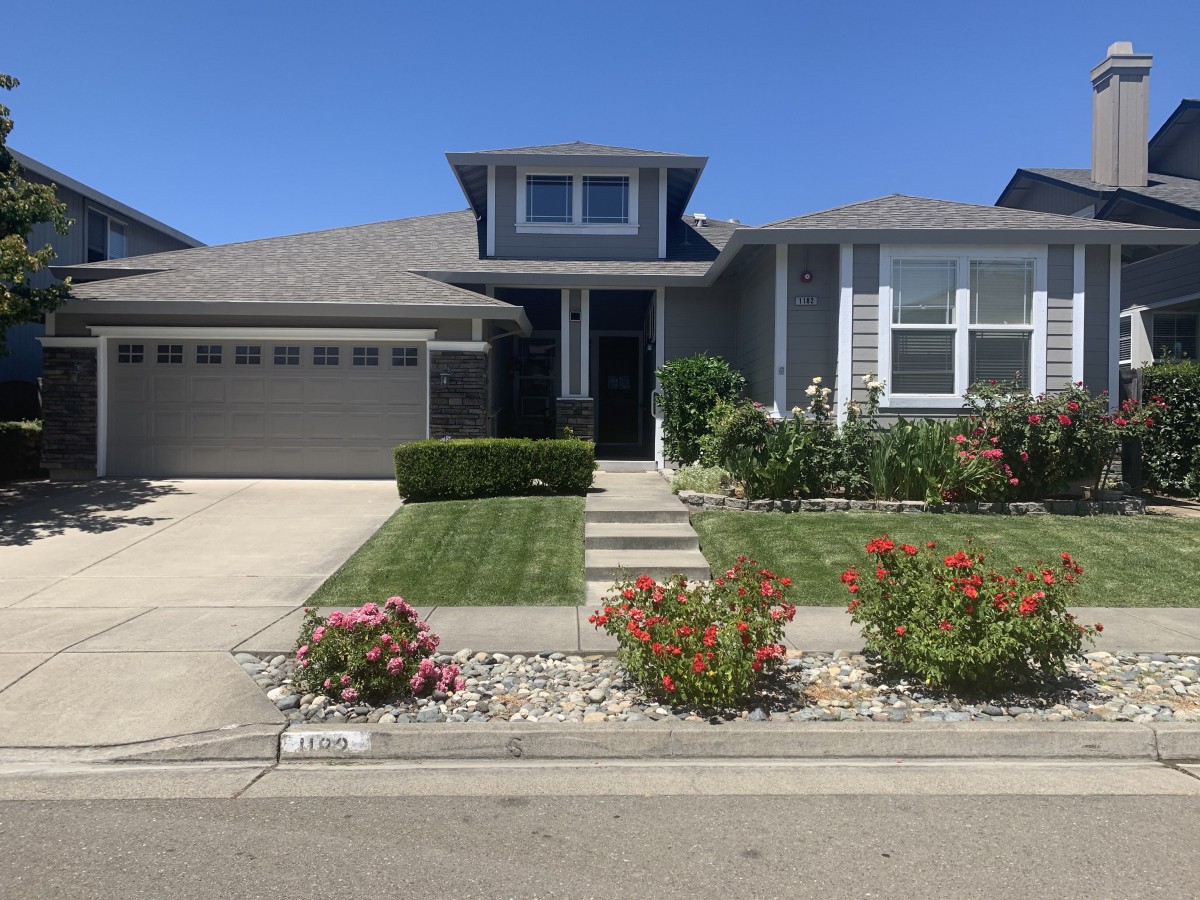
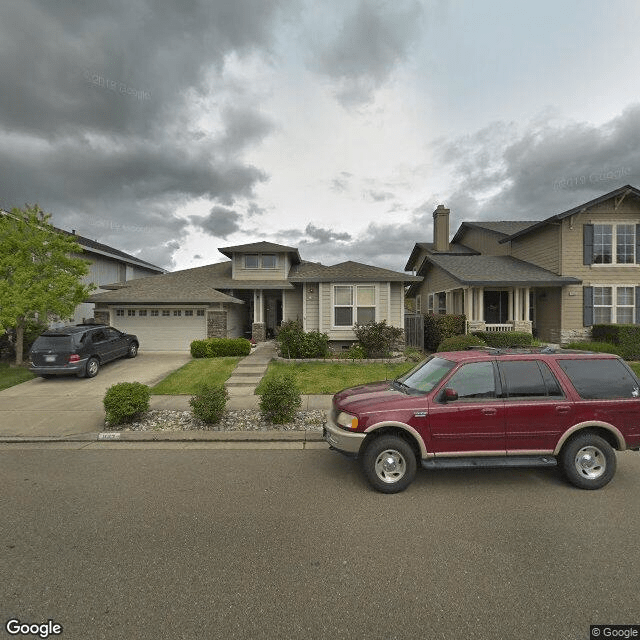
1182 Vintage Greens Dr, Windsor, CA 95492
To contact a resident: (707) 837-5761
For more information about senior living options: (866) 208-4318
Vintage Greens Senior Care Costs & Pricing
At Vintage Greens Senior Care, the monthly costs for various room types reflect both the exceptional quality of care and the distinctive amenities offered to residents. For a semi-private room, the fee is $4,500, which is notably higher than the average rates in Sonoma County ($4,052) and throughout California ($3,333). Similarly, those seeking a one-bedroom accommodation will find the monthly charge set at $5,500, surpassing county averages of $4,562 and statewide figures of $4,340. The private rooms are also priced at $5,500 - this figure again exceeds the local average ($4,225) while remaining above the state average ($3,939). These costs underscore Vintage Greens' commitment to providing personalized care in a nurturing environment that justifies its pricing through superior services and facilities.
| Floor plans | Vintage Greens Senior Care | Sonoma County | California |
|---|---|---|---|
| Semi-Private | $4,500 | $4,052 | $3,333 |
| 1 Bedroom | $5,500 | $4,562 | $4,340 |
| Private | $5,500 | $4,225 | $3,939 |
Memory care communities with a similar price nearby
-
from +$500 / mo
Clearwater Lodge
$5,000 / month21.5 miles away -
from -$800 / mo
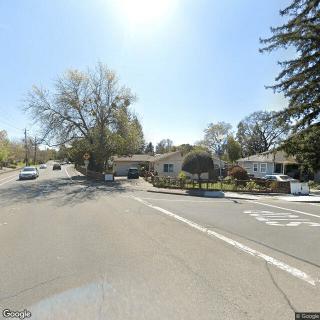
Silva Board And Care
$3,700 to $5,367 / month7.7 miles away -
from +$195 / mo

Villa Capri At Varenna
$4,695 to $9,095 / month6.3 miles away -
from +$695 / mo

Fountaingrove Lodge (LGBTQ+)
$5,195 to $5,495 / month5.8 miles away -
from -$690 / mo
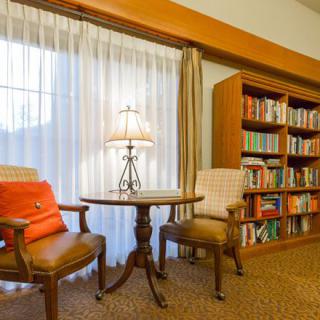
Brookdale Chanate
$3,810 to $7,855 / month7.1 miles away
Overall Review of Vintage Greens Senior Care
Pros
 The owner is very hands-on with residents.
- The house is very clean.
- The cottage-type 4-plex unit has lots of windows, beautiful trees and flowers.
- The unit features a large kitchen and bath.
- The property has two entry doors, front and back patio.
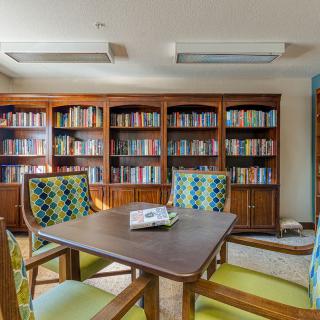
- The property includes a large separate community area with a library, mailboxes, office, and restrooms.
- Covered parking is available for residents.
- Residents have lived there for three years.
Cons
 It is very expensive to live in this area.
- They must wait a year or more for covered parking.
Review
Vintage Greens Senior Care in Windsor, California, is best suited for seniors who want a small, home-like, owner-operated setting where cleanliness and hands-on attention are nonnegotiable, and where proximity to local conveniences comes with a premium. The community centers on cottage-style living, with four-plex layouts that foster a private-feel without sacrificing a sense of neighborhood. In practice, this means residents experience personal space, direct access to the operator when needed, and a stable, predictable environment that supports routine and dignity. It is not a campus-style facility; it is a deliberately intimate option that rewards familiarity and routine.
Key advantages center on the owner’s hands-on involvement and the crisp upkeep of the home. The cottage units sit on cement flooring with glued-down carpeting, a practical choice for ease of cleaning and safety. Abundant natural light streams through many windows, and the grounds are framed by trees and flowers, which matters for mood and comfort. The kitchens and baths are generously sized within compact layouts, helping daily living feel comfortable rather than cramped. A large shared community area, a library, mailboxes, an office, and restrooms support everyday interaction and a sense of belonging, so residents aren’t isolated in a single apartment. The owner’s direct involvement translates into responsive maintenance and a feeling that residents are known personally, not just another unit in a building.
Stability and accessibility are additional understated gains. A resident who has lived there for three years signals satisfaction with routines, neighbor relationships, and the overall atmosphere. The two entry doors and back patio support mobility and safety while preserving a home-like sense of entry and privacy. Covered parking, available after a lengthy wait, rewards long-term commitment and reduces weather-related hassles for residents with vehicles. The Windsor location offers convenient access to nearby stores, minimizing chores for residents and families alike. Taken together, these factors yield a predictable, manageable living situation that can ease transitions from independent living into higher care if needed, without the chaos of a larger, more impersonal campus.
However, the main hurdle is cost. Described as very expensive for the area, Vintage Greens presents a barrier for seniors on tight budgets or relying on fixed incomes. The small, cottage-scale footprint, while intimate, may limit the breadth of programming and on-site services compared with larger assisted living communities. There is little detail about meal plans, staff ratios, or the scope of care beyond cleanliness and resident-focused spaces, which can leave families uncertain about whether medical oversight and daily assistance will meet evolving needs. Those who require robust nursing support, frequent clinical supervision, or a broad activity calendar will want to compare options to ensure the level of care aligns with expectations and finances. For budget-conscious households, other Windsor-area offerings or non-profit communities may deliver better alignment.
Explicitly, those who require ongoing clinical care should consider alternatives. Families seeking a broader continuum of care, on-site nursing, rehabilitation services, or a wide array of apartment styles, will likely find more options off the beaten path. Similarly, seniors prioritizing cost efficiency or a more bustling, activity-rich environment may prefer larger facilities with transparent pricing and broader programming. Vintage Greens delivers a trustworthy, low-drama setting that emphasizes comfort and personal attention, but the trade-off is a narrower service network and higher price point. In short, match the setting to the expected care trajectory and budget trajectory carefully before deciding, weighing the intimate, well-kept home against the potential need for more extensive medical support and lower cost alternatives.
Decision-focused guidance follows from fit, not fantasy. For seniors who prize cleanliness, a hands-on owner, and a small, intimate community that preserves independence, Vintage Greens stands out as a solid, dependable choice. The bright, garden-facing interior, practical cottage living, and stable resident base make it compelling for those who value routine, quiet, and personal attention over campus-size amenities. The cons, cost and limited breadth of on-site care, tilt the balance toward alternatives for those with tighter budgets or escalating care needs. Prospective residents should obtain a detailed, itemized price sheet, confirm what is included (meals, care hours, emergency response), compare caregiver ratios to personal needs, and tour the space with an eye for daily flow: meal times, activities, and how staffing actually manifests in day-to-day life. If those checks align, Vintage Greens is a thoughtful, appropriate destination; if not, the search should broaden to options with greater services or more favorable economics.
 Board and Care Home
 Memory Care
 Activities on-site
 Devotional services off-site
 Indoor common areas
 Outdoor common areas
 Private
 Respite or short term stays offered
 Wheelchair accessible showers
 High acuity care
 Incontinence care
 Medication management
 Gluten-free
 Art classes
 BBQs or picnics
 Birthday parties
 Day trips and outings
 Karaoke
 Live dance or theater performances
 Live musical performances
 Trivia games

 An In-Depth Look at Reminiscence Therapy in Dementia Care
 Dementia-Related Hallucinations: Causes, Experiences, and Practical Approaches
 Illuminating Insights About Alzheimer's Disease: Ten Crucial Realities