
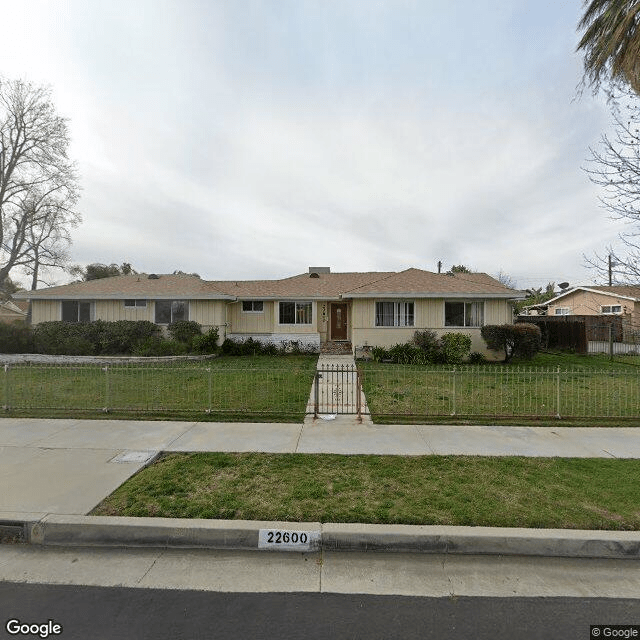
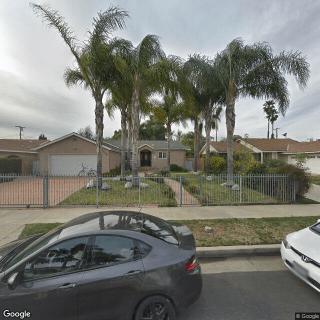
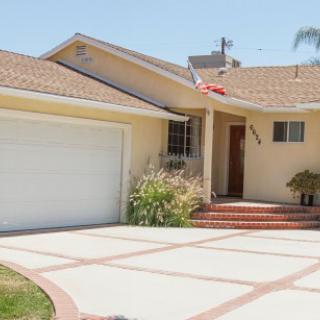
22600 Kittridge St, West Hills, CA 91307
To contact a resident: (818) 704-9090
For more information about senior living options: (866) 208-4318
Land of Peace 3 Costs & Pricing
At Land of Peace 3, the monthly costs for various room types are competitively positioned within Ventura County and the broader California market. For example, a studio at Land of Peace 3 is priced at $3,745, which is notably lower than the county average of $4,021 and the state average of $4,145. In the semi-private category, prices range from $3,900 to $4,225; here, residents may find that these rates are higher than those in Ventura County but still favorable compared to state benchmarks. The one-bedroom units are priced between $4,495 and $5,500 - slightly above Ventura County's average but comparable to California's offerings. Lastly, private rooms at Land of Peace 3 range from $5,000 to $6,059; while this is above Ventura County's rates, it reflects the premium quality of care offered. Overall, Land of Peace 3 presents a solid value proposition in terms of pricing relative to both local and statewide options.
| Floor plans | Land of Peace 3 | Ventura County | California |
|---|---|---|---|
| Studio | $3,745 | $4,021 | $4,145 |
| Semi-Private | $3,900 to $4,225 | $3,438 | $3,333 |
| 1 Bedroom | $4,495 to $5,500 | $4,513 | $4,340 |
| Private | $5,000 to $6,059 | $4,082 | $3,939 |
Memory care communities with a similar price nearby
-
from -$500 / mo
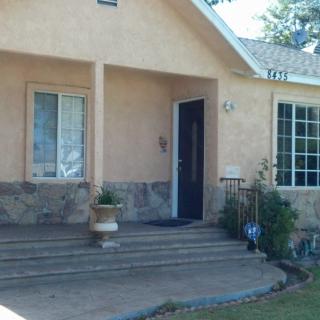
Paradise Senior Living 1
$3,500 to $4,500 / month4.3 miles away -
from +$500 / mo
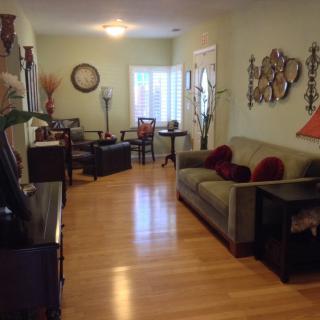
Ardenville Home Care I
$4,500 / month15.7 miles away -
from -$200 / mo
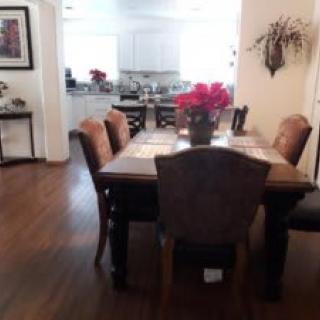
America's Care Manor
$3,800 to $4,000 / month6.2 miles away -
About the same
Land of Peace 6
$4,000 to $5,500 / month0.1 miles away -
from -$500 / mo
Hollywood Healthy Living
$3,500 to $5,000 / month15.8 miles away
Overall Review of Land of Peace 3
Pros
 The staff is very friendly.
- The community is very clean.
- The atmosphere is very homey.
- It is a smaller community.
- The reviewer would recommend this community to others.
Cons
 The facility tour was very depressing.
- It was not a place one would want a loved one to be.
Review
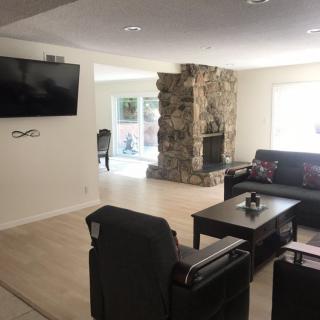
Land of Peace 3 in West Hills is best suited for seniors who want a quiet, intimate setting where staff familiarity and a clean, home-like atmosphere shape daily life. The smaller footprint promotes safety, predictable routines, and a sense of neighborhood rather than campus-level bustle. Residents are likely to encounter a staff team that knows their preferences and remembers small details, which translates into more consistent, low-stress care. Cleanliness is palpable in common areas and resident rooms, reinforcing a sense of order and dignity. This arrangement can be a reliable anchor for families prioritizing a calm, manageable environment over the energy of larger, more bustling campuses.
For families weighing options, this community may skew toward alternatives that offer more social programming and opportunities for meaningful engagement. The same intimate scale that supports personalized attention can also limit the breadth of activities and the frequency of group outings. The reviews indicate a desire for more staff-resident interaction and structured programming; when those elements are missing or underdeveloped, residents may feel a gap between care and daily life. If a resident relies on vigorous social stimulation or a dynamic activity calendar to stay engaged, Land of Peace 3 is less likely to satisfy.
The leading positives are tangible: a friendly, approachable staff, a spotless environment, and a homey atmosphere that reduces the clinical feel common in larger communities. Small size often means fewer transitions for residents, more predictable routines, and easier family oversight. Those factors can translate into calmer days, clearer communication, and a greater sense of belonging among peers and staff. The cleanliness and easy-to-navigate layout support independent living for some, as well as safer transitions for those with mobility concerns. In short, the community delivers the basics with warmth and care, which can be invaluable for residents who prize steadiness and dignity.
However, the most meaningful negative is the mood and level of engagement. The initial impression of the facility can feel depressing, signaling a lack of emotional stimulation or social momentum. Residents may encounter a thinner menu of activities, with fewer opportunities for staff to initiate meaningful interactions beyond routine care. This gap between care and vibrant daily life is the core risk for families seeking a stimulating environment, especially for residents who thrive on regular programming, social events, or purposeful engagement. The verdict hinges on whether quiet, dependable care can compensate for a subdued atmosphere and limited activity options.
Whether the positives outweigh the negatives depends on priorities. For families prioritizing safety, dignity, and a clean, comfortable home base, Land of Peace 3 can deliver solid value and attentive care without the chaos of larger campuses. For those who measure quality by activity variety, staff-initiated programming, and social vibrancy, the gaps become more apparent and demanding of negotiation with the administrator or exploring other options. The small-scale advantage should be leveraged with a candid conversation about expanding activities, resident-led clubs, and structured events to close the engagement gap.
Prospective movers should approach with a structured checklist: review the current activity calendar, request a sample weekly program, observe resident–staff interactions at different times, and verify staffing levels and response times. Ask for resident testimonials about mood and engagement, and tour during active hours to gauge atmosphere. If the goal is an intimate, clean setting with dependable care, Land of Peace 3 warrants consideration, provided efforts to enrich programming are clearly outlined. If vibrancy, diverse programming, and frequent social opportunities drive the decision, alternatives in West Hills with larger communities and more aggressive activity offerings should be pursued.
 6 resident community capacity
 Assisted Living
 Board and Care Home
 Memory Care
 Activities on-site
 Beautician on-site
 Cable or satellite TV
 Dining room
 Fully furnished
 Garden
 Housekeeping services
 Indoor common areas
 Move-in coordination
 Outdoor common areas
 Private
 Private bathrooms
 Respite or short term stays offered
 Telephone
 Wheelchair accessible showers
 Wi-Fi/high-speed internet available
 Burbank-Glendale-Pasadena (15 miles away)
 24-hour supervision
 Ambulatory care
 Assistance with bathing
 Assistance with dressing
 Assistance with transfers
 Diabetes diet
 Diabetic care
 High acuity care
 Incontinence care
 Meal preparation and service
 Medication management
 Special dietary restrictions
 Transportation arrangement (medical)
 Transportation to doctors appointments
 Why Do Dementia Patients Sleep So Much? Understanding Oversleeping, Stages, and Care Approaches
 8 Key Indicators That Suggest It May Be Time to Transition from Assisted Living to Skilled Nursing Care
 Nourishing the Mind: Essential Dietary Approaches for Dementia