Vista Gardens offers competitive pricing for its residents, particularly when compared to both San Diego County and the wider California market. For a semi-private room at Vista Gardens, the monthly cost is $4,995, which is significantly higher than the county average of $3,518 and the state average of $3,333. Studio apartments at Vista Gardens are priced at $5,995, surpassing the county's $4,217 and California's $4,145. The one-bedroom option stands out even more dramatically, with a rate of $9,250 compared to San Diego County's $4,315 and California's $4,340 averages. While Vista Gardens may be pricier than other options in the region, these costs reflect its commitment to providing high-quality care and amenities tailored to meet the needs of its residents.
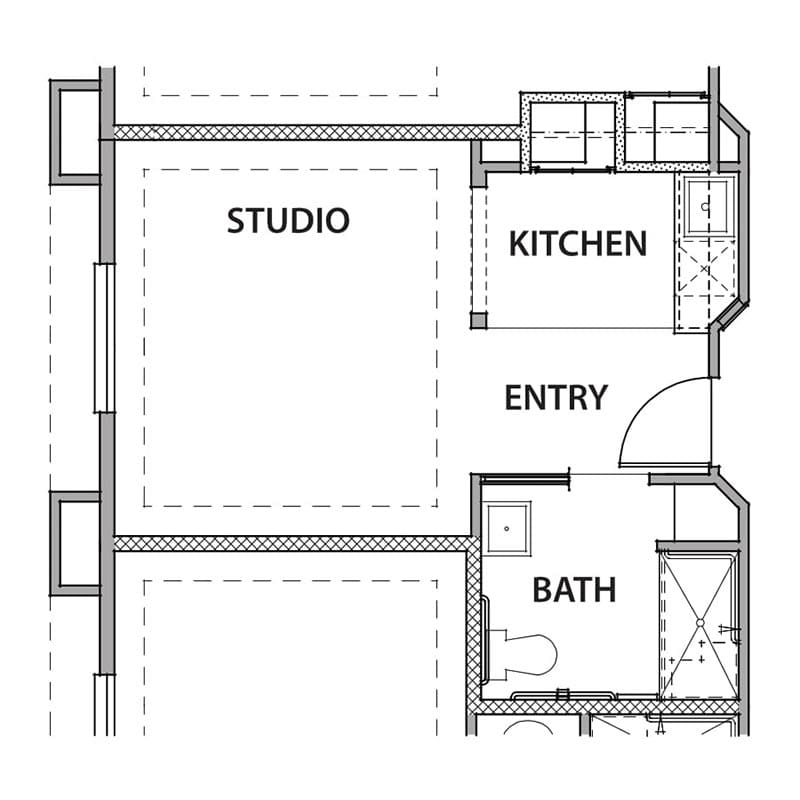
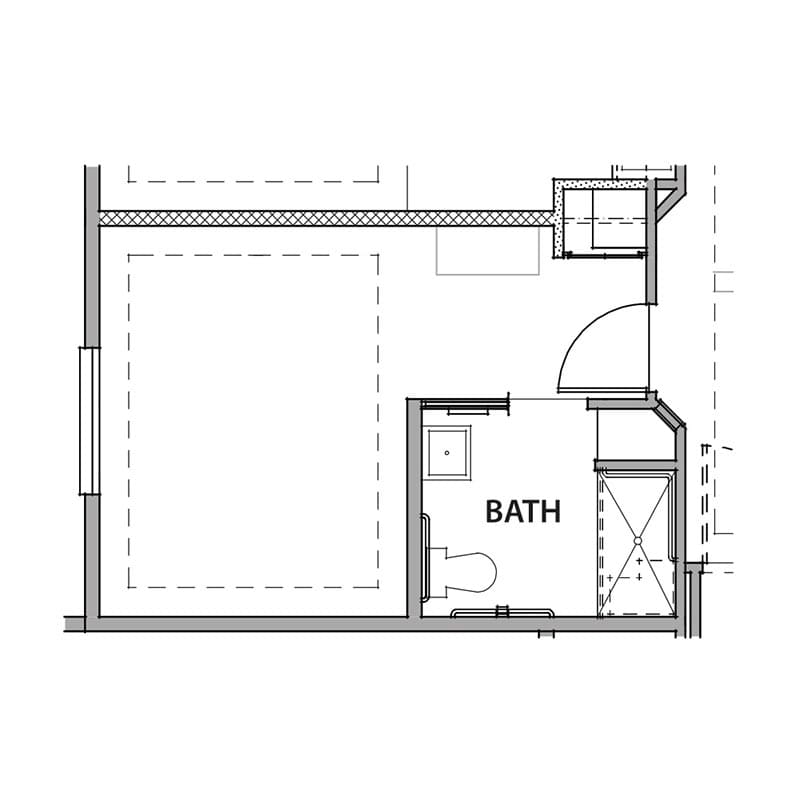
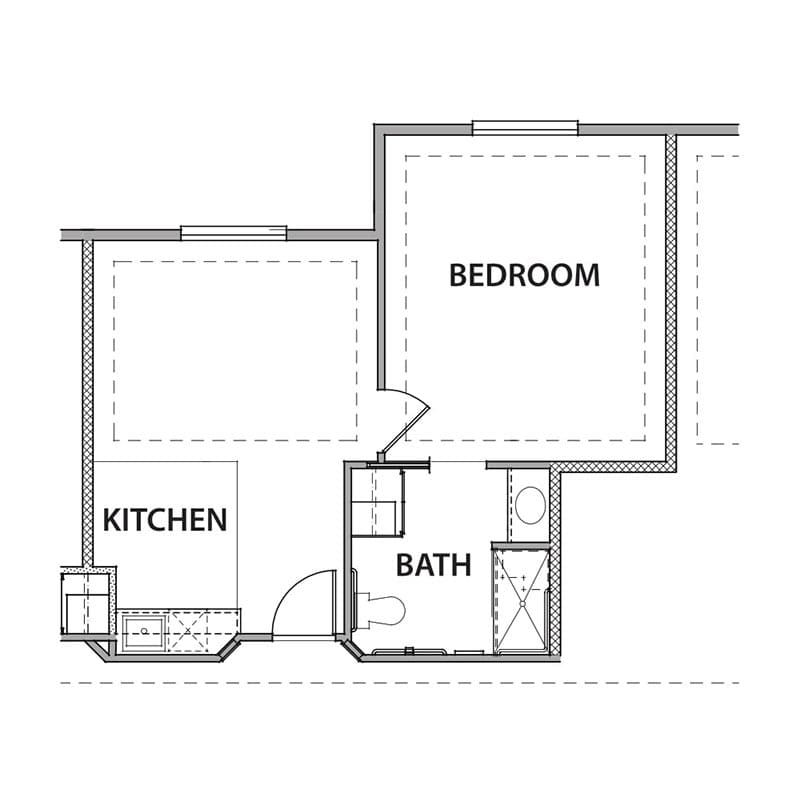
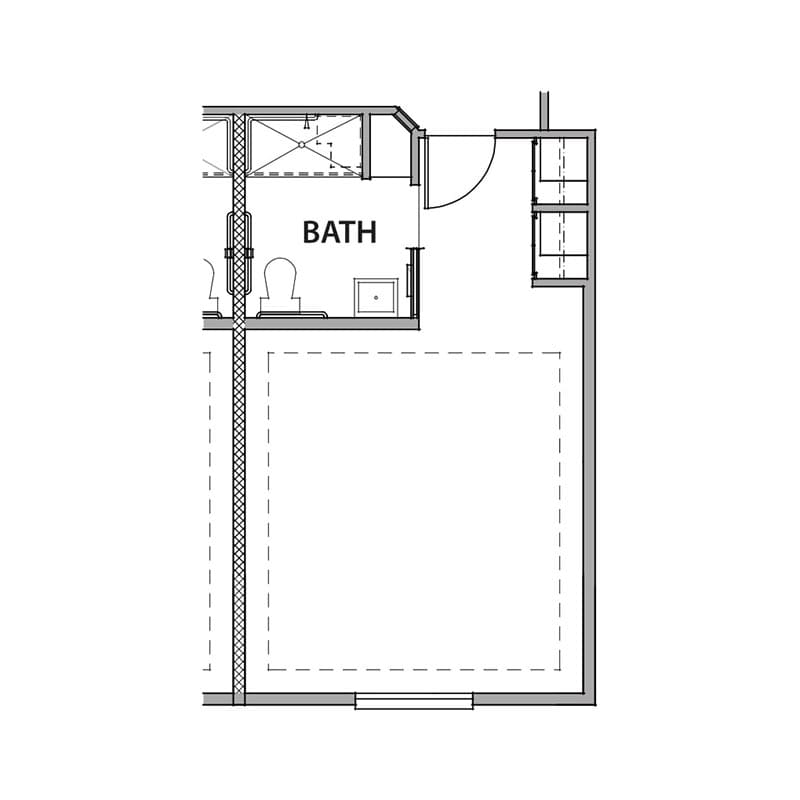
Floor plans
Vista Gardens
San Diego County
California
Semi-Private
$4,995
$3,518
$3,333
Studio
$5,995
$4,217
$4,145
1 Bedroom
$9,250
$4,315
$4,340
Memory care communities with a similar price nearby
Memory care is presented as the central, single-purpose focus of the community.
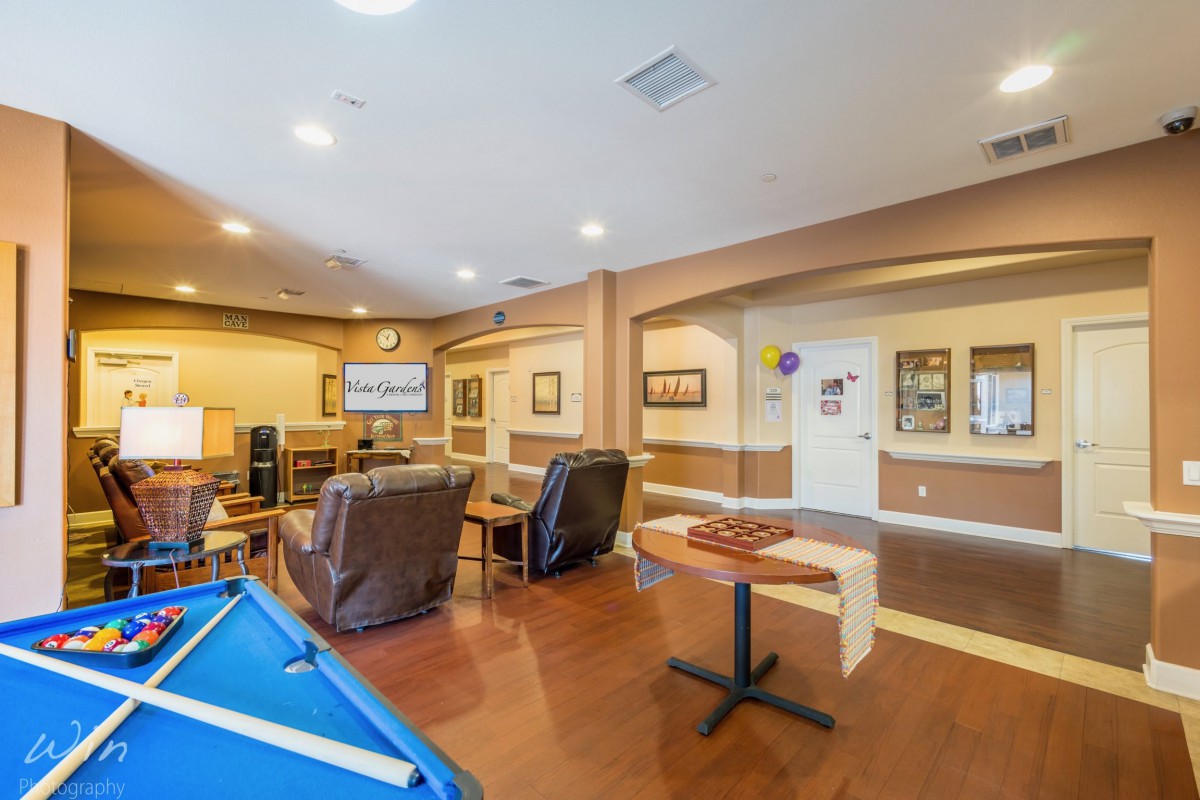
Multiple reviews describe Vista Gardens as built for dementia and Alzheimer’s, not a general-purpose facility. Several people specifically mention the memory care setup as working well for residents with dementia-related needs, including how the spaces are arranged. One reviewer also chose the community because it was the only option they found that focused on memory care.
differentiator5 reviews mention this
Medication management is a recurring point
Residents’ medication support comes up repeatedly in reviews.
Reviews frequently mention medication oversight, including med techs dosing medication daily and staff managing insulin levels. One resident’s family member also reported repeated calls about meds, describing it as an ongoing concern. Another review points to a negative outcome they attribute to care gaps following a diabetic-related infection and foot monitoring.
common10 reviews mention this
Activities and outings keep days full
Daily activities and scheduled outings show up often in reviews.
Many reviewers describe an active routine with events such as Bingo, exercise, singing groups, games, chapel, and other group activities. Several also mention outings or transportation help for appointments, including a shuttle schedule described in a review. A few reviewers tie the community’s meals and food presentation to the overall daily experience alongside these activities.
caveat4 reviews mention this
Staffing and communication can slip
Some reviews raise concerns about staffing levels and communication.
While many residents and families praise the team, multiple reviews also describe staffing as an issue at times. One review specifically says basic care needs and communication can be lacking, and another calls out being short-staffed and not standing by what was promised. Another family member described repeated follow-ups for needs like medications and bathing, framing it as a recurring frustration.
caveat2 reviews mention this
Pricing runs high for this type
Pricing is a common concern compared with expectations.
At least one reviewer directly calls the community expensive, and another mentions that the community’s cost was a factor during their search. The price range spans from roughly the low $5,000s to just under $10,000 per month depending on unit type.
How we summarize
Counts show how many written reviews mention each theme; a review can touch several themes, and only frequently mentioned themes are displayed.
Features
Types of Care
Memory Care
Amenities
Activities off-site
Activities on-site
Air-conditioning
Bath tubs
Beautician on-site
Cable or satellite TV
Devotional services off-site
Devotional services on-site
Garden view
Ground floor units
Handicap accessible
Indoor common areas
Kitchenette
Outdoor common areas
Respite or short term stays offered
Wheelchair accessible showers
Wi-Fi/high-speed internet available
Transportation
MC Clellan-Palomar Airport (5 miles away)
Care Services
Diabetic care
High acuity care
Incontinence care
Medication management
Dining
Gluten-free
Guest meals
International cuisine
Low / no sodium
Meals provided
No Sugar
Organic
Professional chef
Restaurant style dining
Room service
Special dining programs
Vegan
Vegetarian
Activities
Art classes
Catholic services
Day trips and outings
Devotional activities offsite
Devotional activities on-site
Educational speakers / life long learning
Jewish services
Karaoke
Live well programs
Mormon/LDS services
Protestant services
Visiting chaplain or priest
Nearby Places of Interest
This area of Vista, California, offers convenient access to a variety of essential amenities for senior living. There are multiple pharmacies within a short distance for easy prescription refills and medical needs. Several physicians' offices are also nearby, providing accessible healthcare options. The neighborhood features several parks for outdoor recreation and relaxation, along with a selection of restaurants offering diverse dining choices. For entertainment, there are theaters within a few miles, as well as cafes for socializing and enjoying coffee or meals. Transportation options include transit centers and an airport for travel convenience. Additionally, places of worship are available for spiritual activities, and hospitals are located within a reasonable distance for medical emergencies or procedures. Overall, this area provides a well-rounded environment with necessary services for seniors looking to reside in Vista.
Vista Gardens offers competitive pricing for its residents, particularly when compared to both San Diego County and the wider California market. For a semi-private room at Vista Gardens, the monthly cost is $4,995, which is significantly higher than the county average of $3,518 and the state average of $3,333. Studio apartments at Vista Gardens are priced at $5,995, surpassing the county's $4,217 and California's $4,145. The one-bedroom option stands out even more dramatically, with a rate of $9,250 compared to San Diego County's $4,315 and California's $4,340 averages. While Vista Gardens may be pricier than other options in the region, these costs reflect its commitment to providing high-quality care and amenities tailored to meet the needs of its residents.
Medication management at Vista Gardens ensures that residents receive their prescribed medications on time and in the correct dosages, which is crucial for maintaining their overall health and cognitive function. This structured approach reduces the risk of medication errors, alleviates stress for families concerned about their loved one's compliance, and promotes a sense of security among residents. Additionally, incontinence care tailored to individual needs helps maintain dignity and comfort for those experiencing this common challenge associated with dementia and Alzheimer's disease. By addressing hygiene and changing needs promptly and respectfully, staff can minimize discomfort and anxiety, fostering a more supportive environment that allows residents to focus on social engagement and personal well-being. Together, these features create a holistic approach to memory care that not only prioritizes health but also enhances quality of life.
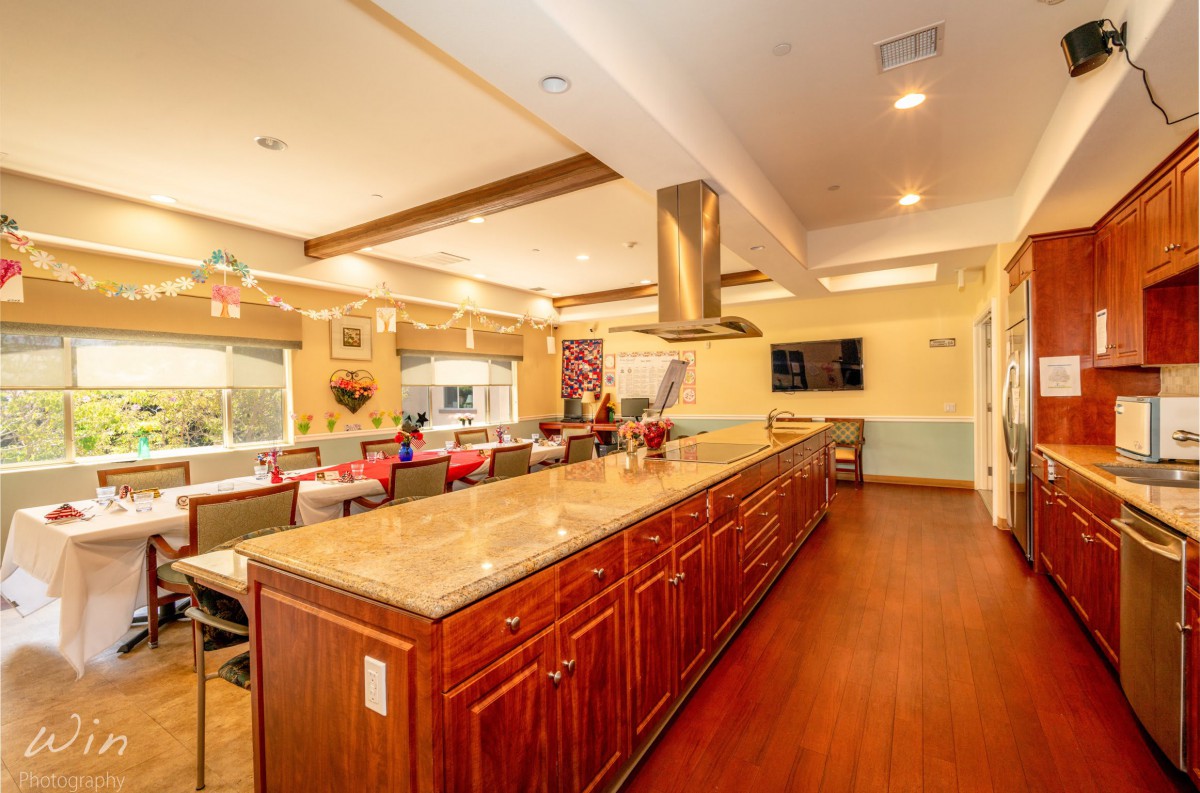
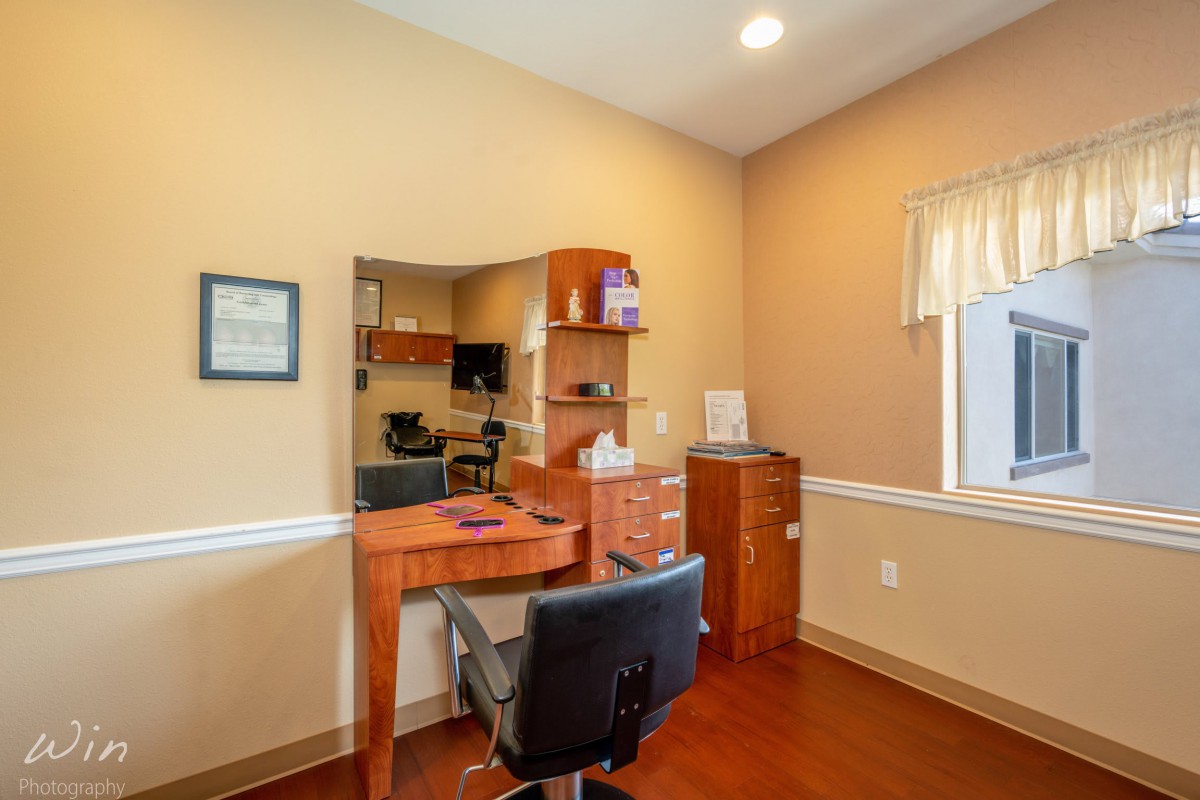
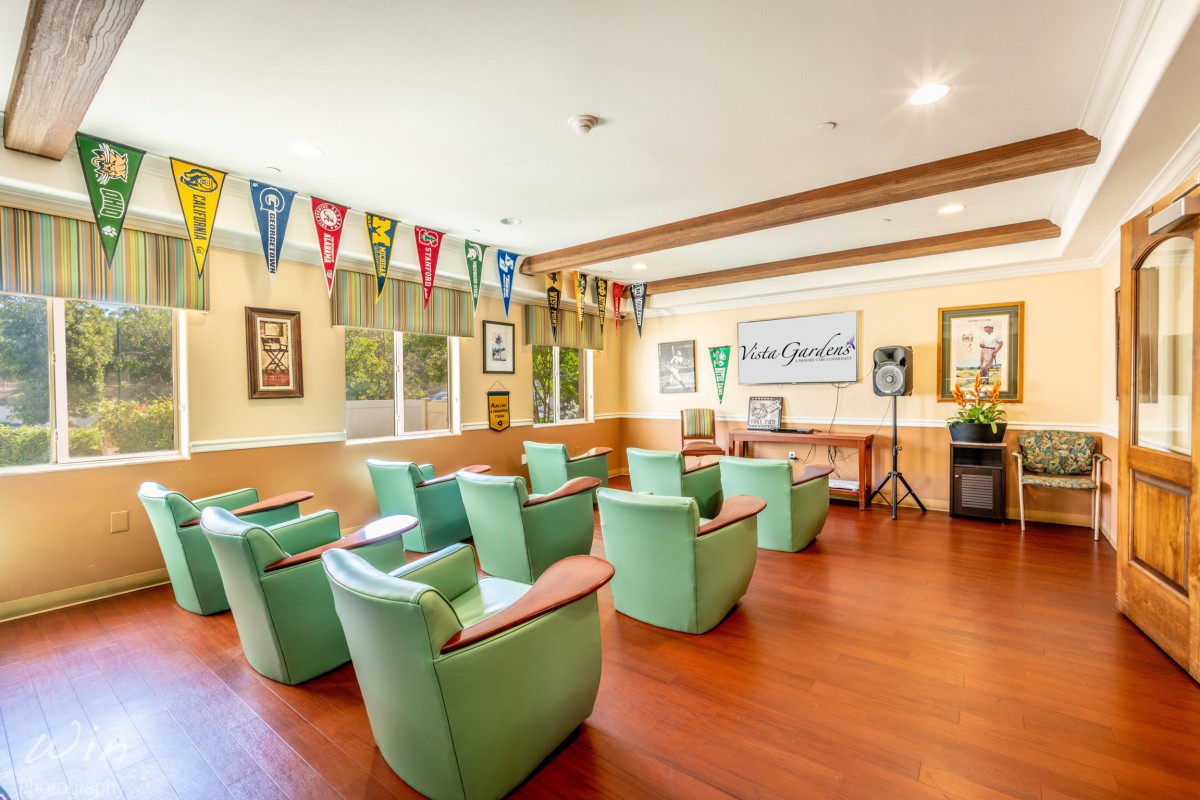
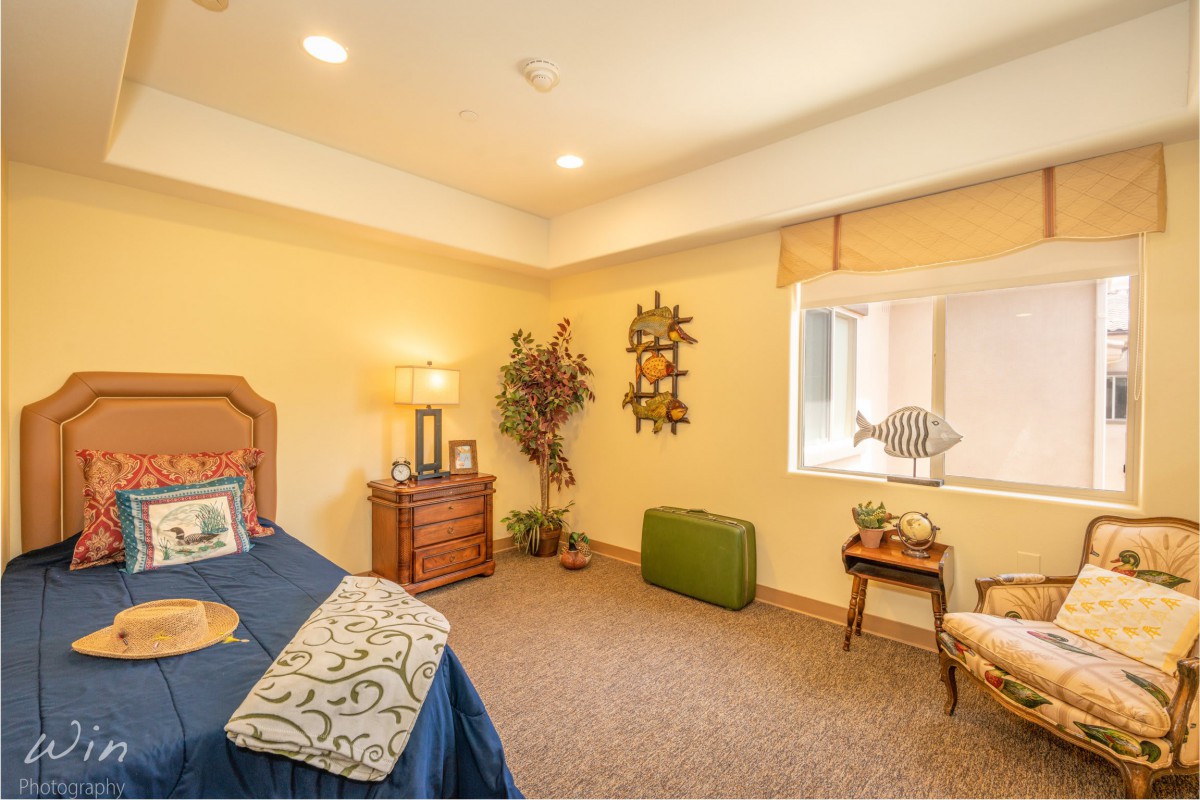
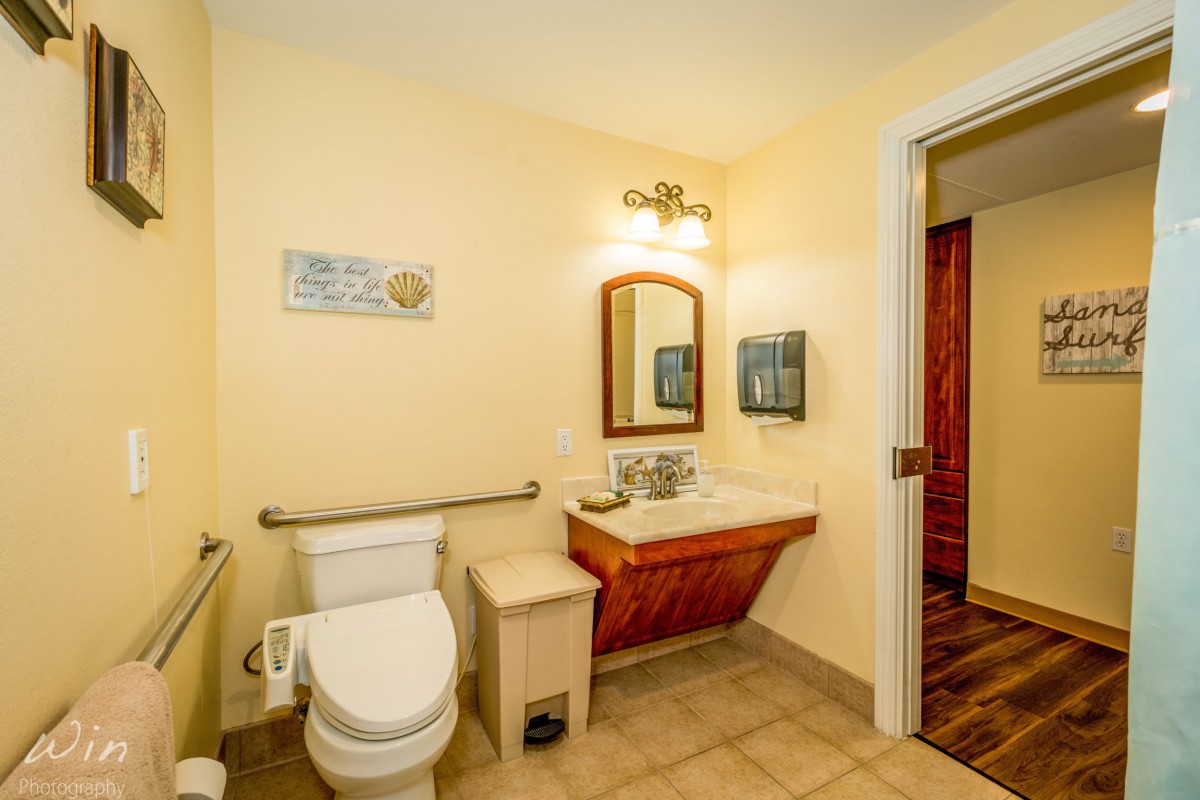
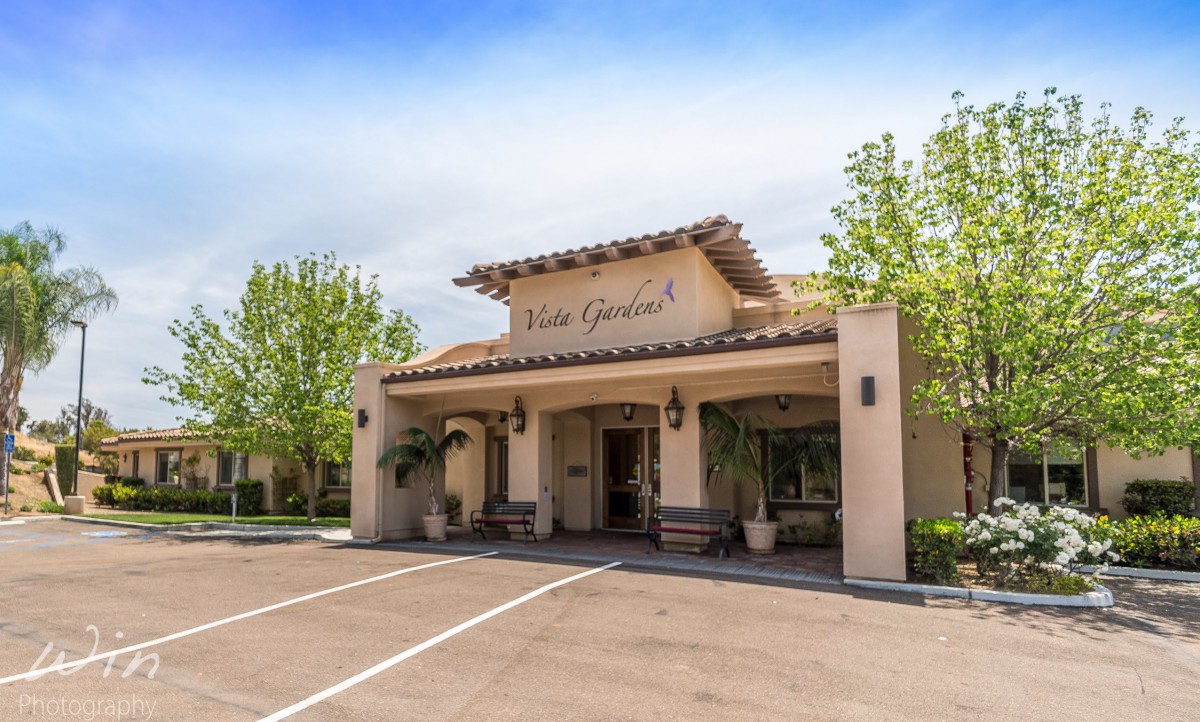
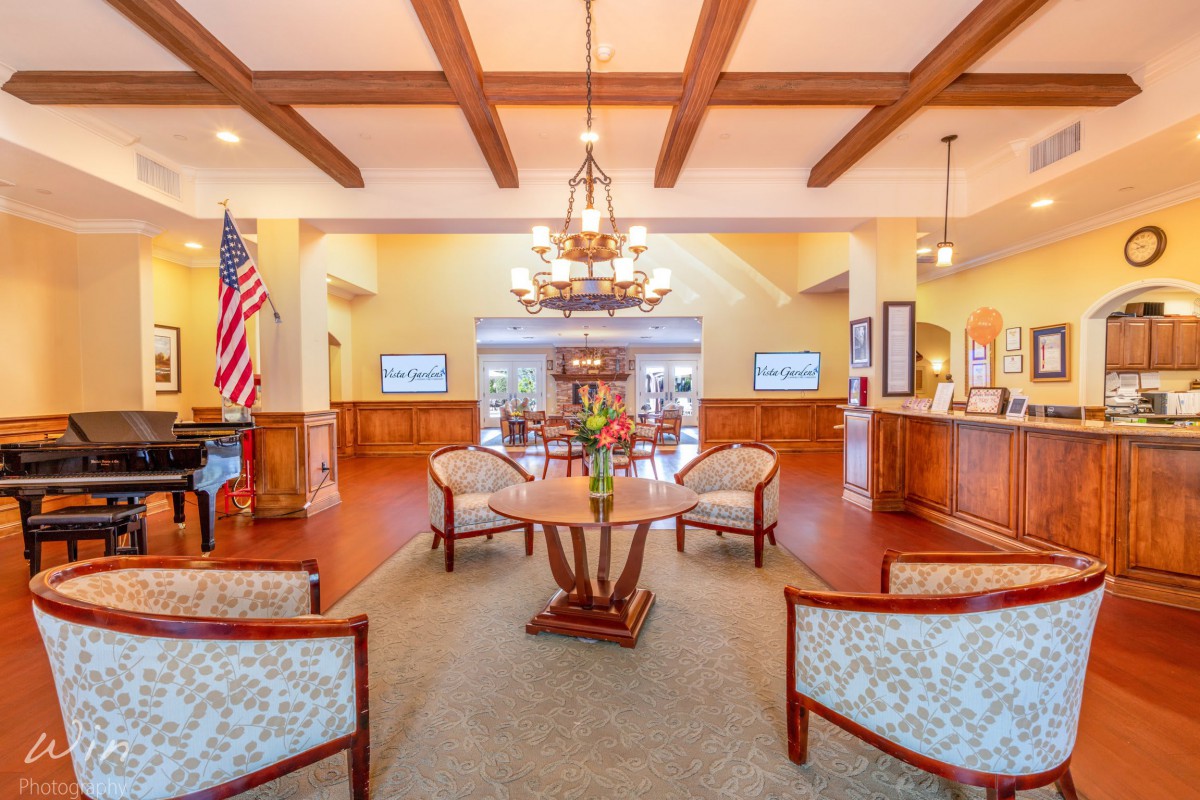
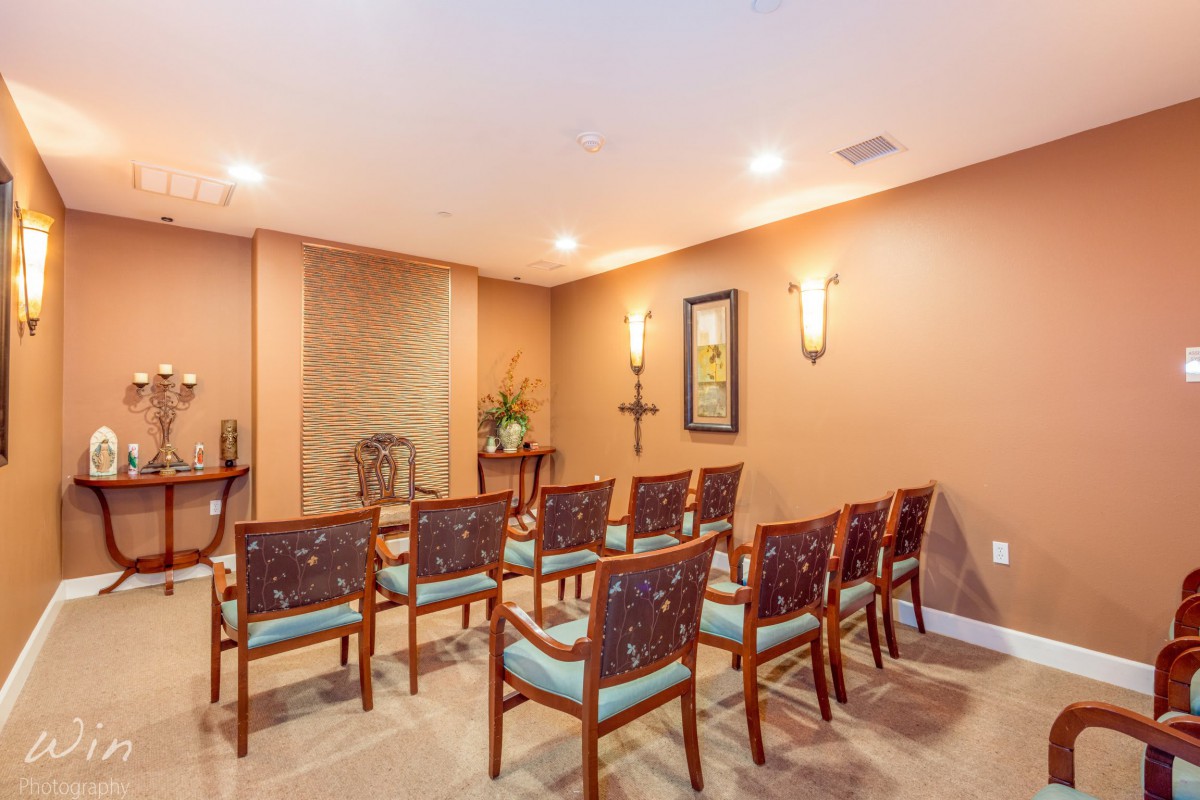
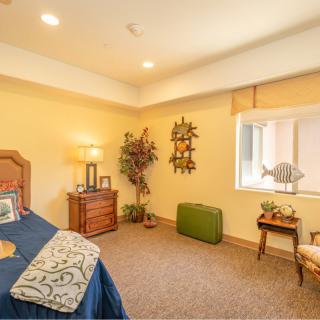
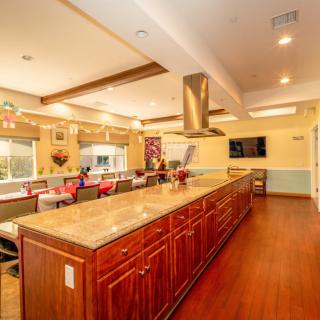
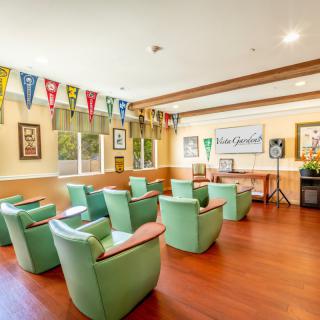
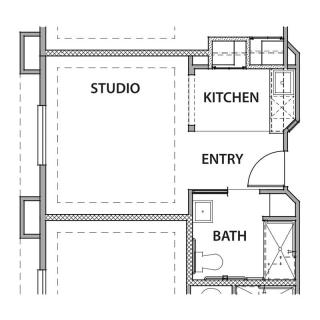
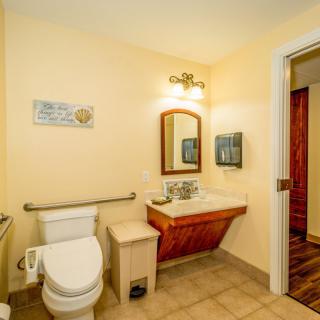
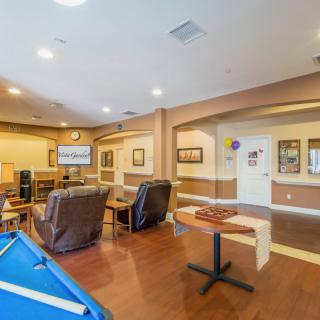
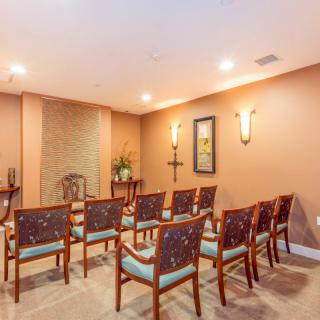
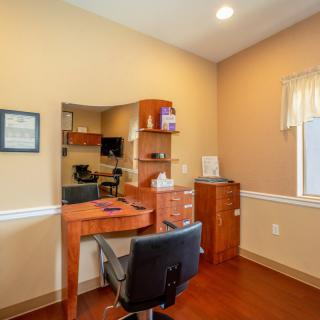
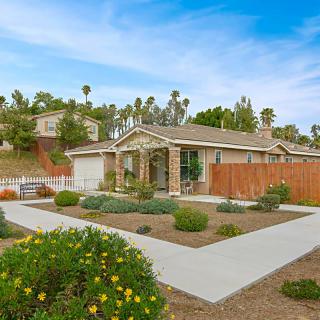
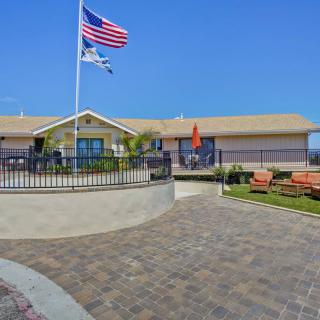
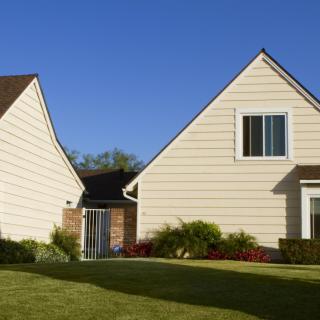
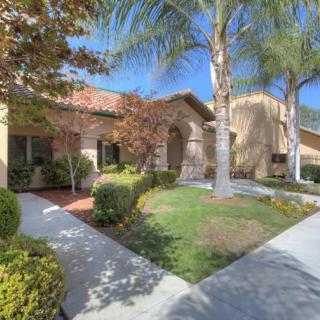
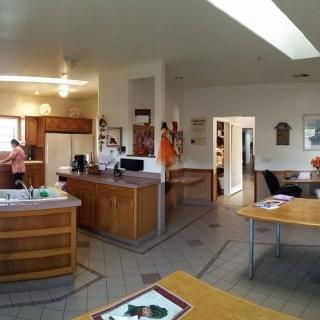
Vista Gardens on seniors.fyi includes 17 photos including images showing floor plan, interior, bathroom, bedroom, architecture, dining, television, trees, and more.
Nearby Communities
Vista Gardens
Vista, CA
4.4 from 27 reviews
Devon Place Home Care
Vista, CA
Small, personalized care with comprehensive services (ADL support, medication management, meals, and care coordination).
Hill View Cottage
Vista, CA
3 from 2 reviews
$1,800 to $2,000 / month
Accommodating director in a charming rural setting.
Kelly's Vista Villa
Vista, CA
$2,400 / month
Affordable private room with comprehensive care services.
Kings Care Assisted Living
Vista, CA
4.5 from 31 reviews
$3,500 to $4,500 / month
Immaculate, home-like setting with caring, personalized staff.
Vista Care
Vista, CA
5 from 8 reviews
$2,425 to $3,650 / month
Intimate, well-maintained facility with highly personalized care.
Ocean Hills Senior Living
Oceanside, CA
4.5 from 105 reviews
$3,400 to $6,900 / month
Beautiful, well-maintained facility with friendly staff and engaging activities that foster a strong sense of community.
Ocean Hills Country Club
Oceanside, CA
4 from 1 review
Well-maintained independent homes with a tight-knit community and abundant clubs.
Catered Living at Chateau Lake San Marcos
San Marcos, CA
4.6 from 28 reviews
$5,650 to $8,200 / month
Beautiful grounds, friendly staff, and a lively social scene with included HOA meals.
The guide outlines the complexities of Medicaid coverage for assisted living, highlighting significant state-to-state variations, limited coverage often restricted to personal care services, and the existence of specialized waivers for certain needs like memory care. It advises families to consult local Medicaid offices for options while emphasizing the importance of understanding state-specific regulations and facility policies.
Medicaid coverage for assisted living varies by state and is primarily available to low-income individuals, with eligibility dependent on strict income and asset limits. Some states offer HCBS waivers for specific services in assisted living, but families must generally cover room and board costs, and should verify facility acceptance of Medicaid while considering potential waiting lists.
Medicaid waivers for assisted living services provide vital support for seniors and individuals with disabilities in need of long-term care, with varying state-specific eligibility criteria and benefits. These waivers cover personal care and case management but often do not fully cover room and board, leading to waiting lists for many applicants.
Get PricingAsk A QuestionSchedule A TourContact Senior Advisor
By clicking submit, you agree to our Partner's Terms of Use. You
also consent to receive calls and texts, which may be autodialed, from our Partner. Your consent is not a condition to
using our Partner's service. Please visit our Partner's Privacy Policy for information about their privacy practices.










 Memory Care
 Activities off-site
 Air-conditioning
 Bath tubs
 Beautician on-site
 Cable or satellite TV
 Devotional services off-site
 Garden view
 Ground floor units
 Handicap accessible
 Indoor common areas
 Kitchenette
 Outdoor common areas
 Respite or short term stays offered
 Wheelchair accessible showers
 Wi-Fi/high-speed internet available
 MC Clellan-Palomar Airport (5 miles away)
 Diabetic care
 High acuity care
 Incontinence care
 Medication management
 Gluten-free
 Art classes
 Catholic services
 Day trips and outings
 Educational speakers / life long learning
 Jewish services
 Karaoke
 Live well programs
 Small, personalized care with comprehensive services (ADL support, medication management, meals, and care coordination).



 Understanding Medicaid Coverage for Assisted Living: A Comprehensive Guide
 How and When Medicaid May Cover Assisted Living Costs
 A Detailed Exploration of Assisted Living Medicaid Waivers Across the United States