
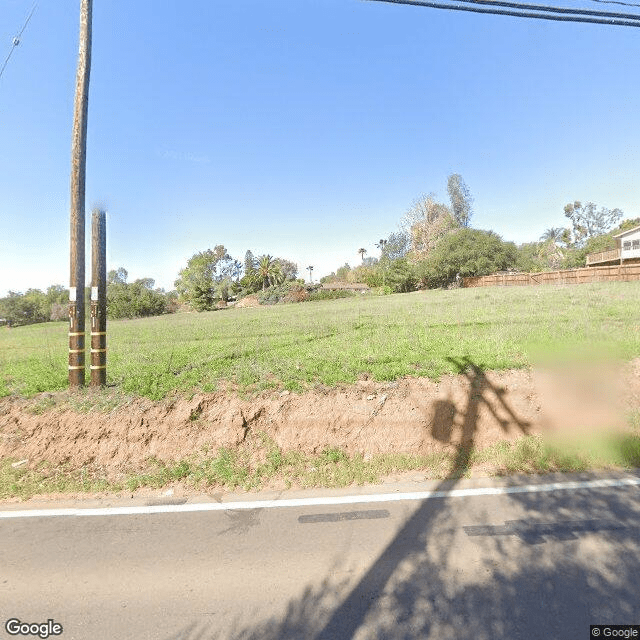
1974 Buena Creek Rd, Vista, CA 92084
To contact a resident: (760) 727-4187
For more information about senior living options: (866) 208-4318
Hill View Cottage Costs & Pricing
Hill View Cottage offers competitive pricing for its accommodations compared to both San Diego County and the broader California market. With a monthly cost of $1,800 for a semi-private room, residents can enjoy significant savings compared to the county average of $3,518 and the state average of $3,333. Similarly, for private rooms, Hill View Cottage charges $2,000 per month, which is notably lower than the consistent rate of $3,939 found in both San Diego County and across California. This makes Hill View Cottage an attractive option for those seeking quality care without the burden of excessive costs.
| Floor plans | Hill View Cottage | San Diego County | California |
|---|---|---|---|
| Semi-Private | $1,800 | $3,518 | $3,333 |
| Private | $2,000 | $3,939 | $3,939 |
Senior living communities with a similar price nearby
-
from +$200 / mo
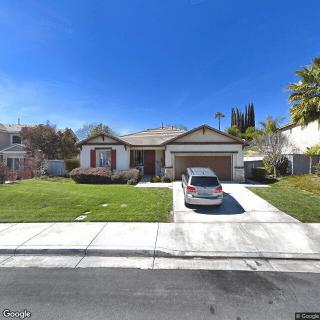
Temeku Hills Assisted Living
$2,000 to $2,800 / month25.0 miles away -
from -$200 / mo
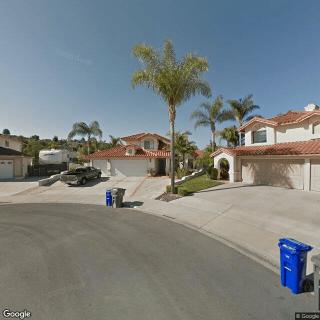
Angel's Care
$1,600 to $2,500 / month6.2 miles away -
About the same
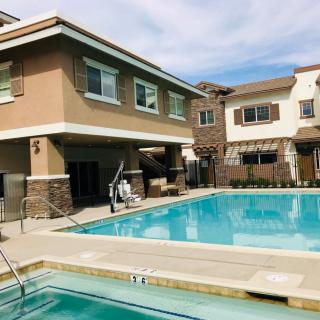
Coastal Living at San Marcos 55+ Active Living Community
$1,850 to $2,900 / month3.1 miles away -
from +$200 / mo
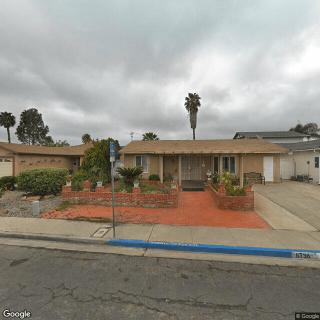
Emmaus Care I
$2,000 to $5,000 / month19.2 miles away -
from -$300 / mo
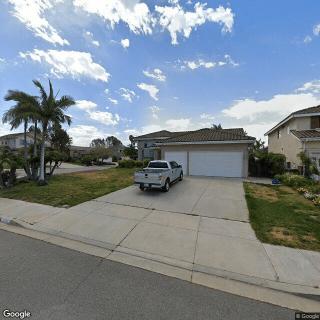
Stacis Synergy Home Care
$1,500 / month5.4 miles away
Overall Review of Hill View Cottage
Pros
 The director is very nice.
- The place is nice.
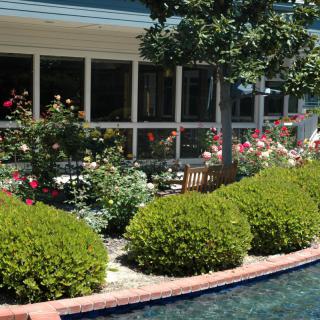
- The pool with a gate is open.
- The director is willing to work with us.
Cons
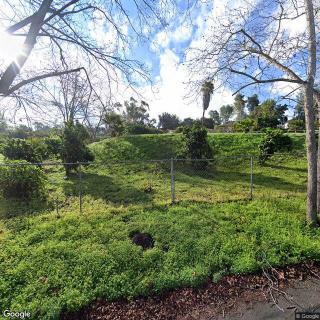
 The place is rural with a long drive and a nearby slum.
- The pool gate is left open, posing a safety concern.
- There are small threshold steps to manage, indicating accessibility issues.
Review
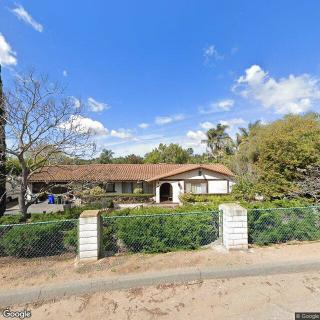
Hill View Cottage in Vista, California is best suited for families seeking a small, hands-on assisted living option where the director is approachable and genuinely engaged. This community fits an older adult who prioritizes personal attention and a calm, rural ambiance over urban convenience. The site projects a tidy, pleasant character, and the director’s warmth comes through in conversations with prospective families. Importantly, the operator shows a willingness to adapt terms and care plans to fit a family’s situation, which can soften the transition. Mobility needs are acknowledged; small threshold steps are present but can be managed with support or basic aids. It’s not a flashy campus, but it is intimate and controllable for dependable, low-key living.
On the positive side, the staff dynamic centers on a director who comes across as sincere and responsive. Two conversations with the team yielded assurances of flexibility, an asset when schedules, transportation, and medical appointments collide. The facility’s size implies there is not a sprawling calendar of activities, but for some seniors this translates into more individualized attention. The mention of a pool with a gate suggests leisure options on-site, though the safety of an open gate is a real concern that requires proactive oversight. The combination of a quiet setting and a hands-on administrator creates a scenario where practical, day-to-day living can be cleanly managed by families who value direct contact and straightforward communication.
However, several significant drawbacks temper the appeal. The location is rural, with a long drive to many amenities and family visits, which drains time and fuel, and undermines spontaneity. A nearby slum raises questions about surrounding safety, noise, and overall neighborhood quality, factors that families weighing peace of mind will want to weigh heavily. The pool’s gate being open is a potential safety gap that cannot be ignored, especially for households containing seniors with even modest mobility issues. Two reviews converge on the same practical reality: the setting feels isolated, and safety around open water may demand constant vigilance or changes to how the space is used.
Yet the positive elements do not vanish; they simply shift the risk-reward balance. The director’s willingness to work with families can partially offset distance and scheduling headaches by tailoring visits and care plans, potentially enabling more flexible transportation arrangements. The small threshold steps being manageable means a resident with light mobility limitations could navigate daily life with assistance in place. The proximity to a pool offers a meaningful recreational outlet without requiring a large campus footprint. The critical caveat remains: without a more controlled environment or urban access, the community is best for households prepared to actively supervise safety measures and to accept a degree of isolation.
For families needing stronger medical oversight, curated social programming, or assured neighborhood safety with quicker access to physicians, alternatives in more urban settings may be preferable. Communities that offer fenced, staffed pools, monitored entrances, and robust activity calendars will typically outperform Hill View Cottage on these axes. If distance to loved ones will be a persistent obstacle or if the slum-adjacent concerns translate into anxiety, exploring options closer to home or in towns with higher security and more predictable traffic could be prudent. This is a viable stopgap for those who want a small, personable operator and can tolerate the trade-offs.
Before deciding, conduct a grounded tour focused on safety, mobility support, and care flexibility. Demand specifics on pool safety measures, supervision protocols, and how thresholds are managed during peak hours. Ask to meet the director again and speak with current residents or their families about day-to-day routines and response times. Map out the drive to essential appointments, family visits, and emergency services to confirm distance realities. If the answers align with tolerance for rural pace, personal attention, and adaptable arrangements, Hill View Cottage can be a sensible, cost-conscious choice. If not, pivot to communities with greater security, proximity, and structured programming.
 Board and Care Home
 Cats allowed
 Dogs allowed
 Private
 MC Clellan-Palomar Airport (5 miles away)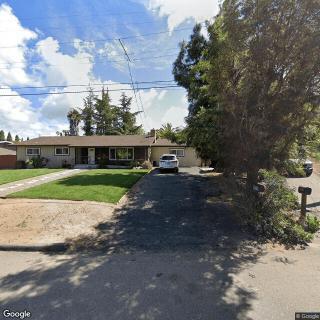


 California's Form 602A: An In-Depth Examination of Senior Care Assessment
 Comprehensive Look at Senior Blood Pressure Charts: Normal and Elevated Levels by Age
 Top Canine Companions for Older Adults