
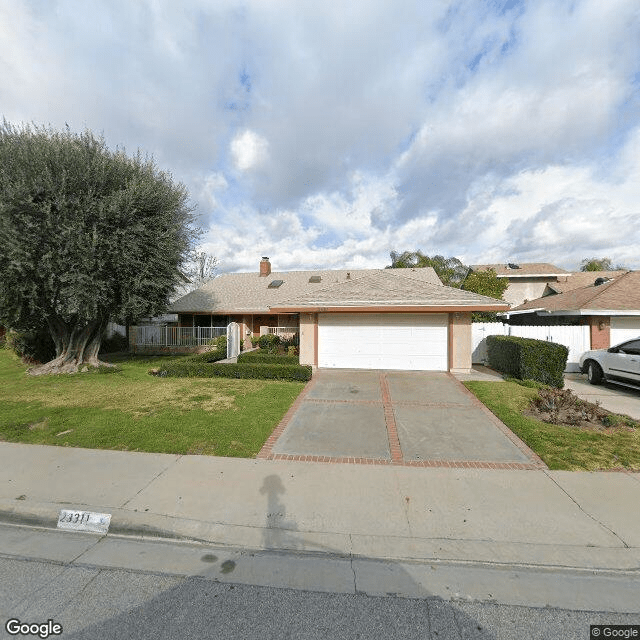
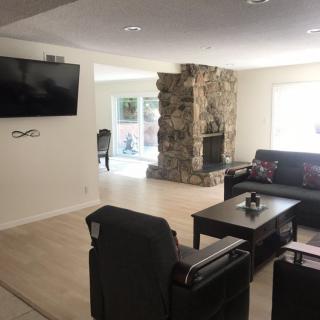
23311 Dalbey Drive, Valencia, CA 91355
To contact a resident: (818) 381-3449
For more information about senior living options: (866) 208-4318
Trudez Homecare Costs & Pricing
At Trudez Homecare, the monthly costs for our residential services reflect both the quality of care provided and the prevailing market rates. For a semi-private room, we charge $3,500, which is slightly higher than Los Angeles County's average of $3,349 and California's statewide average of $3,333. In contrast, our private rooms are priced at $4,500, surpassing both the county's figure of $4,197 and the state average of $3,939. These rates not only encompass essential care but also highlight Trudez Homecare's commitment to delivering exceptional support and a nurturing environment tailored to each resident's needs.
| Floor plans | Trudez Homecare | Los Angeles County | California |
|---|---|---|---|
| Semi-Private | $3,500 | $3,349 | $3,333 |
| Private | $4,500 | $4,197 | $3,939 |
Memory care communities with a similar price nearby
-
About the same
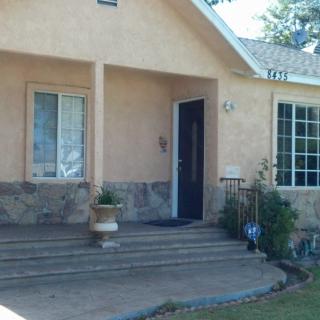
Paradise Senior Living 1
$3,500 to $4,500 / month11.2 miles away -
from +$300 / mo
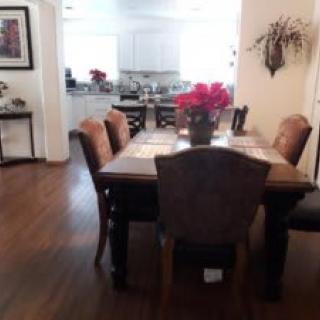
America's Care Manor
$3,800 to $4,000 / month11.4 miles away -
from +$500 / mo
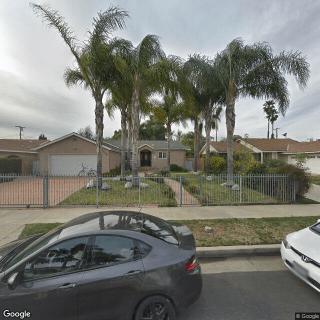
Land of Peace 6
$4,000 to $5,500 / month14.2 miles away -
About the same
Hollywood Healthy Living
$3,500 to $5,000 / month16.3 miles away -
About the same

California Senior Of Sherman Oaks
$3,500 to $4,000 / month16.4 miles away
Overall Review of Trudez Homecare
Pros
 They really do take great care of her mom.
- The facility is recommended to other families.
- The reviewer is pleased with the facility.
Cons
 The language barrier is pretty tough and some things get lost in translation.
- She is not a fan of the Filipino diet served, so her family has to bring her foods a lot.
Review
Trudez Homecare in Valencia is best suited for families that prioritize hands-on, attentive caregiving and can navigate a language gap while tolerating a culturally specific dining approach. The community earns trust through consistent personal attention and caregivers who invest time in residents, building relationships that feel steady and personal. This setting tends to appeal to families comfortable coordinating outside meals and participating in a home-like cadence of care, where staff maintain routines with warmth and a steady, familiar presence. For seniors who are open to a Filipino-influenced menu and who can communicate preferences and needs to bridge translation gaps, the care can feel reliably dependable rather than transactional.
At the same time, those who require a strictly language-concordant environment or a more varied or Western-oriented menu should consider alternatives. The language barrier is a real friction point, with some nuances getting lost in translation, and that can impede nuanced medical or daily-care instructions. The dietary profile is another clear mismatch for many families: a total Filipino diet is standard there, and residents who prefer different flavors or routines may struggle unless family members routinely supplement meals. If a resident relies on precise dietary customization or expects broad menu diversity, another community may deliver greater peace of mind.
The strongest argument in favor of Trudez rests on the care quality expressed by families who have seen their loved ones well tended and calmly supported. The staff’s attentiveness and willingness to go the extra mile can offset a number of logistical irritants, particularly when families can provide or curate outside meals to align with individual tastes. In practice, this means that even with translation hurdles and a menu that may not suit everyone, the resident can thrive if communication lines are clear and families stay actively involved. The positive impressions center on reliability, responsiveness, and a caring tone that makes daily routines feel manageable and comforting.
To make the most of what Trudez offers, prospective residents should approach with a concrete plan to bridge language and dietary gaps. Request a dedicated staff liaison or interpreter when needed, and insist on explicit, written care instructions to minimize miscommunications. Confirm how outside foods can be integrated into mealtimes without disruption, and bring familiar foods or meal components that ease the resident’s transition. It helps to outline a trial period with measurable touchpoints, communication clarity, meal satisfaction, and consistency of daily routines, so that both family and staff are aligned from day one.
Practical due diligence is essential given the mixed rating signals. The community shows a clear strength in compassionate care but a notable variability in experience, as reflected by the two-review profile and a mid-range overall rating. Families should conduct thorough visits, talk with multiple staff members, and observe day-to-day interactions at different hours to gauge whether the atmosphere matches the hoped-for level of attentiveness. Ask about language capabilities on the floor, the exact menu composition, and the process for updating dietary plans as preferences change. A candid discussion about what success looks like for the resident will illuminate whether Trudez can deliver the steady, personalized care required.
Ultimately, the decision hinges on fit: Trudez Homecare is a solid choice for families willing to work within a language gap and a culturally specific menu in exchange for reliable, attentive care. It is less suitable for those who cannot tolerate translation challenges or who demand a broad, Western-oriented culinary offering as a non-negotiable standard. If what matters most are daily demonstrations of patience, a steady caregiving presence, and a flexible approach to meals with family involvement, Trudez can be a dependable home-like option in Valencia. For others, exploring communities with multilingual staff and diversified menus will yield a clearer match to specific preferences and needs.
 Board and Care Home
 Memory Care
 Private
 Burbank-Glendale-Pasadena (17 miles away)
 Ambulatory care


 Are Dementia and Alzheimer's Disease Lethal? A Comprehensive Exploration
 Exploring the Power of Reminiscence Therapy for Individuals With Dementia
 An In-Depth Look at Reminiscence Therapy in Dementia Care