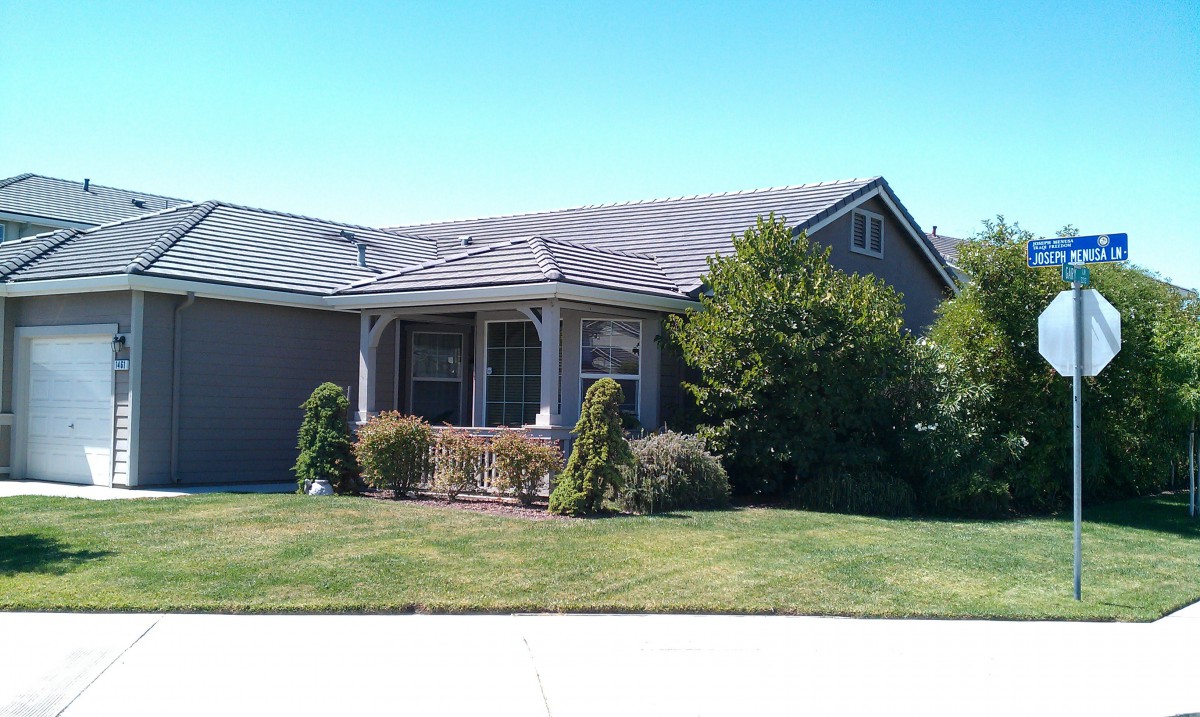

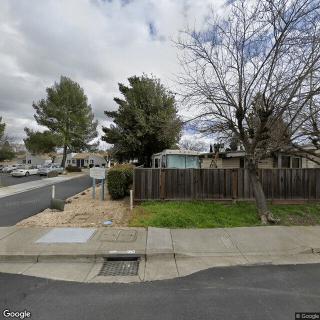
1461 Joseph Menusa Lane, Tracy, CA 95377
To contact a resident: (925) 858-6424
For more information about senior living options: (866) 208-4318
The Oasis Community Inc - Delphinium Costs & Pricing
The Oasis Community Inc - Delphinium offers competitive pricing for its residential services, with semi-private rooms available at $3,000 per month, which is notably lower than the average rate of $3,074 in San Joaquin County and significantly below the California state average of $3,333. For those seeking more privacy, the cost for private rooms is set at $3,500 per month. This rate is comparable to the local county price of $3,364 but still presents a substantial saving compared to the broader Californian average of $3,939. Overall, The Oasis Community Inc - Delphinium provides cost-effective options that cater to diverse needs while ensuring quality care within a supportive community environment.
| Floor plans | The Oasis Community Inc - Delphinium | San Joaquin County | California |
|---|---|---|---|
| Semi-Private | $3,000 | $3,074 | $3,333 |
| Private | $3,500 | $3,364 | $3,939 |
Memory care communities with a similar price nearby
-
About the same
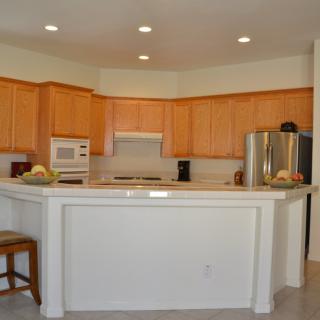
Laylor Care Home For The Elderly
$3,000 to $4,000 / month24.5 miles away -
from -$500 / mo

Stetson Court Living
$2,500 / month13.7 miles away -
from -$500 / mo
Beta Care Home
$2,500 to $4,000 / month23.0 miles away -
About the same
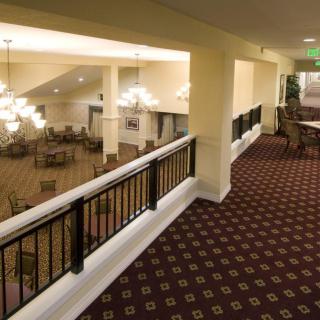
Prestige Assisted Living at Manteca
$3,000 to $4,745 / month15.2 miles away -
About the same
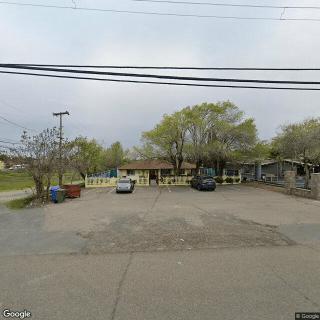
Joy Senior Center
$3,000 to $3,800 / month19.9 miles away
Overall Review of The Oasis Community Inc - Delphinium
Pros
 The mom receives the most wonderful care.
- She is 93 years old and is doing better there than in the past ten years.
- This is the very best decision for her mom.
Review
The Oasis Community Inc - Delphinium is best suited for families whose top priority is exceptional, highly personalized care for very elderly residents who need regular assistance and steady emotional support. The experiences shared point to a setting where a 93-year-old resident can thrive under attentive, hands-on supervision and a consistently warm caregiving approach. This community appears to deliver the kind of daily reassurance families crave when a loved one cannot manage independently, and when peace of mind about daily support is the decisive factor in choosing care.
Those with more intensive medical needs or specialized memory care may want to consider alternatives. The reviews offer a powerful endorsement of care quality, but they do not illuminate how the facility handles complex nursing tasks, advanced dementia programming, or the full spectrum of rehabilitative services. Families facing high-acuity conditions, frequent hospitalizations, or strict medication management requirements should verify that staff expertise, physician oversight, and care plans align with the resident’s clinical needs. Additionally, budget constraints or a desire for a broader array of on-site amenities may steer some toward other options.
The strongest pro is unmistakably the quality and consistency of caregiving. A reputation for “wonderful care” that translates into tangible improvements in a resident’s well-being, evidenced by a senior whose condition has improved markedly after years of decline, provides a compelling counterweight to common concerns about being in a smaller or less visible facility. When daily interactions feel partner-like rather than perfunctory, family members gain confidence that their loved one is not merely housed but nurtured. In practice, that depth of attention tends to reduce anxiety about safety, routine, and isolation, which are often decisive in a family’s decision.
Another persuasive factor is the experiential value of stability and emotional balance within the community. A setting that can sustain noticeable improvements in a senior’s mood and function over time signals robust staffing where caregivers know residents well and respond quickly to changing needs. For families, the payoff is not only comfort but a sense that the environment supports consistent progress, or at least meaningful maintenance, rather than sporadic care tied to rotating aides. This kind of continuity is particularly meaningful for frail elders who benefit from familiar faces, predictable routines, and a caregiving culture that prioritizes compassionate interaction.
Yet the data pool is narrow. With only two public reviews, there is limited visibility into critical dimensions such as staffing ratios, caregiver training, activities programming, nutrition quality, transportation options, and the full cost picture. The absence of reported downsides may simply reflect a small sample rather than universal satisfaction. Prospective residents should treat this as a positive signal but verify through direct conversations with administration, a tour, and outside references. The lack of detail also means potential buyers must closely examine how the Delphinium handles memory care needs, emergency response, and day-to-day autonomy supports before committing.
In closing, a practical decision framework emerges: prioritize Delphinium if the primary objective is to secure deep, empathetic, and steady daily care that visibly elevates a resident’s well-being and mood. For families where medical complexity, dementia-specific programming, or cost-containment are predominant concerns, it is wise to compare with other options that explicitly document these capabilities. The decision hinges on whether the strength of personal, attentive care aligns with the resident’s current and anticipated needs, and on whether staffing reliability, transparent programming, and financial terms can be satisfactorily demonstrated in a formal tour and written agreement.
 Board and Care Home
 Memory Care
 Activities on-site
 Bath tubs
 Indoor common areas
 Outdoor common areas
 Private
 Private bathrooms
 Respite or short term stays offered
 Wheelchair accessible showers
 High acuity care
 Incontinence care
 Medication management
 Meals provided

 An In-Depth Look at Reminiscence Therapy in Dementia Care
 Dementia-Related Hallucinations: Causes, Experiences, and Practical Approaches
 Illuminating Insights About Alzheimer's Disease: Ten Crucial Realities