
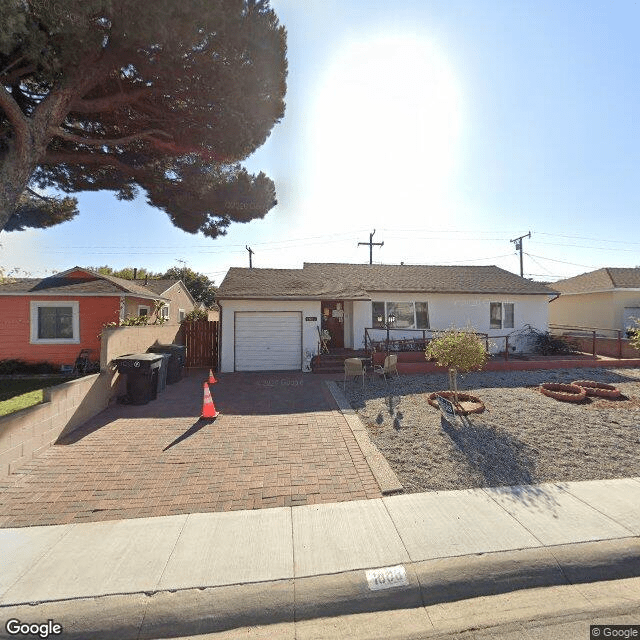
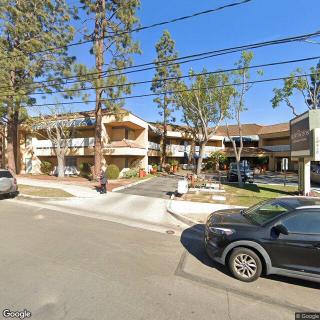
1806 Schilling Court, Torrance, CA 90501
To contact a resident: (310) 257-9046
For more information about senior living options: (866) 208-4318
Sunshine Home Care Costs & Pricing
At Sunshine Home Care, the monthly costs for accommodations reflect a commitment to quality and premium services tailored to our residents. For a semi-private room, the charge is $3,800, which is notably higher than the average rates of $3,349 in Los Angeles County and $3,333 across California. Private rooms are priced at $4,800, slightly exceeding the county's average of $4,197 and the state's figure of $3,939. Additionally, our studio accommodations also come in at $4,800 - again above both local and state averages of $4,172 and $4,145 respectively. While these rates place Sunshine Home Care on the higher end of the spectrum compared to regional counterparts, they reflect our dedication to providing exceptional care in a nurturing environment that prioritizes resident wellbeing.
| Floor plans | Sunshine Home Care | Los Angeles County | California |
|---|---|---|---|
| Semi-Private | $3,800 | $3,349 | $3,333 |
| Private | $4,800 | $4,197 | $3,939 |
| Studio | $4,800 | $4,172 | $4,145 |
Memory care communities with a similar price nearby
-
from -$300 / mo

Kind Heart Home Care VI
$3,500 to $5,000 / month1.0 miles away -
from -$300 / mo
Sunny Ridge Manor Home
$3,500 to $4,000 / month20.1 miles away -
from +$200 / mo
Royal
$4,000 to $4,800 / month24.8 miles away -
About the same
Rose Garden Villa II
$3,800 to $6,000 / month7.9 miles away -
from +$120 / mo

Sakura Gardens of Los Angeles
$3,920 to $4,535 / month16.9 miles away
Overall Review of Sunshine Home Care
Pros
 The board and care is new yet it provides the best care among Lomita's home cares.
- The staff are all nice and joyful.
- The home offers the best meals three times a day.
- Residents want to stay at this board and care forever.
- It is a total package.
- The home is very clean and the staff is wonderful.
- There is great communication with staff members.
- They keep in contact with family members by sending videos and photos of loved ones.
- The location is perfect.
- The Sunshine Home Care is highly recommended.
Cons
 They felt misled by the two sisters running the homes.
- The upbeat demeanor they projected seemed manic rather than comforting.
- They were told a week before moving in that certain tasks couldn’t be handled.
- They were told the loved one’s medication management wasn’t something they could work with.
- They would have to medicate her so that she would sleep through the night.
- They forced her into an unnecessary diaper and installed bedrails to trap her in bed at night.
- They kept everyone docile, while she liked to walk.
- There were many rules restricting visits, including not being able to come for mealtimes.
Review
Sunshine Home Care in Torrance is best suited for families seeking a clean, intimate board-and-care setting where attentive, nurse-influenced oversight and dependable daily routines anchor a comfortable senior living experience. This community shines for seniors who prioritize consistent, home-style meals, friendly staff interactions, and steady communication with families through regular photos and videos. The environment rewards social engagement and daily reliability, with a manager who brings clinical awareness to day-to-day care. It is not a place for those who require heavy medical management or highly regulated, policy-driven operations; those needs will collide with the home’s more flexible, small-team structure.
Those weighing alternatives should consider whether the primary need is rigorous medication management, crystal-clear governance, or a setting with less variability in day-to-day care. The most compelling contrasts are evident for families seeking off-site, physician-led medication protocols, predictable responses to changes in health status, and standard procedures that feel less person-dependent. Some families may prefer larger facilities with formal memory care programs, more standardized visiting rules, and a governance model that is less centered on a few individuals running the operation. For anyone worried about the two-sisters leadership dynamic or about the potential for abrupt changes in care direction, alternatives with established, multi-site corporate oversight could feel more predictable.
The strongest positives, the cleanliness, quality meals, and consistently warm, engaged staff, often offset concerns about the home’s smaller scale. Families note that residents are well cared for, fed well, and kept in a pleasant, sociable mood. The nurse-manager’s presence is repeatedly cited as a safeguard, catching problems early and guiding families through decisions before issues escalate. Communication stands out as a practice, with regular updates via email, photos, and even video glimpses into daily life, which helps families feel connected. In short, the core care experience can be highly reliable, with tangible attention to comfort and nutrition that many families value deeply.
Yet the experience is not universally seamless. A significant caution is the tension between the home’s intimate, responsive approach and the realities of medication administration governed by state rules. Instances of misalignment around medication changes reveal a real risk: orders that require coordination with a physician, sometimes with delays or back-and-forth that can affect a resident’s routine and comfort. The most troubling review describes coercive tactics, bedrails, diaper use, and sleep-medicating decisions, that run counter to a resident’s independence and preferences. Such accounts underscore the potential for a caregiver-driven direction that clashes with family expectations or a resident’s own wishes.
Social and daily-life dynamics are a double-edged sword. On one hand, residents appear to enjoy companionship, with feedback highlighting social activity, dancing, and a sense of belonging among peers. The environment supports ongoing engagement, and families appreciate the ongoing contact and visible affection between staff and residents. On the other hand, the human-centered approach can feel inconsistent when staff communication shifts or when rules around visits and mealtimes become rigid or heavy-handed. Prospective families should assess whether they want a setting where warmth and flexibility coexist with occasional deviations that affect a loved one’s autonomy.
The practical course of action is clear: conduct a thorough, pre-move-in check focused on governance and med-management processes, request a meet-and-greet with the nurse-manager, and ask for written policies on medication changes, physician coordination, and resident autonomy. Seek specific examples of current residents’ care plans and how updates are shared with families. If possible, talk with a few families who have recent experience to gauge consistency over time. Consider a trial period or clearly defined post-move expectations to verify that the care rhythm matches the loved one’s needs. Sunshine Home Care rewards careful due diligence with a strong, family-centered care approach, when med-management clarity and governance align, this setting becomes a compelling choice.
Bottom line: Sunshine Home Care delivers a practical, home-like living experience with standout cleanliness, nutrition, and nurse-led oversight that reliably reassures families seeking steady daily care and frequent family updates. It is unlikely to satisfy those who require aggressive, physician-directed medication management, ironclad regulatory routines, or a governance structure with broad, formal oversight across multiple facilities. For seniors who thrive in a warm, social, and well-nourished environment and whose care needs sit within the facility’s capacity to manage with vigilant, proactive staff, Sunshine Home Care is a strong contender. For others with complex medical regimens or a strong preference for rigid policy controls, exploring larger, more formally governed options may be the prudent path.
 Board and Care Home
 Memory Care
 Private
 Private bathrooms
 Long Beach (Daugherty) (9 miles away)
 Ambulatory care
 Diabetic care
 High acuity care
 Delving into the Inner World of Dementia: Insights into Thoughts and Awareness
 Five Subtle Dementia Indicators to Observe: An In-Depth Guide to Understanding “Does My Mom Have Dementia?”
 Dementia, Paranoia, and Caregiver Guidance: Understanding the Connection