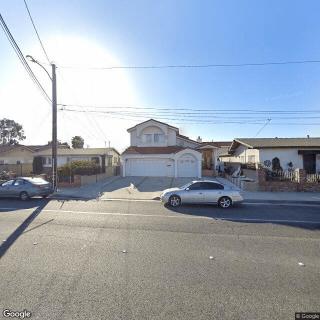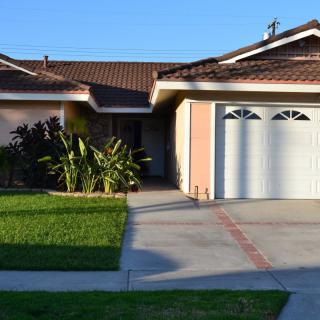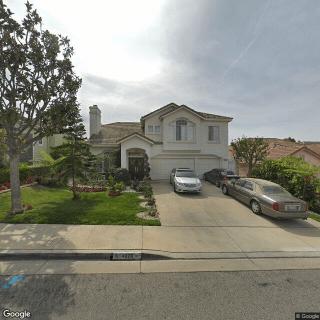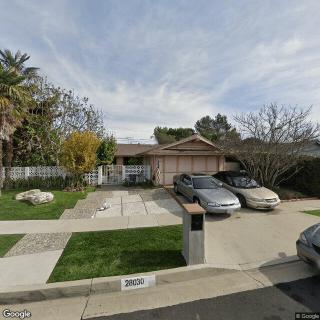
Michael's Manor

Save
Michael's Manor

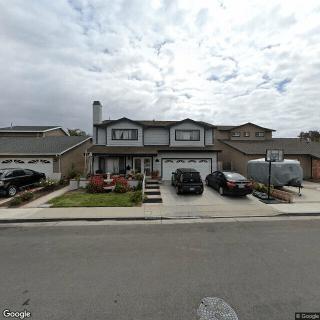
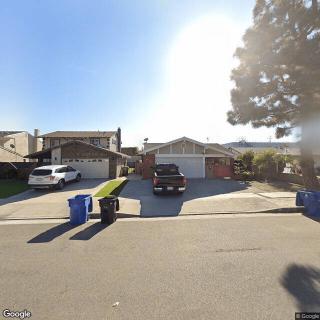
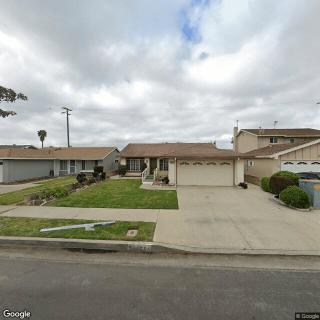
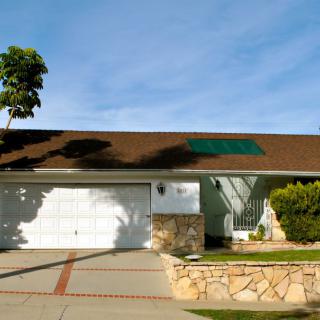
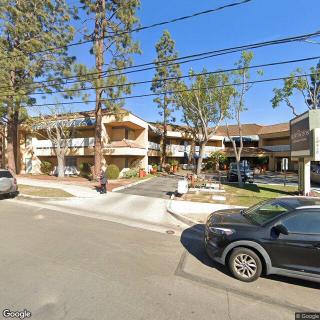
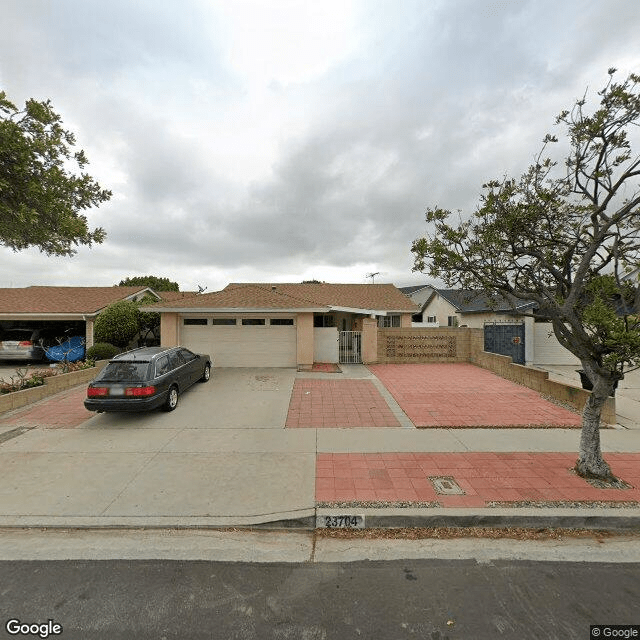
Michael's Manor in Harbor City, CA

23704 Hynford Place, Harbor City, CA 90710

For more information about senior living options: (844) 490-3973

2.3 from 3 reviews
5 stars
1
4 stars
0
3 stars
0
2 stars
0
1 stars
2

Assisted Living Board and Care Home

Michael's Manor Costs & Pricing

Michael's Manor offers competitive pricing for its accommodations compared to the broader market in Los Angeles County and the state of California. For semi-private rooms, residents can expect a monthly cost of $2,500, significantly lower than the county average of $3,349 and the state average of $3,333. Similarly, private rooms at Michael's Manor are priced at $3,500, which is more affordable than both the county rate of $4,197 and the state average of $3,939. This pricing structure not only highlights Michael's Manor as an economical choice but also underscores its commitment to providing quality care without compromising on comfort or accessibility.

Floor plansMichael's ManorLos Angeles CountyCalifornia
Semi-Private$2,500$3,349$3,333
Private$3,500$4,197$3,939

Overall Review of Michael's Manor

Pros

  • pro The care is exceptional and the caregivers are respectful; they treat residents like family.
  • pro The care provided is described as the best.
  • pro Families are highly satisfied, with loved ones living there for many years.

Cons

  • pro The caregivers' hearts don't seem to be in it.

Review

Michael's Manor in Harbor City, CA is best suited for families that prize a homey, small-community feel where caregiving relationships can become deeply personal and long-standing. The most telling signal is the account of a family whose loved ones have lived there for more than eight years, describing care as exceptional and the caregivers as respectful and family-like. That kind of continuity can translate into a calm, predictable daily rhythm, with staff who truly know the resident's routines, preferences, and medical history. But the overall picture from the other reviews is far more mixed, so this community will not be a fit for every situation. The decision hinges on whether the desire for intimate, long-term relationships with caregivers outweighs concerns about staff enthusiasm and consistency.

On the positive side, the standout strength is the depth of personal attention when it hits the mark. When the caregivers come across as genuinely caring and treat residents like family, the resident experience can feel safer, warmer, and more respectful. Long-tenured staff can reduce the friction that often accompanies transitions between caregivers, which is comforting for families who fear turnover or miscommunication. This is exactly the kind of environment that helps a resident settle into daily routines and maintain a sense of dignity and familiarity. In short, for families prioritizing stable, individualized care over flashy programming, Michael's Manor can deliver a quietly powerful, home-like advantage.

Yet the voices expressing concern cannot be dismissed. Two reviewers suggest the caregiving hearts may not always be in it, signaling possible gaps in engagement, energy, or morale across shifts. When staff morale dips, the risk factors rise: slower response times, less proactive social interaction, and uneven quality day to day. Staffing mood often bleeds into the resident experience, especially in smaller facilities where team cohesion matters and turnover can reshuffle relationships quickly. These warnings imply a real potential for inconsistency, which can undermine the comfort of a stable routine and make it harder to rely on predictable, attentive care every day.

The key question is whether the positives can offset the negatives in the eyes of each family. For those who value close, resident-centered care and can tolerate some variability in staffing energy, Michael's Manor offers a compelling, intimate proposition. The same strengths that enable eight-year stability can also shield a resident from some of the stress that comes with larger, more impersonal communities. However, families that require consistently energetic engagement, robust daily programming, and highly proactive communication across all shifts may find the negatives too limiting. The risk of uneven engagement becomes a practical concern when daily needs include prompt assistance, social stimulation, and visible enthusiasm from the caregiving team.

Prospective residents should enter with a clear checklist and a plan for due diligence. Tour at different times to observe how caregivers interact with residents during mornings, meals, and activities. Request conversations with current residents and family members about responsiveness and mood consistency across shifts. Inquire about staff turnover, training, and how care plans are updated as needs evolve. Review the activity calendar and meal experiences to gauge whether social programming matches the resident's preferences. Look for transparent answers about staffing ratios, night coverage, and how emergencies are managed. These steps help separate genuine warmth from impressionistic impressions.

Bottom line: Michael's Manor represents a higher-stakes, higher-reward option. It rewards families who place a premium on intimate, relationship-driven care and who can live with some day-to-day variance in staff energy. It is less suitable for those who demand consistently high-energy engagement, structured programming, and relentlessly steady morale across all shifts. If the tour, conversations with current residents, and a candid assessment of staff engagement align, this may be the right home for a loved one who thrives on familiarity and personal attention. If not, steering toward communities with demonstrated, sustained staffing enthusiasm and broader, more consistent programming will likely serve better.

Features

Housing

  • 6 resident community capacity 6 resident community capacity

Types of Care

  • Assisted Living Assisted LivingAssisted living facilities provide crucial support and care for seniors who may need help with daily tasks such as medication management, bathing, and meal preparation. These communities offer a safe and comfortable environment where seniors can maintain their independence while receiving the assistance they need to thrive in their golden years.
  • Board and Care Home Board and Care HomeBoard and care homes provide a smaller, more intimate setting for seniors who require assistance with daily tasks but do not need the level of care offered by a nursing home. They offer personalized care, meals, and social activities in a homelike environment, ensuring that seniors receive individualized attention and support in their golden years.

Amenities

  • Activities off-site Activities off-siteEngaging in off-site activities is crucial for seniors to maintain social connections, stay active, and stimulate their minds. It promotes overall well-being and helps combat feelings of isolation and loneliness.
  • Activities on-site Activities on-siteActivities on-site are important for seniors because they provide opportunities for socialization, mental stimulation, physical activity, and overall well-being. Engaging in activities can help seniors stay active, maintain their independence, and improve their quality of life.
  • Bath tubs Bath tubsBath tubs are important for seniors because they provide a safe and relaxing way to bathe, helping to prevent slips and falls while promoting independence and overall well-being.
  • Cable or satellite TV Cable or satellite TVCable or satellite TV is important for seniors because it provides entertainment, news, and companionship, helping to combat loneliness and boredom. It also offers a wide range of programming options tailored to different interests and preferences.
  • Devotional services off-site Devotional services off-siteDevotional services off-site are important for seniors as they provide spiritual nourishment, social engagement, and a sense of community outside of the senior living facility. This can enhance overall well-being and help combat feelings of isolation and loneliness often experienced by older adults.
  • Dining room Dining roomDining rooms are important for seniors as they provide a space for socialization, connection, and nutritious meals. They offer opportunities for residents to bond over shared meals, foster a sense of community, and promote healthy eating habits. Dining rooms also ensure that seniors have access to well-balanced meals tailored to their dietary needs and preferences.
  • Fully furnished Fully furnishedFully furnished senior living communities are important for seniors because they provide convenience, comfort, and a hassle-free moving experience. Seniors can easily settle into their new living space without the stress of having to buy and move furniture. This allows them to focus on enjoying their new home and community.
  • Garden GardenGardens are important for seniors as they provide a peaceful and therapeutic environment for relaxation, physical activity, and socialization. Being in nature has been shown to reduce stress, improve mood, and promote overall well-being. Gardens also offer opportunities for seniors to engage in gardening activities, which can improve mobility, flexibility, and cognitive function. Additionally, gardens create a sense of community and connection with others who share a passion for plants and outdoor spaces.
  • Housekeeping services Housekeeping servicesHousekeeping services are important for seniors because they help maintain a clean and safe living environment, promote independence, and reduce the risk of accidents or illnesses. Additionally, having assistance with household chores can alleviate physical strain and allow seniors to focus on other aspects of their well-being.
  • Indoor common areas Indoor common areasIndoor common areas are crucial for seniors as they provide a space for socialization, recreation, and community engagement, promoting overall well-being and reducing feelings of isolation and loneliness.
  • Move-in coordination Move-in coordinationMove-in coordination is important for seniors because it helps ease the transition into their new living environment. It ensures that all logistics, such as packing, organizing movers, and setting up utilities are taken care of, allowing seniors to focus on settling in and adjusting to their new home. Having a smooth move-in process can alleviate stress and anxiety, making the transition smoother and more enjoyable for seniors.
  • Outdoor common areas Outdoor common areasOutdoor common areas are important for seniors as they provide a space for socialization, physical activity, and relaxation. Being outside in nature can improve mood and overall well-being, while also encouraging movement and engagement with others. These spaces can help combat feelings of isolation and promote a sense of community among residents.
  • Outdoor space Outdoor spaceOutdoor spaces are important for seniors as they provide opportunities for physical activity, social interaction, exposure to natural light and fresh air, and a sense of connection to nature. Having access to outdoor spaces can improve overall well-being and quality of life for older adults living in senior communities.
  • Private PrivatePrivacy is important for seniors as it allows them to maintain their independence, dignity, and sense of control over their own lives. It also gives them the space and freedom to relax, reflect, and engage in activities that bring them joy and fulfillment. Creating private spaces within senior living facilities is crucial for promoting overall well-being and quality of life.
  • Private bathrooms Private bathroomsPrivate bathrooms are important for seniors in senior living communities because they provide independence, dignity, and comfort. Having a private bathroom allows seniors to maintain their personal hygiene routines without the need for assistance, promoting a sense of autonomy and privacy. Additionally, private bathrooms help prevent the spread of infections and provide a safe and clean environment for seniors to navigate safely.
  • Respite or short term stays offered Respite or short term stays offeredRespite or short term stays provide seniors with a temporary solution when their regular caregiver is unavailable, offering them the opportunity to receive additional care and support during times of need, while also giving caregivers a chance to rest and recharge.
  • Telephone TelephoneTelephones are important for seniors as they provide a lifeline for communication with loved ones, emergency services, and healthcare providers. They offer a sense of security and independence, enabling seniors to stay connected and access assistance when needed.
  • Wheelchair accessible showers Wheelchair accessible showersWheelchair accessible showers are crucial for seniors as they provide a safe and independent bathing option for those with mobility challenges. These showers help prevent falls and allow seniors to maintain their dignity and autonomy while ensuring they can bathe comfortably.
  • Wi-Fi/high-speed internet available Wi-Fi/high-speed internet availableWi-Fi/high-speed internet is important for seniors to stay connected with loved ones, access online resources, and participate in virtual activities to combat feelings of loneliness and isolation. It also allows them to easily manage healthcare needs, access entertainment, and engage in lifelong learning opportunities.

Transportation

  • Long Beach (Daugherty) (9 miles away) Long Beach (Daugherty) (9 miles away)
  • Los Angeles International (11 miles away) Los Angeles International (11 miles away)

Care Services

  • 24-hour supervision 24-hour supervision24-hour supervision is important for seniors to ensure their safety, well-being, and access to immediate assistance in case of emergencies or health issues. This constant support provides peace of mind for both seniors and their loved ones, allowing them to age in place with dignity and security.
  • Activities of daily living assistance Activities of daily living assistanceActivities of daily living assistance are important for seniors because they provide essential support with tasks such as eating, bathing, dressing, and mobility. This assistance helps seniors maintain their independence, dignity, and overall quality of life as they age.
  • Assistance with bathing Assistance with bathingAssistance with bathing is crucial for seniors as it helps maintain personal hygiene, prevents infections, and ensures their overall well-being and comfort. It also provides a sense of dignity and independence for seniors who may struggle with this task on their own.
  • Assistance with dressing Assistance with dressingAssistance with dressing is important for seniors because it helps maintain their independence, promotes personal hygiene, prevents accidents and injuries, and improves overall quality of life. This service ensures that seniors can continue to dress comfortably and confidently, despite any physical limitations they may have.
  • Assistance with transfers Assistance with transfersAssistance with transfers is crucial for seniors as it helps prevent falls and injuries, maintains their independence, and ensures they can safely navigate their living environment. It also provides peace of mind for both seniors and their loved ones.
  • Coordination with health care providers Coordination with health care providersCoordination with health care providers is crucial for seniors to ensure proper medical care, medication management, and overall well-being. This collaboration helps prevent overlapping treatments, track progress more effectively, and provide comprehensive support tailored to individual needs.
  • Diabetes diet Diabetes dietA diabetes diet is crucial for seniors as it helps manage blood sugar levels, reduce risks of complications, and improve overall health and well-being. By following a balanced and nutritious diet tailored to their specific needs, seniors can better control their diabetes and enhance their quality of life.
  • High acuity care High acuity careHigh acuity care is important for seniors because it provides specialized medical attention and support for individuals with complex medical needs. This level of care ensures that seniors receive the appropriate treatment and assistance to maintain their health and quality of life as they age.
  • Incontinence care Incontinence careIncontinence care is essential for seniors to maintain their dignity, hygiene, and overall quality of life. By addressing incontinence issues promptly and effectively, seniors can enjoy a sense of independence and comfort in their daily activities.
  • Meal preparation and service Meal preparation and serviceMeal preparation and service are crucial for seniors as they may have limited mobility or energy to cook nutritious meals. Having access to healthy and convenient food options can ensure they are getting the proper nutrition needed to maintain their overall health and well-being.
  • Medication management Medication managementMedication management is crucial for seniors to ensure they are taking the right medications at the correct dosages and times. This helps prevent adverse drug interactions, reduces the risk of medication errors, and promotes overall health and well-being. Proactive management also allows for adjustments as needed based on changing health conditions or new prescriptions.
  • Special dietary restrictions Special dietary restrictionsSpecial dietary restrictions are important for seniors because age-related changes in metabolism and health conditions can make it difficult for their bodies to process certain foods. By following a diet tailored to their specific needs, seniors can maintain their overall health and well-being, manage chronic conditions, and reduce the risk of complications such as malnutrition or food interactions with medications.
  • Transportation arrangement (medical) Transportation arrangement (medical)Transportation arrangements for medical purposes are essential for seniors as they may have difficulty driving themselves to appointments or accessing public transportation. Having reliable and safe transportation options ensures that seniors can receive timely medical care and maintain their health and well-being.
  • Transportation to doctors appointments Transportation to doctors appointmentsTransportation to doctors' appointments is crucial for seniors as it ensures they have access to necessary medical care and support for their health needs. Without reliable transportation, seniors may struggle to attend important appointments, leading to potential delays in treatment and health complications. Providing transportation services helps seniors maintain their overall well-being and quality of life.

Dining

  • Diabetes diet Diabetes dietA diabetes diet is crucial for seniors as it helps manage blood sugar levels, reduce risks of complications, and improve overall health and well-being. By following a balanced and nutritious diet tailored to their specific needs, seniors can better control their diabetes and enhance their quality of life.
  • Meals provided Meals provided"Meals provided" are crucial for seniors in assisted living communities as it ensures they have access to nutritious, balanced meals without the stress of meal planning and preparation. This can help promote overall health and well-being for seniors who may have limited mobility or cognitive abilities.
  • Special dietary restrictions Special dietary restrictionsSpecial dietary restrictions are important for seniors because age-related changes in metabolism and health conditions can make it difficult for their bodies to process certain foods. By following a diet tailored to their specific needs, seniors can maintain their overall health and well-being, manage chronic conditions, and reduce the risk of complications such as malnutrition or food interactions with medications.
  • Vegetarian VegetarianA vegetarian diet is important for seniors because it can help lower the risk of chronic diseases, maintain a healthy weight, and provide essential nutrients needed for aging bodies. Additionally, plant-based diets are often easier on digestive systems and can contribute to overall well-being in older adults.

Activities

  • Activities off-site Activities off-siteEngaging in off-site activities is crucial for seniors to maintain social connections, stay active, and stimulate their minds. It promotes overall well-being and helps combat feelings of isolation and loneliness.
  • Activities on-site Activities on-siteActivities on-site are important for seniors because they provide opportunities for socialization, mental stimulation, physical activity, and overall well-being. Engaging in activities can help seniors stay active, maintain their independence, and improve their quality of life.
  • Community-sponsored activities Community-sponsored activitiesCommunity-sponsored activities are important for seniors as they provide opportunities for social interaction, mental stimulation, and physical activity. These activities can help improve overall well-being, combat loneliness and isolation, and promote a sense of belonging and purpose among older adults.
  • Devotional activities offsite Devotional activities offsiteDevotional activities offsite are important for seniors because they provide social engagement, spiritual growth, and a sense of community outside of their living environment. This can improve overall well-being, mental health, and combat feelings of isolation or loneliness.
  • Scheduled daily activities Scheduled daily activitiesScheduled daily activities are important for seniors because they provide structure, socialization, mental stimulation, and physical activity. Engaging in regular activities can improve overall well-being and quality of life for seniors living in a community setting.

Description

Michael's Manor - Assisted Living Community in Harbor City, CA

Welcome to Michael's Manor, a premier board and care home situated in the heart of Harbor City, California. Our community is designed for seniors who seek a nurturing and supportive environment while maintaining their independence. At Michael's Manor, we prioritize the well-being and comfort of our residents through a comprehensive range of services and amenities tailored to meet their individual needs.

Types of Care: We offer personalized assistance with activities of daily living, including bathing, dressing, transfers, and medication management. Our dedicated staff coordinates closely with health care providers to ensure each resident receives the highest level of care. We also provide respite or short-term stays for families needing temporary support.

Amenities: Our thoughtfully designed community features indoor and outdoor common areas where residents can socialize or relax. Each fully furnished room includes private bathrooms for added comfort, while spacious outdoor spaces provide a serene setting for leisure activities. Enjoy various amenities such as cable or satellite TV access, Wi-Fi/high-speed internet connectivity, and housekeeping services that allow residents to focus on what matters most, enjoying life!

Dining at Michael’s Manor is an experience in itself. We cater to special dietary restrictions and offer nutritious meals prepared with care; vegetarian options are available to accommodate different preferences.

Activities: Residents can engage in a variety of on-site activities that promote social interaction and well-being. From community-sponsored events to devotional activities off-site, there is always something happening at Michael's Manor. Our scheduled daily activities are designed to stimulate both mind and body.

Location: Conveniently located near essential services, our community is surrounded by numerous cafes (2), parks (4), pharmacies (19), physicians (4), restaurants (7), places of worship (1), and theaters (2). This prime location allows residents easy access to local amenities while enjoying the tranquility of our beautiful community.

At Michael’s Manor, we strive to create an inviting atmosphere where residents feel at home while receiving outstanding care from our compassionate team. Come visit us today and discover why so many choose Michael’s Manor as their preferred assisted living community in Harbor City!

Nearby Places of Interest

Harbor City, California, is a well-rounded community with plenty of amenities for senior living. The area offers a variety of parks such as Sur La Brea Park and Charles H. Wilson Park for outdoor activities and relaxation. There are also several pharmacies nearby including CVS Pharmacy and Walgreens for easy access to medical supplies. In terms of dining options, residents can enjoy a mix of fast-food chains like In-N-Out Burger and more upscale options like Lazy Dog Restaurant & Bar. For healthcare needs, there are reputable physicians at Harbor UCLA Medical Center and Kaiser Permanente. Additionally, transportation options are easily accessible with the Metro Rail stations and Long Beach Airport in close proximity. Places of worship like Peninsula Community Church cater to spiritual needs, while theaters like AMC Rolling Hills 2 provide entertainment options. Overall, Harbor City offers a convenient and comfortable environment for seniors looking to settle down in Southern California.

Parks

  • Sur La Brea Park (0.4 miles)
  • Charles H. Wilson Park (1.5 miles)
  • De Portola Park (2.4 miles)
  • Sunnyglen Park (4.8 miles)
  • Noble Park (6.6 miles)
  • Polliwog Park (7 miles)
  • Shoreline Aquatic Park (7.3 miles)

Pharmacies

  • CVS Pharmacy (0.5 miles)
  • Walgreens (0.5 miles)
  • Rite Aid (1.1 miles)
  • CVS Pharmacy (1.5 miles)
  • CVS Pharmacy (2.1 miles)
  • Walgreens (2.1 miles)
  • CVS Pharmacy (2.2 miles)

Restaurants

  • In-N-Out Burger (1.4 miles)
  • Tendon Tempura Carlos Junior Restaurant (1.6 miles)
  • King's Hawaiian Bakery (1.9 miles)
  • Monkish Brewing (2.5 miles)
  • Lazy Dog Restaurant & Bar (2.8 miles)
  • In-N-Out Burger (3.8 miles)
  • McDonald's (4 miles)

Physicians

  • Harbor Ucla Medical Center - David Durkovich Do (1.5 miles)
  • Monica B Espiritu M.D. | Kaiser Permanente (1.6 miles)
  • Lighthouse Pediatrics (3.2 miles)
  • Paulson Theresa A Palos Verdes Dermatology Rolling Hills Estates (4.6 miles)
  • UCLA Health Manhattan Beach Pediatrics (7.3 miles)

Theaters

  • AMC Rolling Hills 2 (1.8 miles)
  • AMC Del Amo 18 (2.9 miles)
  • AMC DINE-IN South Bay Galleria 16 (5.1 miles)

Cafes

  • Sidecar Doughnuts & Coffee (2 miles)
  • Lees Sandwiches - Gard (4.3 miles)
  • Donut King 2 (5.8 miles)
  • Starbucks (6.1 miles)
  • Starbucks (7.2 miles)
  • Corner Bakery Cafe (7.9 miles)
  • Starbucks (8.3 miles)

Places of Worship

  • Peninsula Community Church (4.9 miles)
  • St Catherine Laboure Church (5.1 miles)

Transportation

  • Metro - Willow Street Station (6.7 miles)
  • Komar Aviation Group (8.5 miles)
  • Port Of Long Beach (8.5 miles)
  • Metro Rail - Hawthorne/Lennox (8.9 miles)
  • Aviation/LAX Metro Station (9.2 miles)
  • Long Beach Airport (LGB) (9.3 miles)

Hospitals

  • Martin Luther King Jr / Drew Medical Center (8.7 miles)

Frequently Asked Questions

How much does it cost to live at Michael's Manor in Harbor City, CA?
Where is Michael's Manor?

Nearby Communities

  • Best Place Home Care

    Best Place Home Care

    Harbor City, CA


    pro Welcoming, fully furnished board-and-care with 24/7 supervision, meals, housekeeping, and planned activities.

  • Sweet Life Senior Care

    Sweet Life Senior Care

    Harbor City, CA


    pro Small, personal community with 24/7 supervision and tailored activities.

  • Maple Residential Care Home IV

    Maple Residential Care Home IV

    Harbor City, CA

     
    $2,500 to $3,000 / month

    pro Specialized memory care with 24/7 staff in a serene setting; competitive pricing compared to LA County and state averages.

  • Great Place Home Care

    Great Place Home Care

    Harbor City, CA


    pro Home-like board-and-care with 24/7 supervision and comprehensive daily living support (meals, housekeeping, activities, and healthcare coordination).

  • Oakhorne Manor

    Oakhorne Manor

    Harbor City, CA


    pro Small, intimate setting with personalized care, independent living options, and comprehensive services (24-hour supervision, meal prep, health coordination, transportation).

  • Halldale Manor

    Halldale Manor

    Harbor City, CA


    pro 24/7 staff, engaging activities, and diabetes-friendly dining.

  • Royalwood Care Center

    Royalwood Care Center

    Torrance, CA

    4.3 from 40 reviews
     

    pro Comprehensive skilled nursing with 24-hour supervision and diverse amenities.

  • Senior Manor Care

    Senior Manor Care

    Rancho Palos Verdes, CA

    4.4 from 21 reviews
    $3,000 to $4,500 / month

    pro Compassionate staff, private furnished rooms with en-suite baths, on-site activities, and diet-accommodating dining.

  • Huntington Retirement Hotel

    Huntington Retirement Hotel

    Torrance, CA

    4 from 39 reviews
    $2,500 to $4,300 / month

    pro Caring staff, clean and updated rooms, engaging activities, and strong family involvement.

Related Resources

  • assisted living costUnderstanding the True Cost of Assisted Living in 2025: A Comprehensive Guide

    Assisted living in 2025 offers a crucial balance of independence and support for seniors, with costs varying from $2,500 to over $7,000 per month based on factors such as location and care level. Understanding pricing complexities, including regional differences and potential hidden fees, is essential for families to plan financially while ensuring quality care for their loved ones.

  • does medicaid pay for assisted livingUnderstanding Medicaid Coverage for Assisted Living: A Comprehensive Guide

    The guide outlines the complexities of Medicaid coverage for assisted living, highlighting significant state-to-state variations, limited coverage often restricted to personal care services, and the existence of specialized waivers for certain needs like memory care. It advises families to consult local Medicaid offices for options while emphasizing the importance of understanding state-specific regulations and facility policies.

  • does medicaid pay for assisted livingHow and When Medicaid May Cover Assisted Living Costs

    Medicaid coverage for assisted living varies by state and is primarily available to low-income individuals, with eligibility dependent on strict income and asset limits. Some states offer HCBS waivers for specific services in assisted living, but families must generally cover room and board costs, and should verify facility acceptance of Medicaid while considering potential waiting lists.