

5964 Glen St, Stockton, CA 95207
To contact a resident: (209) 478-2170
For more information about senior living options: (866) 208-4318
Shepherd Home #2 Costs & Pricing
Shepherd Home #2 offers a compelling value for residents seeking care, with costs significantly lower than both San Joaquin County and the broader state of California. For semi-private accommodations, Shepherd Home #2 charges only $1,500 per month, in stark contrast to the county average of $3,074 and the state average of $3,333. Similarly, those opting for private rooms at Shepherd Home will pay $1,800 monthly, while the county's rates rise to $3,364 and California's average reaches $3,939. This pricing structure positions Shepherd Home #2 as an attractive option for individuals looking for quality care without the financial strain typically associated with similar facilities in the region.
| Floor plans | Shepherd Home #2 | San Joaquin County | California |
|---|---|---|---|
| Semi-Private | $1,500 | $3,074 | $3,333 |
| Private | $1,800 | $3,364 | $3,939 |
Memory care communities with a similar price nearby
-
About the same

Optimum Senior Care Home
$1,500 to $2,500 / month9.7 miles away -
About the same

Bianchi Manor
$1,500 to $2,500 / month5.5 miles away -
from +$200 / mo
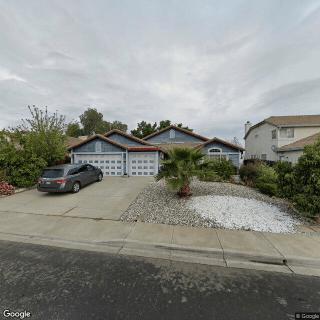
Deer Valley Manor
$1,700 to $2,500 / month24.8 miles away -
from +$152 / mo

Casa Del Sol
$1,652 to $2,700 / month4.7 miles away -
from -$200 / mo
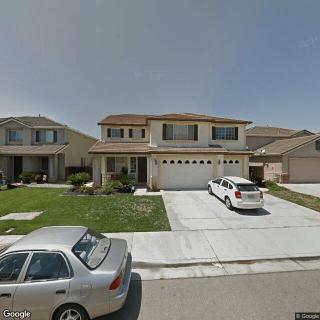
Riverview
$1,300 to $2,000 / month21.9 miles away
Overall Review of Shepherd Home #2
Pros
 The staff is friendly and helpful.
- The staff are respectful and the facility is clean.
- The group home is well maintained and well staffed, with friendly residents.
- There are lots of fun activities year-round.
- They have been extra cautious for everyone's safety during the pandemic.
- It is a place full of love and friendly residents.
Cons
 The food is terrible.
- There are bugs.
- The bathrooms are smelly.
- Her mother is staying there and is being treated badly.
Review
Shepherd Home #2 in Stockton is best suited for families seeking a small, home-like setting where relationship with staff and opportunities for daily social engagement carry more weight than pristine dining or campus-scale amenities. The facility reads as well-maintained and well-staffed, with an atmosphere that feels personable and resident-centered. It appeals to seniors who value a friendly, neighborly vibe, steady supervision, and a calendar of activities year-round. For residents with mild to moderate care needs who do not require specialized memory care, this setting can feel like a comfortable next step, especially when the priority is a warm, cohesive community where staff appear approachable and residents interact with ease.
Explicitly, those who demand absolute assurance around every aspect of care may want to consider alternatives. If gourmet meals, spotless bathrooms, and flawless pest control are non-negotiable, other options should be explored. There are credible concerns raised in reviews about how some residents are treated, which warrants serious consideration and direct verification during tours. Families needing robust clinical oversight, strong memory-care programs, or highly monitored daily routines may find these elements are better supported elsewhere. In short, the strongest decision drivers here are social connectedness and staff accessibility; for clinical intensity or uncompromising hygiene standards, alternatives deserve careful comparison.
The strongest positives, respectful staff, a clean facility, and a resident-friendly atmosphere, help offset some of the downsides. Positive accounts emphasize courtesy and helpfulness from staff, together with a sense of community among residents. The availability of regular activities and a vibe that feels welcoming can reduce caregiver stress and provide predictable routines for loved ones. When the priority is social engagement and consistent, approachable caregivers, these factors carry significant weight. In this light, the facility’s warmth and the perceived reliability of staff interact with the resident community to create a stabilizing core that many families will value.
Nevertheless, the downsides are meaningful and not easy to overlook. Food quality and maintenance concerns, paired with complaints about how some residents are treated, strike at the core of daily comfort and trust. Such issues have a direct, tangible impact on quality of life and can erode confidence in overall care. The divergence in reviews, strong praise from some families alongside clear dissatisfaction from others, suggests variability in day-to-day experiences and possibly in staff coverage or leadership emphasis. Given this, prospective families should approach with a rigorous, site-specific vetting process rather than relying on overall impressions alone.
A prudent decision plan centers on concrete verification. During visits, request a menu sample and observe dining service, inspect bathrooms for cleanliness and odors, and look for evidence of pest control effectiveness. Review incident and resolution logs, and ask how staff respond to concerns when they arise. Demand recent activity calendars and opportunities to speak with current residents and their families about consistency, not just isolated anecdotes. Clarify staff-to-resident ratios, ongoing training, and how care plans are updated. Above all, insist on transparency about any past concerns and how they’re prevented in the future.
Bottom line: Shepherd Home #2 delivers a warm, community-focused option for families prioritizing social life and staff friendliness in a well-kept, small setting. It is competitive for those who value daily warmth and meaningful interaction over flawless dining or perfect housekeeping. However, it is not the right choice for families who cannot tolerate subpar meals, persistent cleanliness issues, or credible reports of mistreatment. For these decision-makers, alternatives with stronger culinary reputations, demonstrably pristine facilities, and verifiable care standards should be pursued. The decisive factor is clear: the weight placed on daily social engagement and staff rapport versus the need for uncompromising consistency in dining and overall care quality.
 Board and Care Home
 Memory Care
 Private
 Diabetic care







 Understanding Medicaid Coverage for Assisted Living: A Comprehensive Guide
 How and When Medicaid May Cover Assisted Living Costs
 A Detailed Exploration of Assisted Living Medicaid Waivers Across the United States