Homestead Care for the Elderly II offers competitive pricing for its residential care services, particularly when compared to the broader market rates in San Joaquin County and across California. For instance, the semi-private room at Homestead Care is priced at $1,038 per month, significantly lower than the county average of $3,074 and far below the state average of $3,333. Similarly, private rooms are available for $2,500, which remains more affordable than both the county's average of $3,364 and the state's average of $3,939. Studio accommodations also reflect a favorable rate at $3,000 compared to the county's $3,366 and California's higher benchmark of $4,145. Overall, Homestead Care for the Elderly II presents an appealing option for families seeking quality elder care without incurring exorbitant costs.
Floor plans
Homestead Care for the Elderly II
San Joaquin County
California
Semi-Private
$1,038
$3,074
$3,333
Private
$2,500
$3,364
$3,939
Studio
$3,000
$3,366
$4,145
Memory care communities with a similar price nearby
Overall Review of Homestead Care for the Elderly II
common47 reviews mention this
Caregivers are consistently described warmly
Residents and families repeatedly describe caregivers who are patient, kind, and attentive.
Across many reviews, families say the caregivers were dependable and treated their loved ones with patience and kindness. Multiple people mention specific help with daily routines like bathing, toileting, dressing, and meal prep, with caregivers staying on top of small details. Even when schedules changed or needs evolved, reviewers describe staff who were responsive and made the transition feel manageable for families. One review does report a bad experience with a promised 24-hour caregiver, which stands out against the otherwise consistent tone.
differentiator4 reviews mention this
Dementia care gets specific attention
Several reviews specifically call out dementia support with compassionate, tailored care.
Some reviewers describe care for loved ones with dementia, emphasizing the calm, patient approach they saw day to day. Others mention adapting as conditions change, including responsiveness to changing needs. This aligns with the community’s listed memory care focus and its ambulatory care service category.
common8 reviews mention this
Scheduling flexibility and responsiveness
Families highlight quick communication and flexible scheduling when care needs shift.
Many reviews mention being able to reach the office easily and getting help promptly when questions came up. Reviewers also describe flexibility with schedules, including filling extra shifts and making adjustments with notice. A few people specifically note peace of mind from having caregivers reliably available, even for changing situations.
common2 reviews mention this
Pricing feels competitive versus alternatives
Some families describe the pricing as competitive compared with other options they considered.
At least a couple of reviewers explicitly mention comparative or competitive rates when discussing care. That feedback matches the listing’s price positioning as being far below broader benchmarks across unit types. Overall, reviews focus more on responsiveness and fit than on cost details, but the pricing remarks do show up when families compare options.
caveat1 reviews mention this
24-hour expectations can vary
One review reports a breakdown in 24-hour coverage and hands-on assistance needs.
One dissatisfied review describes a situation where a promised 24-hour caregiver did not provide hands-on help as expected, including during personal care tasks. This is the only clearly negative report in the set, so it doesn’t reflect the dominant pattern of dependable, attentive care described elsewhere.
How we summarize
Counts show how many written reviews mention each theme; a review can touch several themes, and only frequently mentioned themes are displayed.
Features
Types of Care
Board and Care Home
Memory Care
Amenities
Private
Care Services
Ambulatory care
Nearby Places of Interest
This part of Stockton, California, offers a variety of dining options ranging from fast food chains like Taco Bell and McDonald's to local favorites such as Nena's Mexican Restaurant and Angelina's Spaghetti House. Nearby hospitals including Dameron Hospital Association and St. Joseph's Medical Center provide accessible healthcare services, while pharmacies like Walgreens and CVS offer convenient medication access. Public transportation is easily accessible with Amtrak Stockton nearby, and parks like Victory Park and Sherwood Forest Park offer opportunities for outdoor recreation. With several physician offices in the area and places of worship such as Calvary Presbyterian Church and St. Linus Church available, seniors looking for a vibrant community with amenities close by may find this neighborhood appealing for senior living.
Restaurants
Taco Bell (1 miles)
McDonald's (1.2 miles)
Nena's Mexican Restaurant (1.9 miles)
Angelina's Spaghetti House (3.2 miles)
El Pollo Loco (3.3 miles)
Chick-Fil-A (4 miles)
Denny's (4 miles)
Hospitals
Port City Health (1.7 miles)
5th Street Medical Clinic (1.7 miles)
Dameron Hospital Association (2.4 miles)
Katalysis Partnership Inc. (2.7 miles)
Childrens Health Services Of San Joaquin General Hospital (3 miles)
St Joseph's Medical Center (3.1 miles)
St. Joseph's Medical Center (3.2 miles)
Pharmacies
Weston Ranch Cleaners (1.8 miles)
Rancho San Miguel Markets (2.5 miles)
Safeway Food & Drug (2.6 miles)
Walgreens (2.8 miles)
Walgreens (4 miles)
CVS Pharmacy (4.1 miles)
Save Mart Supermarkets (4.2 miles)
Transportation
Amtrak Stockton (1.9 miles)
Parks
Victory Park (2.1 miles)
Crow Valley (3 miles)
Sherwood Forest Park (4.9 miles)
Fritz Grupe Park (5.2 miles)
Angel Cruz Park (6.1 miles)
Physicians
Zeiter Eye (2.3 miles)
Channel Medical Centers (2.6 miles)
Mdsi Physician Group (2.9 miles)
Healthy Beginnings-Prenatal Clinics (3 miles)
Wood Lane Medical Center (3 miles)
Central California Surgery (3.1 miles)
Plastic Surgery Center of Stockton (3.2 miles)
Places of Worship
Calvary Presbyterian Church (2.7 miles)
Greater New Hope Deliverance Church Of God In Christ (2.9 miles)
Homestead Care for the Elderly II offers competitive pricing for its residential care services, particularly when compared to the broader market rates in San Joaquin County and across California. For instance, the semi-private room at Homestead Care is priced at $1,038 per month, significantly lower than the county average of $3,074 and far below the state average of $3,333. Similarly, private rooms are available for $2,500, which remains more affordable than both the county's average of $3,364 and the state's average of $3,939. Studio accommodations also reflect a favorable rate at $3,000 compared to the county's $3,366 and California's higher benchmark of $4,145. Overall, Homestead Care for the Elderly II presents an appealing option for families seeking quality elder care without incurring exorbitant costs.
Dementia causes cognitive decline and challenging behaviors that caregivers must manage, necessitating an understanding of the neurological basis of these issues. Effective strategies and self-care for caregivers can enhance support for those with dementia and improve their daily lives.
The content outlines five key early indicators of dementia, including significant memory loss and confusion about time and place, while emphasizing the need for professional evaluation and emotional support for both individuals showing symptoms and their caregivers. It encourages family members to monitor these signs closely and use online quizzes for initial awareness.
The article highlights eight indicators that a loved one with dementia may require specialized memory care, emphasizing the emotional and logistical challenges families encounter in this decision. It discusses signs such as difficulties with daily tasks, safety concerns, and caregiver burnout, suggesting that memory care facilities can provide the necessary support and structured environments for those experiencing cognitive decline.
Get PricingAsk A QuestionSchedule A TourContact Senior Advisor
By clicking submit, you agree to our Partner's Terms of Use. You
also consent to receive calls and texts, which may be autodialed, from our Partner. Your consent is not a condition to
using our Partner's service. Please visit our Partner's Privacy Policy for information about their privacy practices.

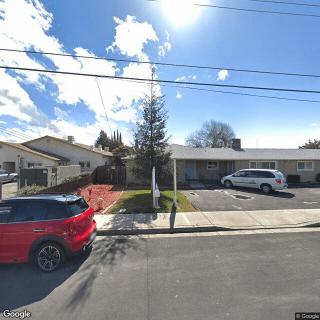
 Board and Care Home
 Memory Care
 Private
 Ambulatory care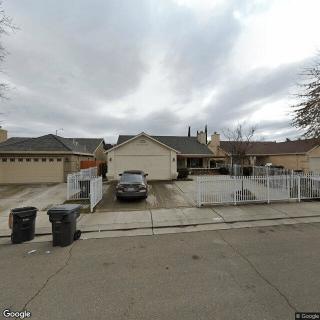
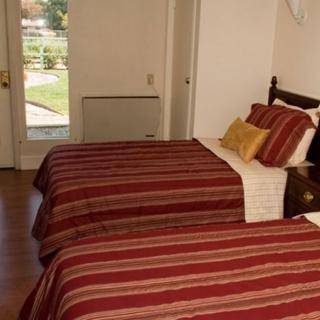
 Compassionate staff providing attentive, individualized care with a memory-care focus; private bathrooms for residents.
 Dementia Behaviors: In-Depth Understanding and Effective Coping Strategies
 5 Early Indicators of Dementia and What You Can Do
 8 Important Indicators That Memory Care May Be Necessary