
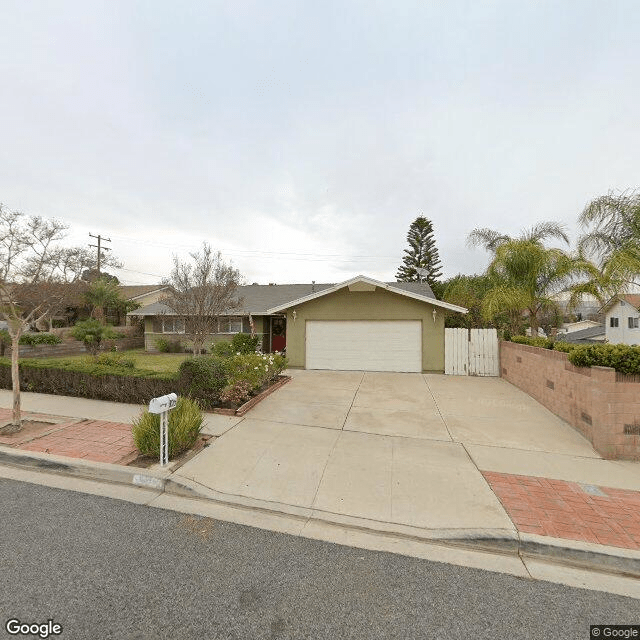
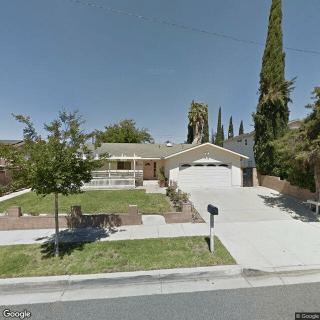
805 Erringer Road, Simi Valley, CA 93065
To contact a resident: (805) 306-9101
For more information about senior living options: (866) 208-4318
Golden Years RCFE Costs & Pricing
Golden Years RCFE offers competitive pricing for its room types when compared to both Ventura County and the broader state of California. For semi-private accommodations, residents can expect to pay $2,700 per month, which is significantly lower than the county average of $3,438 and the state average of $3,333. Similarly, private rooms at Golden Years are priced at $3,000 per month, again offering a cost-effective alternative to the higher averages of $4,082 in Ventura County and $3,939 across California. This pricing structure makes Golden Years RCFE an attractive option for seniors seeking quality care without compromising on affordability.
| Floor plans | Golden Years RCFE | Ventura County | California |
|---|---|---|---|
| Semi-Private | $2,700 | $3,438 | $3,333 |
| Private | $3,000 | $4,082 | $3,939 |
Memory care communities with a similar price nearby
-
About the same
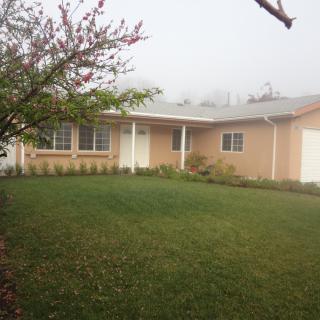
Dignity Care Home 1
$2,750 to $4,150 / month16.0 miles away -
from +$300 / mo
Navita Residence Edgemont Drive
$3,000 / month16.2 miles away -
from +$500 / mo
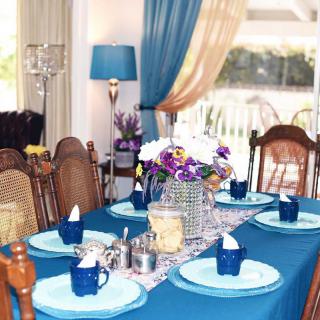
Angeles Assisted Living
$3,200 to $4,200 / month16.4 miles away -
from -$500 / mo
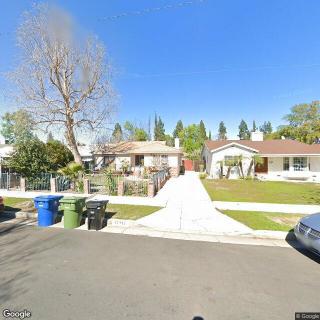
Granada Hills Gardens
$2,200 to $3,500 / month14.9 miles away -
from -$200 / mo
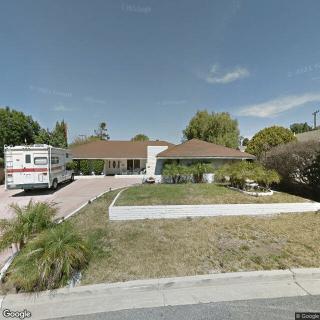
Familycare Cottage IV
$2,500 to $4,500 / month6.1 miles away
Overall Review of Golden Years RCFE
Pros
 The caregivers are fabulous, loving, attentive, and professional.
- The atmosphere is very relaxed, family-like, and clean.
- The cost is very reasonable.
- It is heaven for people who want to visit their loved ones freely.
- The Bradley House II is clean and very nice, with friendly staff.
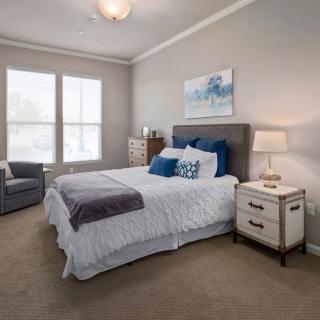
- The room is nice and clean, and adequately sized.
- The surrounding grounds are very nice and quiet.
- The home is immaculate and offers healthy food options.
Cons
 The reviewers regret not knowing about the Bradley House on Erringer years ago.
- It didn’t work for the reviewer.
- The reviewer thought advanced orders should be posted where the entire staff could see them.
Review
Golden Years RCFE in Simi Valley, via its Bradley House locations, is best suited for families seeking a warm, home-like environment where caregiving feels personal, consistent, and accessible. This community earns its appeal from intimate, family-style settings rather than clinical campuses, making it a strong choice for seniors who thrive on regular, friendly interactions with caregivers and a relaxed daily rhythm. It works particularly well for those with moderate memory challenges or general aging needs who don’t require hospital-grade medical oversight. For families prioritizing highly structured dementia programming, aggressive clinical intervention, or large-scale facilities with extensive on-site medical staff, more traditional memory-care campuses may be a better fit.
The strongest selling points center on the caregiving itself and the atmosphere surrounding daily life. Reviewers repeatedly praise the caregivers as fabulous, loving, attentive, and professional, with a milieu described as relaxed and family-like. Cleanliness is underscored as a standout feature, contributing to a sense of safety and home comfort. The ability to visit frequently, indeed, daily visits, emerges as a practical, meaningful benefit, reducing worry for families and enabling ongoing connection with loved ones. Cost is highlighted as very reasonable, which makes ongoing care feasible for households that might otherwise be priced out of similar services. In short, the combination of compassionate staff, a welcoming setting, and transparent, accessible visitation supports emotional well-being and trust.
Beyond the general environment, the individual homes offer tangible positives that matter in daily life. One review notes that residents enjoy real showers rather than routine sponge baths, a small but meaningful indicator of dignity and quality of life. The living spaces are described as neat and clean, with rooms that are adequate in size and well kept, supporting independence while maintaining comfort. The site also signals a practical orientation toward nutrition, with attempts to provide healthy food options, which aligns with long-term health goals for many seniors. The second, memory-care-focused location is described as clean and nice, with staff that remain friendly and attentive; its hillside views and quiet street contribute to a peaceful setting that can soothe memory-challenged residents.
Still, not every fit is perfect, and some caveats are worth weighing carefully. One reviewer’s experience at the memory-care venue did not fit their sister’s needs, illustrating that even within the same family of homes, personal fit can vary considerably based on the individual’s dementia stage, behavior profile, and preferences for structure or activity. That same reviewer pointed to a room for improvement in care communications, suggesting that advanced orders or care instructions should be posted where all staff can access them. Those seeking a more formalized or intensive dementia program should recognize this as a potential limitation and not assume all memory-care offerings here will mirror larger, more clinically oriented facilities.
When weighing the pros against the cons, the balance clearly tilts in favor of choosing this community for families prioritizing warmth, reliable caregiving, and a cost-conscious, visit-friendly model. The combination of devoted staff, a relaxed home atmosphere, high cleanliness standards, and flexible visitation creates a compelling value proposition for relatives who want meaningful engagement with their loved ones and reassurance that daily needs are calmly managed. The potential drawbacks, such as variability in fit for memory-care specifics or a less institutional feel, tale toward choosing alternatives only if those exact features are nonnegotiable.
For families ready to act, the prudent course is to tour both Bradley House locations, meet the caregiving teams, and observe daily routines in action. Ask about individual care plans, staffing ratios, and what’s included in the “very reasonable” price, and whether there are extras for memory care activities, transport, or specialized therapies. Confirm how memory-care programming is structured, how emergencies are handled, and how well communication flows when shifts change. If a warm, approachable, and financially sensible home environment with steady, compassionate care is the priority, Golden Years RCFE presents a clear, practical path forward. If clinical intensity, large-scale programming, or highly formal dementia care are nonnegotiable, it’s wise to explore stronger options elsewhere.
 Board and Care Home
 Memory Care
 Activities off-site
 Bath tubs
 Beautician on-site
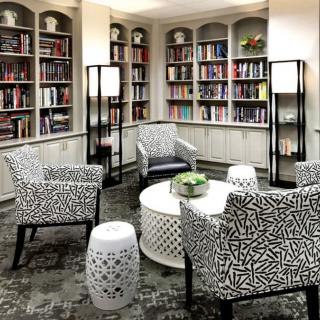
 Indoor common areas
 Outdoor common areas
 Private
 Respite or short term stays offered
 Wheelchair accessible showers
 Burbank-Glendale-Pasadena (24 miles away)
 Ambulatory care
 High acuity care
 Kosher

 Memory Care Pathways: A Holistic Guide to Dementia Support
 Comprehending Evening Confusion in Dementia: Causes, Manifestations, and Support
 Delirium and Dementia: Unraveling the Key Differences