
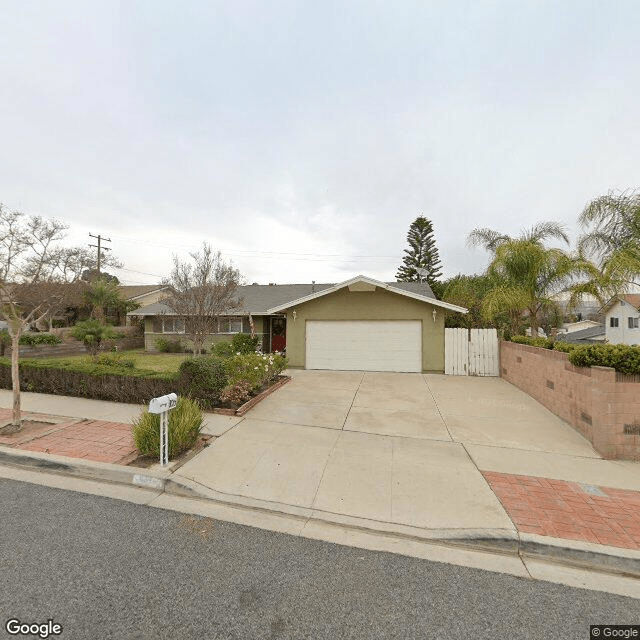
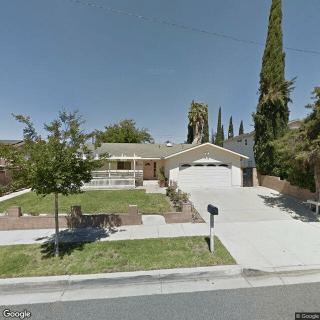
805 Erringer Road, Simi Valley, CA 93065
For more information about senior living options: (866) 208-4318
A Bradley House II Costs & Pricing
A Bradley House II offers competitive pricing for its accommodation options when compared to both Ventura County and the broader state of California. For a semi-private room, residents can expect to pay $3,500 per month, which is slightly higher than the county average of $3,438 but remains reasonable in relation to the state average of $3,333. In terms of private rooms, A Bradley House II charges $4,000 monthly; this falls just below the county's average of $4,082 and above the state average of $3,939. Overall, while A Bradley House II is positioned at a moderate price point within its local context, it provides valuable amenities and care that justify its costs.
| Floor plans | A Bradley House II | Ventura County | California |
|---|---|---|---|
| Semi-Private | $3,500 | $3,438 | $3,333 |
| Private | $4,000 | $4,082 | $3,939 |
Assisted Living communities with a similar price nearby
-
from -$500 / mo
Thousand Oaks Home Care IV
$3,000 to $4,000 / month6.9 miles away -
from -$500 / mo
Thousand Oaks Home Care II
$3,000 to $4,000 / month7.0 miles away -
from +$300 / mo
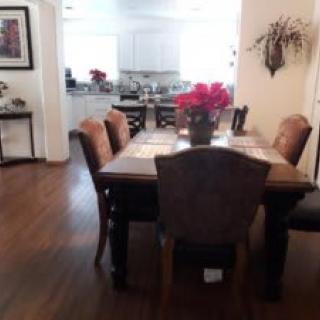
America's Care Manor
$3,800 to $4,000 / month5.0 miles away -
About the same
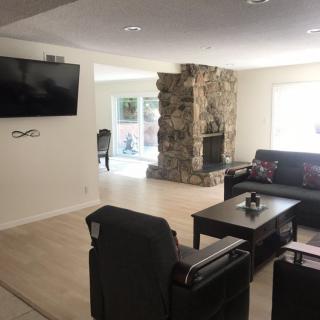
Hollywood Healthy Living
$3,500 to $5,000 / month24.2 miles away -
About the same
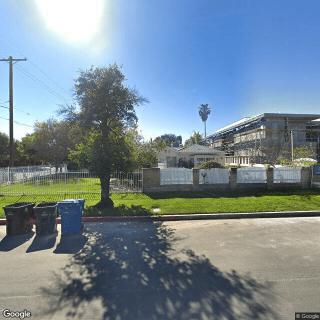
California Senior Of Sherman Oaks
$3,500 to $4,000 / month18.9 miles away
Overall Review of A Bradley House II
Pros
 The caregivers at Bradley House are fabulous, loving, attentive, and professional.
- The atmosphere is relaxed, family-like, and clean.
- Families can visit their loved ones daily.
- The living area provides comfortable seating, more comfortable for residents than being in a wheelchair all day.
- Residents receive real showers twice a week, not just sponge baths.
- The place is heaven for visitors who want to visit their loved ones freely.
- The cost is very reasonable.
- It is a lovely home that visitors will be glad to discover.
Review
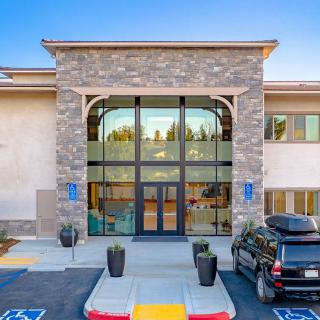
Bradley House II in Simi Valley is best suited for families seeking a warm, home-like assisted living where residents receive highly personal attention and visits are unimpeded. This community excels when the priority is everyday comfort, genuine caregiver engagement, and a relaxed, “family-like” atmosphere. It is especially fitting for seniors who have survived serious health events, such as a stroke, and who benefit from a setting that emphasizes proximity, touch, and meaningful interaction with staff and family members. The praising testimony centers on a environment where caregivers are consistently described as loving, attentive, and professional, delivering care that feels less institutional and more like a second home.
Those evaluating alternatives should note who may want to consider other options. If a future plan requires intensive, around-the-clock medical supervision, highly specialized memory care, or a campus with a broader menu of clinical therapies and structured programming, this particular setting may not satisfy every need. A family prioritizing formal, highly medicalized care, or seeking a larger operation with more rigorous nursing or rehab facilities, may find superior alignment elsewhere. For residents needing robust clinical oversight or advanced rehab services beyond what a small, intimate home can typically provide, higher-profile options could be more suitable.
The strongest positives here are sharply focused on personal connection and daily quality of life. The caregiving team is repeatedly praised for warmth, attentiveness, and professionalism, delivering care that feels responsive and trustworthy. A relaxed, family-like vibe supports emotional well-being, which matters as much as physical assistance. Cleanliness and a calm, homelike environment reinforce comfort and dignity, helping families feel confident that a loved one is resting in a respectful space. The freedom to visit daily is not just a convenience but a strategic advantage, enabling ongoing involvement that reassures families and promotes continuity of care.
Equally important is how the pros offset practical considerations that families weigh. The ability to keep a loved one in a recliner in the living room, rather than confining them to a wheelchair for long stretches, illustrates a responsive approach to comfort and independence after a major health event. Real showers twice a week, rather than occasional sponge baths, signals a commitment to dignity and thorough personal care. The described cost efficiency adds another layer of value, reducing ongoing financial strain at a time when caregiving demands are high. When emotional satisfaction and day-to-day comfort are central criteria, these advantages form a compelling package that compensates for the absence of a larger, more clinical operation.
Before deciding, practical questions should guide the visit process. Inquiries about staffing patterns, nurse availability, and the specific levels of medical oversight help align expectations with needs. Clarify what rehab or therapy services are included, and which require additional arrangements or referrals. Probe the daily schedule, meal options, and how activities are tailored to individual interests and mobility. Confirm the true cost structure, what is included in the rate, and how changes in care level affect pricing. Finally, assess the policy on family involvement beyond visiting, what forms of collaboration, communication routines, or care conferences are routine and encouraged.
Bottom line: for families seeking a warm, home-like setting where a loved one can be cared for with genuine affection, clear communication, and flexible visitation, Bradley House II stands out in Simi Valley. The residence delivers meaningful human connection, practical comfort, and a reasonable price point that together create a high-value choice for ongoing assisted living. It is an especially strong option for stroke survivors and others who benefit from a noninstitutional atmosphere that treats daily living with dignity and respect. Those who require more intensive, medically oriented care or specialized memory programming should compare alternatives that offer deeper clinical resources, but for families prioritizing warmth, accessibility, and personal attention, this community earns serious consideration.
 6 resident community capacity
 Assisted Living
 Board and Care Home
 Activities off-site
 Bath tubs
 Beautician on-site
 Cable or satellite TV
 Devotional services off-site
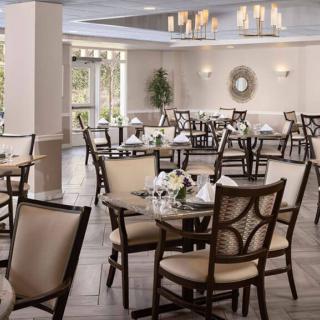
 Dining room
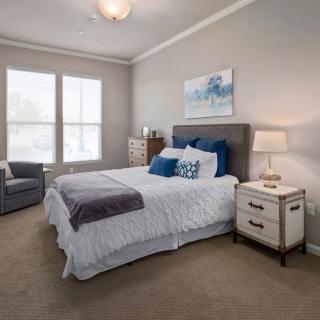
 Fully furnished
 Garden
 Housekeeping services
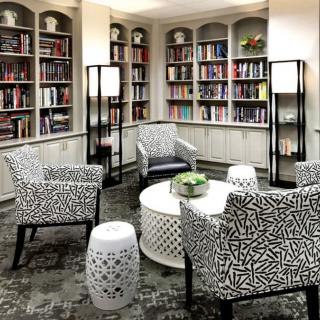
 Indoor common areas
 Move-in coordination
 Outdoor common areas
 Private
 Respite or short term stays offered
 Telephone
 Wheelchair accessible showers
 Wi-Fi/high-speed internet available
 Burbank-Glendale-Pasadena (24 miles away)
 24-hour supervision
 Assistance with bathing
 Assistance with dressing
 Assistance with transfers
 Diabetes diet
 Diabetic care
 High acuity care
 Incontinence care
 Meal preparation and service
 Medication management
 Special dietary restrictions
 Transportation arrangement (medical)
 Transportation to doctors appointments

 Social Security Benefits and Assisted Living: Navigating Options Across the U.S.
 An Extensive Exploration of the VA Aid and Attendance Benefit
 Senior Transition Services: Understanding Their Role, Cost, and Importance