
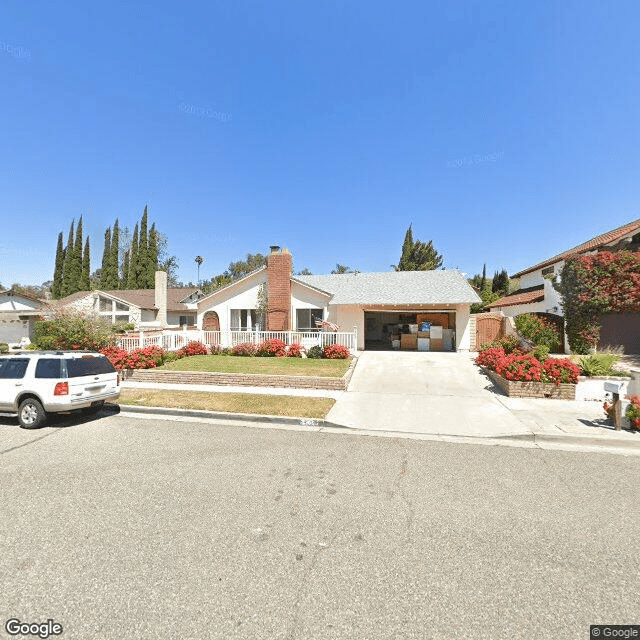
2365 Kentfield St., Simi Valley, CA 93065
To contact a resident: (805) 526-8629
For more information about senior living options: (866) 208-4318
Autumn Manor II Costs & Pricing
Autumn Manor II offers competitive pricing for its various room types, making it a desirable option in comparison to Ventura County and the broader California market. For instance, their semi-private rooms are available at $3,200 per month, which is notably lower than the county average of $3,438 and slightly more affordable than the state average of $3,333. The private rooms at Autumn Manor II are priced at $3,800, again undercutting both the county's average of $4,082 and California's average of $3,939. Similarly, the studio and one-bedroom units are offered at the same rate of $3,800 each - both significantly less than Ventura County's averages ($4,021 for studio and $4,513 for one-bedroom) as well as those across California ($4,145 for studio and $4,340 for one-bedroom). Overall, Autumn Manor II positions itself as an attractive choice for those seeking quality accommodations without exceeding budgetary constraints.
| Floor plans | Autumn Manor II | Ventura County | California |
|---|---|---|---|
| Semi-Private | $3,200 | $3,438 | $3,333 |
| Private | $3,800 | $4,082 | $3,939 |
| Studio | $3,800 | $4,021 | $4,145 |
| 1 Bedroom | $3,800 | $4,513 | $4,340 |
Memory care communities with a similar price nearby
-
from +$300 / mo
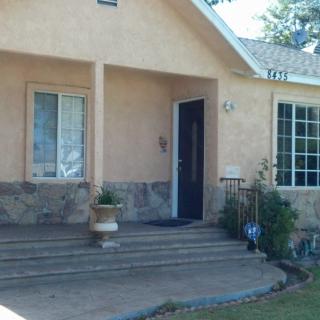
Paradise Senior Living 1
$3,500 to $4,500 / month12.0 miles away -
from -$450 / mo
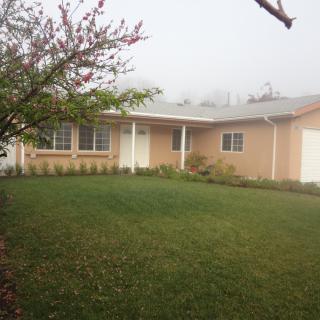
Dignity Care Home 1
$2,750 to $4,150 / month15.5 miles away -
from +$600 / mo
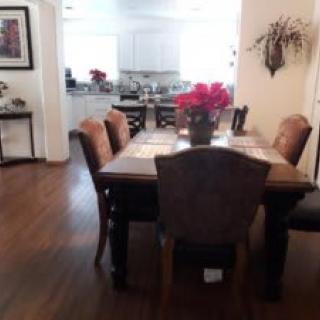
America's Care Manor
$3,800 to $4,000 / month4.3 miles away -
from +$300 / mo
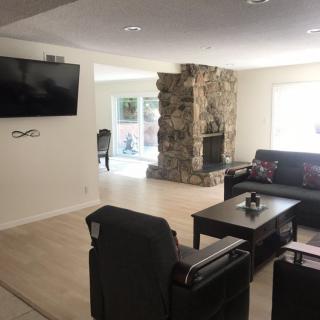
Hollywood Healthy Living
$3,500 to $5,000 / month23.7 miles away -
from +$300 / mo
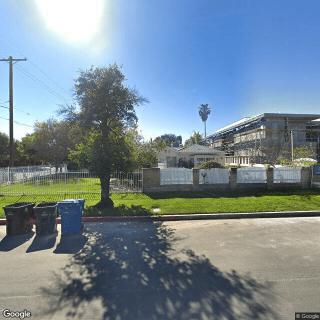
California Senior Of Sherman Oaks
$3,500 to $4,000 / month19.0 miles away
Overall Review of Autumn Manor II
Pros
 The place is very clean.
- They take good care of his father.
- They provide twice-daily walks with a walker, giving him the exercise he needs.
- The weekly trips to Walmart give him some independence.
- They host two parties a year, including a Luau, which was really nice.
- Mendez Transportation is accommodating and available to take him to appointments.
- Maria is always willing to listen and is very nice and professional.
Cons
 The insurance company doesn't pay for any intense physical therapy.
- The Friday senior citizen center visits may not be happening all the time.
- He doesn't like to do that anyway.
Review
Autumn Manor II in Simi Valley is best suited for older adults who need reliable daily assistance with mobility and personal care, yet still prize a clean, homey environment and practical ways to maintain independence. The community shines for residents recovering from limited mobility, such as a recent hip injury, because staff actively facilitates movement, two supervised walks a day with a walker provide essential exercise when formal physical therapy coverage isn’t available. The emphasis on practical independence is evident in routine errands, most notably weekly Walmart outings that help residents retain a sense of autonomy. Social life exists in a comfortable, low-key form: two annual celebrations, a Christmas party and a summer Luau, enrich the calendar without overwhelming it. Cleanliness, responsive staff, and tangible everyday supports anchor the value proposition for families prioritizing steady, manageable routines.
Those considering alternatives should weigh options for residents whose needs extend beyond basic assistance. If intensive, insurer-covered physical therapy is non-negotiable, or if a memory-care focus with specialized programming is essential, other communities may deliver more robust medical oversight. Likewise, families seeking frequent, structured outings beyond occasional local shopping trips or a more expansive activity calendar might prefer options with a fuller day-to-day schedule. For residents requiring 24/7 skilled nursing supervision or more formal, regimented programming, Autumn Manor II may fall short of those expectations. In short, the right fit hinges on balancing practical daily supports with the level of medical or cognitive care that a given resident requires.
The strongest pros here offset the most significant potential drawbacks. Cleanliness and a responsive atmosphere underpin confidence that the basics are well covered, and the twice-daily walking routine delivers meaningful exercise without dependence on external providers. The Walmart outing and similar errands preserve independence and reduce the sense of institutional confinement. Social life, while not packed with events, remains warmly human through the two annual gatherings and occasional gatherings that soften the routine. The transportation partnership embedded in the operation, Mendez Transportation, ensures appointments are kept with minimal friction, reinforcing the perception of reliability and control over medical logistics. Maria, identified as approachable, attentive, and professional, exemplifies the administrative side that often makes or breaks long-term satisfaction.
A closer look at the cons shows where expectations should be clarified upfront. The care plan leans on walking and routine activities rather than on intensive on-site rehabilitation, which can be a mismatch for residents who need stronger therapeutic momentum. While Walmart trips are valuable, the occasional uncertainty about trips to the senior citizen center suggests that some days may feel less engaging than desired. The presence of a side transportation operation is a practical advantage, yet it’s wise to confirm how scheduling, fees, and priorities align with medical or personal needs. Overall, the environment remains practical and warm, but families should verify how consistently center outings occur and what rehab options are available beyond what is described.
From a practical, decision-focused perspective, Autumn Manor II offers compelling value for families seeking dependable daily support without layering on high costs for specialized therapy. The combination of clean facilities, attentive staff, regular walking routines, and convenient in-town errands creates a stable rhythm that promotes independence and peace of mind. The meaningful social touches, parties, a Luau, and simple celebrations, add humanity without sacrificing routine. However, for residents whose goals include frequent, formal engagement with community activities or robust, insurer-backed rehabilitation, this community may require supplementary planning or a different setting. The best-fit family will be one that prioritizes reliable daily movement, easy access to errands, and a warm staff environment over expansive medical programming.
Bottom line: Autumn Manor II is a solid choice for families seeking a practical, value-driven living option for mobility-dependent seniors who can thrive with steady exercise, straightforward transportation, and modest social programming. It is less suitable for those needing intensive rehabilitation services, heavy dementia-focused programming, or a highly active daily schedule with frequent, diverse outings. Before committing, verify how often senior-center activities occur, confirm the full range of rehabilitation supports available on-site, and clarify transportation logistics and any ancillary costs. With clear expectations set, Autumn Manor II delivers a communicative, dependable home where daily routines and personal dignity remain the heart of the living experience.
 Board and Care Home
 Memory Care
 Cats allowed
 Dogs allowed
 Activities off-site
 Indoor common areas
 Outdoor common areas
 Private
 Respite or short term stays offered
 Wheelchair accessible showers
 Burbank-Glendale-Pasadena (23 miles away)
 Ambulatory care
 Diabetic care
 High acuity care
 Incontinence care
 Meals provided
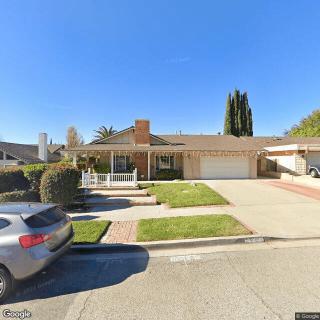
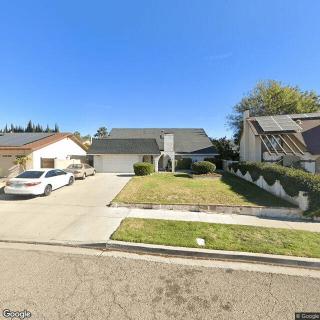

 8 Key Indicators That Suggest It May Be Time to Transition from Assisted Living to Skilled Nursing Care
 Nourishing the Mind: Essential Dietary Approaches for Dementia
 Understanding Dementia Behaviors: Practical Insights and Strategies for Caregivers