Residents and visitors consistently describe kind, attentive staff during recovery and visits.
Many reviewers focus on how the staff communicates, checks in, and responds—often describing the team as caring, knowledgeable, and professional. Several also mention staff helping with everyday visitor needs and making people feel comfortable on-site. A recurring counterpoint is that response times can slip at certain moments, with some reviewers attributing delays to staffing constraints.
differentiator12 reviews mention this
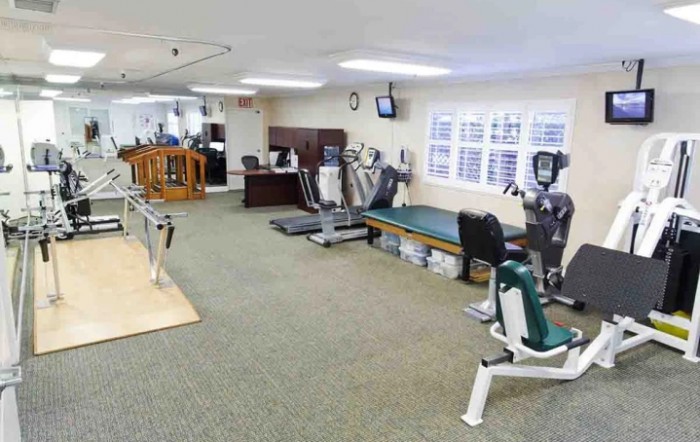
Rehab therapy gets frequent praise
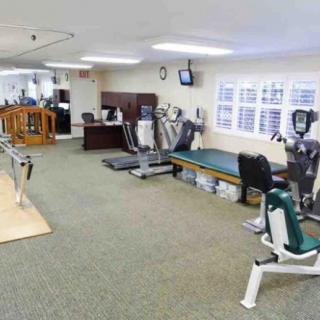
Physical therapy and occupational therapy are repeatedly described as a key part of recovery.
Multiple reviews highlight progress tied to therapy, including improvements in walking with a walker and better speech after injury or stroke. Reviewers also describe the PT/OT staff as encouraging, prepared, and supportive, with therapy happening frequently enough to matter to families and patients. Speech therapy is mentioned in at least one stay, alongside PT and OT, as part of the day-to-day rehab plan.
caveat7 reviews mention this
Food quality feels uneven
Food receives mixed feedback, ranging from praised meals to complaints about basic quality.
Several reviewers say the food is good, top notch, or enjoyable, and a few describe it as better than they expected. Others report that meals can be inconsistent or unappealing, including comments about limited protein and meals that feel “crummy” at times. Even within overall positive experiences, food is one area where satisfaction varies by period or unit.
caveat6 reviews mention this
Call-button response can lag
Some reviewers report delays when waiting for patient assistance.
A handful of reviews describe longer-than-ideal waits for nurse or CNA help, including instances where residents remained in bed longer than desired. Others mention that staffing pressures can affect communication or lead to near-miss moments when calls for assistance aren’t answered promptly. There are also reviews that counter this by describing quick responses, but the concern is recurring enough to stand out.
common16 reviews mention this
Clean, calm environment comes up often
Reviewers frequently describe the facility as clean, maintained, and generally calm.
Many visitors and families mention cleanliness, fresh rooms, and a well-kept facility, sometimes adding that the atmosphere feels positive and calm. A few reviews also describe how the entry process and security contribute to a sense of comfort during visits. On the negative side, there are isolated comments about dirtiness or chaotic conditions, which contrasts with the majority of cleanliness feedback.
How we summarize
Counts show how many written reviews mention each theme; a review can touch several themes, and only frequently mentioned themes are displayed.
Features
Housing
95 resident community capacity
Types of Care
Memory Care
Skilled Nursing Facility
Amenities
Air-conditioning
Beauty salon
Cable or satellite TV
Computer center
Dining room
Fitness room
Fully furnished
Gaming room
Garden
Housekeeping services
Kitchenette
Move-in coordination
Outdoor space
Private bathrooms
Restaurant-style dining
Small library
Telephone
Wellness center
Wi-Fi/high-speed internet available
Transportation
Community operated transportation
Transportation arrangement
Transportation arrangement (non-medical)
Transportation to doctors appointments
Care Services
12-16 hour nursing
24-hour call system
24-hour supervision
Activities of daily living assistance
Assistance with bathing
Assistance with dressing
Assistance with transfers
Diabetes diet
Meal preparation and service
Medication management
Mental wellness program
Special dietary restrictions
Dining
Diabetes diet
Special dietary restrictions
Activities
Community-sponsored activities
Concierge services
Fitness programs
Planned day trips
Resident-run activities
Scheduled daily activities
Nearby Places of Interest
Physicians
Madill Peter MD A Medical Corporation (0.1 miles)
Allan S. Hill, MD (0.6 miles)
James Fialk, Nd - Wellspring Natural Medicine (1 miles)
Apple Valley Post-Acute Rehab's comprehensive features are designed to support residents with dementia or Alzheimer's disease by addressing both their physical and emotional needs. Assistance with dressing, bathing, and transfers ensures that residents maintain personal hygiene and comfort, which can significantly affect their overall well-being. Medication management is critical for maintaining health stability, reducing the risk of missed doses or medication errors that can exacerbate cognitive decline. Meal preparation and service promote proper nutrition tailored to individual dietary requirements, fueling both body and mind. Additionally, assistance with activities of daily living fosters independence while offering a sense of accomplishment, which is vital for mental health. The 24-hour supervision provides a safety net that reassures families while allowing residents the freedom to explore their environment safely. Finally, the mental wellness program engages residents through stimulating activities that enhance cognitive function and social interaction, creating a holistic approach to memory care that prioritizes dignity and quality of life.
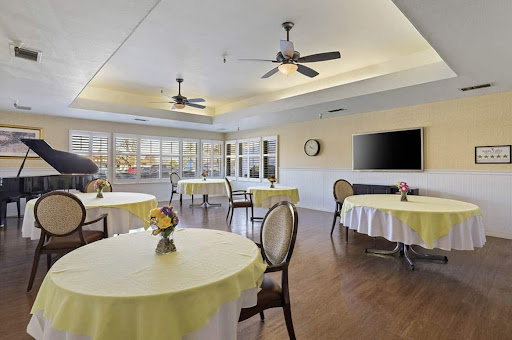
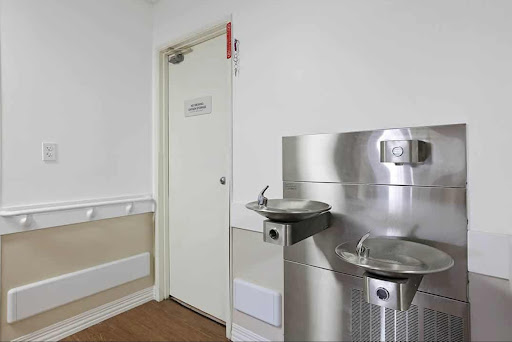
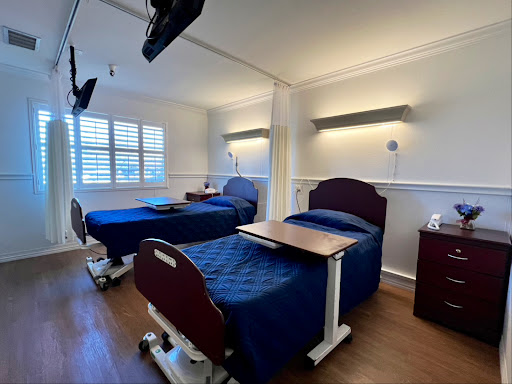
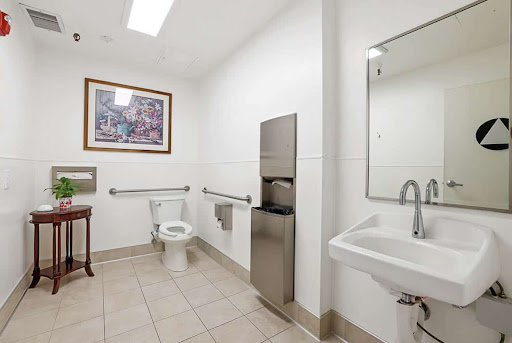
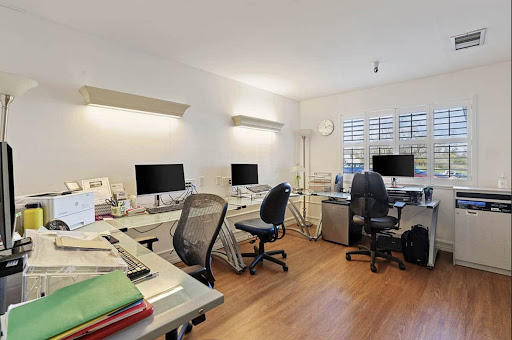
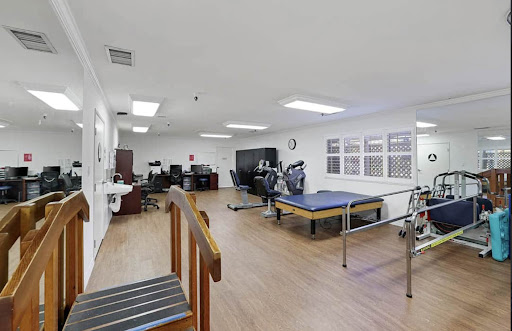
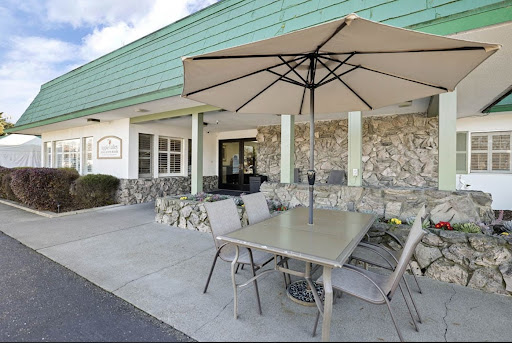
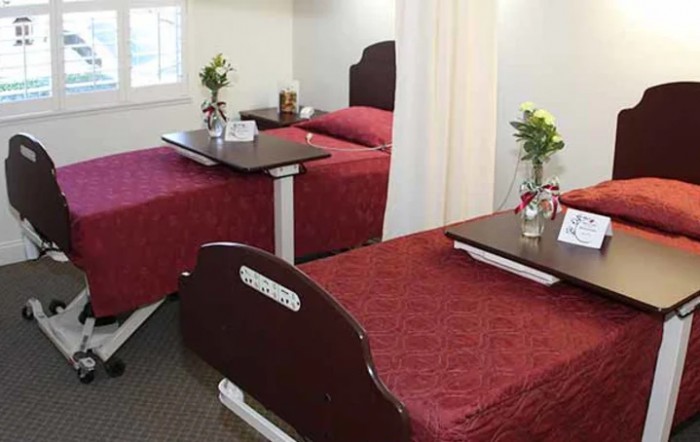
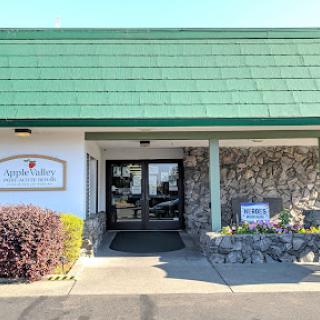
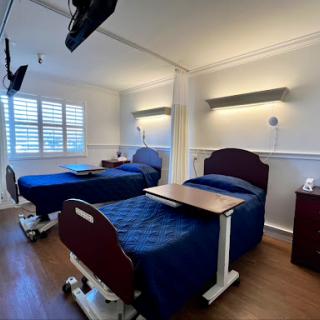
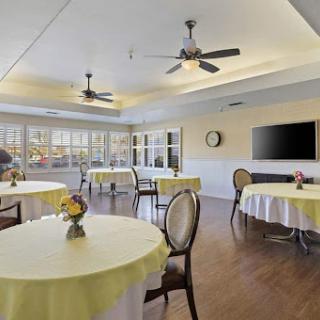
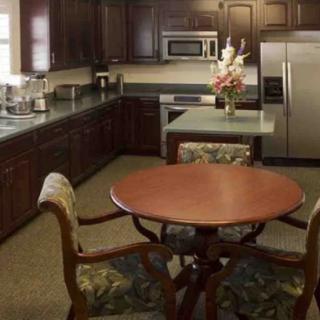
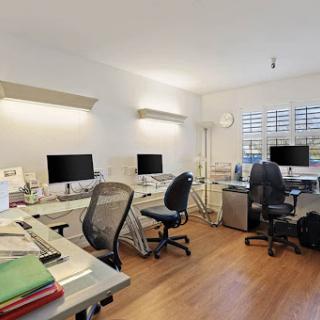
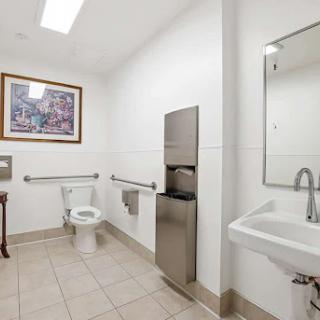
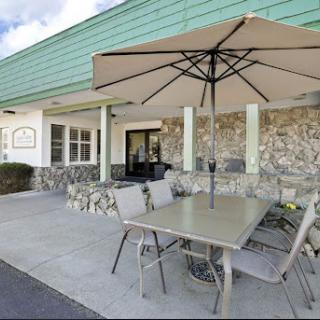
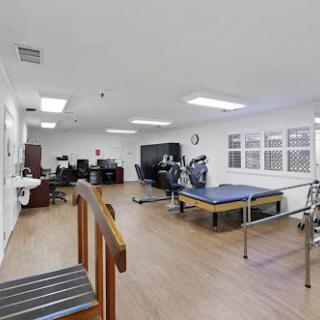
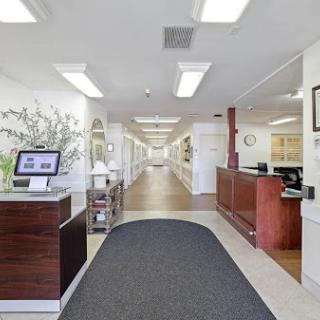
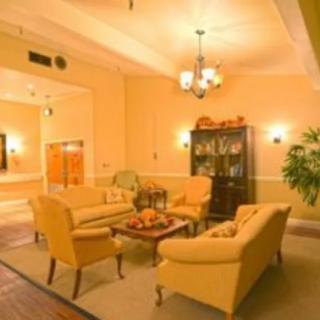
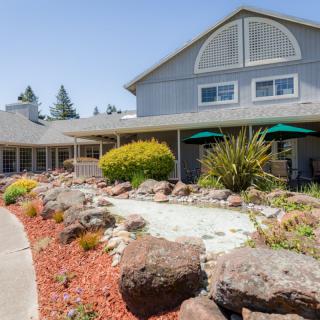
Apple Valley Post-Acute Rehab on seniors.fyi includes 14 photos including images showing interior, workspace, office, building, exercise equipment, bathroom, healthcare, dining, and more.
Nearby Communities
Serenity Villa
Sebastopol, CA
4.5 from 11 reviews
Warm, family-like care with attentive staff and tasty, varied meals.
Las Palmas of Sebastopol
Sebastopol, CA
4.6 from 41 reviews
$4,500 to $5,000 / month
Personalized, compassionate care in a smaller, home?like setting with a pleasant outdoor area.
Las Palmas Assisted Living
Sebastopol, CA
4.6 from 36 reviews
Comprehensive care services in a cozy, well-furnished setting with engaging activities.
Burbank Heights Apartments
Sebastopol, CA
3.9 from 14 reviews
Peaceful, convenient senior living with easy access to parks and healthcare.
Live Oak Rest Home
Sebastopol, CA
5 from 4 reviews
Intimate, personalized care with a dedicated owner and affordable rate.
Apple Blossom Gardens Residential Care Facility
Sebastopol, CA
5 from 1 review
Small, home-like setting with personalized care and garden.
Creekside Rehabilitation & Behavioral Health
Santa Rosa, CA
3.1 from 23 reviews
On-site registered nurse with professional, attentive staff and engaging activities.
Cogir of Rohnert Park Senior Living
Rohnert Park, CA
4.4 from 115 reviews
$4,070 to $5,920 / month
Friendly staff, close-knit community with engaging activities and praised dining.
Pacifica Senior Living Santa Rosa
Santa Rosa, CA
4.3 from 6 reviews
$3,525 to $6,050 / month
Welcoming layout with beautiful spaces and a caring staff; strong word-of-mouth for its potential.
Dementia leads to cognitive impairment and can cause emotional and behavioral changes, including aggression that arises from frustration, confusion, or fear. Effective coping strategies for caregivers include understanding dementia's nature, recognizing triggers, using empathetic communication, and employing non-pharmacological interventions like music and art therapy.
Dementia causes cognitive decline and challenging behaviors that caregivers must manage, necessitating an understanding of the neurological basis of these issues. Effective strategies and self-care for caregivers can enhance support for those with dementia and improve their daily lives.
The content outlines five key early indicators of dementia, including significant memory loss and confusion about time and place, while emphasizing the need for professional evaluation and emotional support for both individuals showing symptoms and their caregivers. It encourages family members to monitor these signs closely and use online quizzes for initial awareness.
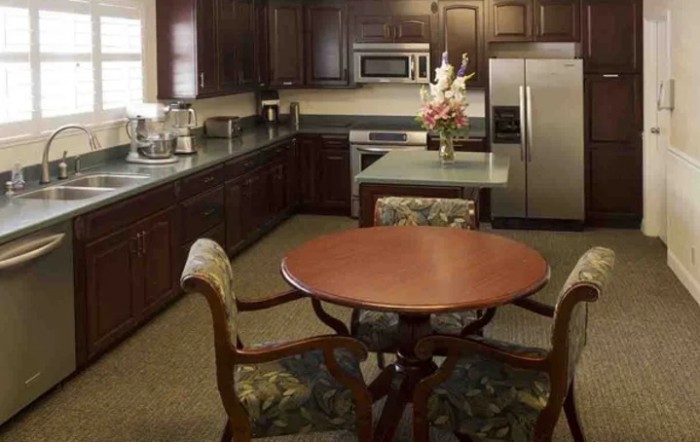
Kitchen, Appliances, Refrigerator, and Dining Table
Lighting and Computers
Outdoor
Exercise Equipment
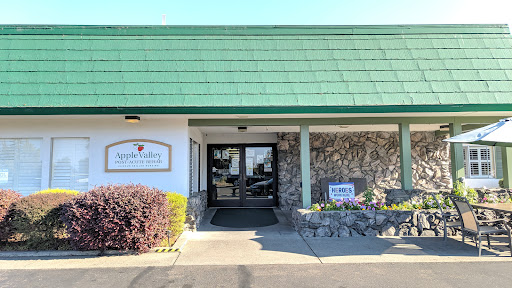
Outdoor Seating, Stone Wall, and Table And Chairs
Healthcare
Office
Gym, Fitness Center, and Workout Space
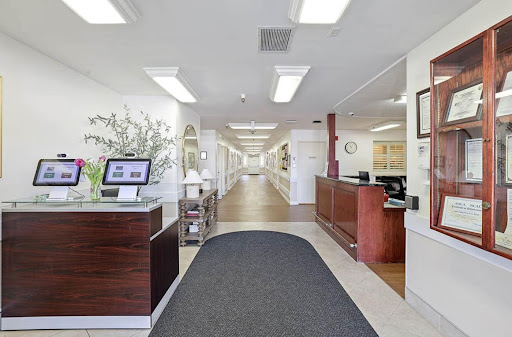
Waiting Area and Reception
Rehabilitation, Physical Therapy, and Therapy Room
Workspace
Facility
Additional Photos
Get PricingAsk A QuestionSchedule A TourContact Senior Advisor
By clicking submit, you agree to our Partner's Terms of Use. You
also consent to receive calls and texts, which may be autodialed, from our Partner. Your consent is not a condition to
using our Partner's service. Please visit our Partner's Privacy Policy for information about their privacy practices.





 95 resident community capacity
 Memory Care
 Skilled Nursing Facility
 Air-conditioning
 Beauty salon
 Cable or satellite TV
 Computer center
 Dining room
 Fitness room
 Fully furnished
 Gaming room
 Garden
 Housekeeping services
 Kitchenette
 Move-in coordination
 Outdoor space
 Private bathrooms
 Restaurant-style dining
 Small library
 Telephone
 Wellness center
 Wi-Fi/high-speed internet available
 Community operated transportation
 12-16 hour nursing
 24-hour call system
 Activities of daily living assistance
 Assistance with bathing
 Assistance with dressing
 Assistance with transfers
 Diabetes diet
 Medication management
 Mental wellness program
 Special dietary restrictions
 Concierge services
 Planned day trips
 Warm, family-like care with attentive staff and tasty, varied meals.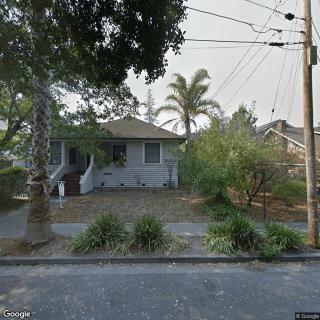


 When Dementia Sparks Anger and Aggression: Understanding the Connection and Ways to Cope
 Dementia Behaviors: In-Depth Understanding and Effective Coping Strategies
 5 Early Indicators of Dementia and What You Can Do