
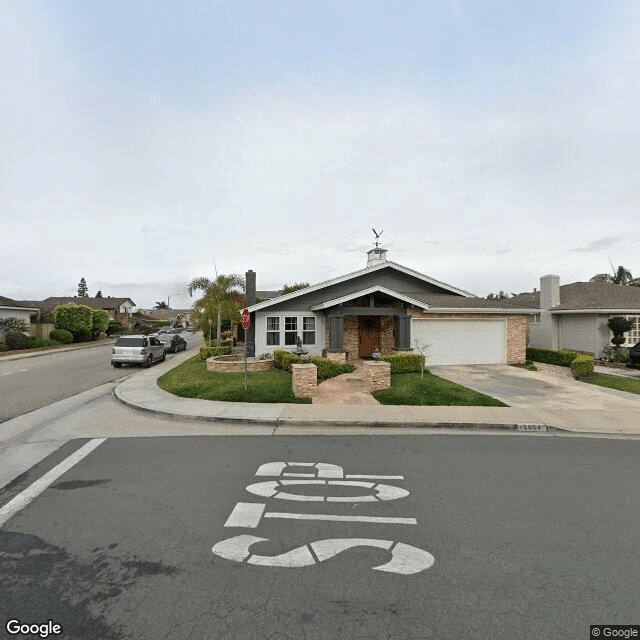
3601 Oleander Street, Seal Beach, CA 90740
To contact a resident: (562) 296-8800
For more information about senior living options: (866) 208-4318
Princeville - College Park Costs & Pricing
In Princeville - College Park, the costs for various room types reflect a premium compared to both Orange County and the broader California state averages. For semi-private rooms, residents can expect to pay $4,500 monthly, which is notably higher than Orange County's average of $3,431 and California's average of $3,333. Private accommodations at Princeville come with a price tag of $6,000, exceeding the rates in Orange County and across the state by approximately $1,896 and $2,061 respectively. Lastly, for those seeking a one-bedroom setup in Princeville - College Park, the cost stands at $6,500 per month - again surpassing both local and state averages by about $2,120 compared to Orange County and $2,160 compared to California as a whole. This pricing suggests that Princeville - College Park offers amenities or services that justify its elevated costs within this competitive market.
| Floor plans | Princeville - College Park | Orange County | California |
|---|---|---|---|
| Semi-Private | $4,500 | $3,431 | $3,333 |
| Private | $6,000 | $4,104 | $3,939 |
| 1 Bedroom | $6,500 | $4,380 | $4,340 |
Memory care communities with a similar price nearby
-
from -$505 / mo
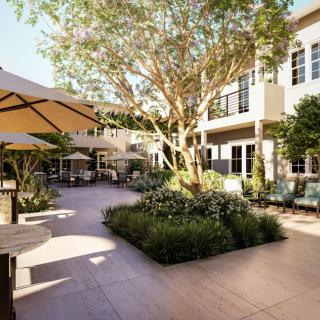
Cadence Brea
$3,995 to $5,500 / month13.3 miles away -
About the same
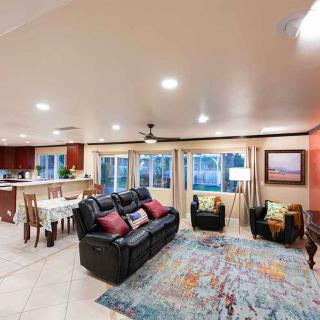
Casa Bella
$4,500 / month13.2 miles away -
from -$500 / mo
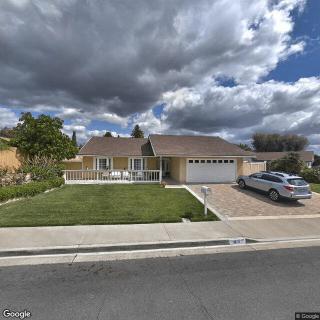
Active Senior Home Care
$4,000 to $5,000 / month24.7 miles away -
from -$500 / mo
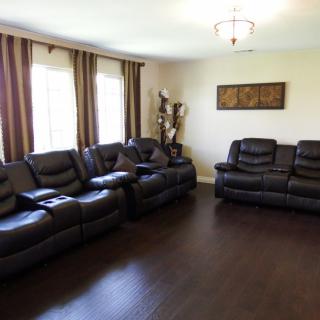
Royal
$4,000 to $4,800 / month10.3 miles away -
from -$500 / mo
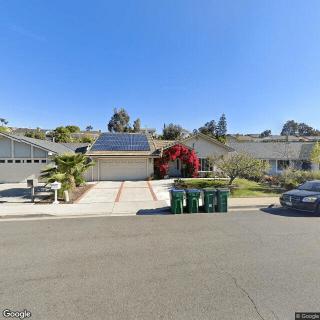
Queen's Home 2
$4,000 to $5,000 / month24.6 miles away
Overall Review of Princeville - College Park
Pros
 The home is beautiful, warm, and family-oriented.
- The caregivers are well-qualified with stable, consistent schedules, allowing them to know each resident well.
- The staff’s unwavering commitment ensures each resident’s needs are met with dignity and care.
- The facility is clean and bright, with a smaller, more intimate community that reduces dementia-related anxiety.
- Residents enjoy home-cooked meals and daily time on the terrace.
- The environment accommodates progression of illness, including hospice care, in a safe, supervised setting.
- The owners and staff are highly recommended for providing loving, attentive care.
- Having only a few residents allows caregivers to truly know and connect with each person.
- The care team is caring, attentive, and organized, and the facility remains consistently clean.
- Meals are healthy, well-balanced, and appealing.
- Residents laugh, chat, and form strong bonds with caregivers and other residents.
- The facility provides 24/7 care and treats residents with dignity, comfort, and respect.
- The atmosphere feels like a well-kept, peaceful home.
Cons
 Senior wanted to be moved after she was disrespected by an employee.
- There were no awake staff.
- There was an E. coli infection.
- There was a constant urinary tract infection.
- There were two unreported falls.
Review
Princeville by the Sea in Seal Beach is best suited for families seeking a truly intimate, home-like assisted living where the caregiving team knows residents by name and can tailor care to dementia, Parkinson’s, and other age-related needs. The setting shines for residents who thrive on routine, predictable staffing, and the reassurance of a small group, roughly six residents, where highly personalized attention isn’t drowned in a large campus’s churn. Proximity matters here: families can visit easily, and the neighborhood setting reinforces a sense of normal life. Those who should consider alternatives are families seeking a more clinical memory-care environment, a larger community with broader programming, or residents requiring aggressive medical oversight or frequent awake monitoring.
The strongest pro is the intimate size, which enables staff to understand individual preferences and anticipate needs before a crisis arises. Caregivers stay consistent, building trusted relationships that deliver stability for someone with memory or mobility challenges. The home presents as clean and uncluttered, with meals described as fresh, balanced, and appealing. A 24/7 supervisory presence, reliable medication handling, assistance with bathing, and laundry support are built into the model, eliminating the friction of frequent transfers. The environment accommodates evolving needs within a home-like framework, including hospice when appropriate, without forcing a move to a hospital setting.
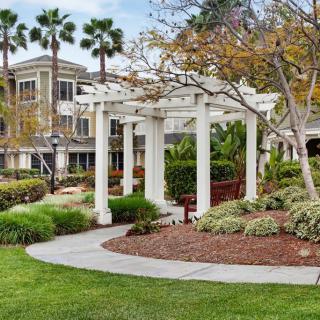
Families repeatedly report that a smaller, family-style atmosphere reduces anxiety for residents with dementia and lowers paranoia, contributing to more peaceful days. Outdoor spaces, the terrace and garden, offer sun, fresh air, and casual opportunities to observe daily neighborhood life, which can boost mood and engagement. The same caregivers over time create continuity in routines, enabling smoother adjustments to changing conditions and medications. Gentle activities such as chair yoga and light social programming help maintain a sense of purpose and belonging, reinforcing dignity and personal connection that larger facilities often struggle to sustain.
Yet a single review notes serious concerns: disquiet with disrespectful treatment, a lack of awake staffing, and infections coupled with multiple falls. That signal warrants caution: it points to vulnerabilities inherent in a compact, home-like setting where staffing is lean. The takeaway is not to dismiss the positives, but to confirm that awake coverage exists across shifts, that infection control and fall-prevention protocols are explicit and practiced, and that clear escalation pathways are in place for more complex medical needs. Prospective residents should verify staff-to-resident ratios, on-call medical support availability, and contingency plans if emergencies arise.
When safeguards are in place, the advantages markedly offset potential drawbacks. The promise of consistently attentive care, rapid responsiveness, and deep personal relationships translates into measurable daily well-being for residents who otherwise risk isolation in more crowded environments. Families gain the benefit of straightforward communication, transparent routines, and the comfort of being able to visit freely without negotiating with a large staff. The trade-off is a narrower medical footprint and less formal programming than a larger memory-care campus, which means alternative options should be considered for residents needing high-acuity monitoring or extensive, structured activities.
In the end, Princeville by the Sea stands out as a compelling choice for seniors who prize dignity, warmth, and individualized attention within a small, close-knit setting near Seal Beach. It is less well-suited for those demanding aggressive, hospital-style medical oversight or expansive memory-care curricula. Prospective families should visit, meet the caregivers, and ask pointed questions about awake staffing, emergency preparedness, and how care plans adapt when medical needs intensify. For families aligned with a home-like, intimate approach and the reassurance of 24/7 care delivered by a stable team, Princeville delivers a rare combination of comfort, respect, and practical, capable support.
 Board and Care Home
 Memory Care
 Devotional services off-site
 Indoor common areas
 Outdoor common areas
 Private
 Respite or short term stays offered
 Wheelchair accessible showers
 Long Beach (Daugherty) (7 miles away)
 Ambulatory care
 Incontinence care
 Medication management
 Meals provided
 Engaging Memory Care Activities That Enhance Quality of Life
 When to Transition from Assisted Living to Memory Care: Key Indicators, Steps, and Finding the Right Community
 Understanding the Distinctions: Assisted Living and Memory Care Explained