
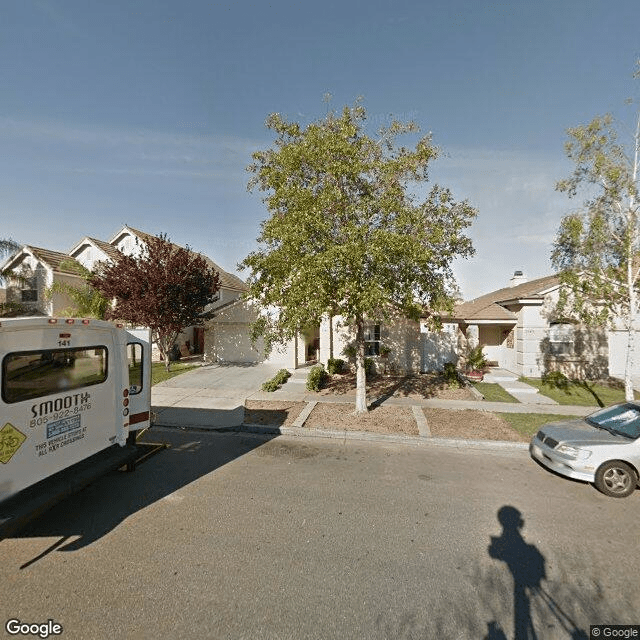
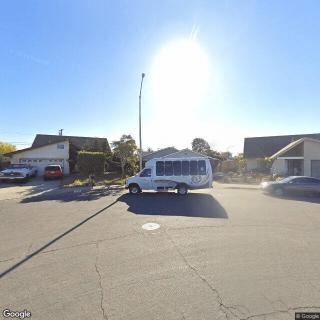
2341 Bentley Avenue, Santa Maria, CA 93458
To contact a resident: (805) 354-0623
For more information about senior living options: (866) 208-4318
Miss Linda's Guest Home Costs & Pricing
Miss Linda's Guest Home offers competitive pricing for its accommodations, providing a welcoming environment at a significantly lower cost compared to both Santa Barbara County and the broader California market. For a semi-private room, the monthly fee is $1,500, which starkly contrasts with the county average of $3,007 and the state average of $3,333. Similarly, for those seeking more privacy, a private room at Miss Linda's costs $2,500 - again beneath both the county's $3,480 and California's higher rate of $3,939. This makes Miss Linda's an attractive option for individuals seeking quality care without the burden of excessive expenses.
| Floor plans | Miss Linda's Guest Home | Santa Barbara County | California |
|---|---|---|---|
| Semi-Private | $1,500 | $3,007 | $3,333 |
| Private | $2,500 | $3,480 | $3,939 |
Overall Review of Miss Linda's Guest Home
Cons
 He has no quality of life.
- He receives no therapy or exercise.
- He never goes anywhere and doesn't even get to go outside.
- He gets maybe one shower a month, if that, and shaved even less often.
- He eats only Top Ramen or oatmeal.
- His days are spent parked in his wheelchair in front of a television set.
Review
Miss Linda's Guest Home in Santa Maria is only truly appropriate for families with extremely limited options and a tolerance for caregiving that feels minimal and largely unfocused on quality of life. The sole review portrays a resident who is almost completely disabled and who received little to no therapy, no consistent exercise, and almost no opportunities to leave the premises or engage meaningfully with staff. Personal care routines, showering, shaving, even meals, appear irregular, and days are spent largely parked in a wheelchair in front of a television. In practical terms, the setting reads more like a basic shelter than a care-focused residence, which means it is not suitable for anyone who requires regular rehabilitation, mobility assistance, or structured daily activity. The implied fit is a very limited one: a family that can supply or finance substantial external support and accepts a minimal level of oversight.
Families should consider alternatives if the goal is dignity, safety, and ongoing improvement in health or function. For most seniors and disabled adults, care that includes regular therapy or rehabilitation, help with transfers and hygiene, daily opportunities for movement, and meals with nutritional variety matters far more than cost alone. If a loved one depends on consistent outdoor time, supervised activity, and social engagement to preserve quality of life, this community falls far short. Even in tighter financial circumstances, the absence of reliable care protocols, supervision, and preventive routines makes this option risky and likely unsatisfactory for long-term needs.
From the available account, there are no evident advantages to offset the significant drawbacks. The absence of documented therapeutic services, structured activity, or reliable personal care means the main concerns, limited engagement, potential neglect, and safety risks, remain unmitigated. The only speculative upside would be a quiet, home-like setting with low staff turnover, but such qualities are not substantiated in the feedback. Without tangible strengths to balance the gaps, the core deficiencies dominate the decision, signaling that this is not a solid foundation for anyone needing meaningful daily support or predictable routines.
When evaluating Miss Linda's against other options, concrete questions must guide the process. What is the staff-to-resident ratio during day and night shifts? Are licensed caregivers available for routine hygiene assistance, mobility help, and medication management? Is there a scheduled program of therapy or exercise, and can rehabilitation services be arranged on site or through approved external providers? How frequent and reliable are showers and personal care, and what meals are actually provided, are there nutritious options beyond staple fare? Is outdoor time and safe access to the community available, and what social or recreational activities are offered? Families should insist on formal confirmations: licenses, inspections, and a clear written outline of services included in the rate, plus a trial period with measurable milestones.
Compared with licensed assisted living or board-and-care settings that emphasize ongoing supervision, mobility support, and structured daily life, Miss Linda's appears misaligned with standard expectations for quality elder care. Families should prioritize facilities with certified staff, routine therapeutic offerings, clearly defined activity calendars, consistent hygiene practices, and predictable nutrition. If cognitive or physical limitations are present, look for environments with memory care options, safety features, and proactive care planning. In short, this option should be considered only after exhausting more robust communities, and only if external caregiving, home health aides, family-provided support, and community-based services, can reliably fill the gaps left by the facility.
this community is not recommended for anyone whose priority is meaningful daily care, rehabilitation, or social engagement. It may be considered only in the narrowest of circumstances where affordability is the overriding constraint and external supports can be guaranteed to compensate for the lack of in-house therapy, regular outdoor time, and consistent personal care. For the majority of families, alternatives that deliver regular therapy, active engagement, reliable hygiene support, and nutritious meals represent a far more prudent path. A careful, candid assessment should name these expectations upfront and direct the search toward options that prove they can deliver on them.
 Board and Care Home
 Memory Care
 Private
 Santa Maria Pub Capt G Allan Hancock (6 miles away)
 Ambulatory care
 Diabetic care
 Incontinence care
 Intimate board-and-care with 24-hour supervision and personalized daily living support.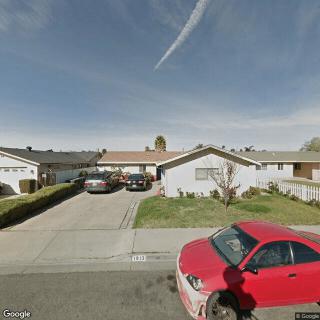


 Comprehending Evening Confusion in Dementia: Causes, Manifestations, and Support
 Delirium and Dementia: Unraveling the Key Differences
 Are Dementia and Alzheimer's Disease Lethal? A Comprehensive Exploration