

946 West Bunny Avenue, Santa Maria, CA 93458
For more information about senior living options: (866) 208-4318
Villa Care Home II Costs & Pricing
Villa Care Home II offers competitive pricing for its accommodations in comparison to the surrounding Santa Barbara County and the broader California market. For semi-private rooms, Villa Care Home II charges $3,200 per month, which is slightly above the county average of $3,007 but remains lower than the state average of $3,333. In addition, private rooms at Villa Care Home II are priced at $3,500 monthly; this is marginally higher than the county's average of $3,480 yet significantly more affordable than the statewide average of $3,939. Overall, while Villa Care Home II's rates are positioned just above local averages for some room types, they still provide a valuable option within the context of California's generally higher cost landscape.
| Floor plans | Villa Care Home II | Santa Barbara County | California |
|---|---|---|---|
| Semi-Private | $3,200 | $3,007 | $3,333 |
| Private | $3,500 | $3,480 | $3,939 |
Assisted Living communities with a similar price nearby
-
About the same

Oak Park Manor
$3,200 / month15.3 miles away -
from -$205 / mo

Wyndham Residence
$2,995 to $3,300 / month13.6 miles away -
from +$470 / mo

The Oaks at Nipomo
$3,670 to $6,045 / month5.6 miles away -
from -$400 / mo

Avila Senior Living at Downtown SLO
$2,800 to $6,800 / month24.9 miles away -
About the same
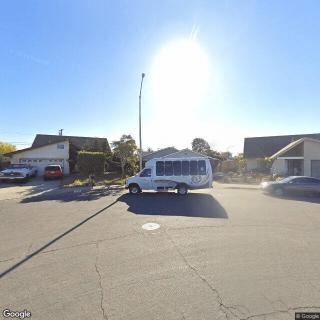
Villa Care Home I
$3,200 to $3,500 / month0.0 miles away
Overall Review of Villa Care Home II
Pros
 The staff are warm, kind, and professional, consistently going above and beyond to meet each resident’s needs.
- The facilities are impeccably clean, beautifully decorated, and provide a welcoming, home-like atmosphere.
- Residents enjoy engaging activities and meals that are delicious and well-balanced.
- The care teams work well with other health professionals and doctors to coordinate comprehensive care.
- The atmosphere feels like a true home with personal attention and compassionate, patient care.
- Families feel confident and grateful for the high-quality care and support their loved ones receive.
- The staff treat residents like family and truly care about their individual preferences and well-being.
Cons
 There wasn’t a lot for the residents to do due to COVID.
Review
Villa Care Home II in Santa Maria is best suited for seniors who want a true home atmosphere and exceptionally hands-on, relationship-driven care. The community shines when a loved one thrives on personal attention, warmth from staff, and daily routines that feel like family living rather than a clinical setting. It is especially well-matched for older adults who require help with activities of daily living, appreciate nutritious, well-prepared meals, and rely on a collaborative approach with physicians and care partners. Those who value consistent, compassionate companionship from caregivers, coupled with a setting that emphasizes dignity, gentleness, and a sense of belonging, will find this home to be a strong fit.
Yet there are clear reasons some families may want to explore alternatives. If medical needs are advanced or unpredictable, or if a resident requires 24/7 on-site skilled nursing with a broad medical staff, a larger, more clinical facility could be a better match. For families seeking a campus with extensive structured activities, multiple on-site therapy options, or a formal memory-care wing with intensive supervision, Villa Care Home II may feel less comprehensive. Likewise, households prioritizing a high-volume social calendar or highly specialized programming might prefer a larger community with more extensive resources. These are legitimate considerations when the goal is to match care intensity with needs and preferences.
The strongest pros, an intimate, home-like environment, staff who deliver highly personalized attention, and consistently high standards of daily care, do more than compensate for the small-scale model. Residents benefit from staff that treat them with genuine kindness and patience, even as cognitive or physical needs evolve. The meals are praised as thoughtful and appetizing, the rooms are comfortable, and the atmosphere radiates calm and respect. Family members repeatedly note staff willingness to go beyond the call of duty, helping locate physicians, coordinating medical appointments, and ensuring grooming, self-care, and daily routines stay on track. In a setting where relationships matter to long-term well-being, these strengths create a safety net that larger, more impersonal facilities often struggle to replicate.
Another major advantage is the demonstrated commitment to a truly caring culture. The care team’s consistency and professionalism are consistently highlighted, with several reviews stressing how residents are treated like family and how the care team maintains dignity even in challenging health stages. The result is a dependable rhythm of days that emphasizes comfort, companionship, and respect. For families, this translates into fewer worries about neglected needs or rushed care, because staff are engaged, communicative, and invested in resident happiness. The personal touch, whether it is attentive meals, careful grooming, or meaningful interactions, forms a core counterbalance to any potential limits inherent in a smaller operation.
When evaluating Villa Care Home II against alternatives, practical considerations should guide the decision. Prospective residents should assess whether a more intimate, family-style setting aligns with their loved one’s desire for companionship, consistent caregivers, and individualized menus, versus seeking a facility with broader medical services and a wider activity slate. Ask about staff-to-resident ratios, emergency protocols, and how medical coordination is handled on a day-to-day basis. Tour the home with a focus on how residents respond to routine, how meals are prepared, and whether there is visible continuity in caregiving staff. The answers will clarify whether the home delivers on its promise of warmth and personal attention, or whether a more resource-rich environment is necessary.
Bottom line: Villa Care Home II stands out for families seeking a warm, professionally run, small-community feel where residents are known well by the team and treated with genuine kindness. It is an excellent choice for seniors who do best in a nurturing, home-based setting and for families who want a high degree of caregiver involvement and easy alignment with medical providers. Those needing robust on-site nursing, high-intensity memory-care programs, or a broad, activity-forward campus should consider alternatives that deliver more extensive clinical resources and programming. For the right fit, this community delivers peace of mind, practical daily support, and a sense of home that makes a meaningful difference in quality of life.
 6 resident community capacity
 Assisted Living
 Board and Care Home
 Cable or satellite TV
 Dining room
 Fully furnished
 Garden
 Housekeeping services
 Move-in coordination
 Outdoor space
 Private
 Telephone
 Wi-Fi/high-speed internet available
 Santa Maria Pub Capt G Allan Hancock (4 miles away)
 24-hour supervision
 Activities of daily living assistance
 Ambulatory care
 Assistance with bathing
 Assistance with dressing
 Assistance with transfers
 Diabetes diet
 Diabetic care
 Incontinence care
 Meal preparation and service
 Medication management
 Special dietary restrictions
 Transportation arrangement (medical)
 Transportation to doctors appointments


 Vibrant Senior Living: A Comprehensive Guide for Active Older Adults
 When to Transition from Assisted Living to Memory Care: Key Indicators, Steps, and Finding the Right Community
 Assisted Living and Memory Care: Understanding Their Core Differences