
965 Robert Lane, Santa Maria, CA 93455
For more information about senior living options: (866) 208-4318
Overall Review of Villa Care Home III
Pros
 Villa Care is described as a wonderful place for elderly parents who can't live alone.
- The care is excellent and long-lasting, with staff who collaborate well with other health professionals and doctors.
- Residents are cared for with the tenderness of family, with caregivers treating them like their own mother.
- The atmosphere is warm, comfortable, and full of life, with kind and professional staff and pleasant residents.
- Villa Home IV is an exceptional facility that exceeds expectations, boasting warmth, kindness, and a clean, beautifully decorated environment.
- The care at Villa Home IV is top-notch, with highly trained, attentive staff who go above and beyond, plus varied activities and delicious, well-balanced meals.
- Families feel confident in Villa Home IV and frequently recommend their services.
- Villa Care Homes are described as excellent, well-run, affordable, with staff who treat residents like family and provide personal attention and grooming.
Review
Villa Care Home III in Santa Maria is best suited for seniors who can no longer live independently but flourish in a small, home-like setting where caregiving feels intimate and highly personalized. It works especially well for residents who value steady routines, close staff engagement, and a family atmosphere that treats each person with warmth and respect. The community’s strength is in creating a lived-in sense of belonging, meals, grooming, and daily activities framed around familiar rhythms and gentle supervision. Families dealing with memory challenges or chronic health needs will notice a meaningful contrast to hospital-like environments, as staff know residents by name and anticipate needs before they’re voiced.
For families weighing options, it is prudent to consider alternatives if clinical intensity and breadth of medical resources are priorities. Larger, hospital-affiliated facilities or dedicated memory-care campuses can offer more aggressive therapy schedules, broader on-site medical teams, and a wider array of specialized equipment. Villa Care Home III delivers extraordinary personal attention within an intimate footprint, but that means a different cadence and range of services than bigger operations. Those seeking formal, regimented care plans with frequent on-site physicians or expansive rehabilitation programs may find other communities more aligned with their expectations.
The strongest draws are the staff’s warmth and the care team’s willingness to go the extra mile. Residents are treated like family, and families repeatedly describe confidence that care is coordinated with doctors and other health professionals. The environment earns praise for cleanliness and tasteful decor, reinforcing dignity and comfort. Meals are described as enjoyable and well-balanced, and activities, though modest in scale, offer variety and engagement that keep residents connected to meaningful routines. Even as health challenges advance, caregivers remain patient, kind, and attentive, maintaining a calm, respectful atmosphere that helps residents feel secure and valued.
This combination of dedication and home-like charm helps offset the absence of a larger clinical footprint. Grooming and self-care are highlighted as impeccable, and small touches, personal attention to preferences, familiar routines, and genuine courtesy, deliver a higher quality of life than many larger facilities achieve at comparable cost. The owner and staff are consistently portrayed as professional and reliable, reinforcing trust for families navigating tough decisions. The tighter operation’s downside, less institutional polish and fewer on-site specialists, is mitigated by deep relationships, predictable staff assignments, and day-to-day life that feels more like living with trusted caregivers than a medicalized stay.
When evaluating Villa Care, families should look for the kinds of evidence that matter most in daily living: staff-to-resident interaction, responsiveness to questions, and the ability to tailor activities and meals to preferences. Ask about dementia training, care planning, and how changes in health are monitored and escalated. Inquire about end-of-life care conversations, consent, and comfort-focused options. A visit should reveal a bustling but orderly environment where residents are dressed neatly, engaged in purposeful activity, and greeted warmly by attentive caregivers. Given the emphasis on family-like care and individualized attention, the most important questions center on continuity of staff, transparency in care decisions, and the availability of social programming that aligns with personal interests.
Overall, Villa Care Home III stands out as a practical, compassionate choice for seniors who thrive in a small, nurturing community where caregivers know residents well and coordinate with medical teams. It is especially well-suited for memory-impacted elders and those who value dignity, routine, and home atmosphere over institutional grandeur. Alternatives should be pursued if the priority is clinical intensity, aggressive therapy, or expansive on-site medical resources. For families ready to lean into a trusted, intimate setting, a careful visit should confirm alignment with care goals, budget, and the daily realities that will shape the senior’s quality of life over time.
 6 resident community capacity
 Assisted Living
 Board and Care Home
 Cable or satellite TV
 Dining room
 Fully furnished
 Garden
 Housekeeping services
 Move-in coordination
 Outdoor space
 Telephone
 Wi-Fi/high-speed internet available
 Santa Maria Pub Capt G Allan Hancock (4 miles away)
 24-hour supervision
 Activities of daily living assistance
 Assistance with bathing
 Assistance with dressing
 Assistance with transfers
 Diabetes diet
 Meal preparation and service
 Medication management
 Special dietary restrictions
 Transportation arrangement (medical)
 Transportation to doctors appointments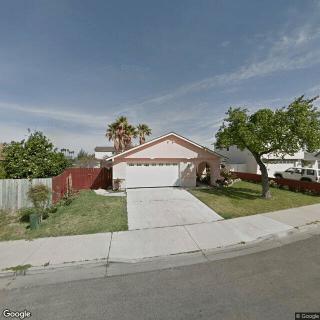




 Medicare Coverage for Assisted Living: An In-Depth Exploration
 Choosing the Right Senior Care: A Detailed Exploration of Assisted Living and Nursing Homes
 Understanding the True Cost of Assisted Living in 2025: A Comprehensive Guide