
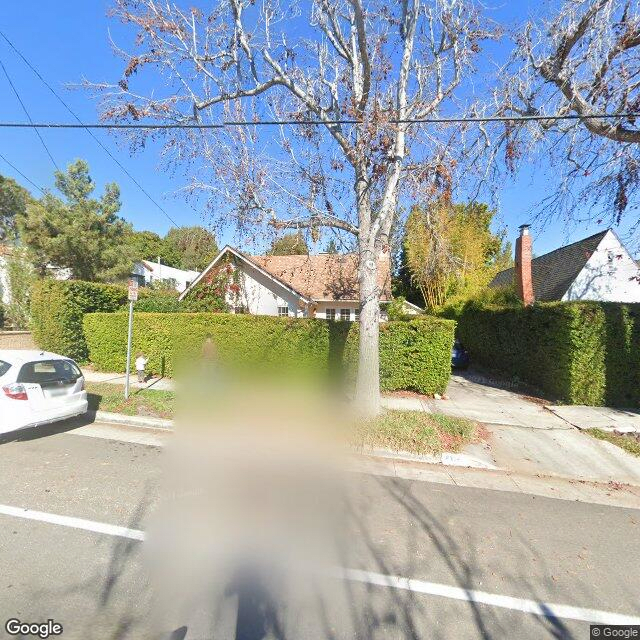
2324 Chapala Street, Santa Barbara, CA 93105
To contact a resident: (805) 687-4646
For more information about senior living options: (866) 208-4318
Fisher House Costs & Pricing
Fisher House offers private and studio accommodations at a monthly rate of $5,000, positioning it as a premium option when compared to the local market in Santa Barbara County and throughout California. In the county, the average costs for a private room stand at approximately $3,480, while studios are priced around $4,147. On a broader scale within California, private rooms average about $3,939 and studios are similarly priced at $4,145. While Fisher House's rates exceed those of its surrounding areas, it is important to consider the specialized support and services provided to military families during challenging times, which can significantly enhance their experience and comfort.
| Floor plans | Fisher House | Santa Barbara County | California |
|---|---|---|---|
| Private | $5,000 | $3,480 | $3,939 |
| Studio | $5,000 | $4,147 | $4,145 |
Memory care communities with a similar price nearby
-
from -$800 / mo

Mission Villa
$4,200 to $4,500 / month0.5 miles away -
About the same

The Good Shepherd, LLC
$5,000 to $5,500 / month6.9 miles away -
About the same

Cliff View Terrace
$5,000 to $6,500 / month2.2 miles away -
About the same

Mariposa at Ellwood Shores
$4,995 to $7,615 / month8.3 miles away -
from -$600 / mo

Villa Alamar Memory Care
$4,400 to $5,650 / month0.5 miles away
Overall Review of Fisher House
Pros
 The director is wonderful.
- The director is kind.
- The director is knowledgeable.
- The staff seem nice.
- The dogs are nice.
Review
Fisher House in Santa Barbara is best suited for families seeking a small, personable assisted living where leadership feels accessible and care can feel hands-on. The community leans into a warm, family-like atmosphere, anchored by a director described as wonderful, kind, and knowledgeable. For residents who value steady, responsive leadership and clear lines of communication with administration, this setting can feel reassuring. The environment also appeals to animal lovers, with dogs present in daily life and a resident who loves dogs likely to thrive on the companionship they offer.
The explicit strengths are centered on leadership and day-to-day demeanor. A director who combines warmth with practical expertise can translate into reliable oversight, smoother problem-solving, and a sense that concerns will be heard and acted upon. The reviewer’s impression that staff seem nice reinforces the perception of approachable, attentive care, which often correlates with consistent routines and clearer overflow handling when questions arise. The presence of dogs and the resident’s evident affection for them adds an emotional dimension that can reduce anxiety during transitions and foster social interaction among residents who share that interest.
Yet the data backing these impressions is limited. The facility holds a 3-star rating based on a single review, with no additional feedback to triangulate consistency across staff shifts, weekends, or different seasons. That sparse picture invites caution: it’s difficult to ascertain how well the care meets ongoing needs, how meals and activities satisfy varied tastes, or how safety, medication management, and responsiveness hold up over time. Families should recognize that a lone perspective provides only a partial snapshot and should pursue broader information before deciding.
Overall, the positives offer tangible reassurance for specific priorities, while the absence of a broader evidence base tempers confidence. Strong leadership and a friendly staff can mitigate the risk of a cold or impersonal environment, and the dog-friendly setting delivers meaningful emotional comfort that supports emotional well-being and social engagement. However, without more detailed accounts of daily life, care plans, and measurable outcomes, the advantages may not fully compensate for unknown gaps in programming and clinical oversight. The balance favors cautious optimism rather than unequivocal endorsement.
Who should consider alternatives becomes clear under this lens. Families prioritizing rigorous clinical support, dementia-specific programming, or transparent, multi-source feedback will likely want to compare Fisher House with other Santa Barbara options that boast richer, more diverse review histories and documented care outcomes. Those with severe allergies to animals or who require highly structured, therapy-driven schedules may find the dog-friendly, informal atmosphere less aligned with their needs. For residents with complex medical needs or those seeking advanced nursing oversight, it is prudent to widen the search to places offering explicit metrics of care quality and consistency.
Practical next steps center on firsthand verification. Schedule an in-person tour, and observe how staff interactions unfold across different shifts and times of day. Confirm accessibility of the director, responsiveness of the administrative team, and how care plans are developed and updated. Request sample menus, activity calendars, caregiver-to-resident ratios, and specifics on safety protocols and medication management. Seek out additional references beyond the lone review, and compare Fisher House against other Santa Barbara communities to gauge which setting aligns best with medical needs, lifestyle preferences, and family expectations. If the fit rests on a warm leadership style, a pet-friendly, intimate environment, and a human-scale feel, Fisher House can be a compelling choice; if not, a broader comparison will uncover stronger, more evidence-backed options.
 Board and Care Home
 Memory Care
 Cats allowed
 Dogs allowed
 Activities off-site
 Indoor common areas
 Outdoor common areas
 Private
 Santa Barbara Municipal (7 miles away)
 Ambulatory care
 Meals provided





 Why Do Dementia Patients Sleep So Much? Understanding Oversleeping, Stages, and Care Approaches
 8 Key Indicators That Suggest It May Be Time to Transition from Assisted Living to Skilled Nursing Care
 Nourishing the Mind: Essential Dietary Approaches for Dementia