


1900 State Street, Suite B, Santa Barbara, CA 93101
To contact a resident: (805) 687-7777
For more information about senior living options: (866) 208-4318
Overall Review of Senior Helpers of Santa Barbara
Pros
 The team at Senior Helpers is caring, dependable, and understanding.
- The caregivers are thoughtful, professional, thorough, and reliable.
- Senior Helpers helps loved ones live independently at home with supportive care.
- The staff are responsive, courteous, and easy to work with.
- Families experience peace of mind knowing their loved ones are well cared for.
- The caregivers are wonderful, supportive, and caring, providing the right amount of structure and flexibility.
- Clients look forward to the caregiver’s arrival, and feel safe and well cared for.
Cons
 Senior Helpers fired the caregivers while they were caring for a wheelchair-bound wife, leaving her alone for about 10 minutes.
- The staff allegedly tried to justify the incident by saying the client should have called.
- The reviewer advises others not to do business with these uncaring people.
Review
Senior Helpers of Santa Barbara is best suited for families who want to keep a loved one at home with reliable, relationship-driven care and a strong operational backbone. The reviews consistently praise caregivers who are caring, dependable, and empathetic, and they highlight how the team supports independence rather than automatically steering families toward a move to facility-based living. The model clearly works well for seniors navigating recovery after procedures, managing chronic conditions like Parkinson’s, or simply needing help with errands, housekeeping, and daily routines so that the individual can remain comfortably in their own home. The team’s ability to step in for varied needs, short-term, ongoing, or escalating care, provides a compelling case for home-based support when aging in place remains a priority.
Crucial strengths center on the people running the program and the caregivers delivering the service. Administrators Shannon Workman and Liah Ramirez emerge repeatedly as valued anchors: professional, thoughtful, thorough, and reliable. Their leadership translates into a cohesive care experience, with onboarding that feels thorough and billing and updates that keep families informed. Caregivers are described as not only capable but genuinely engaged, staff who show up with warmth, stay consistently aligned with a loved one’s routines, and reduce family anxiety through dependable communication. In practical terms, that means scheduling is responsive, adjustments are made smoothly, and families can trust that the person at the door truly understands the loved one’s preferences and needs.
The hands-on benefits are equally persuasive. The care team handles practical chores like errands and light housekeeping, while also supporting more intimate needs, mobility help after surgery, companionship to ward off isolation, and the structure needed to maintain independence at home. The positive anecdotes about patients looking forward to their caregiver’s arrival and feeling safe and cared for carry real weight. Where a family’s schedule is complex or evolving, sometimes expanding from a few hours to 24/7 coverage, the reviews show a system that adapts without creating chaos. These are not abstract promises but demonstrated outcomes backed by praise for reliability, flexibility, and the peace of mind that follows.
Yet no service is without risk, and this community has one notable blemish in the form of a single, strongly negative account. A family describes an incident where a caregiver left a wheelchair-bound spouse alone and was fired or excoriated for the lapse, raising legitimate concerns about response in emergencies and accountability. This is the kind of outlier that prudent families should weigh carefully. It underscores the importance of explicit expectations, clear back-up coverage, and documented care plans. The overall tenor of the positive reviews suggests that such incidents are not the norm, but they do remind prospective clients to insist on a written contingency plan, direct contact protocols, and a transparent process for handling emergencies or caregiver gaps.
For families weighing alternatives, the questions to ask are telling. If the need is for more intensive medical oversight or round-the-clock nursing feasibility, an assisted living community with on-site clinical resources or a skilled-nursing option may be a better fit. If the objective centers on social enrichment in a communal setting with built-in activities, a residential care community could offer a different value proposition. If cost or availability becomes a constraint, or if a more scripted 24/7 live-in arrangement with guaranteed backup is essential, exploring multiple providers will reveal which organization delivers the most consistent caregiver pairing and operational reliability. Senior Helpers stands apart for in-home, relationship-driven care, but it is not the only path to confident aging in place.
Bottom line: for families prioritizing continuity of care at home, Senior Helpers of Santa Barbara delivers an exceptionally strong option. The combination of empathetic caregivers and a capable, engaged leadership team translates into real-world benefits, less daily stress for families, more consistent routines for loved ones, and tangible progress in maintaining independence. The strongest diligence approach is to engage early with Shannon and Liah, request a clear care plan and backup coverage policy, and arrange a few trial weeks to assess caregiver fit and responsiveness. If the goal is to preserve home life with a trusted, communicative partner handling day-to-day care, this provider earns serious consideration; if the layout requires robust medical oversight or a community environment with built-in social programming, alternatives should be explicitly compared to ensure the chosen option aligns with long-term needs.
 Santa Barbara Municipal (7 miles away)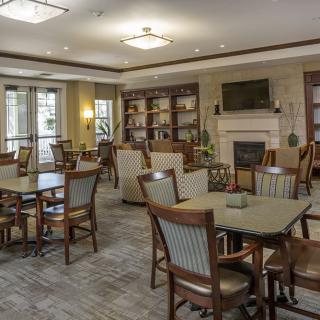







 Essential Knowledge on Pneumonia in Older Adults
 Exploring Palliative Care in the Home: A Comprehensive Overview
 Comprehensive Insights into Palliative Home Care: What It Is and What to Expect