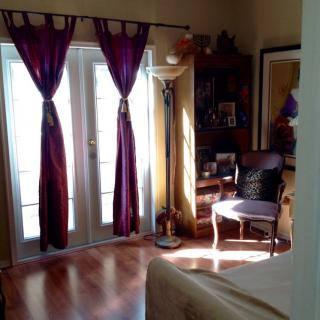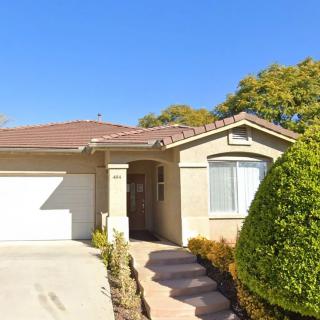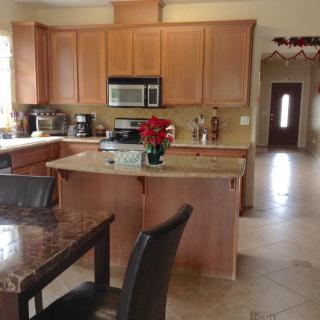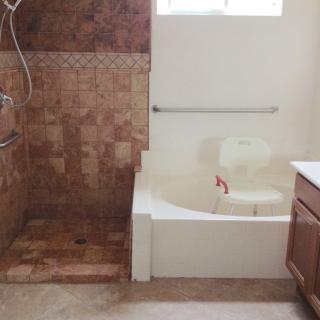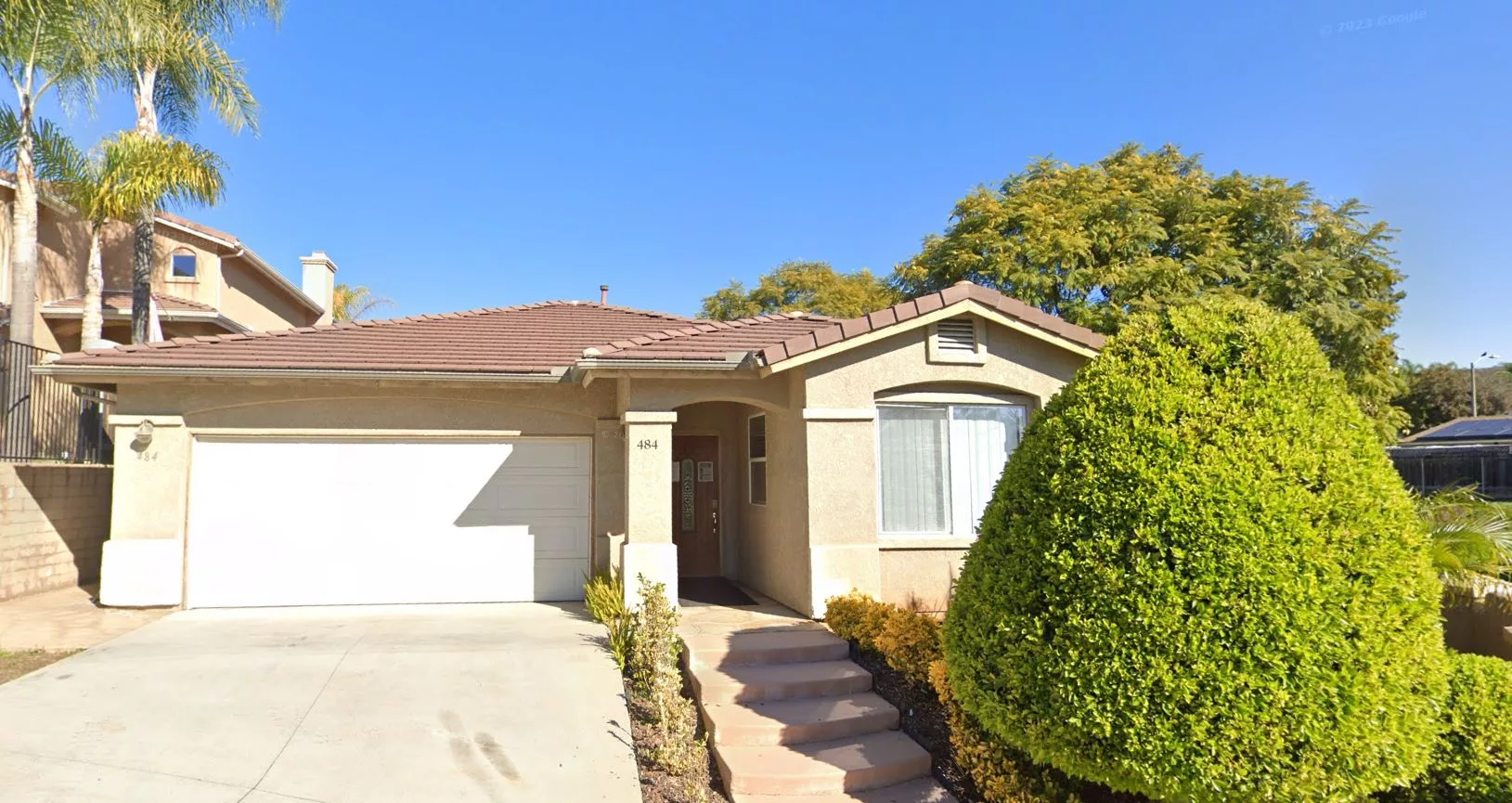
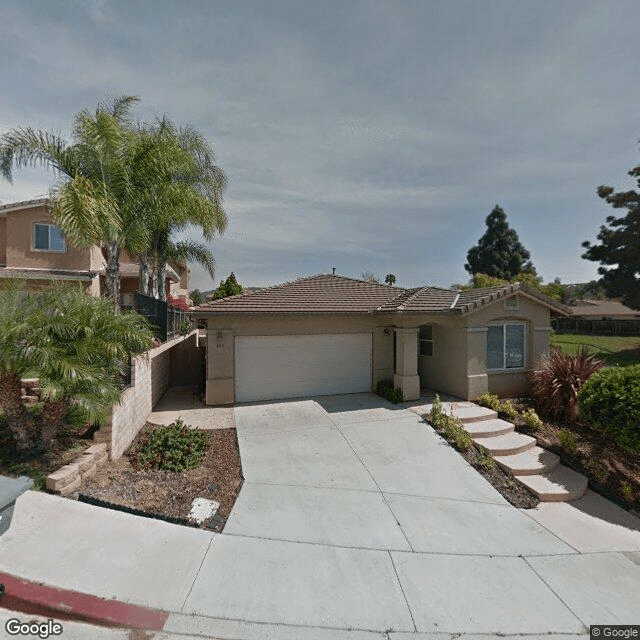
484 Chardonnay Ct, San Marcos, CA 92069
To contact a resident: (714) 322-1910
For more information about senior living options: (866) 208-4318
Sapphire Pacific - Chardonnay Costs & Pricing
Sapphire Pacific - Chardonnay offers competitive pricing that aligns closely with the broader market in San Diego County and the state of California. For semi-private accommodations, residents can expect to pay $3,300 per month, which is notably lower than the county average of $3,518 and slightly under the statewide average of $3,333. In terms of private rooms, Sapphire Pacific matches the county's pricing at $4,000 while staying consistent with California's overall rate. Additionally, for those interested in one-bedroom units, the monthly fee at Sapphire Pacific remains competitive at $4,000 compared to San Diego County's average of $4,315 and California's typical cost of $4,340. These rates highlight Sapphire Pacific - Chardonnay as a value-driven option for individuals seeking quality living arrangements within a desirable setting.
| Floor plans | Sapphire Pacific - Chardonnay | San Diego County | California |
|---|---|---|---|
| Semi-Private | $3,300 | $3,518 | $3,333 |
| 1 Bedroom | $4,000 | $4,315 | $4,340 |
| Private | $4,000 | $3,939 | $3,939 |
Memory care communities with a similar price nearby
-
from -$500 / mo
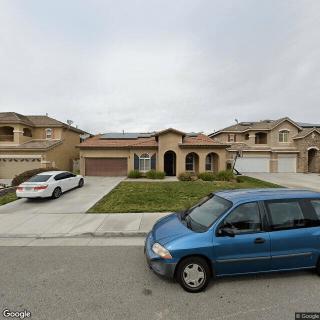
Pebble Brook Senior Home Care
$2,800 to $4,000 / month23.6 miles away -
from +$200 / mo

Ramona Senior Lodge Assisted Living
$3,500 to $5,500 / month16.8 miles away -
About the same
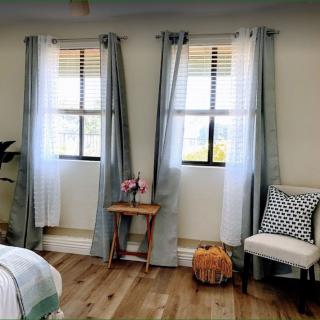
Mountain View Manor
$3,250 / month8.4 miles away -
from -$100 / mo
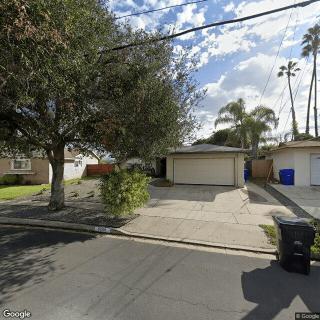
Baron's Residential Care Inc. - Lodi Gardens
$3,200 to $4,000 / month21.6 miles away -
from -$300 / mo
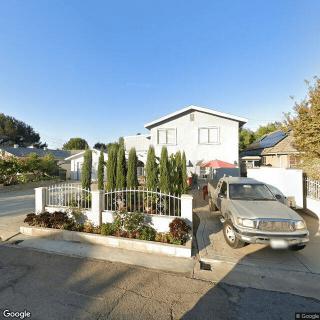
Lilac Chateau I
$3,000 to $4,500 / month23.3 miles away
Overall Review of Sapphire Pacific - Chardonnay
Pros
 The costs never increase.
- The facility offers nice Easter activities.
- They provide puzzles as activities.
- The owner is very responsive.
- They have a doctor who visits weekly.
- They provide mobile X-ray services.
- They are a very caring place.
- The location is beautiful.
Cons
 They could offer more activities beyond puzzles.
- They mainly do puzzles, offering little variety in activities.
Review
Sapphire Pacific - Chardonnay in San Marcos is best suited for seniors who value a calm, intimate care environment where staff attention is consistently high, costs stay predictable, and medical oversight is close at hand. This community shines for families that want near-personalized support, where caregiver presence is substantial and daily routines are guided with a careful, watchful eye in a beautiful setting. The almost 1:1 caregiver-to-resident ratio translates into rapid assistance, safer transfers, and stronger cues for changes in condition, while the weekly physician visit and on-site mobile X-ray create a practical medical corridor without ferried trips to off-site clinics. The owner’s responsiveness reinforces a hands-on, problem-solving approach that smooths transitions and makes families feel heard when questions arise. For households prioritizing stability, safety, and a home-like feel, this is a compelling fit.
That said, this community may not be the ideal match for families seeking a bustling, activity-packed environment. The program is described as being modest in scope, with a focus on puzzles and select Easter activities rather than a full slate of daily outings, classes, or varied social opportunities. For residents who thrive on constant stimulation, diverse hobbies, and frequent organized excursions, alternatives offering a richer activity calendar and more expansive engagement opportunities will likely deliver a more satisfying social rhythm. Those who want a high-energy atmosphere or specialized programs, beyond occasional seasonal events, should consider other options to align with expectations for days filled with structured, varied programming.
The key pros, stable pricing, attentive staff, and integrated medical access, materially offset many potential drawbacks. Predictable costs provide real budgeting clarity for families worried about inflation or surprise charges, a practical advantage in long-term planning. The high staff presence means residents receive timely help with dressing, mobility, and daily routines, reducing friction and anxiety for both seniors and their loved ones. The combination of a caring culture and a medical backbone, weekly physician visits and mobile X-ray, creates a powerful safety net: medical input is readily available, and urgent questions often meet a quick, informed response without navigating multiple facilities. While not a substitute for around-the-clock nursing, these factors together create a dependable core of care that minimizes unmanaged risk.
Medical integration stands out as a standout strength. The presence of a good doctor who comes in weekly, plus the convenience of a mobile X-ray service, translates into fewer trips, clearer care plans, and improved confidence for families monitoring chronic conditions or emerging health concerns. In practice, this means more proactive management of medical issues on-site, smoother communication with care staff, and greater continuity as health needs evolve. The very same dynamic, responsive administration and a team that clearly prioritizes resident well-being, fuels trust and reduces the stress typically tied to transitions into assisted living. For seniors who value medical accessibility as part of everyday life, this arrangement offers tangible reassurance.
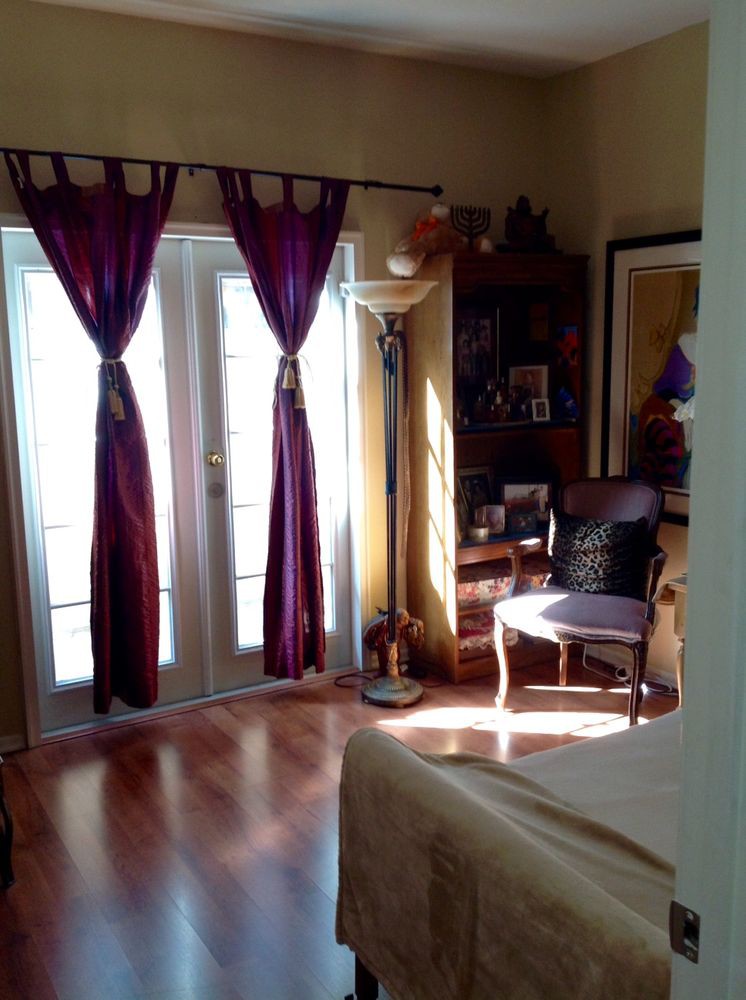
The setting and culture are strong anchors for decision-makers weighing this community. A beautiful location contributes to a serene daily experience, which can support mood, engagement, and a sense of normalcy. The social fabric may feel intimate rather than sprawling, and that suits families seeking warmth, familiarity, and dependable care in a compact environment. However, it is prudent to verify current activity options during a visit, gauge how often staff initiate meaningful engagement, and confirm that the pace of social life aligns with the resident’s preferences. If mobility or independence levels shift, confirm what adaptive programs exist to preserve autonomy within the same small-team format.
In the end, Sapphire Pacific - Chardonnay presents a disciplined balance: reliable, compassionate care with strong medical touchpoints and a tranquil setting, paired with pricing that remains steady over time. It is a pragmatic choice for families prioritizing safety, staff attentiveness, and predictable costs, over a high-energy activity calendar. Those with higher expectations for daily enrichment or extensive social programming should explore alternatives with more expansive programming and variety. Prospective buyers should schedule a tour armed with targeted questions: how the 1:1 ratio plays out in practice across shifts, what the current activity calendar actually looks like, how long the doctor’s visits take, what the process is for updating care plans, and exactly what “no cost increases” covers so planning remains precise for years to come.
 Board and Care Home
 Memory Care
 Private
 MC Clellan-Palomar Airport (7 miles away)
 Diabetic care
 High acuity care
 Incontinence care
 Medication management


 An In-Depth Look at Reminiscence Therapy in Dementia Care
 Dementia-Related Hallucinations: Causes, Experiences, and Practical Approaches
 Illuminating Insights About Alzheimer's Disease: Ten Crucial Realities