

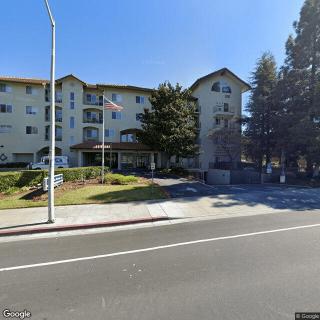
3318 Farthing Way, San Jose, CA 95132
To contact a resident: (510) 295-7859
For more information about senior living options: (866) 208-4318
Villa Margarita Senior Care Costs & Pricing
Villa Margarita Senior Care offers competitive pricing for its residents, particularly when compared to both Santa Clara County and the broader California state averages. For semi-private accommodations, residents can expect a monthly cost of $2,500, which is significantly lower than the county average of $3,943 and the state's average of $3,333. Private rooms at Villa Margarita are priced at $3,500, again more affordable than Santa Clara County's average of $4,096 and California's average of $3,939. Additionally, for those seeking a one-bedroom unit, Villa Margarita's rate of $4,000 contrasts favorably with the county's average of $5,861 and the state's typical charge of $4,340. These rates position Villa Margarita as an attractive option for families looking for quality senior care without the financial strain often seen in this region.
| Floor plans | Villa Margarita Senior Care | Santa Clara County | California |
|---|---|---|---|
| Semi-Private | $2,500 | $3,943 | $3,333 |
| Private | $3,500 | $4,096 | $3,939 |
| 1 Bedroom | $4,000 | $5,861 | $4,340 |
Memory care communities with a similar price nearby
-
About the same

San Carlos Elms
$2,500 to $5,880 / month23.2 miles away -
from -$278 / mo
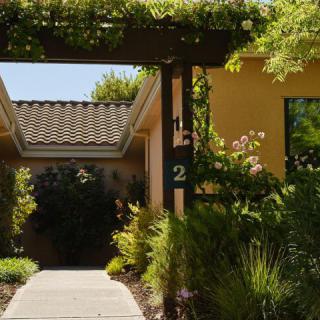
The Forum At Rancho San Antonio
$2,222 / month13.7 miles away -
About the same

Isherwood Care III
$2,500 to $3,500 / month12.6 miles away -
from +$450 / mo

Sunnyside Gardens
$2,950 to $4,450 / month10.7 miles away -
from +$300 / mo
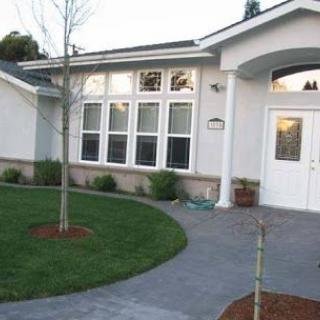
Sweet Little Home
$2,800 to $2,970 / month14.3 miles away
Overall Review of Villa Margarita Senior Care
Pros
 They are very knowledgeable about dementia patients.
- The home is clean and has friendly staff, with good staff numbers for residents.
- They encourage family contact, pictures, and home items.
- They are caring and look after residents very well, with an understanding and encouraging owner.
- Villa Margarita Senior Care is excellent and highly recommended.
Cons
 Before going to Villa, others were very discouraging and caused too much trouble.
Review
Villa Margarita Senior Care in San Jose is best suited for families seeking dementia-focused, home-like assisted living where staff visibility is constant and family involvement is truly encouraged. The setup works particularly well for residents whose daily needs revolve around memory support, gentle supervision, and meaningful engagement rather than hospital-style medical routines. The owner’s hands-on approach and readiness to coordinate external services, such as hospice when appropriate, adds a level of continuity that many families find invaluable during tough transitions. In short, this community delivers warmth, accessibility, and practical, everyday assistance in a setting that feels like home rather than a clinical facility.
The strongest positives are concrete and consistently evident in what families experience daily. Staff appear knowledgeable about dementia care, enabling calmer, more-personal interactions with residents. The home itself reads as clean and welcoming, avoiding institutional vibes that can unsettle memory-impaired individuals. The resident-to-staff ratio seems adequate to provide attentive supervision without feeling rushed, which translates into more individualized attention and fewer moments of distress for residents. Importantly, Villa Margarita makes an explicit effort to keep families engaged, encouraging photos, familiar belongings, and regular contact, so a sense of continuity stays intact for loved ones. The owner’s proactive stance, especially in connecting families with hospice and other needed services, reads as a practical commitment to seamless, coordinated care rather than fragmented support.
Yet, no facility is without trade-offs, and the main question for potential movers is whether the setting can meet higher-medical or more structured programming needs. The reviews convey strong dementia competence, but they offer limited detail about on-site medical oversight, nursing hours, or the breadth of therapeutic activities found in larger memory-care campuses. For residents with complex medical conditions, frequent physician visits, or the expectation of robust 24/7 nursing coverage, Villa Margarita may feel less equipped than bigger facilities that emphasize hospital-like medical management. Similarly, families seeking extensive, tightly scheduled activity calendars or specialized memory-care curricula might find the offerings at a smaller home less comprehensive than those found on larger campuses.
These realities, however, do not cancel out the essential advantages. The dementia-centric expertise, combined with a genuinely home-like environment, creates a reassuring daily experience that can offset the relative absence of broad medical services. The intimate setting reduces confusion and agitation for many residents, while dependable staff numbers translate into steadier routines and quicker response times. The owner’s hands-on involvement, plus a demonstrated willingness to navigate hospice and similar supports, further lowers the risk of crises and disjointed care. In practice, these strengths often translate into more predictable days, closer family involvement, and fewer care gaps when transitioning from hospital or home care.
The likely best-fit audience should also use this as a guiding filter: families prioritizing emotional and social stability, continuity of care, and a responsive, caregiver-first culture will find Villa Margarita compelling. Conversely, families with high, ongoing demand for on-site nursing authority, aggressive medical management, or expansive, facility-wide therapeutic programming may want to explore alternatives. If a resident’s needs point toward advanced skilled-nursing environments, larger memory-care communities, or campuses with multiple neighborhoods and specialized rehab tracks, those options can offer more extensive medical resources and structured programming.
To make a confident decision, prospective families should treat a visit as a diagnostic rather than a tour. Observe how staff speak with residents, note whether care plans are person-centered and current, and inquire about nurse coverage, medication management, and routine physician check-ins. Ask how hospice is integrated, what supports are available, how often the care plan is updated, and who coordinates admissions or transitions. Request examples of daily schedules, memory-stimulating activities, and how family items are incorporated into rooms. If these answers align with a preference for a warm, dementia-focused home with practical service coordination, Villa Margarita stands out as a compelling, practical choice worth prioritizing.
 Board and Care Home
 Memory Care
 Private
 San Jose International (5 miles away)
 Ambulatory care
 Incontinence care




 Understanding Medicaid Coverage for Assisted Living: A Comprehensive Guide
 How and When Medicaid May Cover Assisted Living Costs
 A Detailed Exploration of Assisted Living Medicaid Waivers Across the United States