Revere Court Memory Care offers specialized services tailored for individuals with memory-related conditions, and its pricing reflects the premium care provided. For residents opting for a semi-private room, the cost is set at $5,160 per month, which significantly exceeds the average monthly rate of $3,106 in Sacramento County and the state average of $3,333. Those seeking more privacy can choose a studio unit for $6,150; this too is above both county and state averages of $3,865 and $4,145 respectively. While these figures may appear higher than local benchmarks, they underscore Revere Court's commitment to quality care and supportive environments designed specifically for memory care residents.
Floor plans
Revere Court Memory Care
Sacramento County
California
Semi-Private
$5,160
$3,106
$3,333
Studio
$6,150
$3,865
$4,145
Memory care communities with a similar price nearby
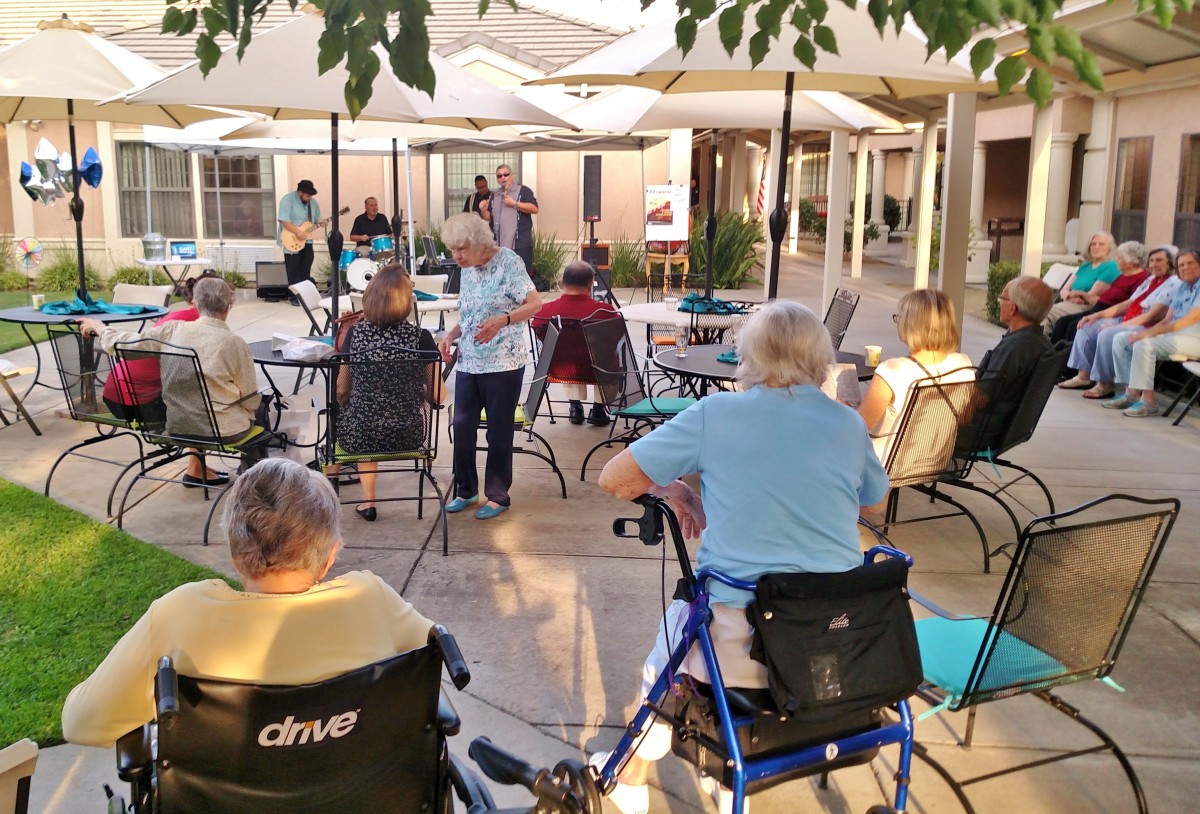
Residents and families repeatedly mention security and safety as a key reason they felt comfortable.
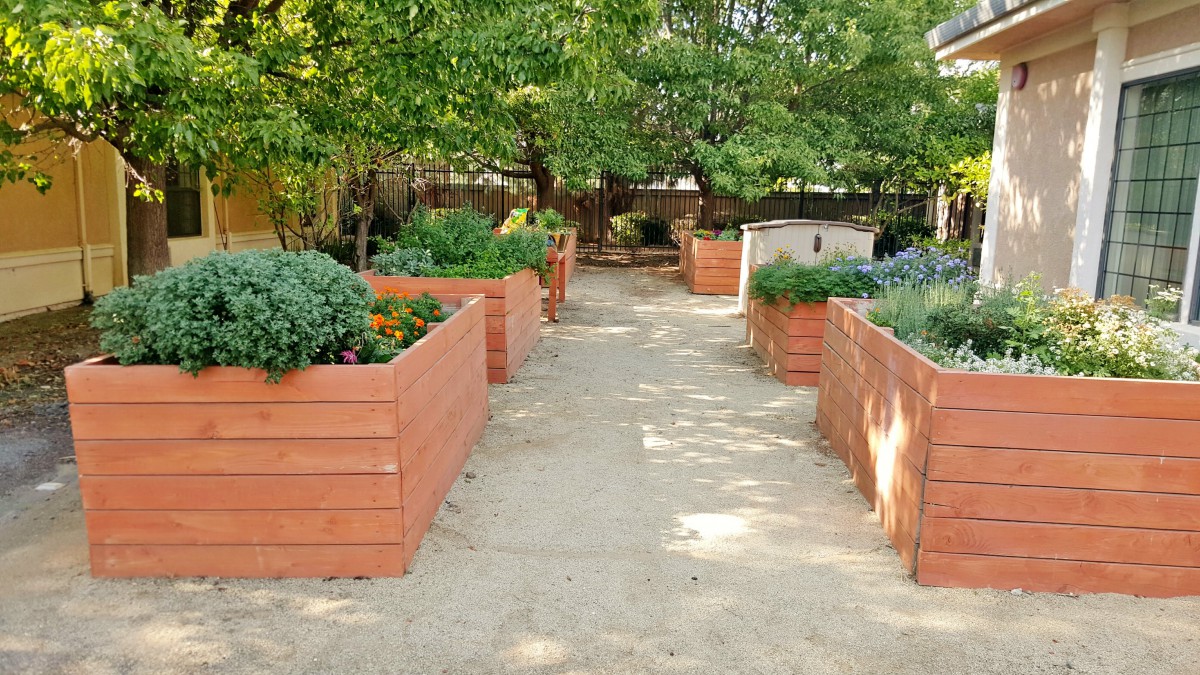
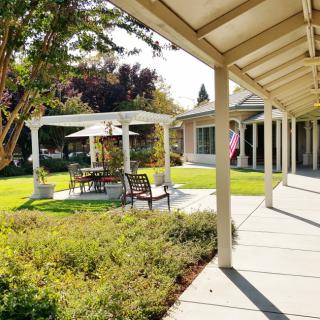
Multiple reviews describe the community as secure and safe for people who need memory-care support, including reassurance around the grounds and how residents can move around outdoors. Families also mention that the setup helps residents feel comfortable, from being able to wander safely through gardens to having enclosed or structured spaces. One review also contrasts the experience by noting that the memory care approach was different from what the family saw elsewhere. Overall, safety shows up as more than a general impression—people tie it to the physical layout and day-to-day confidence they had.
differentiator4 reviews mention this
Memory care stays the focus
Residents say the community is built specifically around memory-care needs rather than treating it as an afterthought.
Several reviews explicitly frame the community as specializing in memory care, including one family that moved their loved one specifically because memory care was the primary focus here. Residents and families also describe supportive routines and programming that help people adjust—especially during the first period of transition. A few reviews also point to how staff and activities integrate with the memory-care setting, like day club involvement and staying engaged within the cottage structure. Taken together, the reviews align with a memory-care-only identity.
common10 reviews mention this
Activities and Day Club matter
Activities show up often, including day club programming and regular options to keep residents engaged.
Reviews frequently mention variety in activities, with people describing day club time and ongoing programs that keep residents socially active. Families note music and group participation, plus practical, hands-on engagement like games and exercise-style activities. One review describes a broader mix that includes art classes and outings, while another highlights residents blending into the day club quickly. The community’s cottage layout also comes up as supporting everyday involvement rather than limiting residents to a single common room.
common7 reviews mention this
Food is repeatedly praised
Dining and food quality are mentioned again and again in residents’ and families’ feedback.
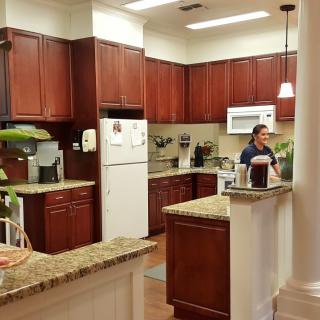
Several reviews call out the food as excellent, including comments that meals are a standout part of the experience. Families mention that there are dining spaces that accommodate residents within cottages, and that residents can eat across cottages as part of the routine. One review also describes kitchen staff and another says the food looked really good, reinforcing that dining is a consistent positive theme. Reviews also connect meal time to normal, home-like living rather than an institutional feel.
differentiator3 reviews mention this
Family support group on-site
Families mention an on-site support group as part of the overall experience.
More than a couple of reviews describe support for families, including caregiver support group meetings. Families specifically mention that these meetings are available on-site and show up as a helpful resource. One reviewer ties the support group to a regular schedule, while others mention encouragement and family involvement in daily life and activities. For many families, this kind of support is part of what makes the community feel workable during a difficult transition.
caveat2 reviews mention this
Pricing comes up as a drawback
Multiple reviewers describe the cost as unusually high, even when they feel the care is worthwhile.
Cost is raised in a couple of reviews, with one family calling pricing too high and giving a monthly figure, while another says it’s expensive but still worth it. These comments stand out because other reviews praise the community’s safety, staff, and activities; the main reservation expressed in the reviews is affordability rather than day-to-day care. If you’re comparing options, these reviews suggest you should pressure-test the budget early and ask what’s included in the cost.
How we summarize
Counts show how many written reviews mention each theme; a review can touch several themes, and only frequently mentioned themes are displayed.
Features
Housing
Studio apartments
Types of Care
Memory Care
Amenities
Activities off-site
Activities on-site
Air-conditioning
Bath tubs
Beautician on-site
Computer center
Devotional services on-site
Financing advice
Garden
Ground floor units
Guasts at mealtime
Guest parking
Handicap accessible
Home sale assistance
Housekeeping services
Indoor common areas
Laundry
Outdoor common areas
Overnight guests
Party space
Resident parking
Respite or short term stays offered
Security gate
TV room
VA Benefits Consultation
Wheelchair accessible showers
Wi-Fi/high-speed internet available
Transportation
Sacramento International (15 miles away)
Transportation & parking
Care Services
Diabetic care
Hospice care
Incontinence care
Medication management
Physical therapy
Dining
Guest meals
International cuisine
Kosher
Low / no sodium
Meals provided
Professional chef
Room service
Special dining programs
Vegetarian
Activities
Activities off-site
Art classes
Arts and crafts
Book club
Cooking classes
Cooking club
Day trips and outings
Devotional activities on-site
Educational speakers / life long learning
Fitness programs
Games
Gardening club
Karaoke
Live dance or theater performances
Live musical performances
Live well programs
Other religious services
Religious services
Stories
Tai Chi
Visiting chaplain or priest
Wii bowling
Yoga / chair yoga
Languages Spoken
English
Nearby Places of Interest
This part of Sacramento, California offers a convenient and bustling urban environment with a variety of amenities nearby. There are several cafes within a few miles, including popular chains like Starbucks and local favorites like Kampala Café. Pharmacies such as Rite Aid and CVS are easily accessible for any medical needs. The area also boasts a range of dining options from fast food joints like Burger King and McDonald's to more upscale choices like Chick-Fil-A. Parks like Renfree Park and William Land Park offer opportunities for outdoor recreation, while the presence of hospitals like Kaiser Permanente South Sacramento Medical Center ensures access to quality healthcare services. In addition, there are places of worship for spiritual fulfillment and theaters for entertainment, making this neighborhood a well-rounded option for senior living.
Cafes
Starbucks (0.6 miles)
Kampala Café (4.1 miles)
Starbucks (4.7 miles)
Starbucks (6.1 miles)
Temple Coffee (6.3 miles)
Starbucks (6.3 miles)
Starbucks (6.7 miles)
Pharmacies
Rite Aid (0.7 miles)
CVS Pharmacy (1.5 miles)
Walgreens (1.9 miles)
Walmart Pharmacy (2.6 miles)
Walgreens (2.6 miles)
South Sacramento Care Center (3.3 miles)
Walgreens (3.3 miles)
Physicians
Site for Sore Eyes - Pocket (0.8 miles)
Kaiser Permanente Medical Group (5.7 miles)
Sacramento County Primary Care Center (5.9 miles)
NVISION Eye Centers - Sacramento (6.2 miles)
Lenaerts Marc Mercy Medical Group Md (6.4 miles)
UC Davis Medical Group- Sacramento- Family Medicine & Pediatrics (6.8 miles)
Kaiser Permanente Sports Medicine Center (6.8 miles)
Restaurants
Burger King (0.8 miles)
McDonald's (1.2 miles)
Chick-Fil-A (2.3 miles)
Auntie Anne's (2.5 miles)
The Sandwich Spot (4.6 miles)
Marie's Do-Nut Shop (5.1 miles)
Taqueria Hecho En Mexico (5.3 miles)
Parks
Renfree Park (0.8 miles)
William Land Park (4.4 miles)
Curtis Park (4.9 miles)
Kobe’s Bark Path (6.1 miles)
Roosevelt Park (6.4 miles)
Capitol Park (6.7 miles)
Granite Park (6.9 miles)
Places of Worship
New Hope Community Church Sacramento (1.7 miles)
St Francis of Assisi (6.9 miles)
Theaters
Regal Delta Shores & Imax (2.2 miles)
Hospitals
Kaiser Permanente South Sacramento Medical Center (5.8 miles)
Revere Court Memory Care offers specialized services tailored for individuals with memory-related conditions, and its pricing reflects the premium care provided. For residents opting for a semi-private room, the cost is set at $5,160 per month, which significantly exceeds the average monthly rate of $3,106 in Sacramento County and the state average of $3,333. Those seeking more privacy can choose a studio unit for $6,150; this too is above both county and state averages of $3,865 and $4,145 respectively. While these figures may appear higher than local benchmarks, they underscore Revere Court's commitment to quality care and supportive environments designed specifically for memory care residents.
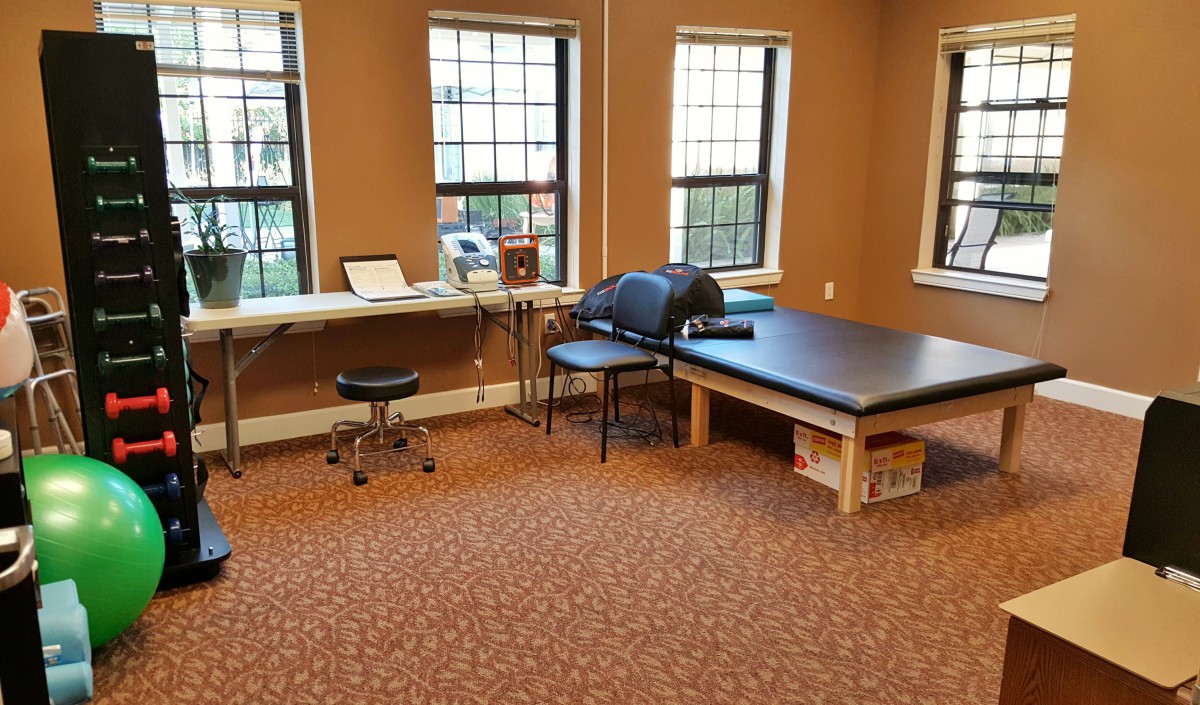
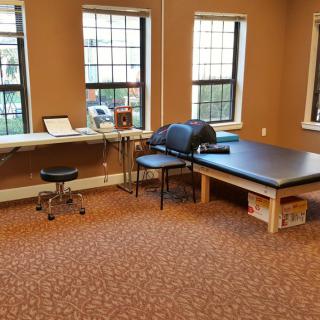
Revere Court Memory Care's incontinence care ensures that residents feel comfortable and dignified, addressing a common challenge faced by individuals with dementia and Alzheimer's. This support helps to minimize anxiety and maintain personal hygiene, contributing to overall well-being. Medication management is another critical feature, providing residents with organized and timely administration of their medications, which is vital for managing symptoms and ensuring adherence to prescribed treatments. Additionally, physical therapy fosters mobility and physical health, allowing residents to engage in tailored exercises that enhance strength and coordination. This holistic approach not only supports physical capabilities but also enriches cognitive function through increased activity levels, ultimately creating a nurturing environment that caters to the unique needs of those living with memory impairment.
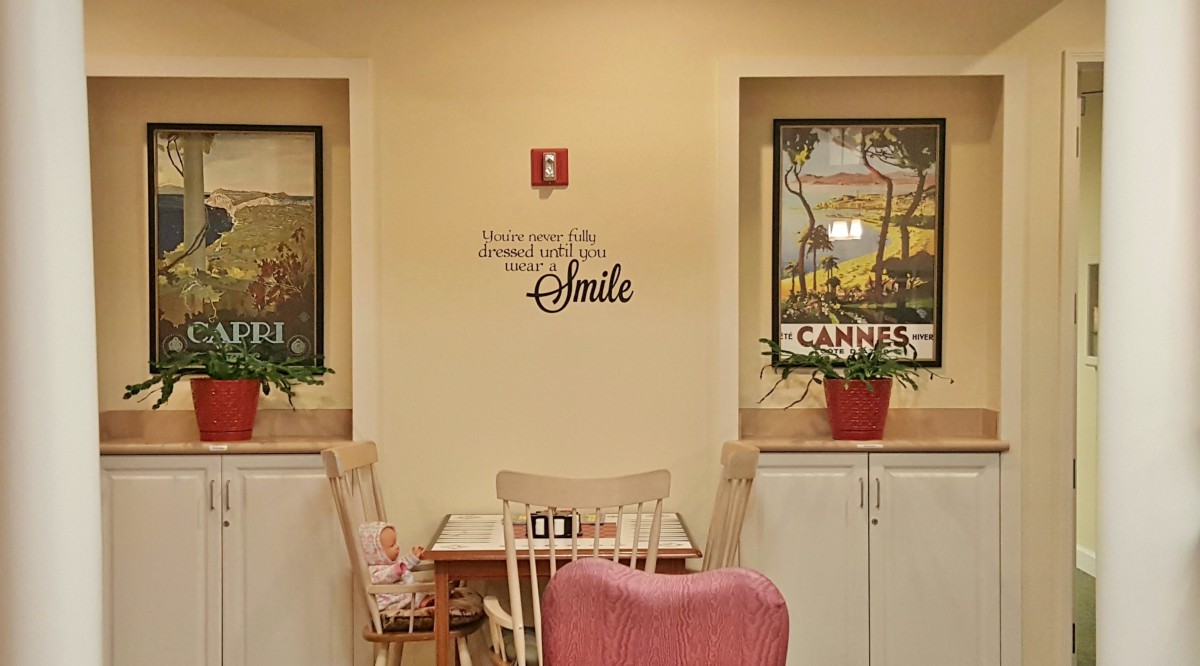
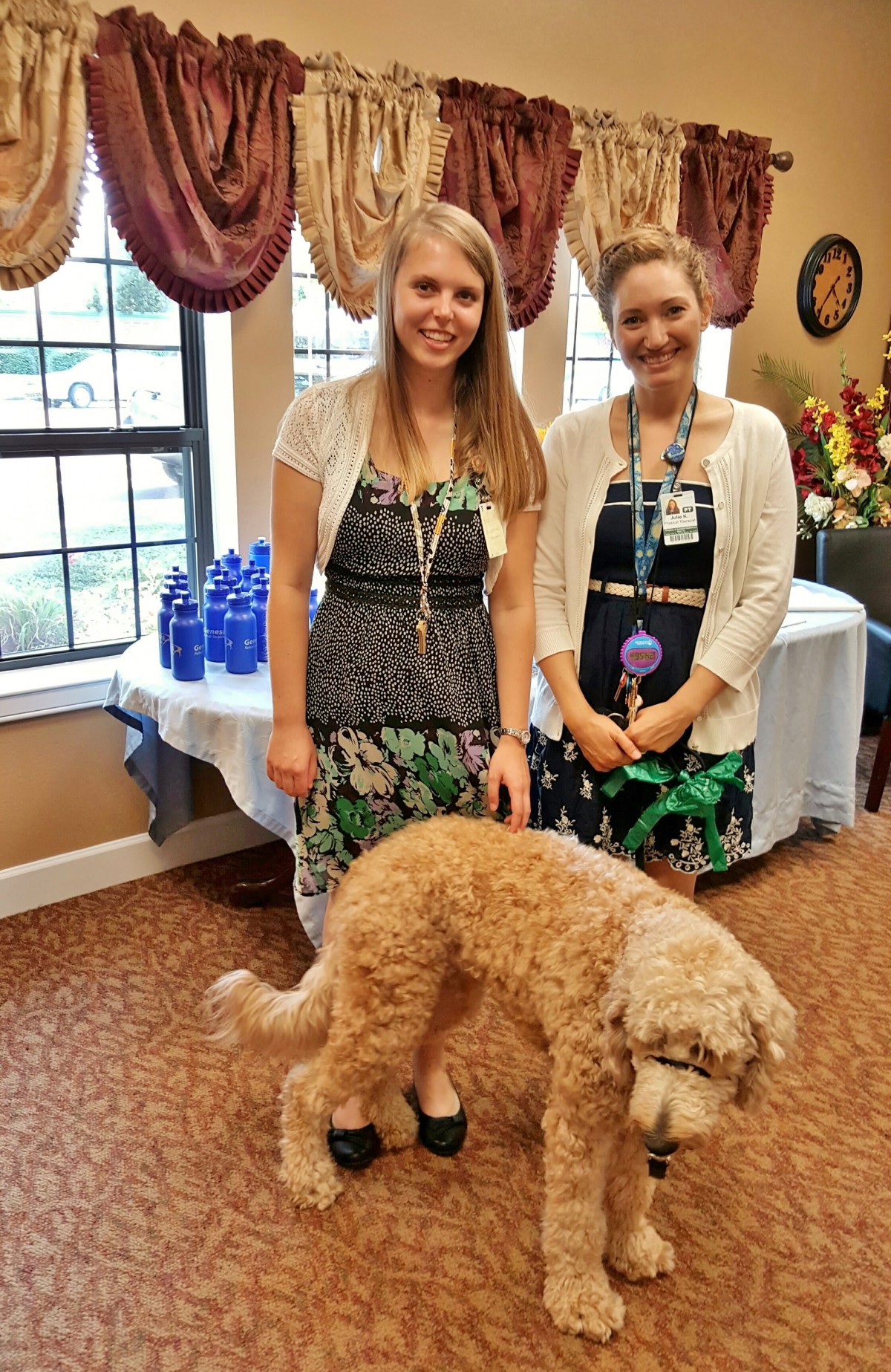
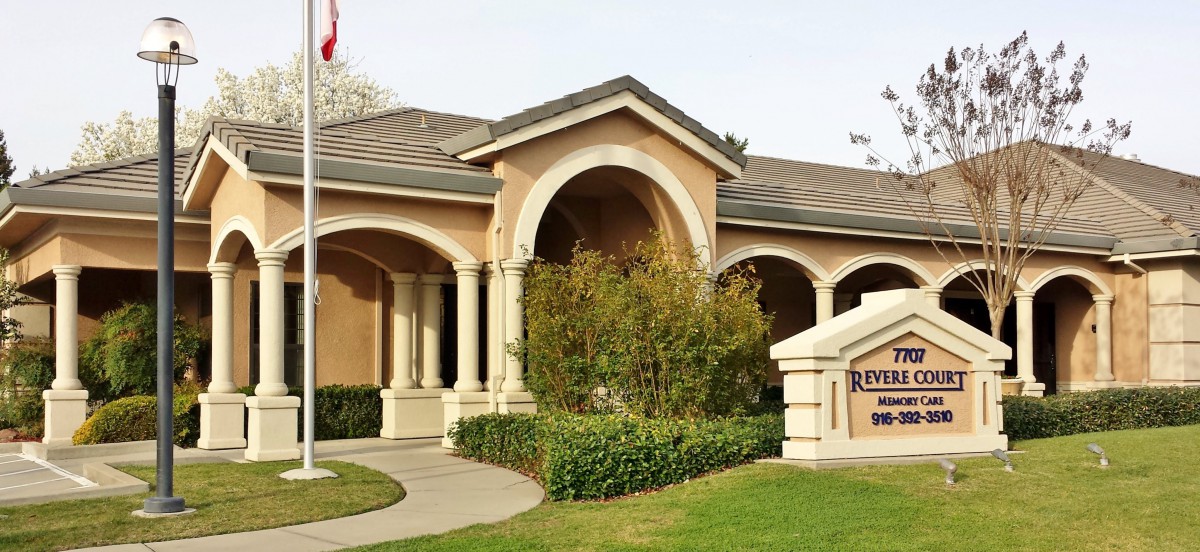
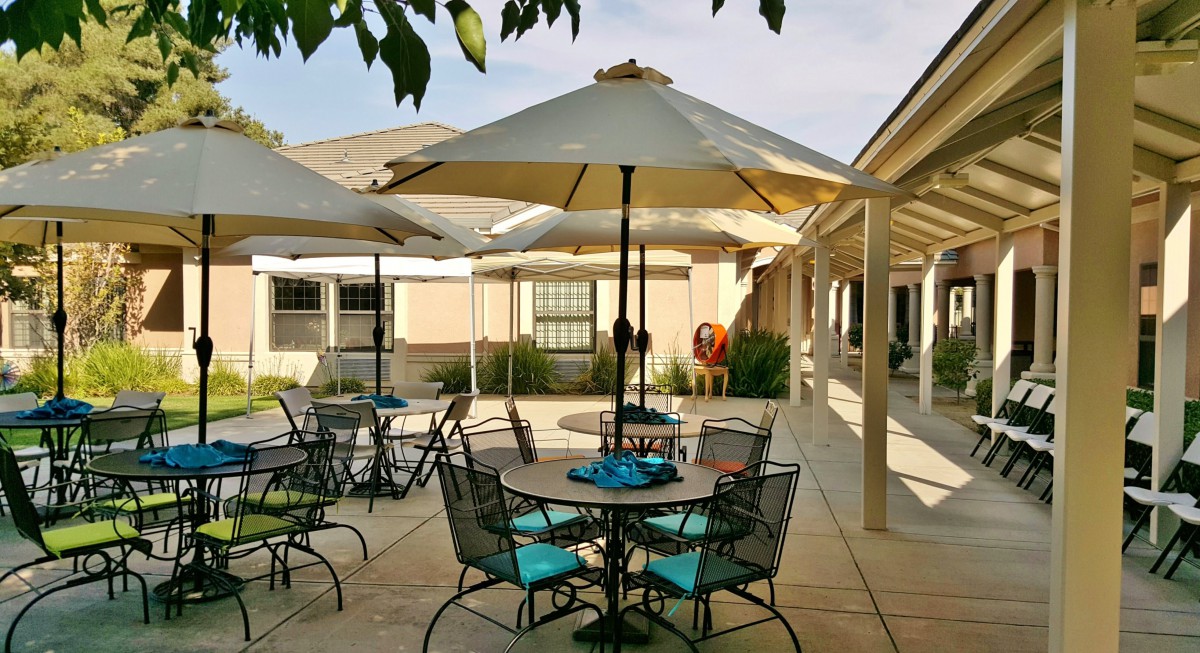
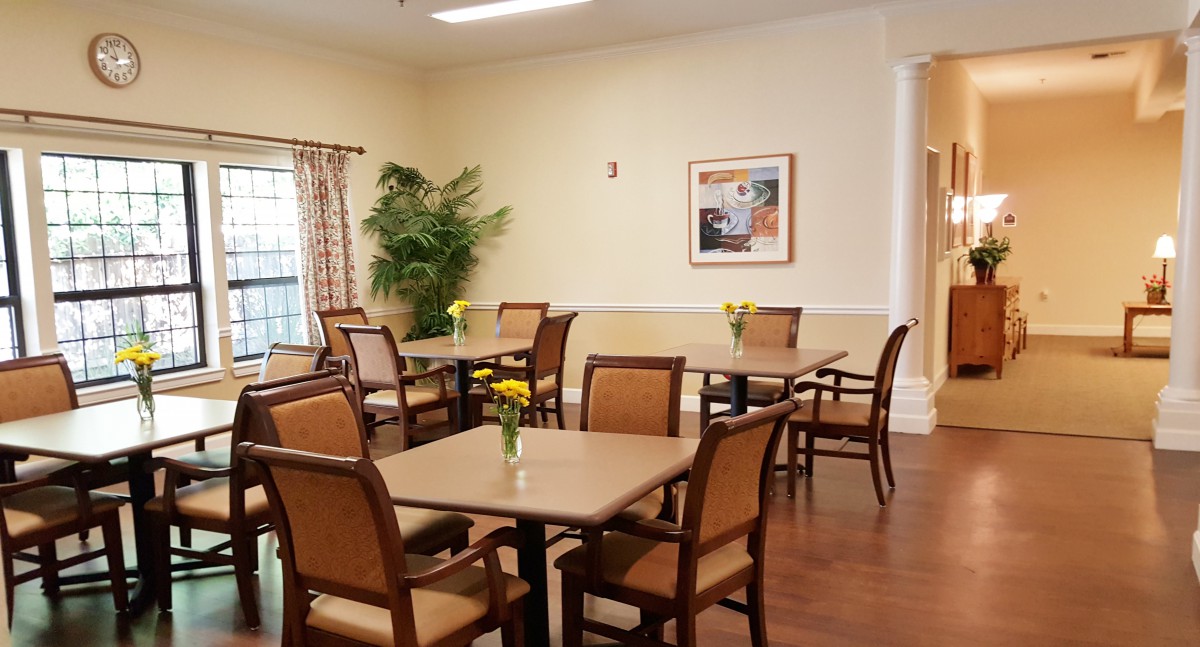
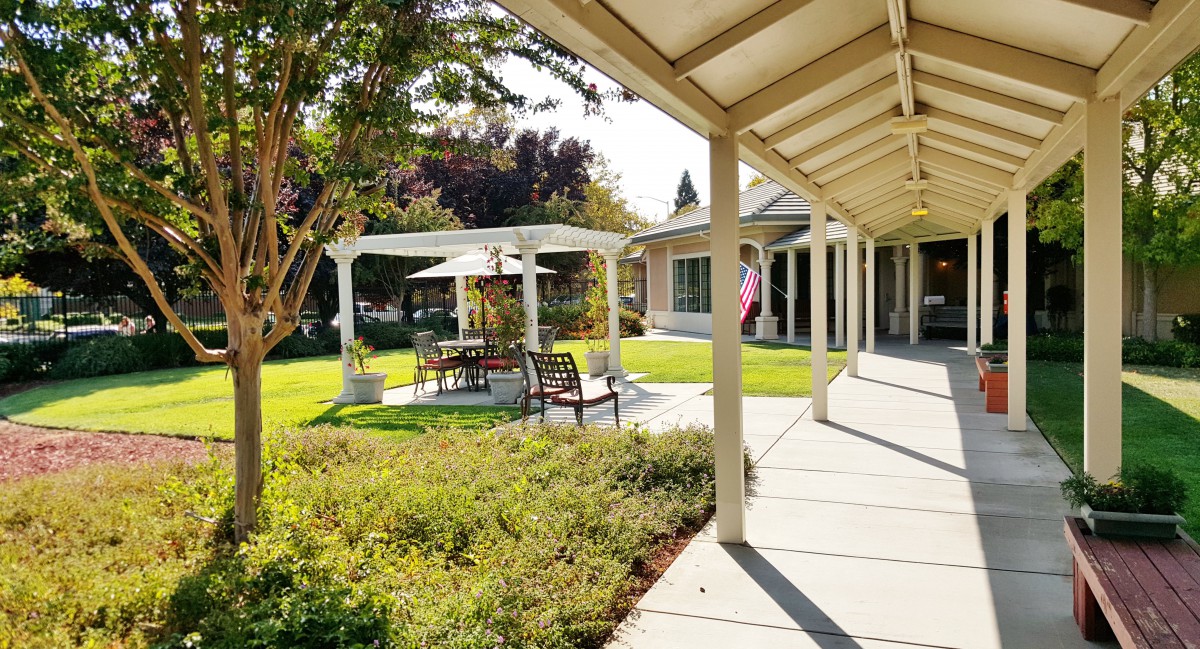
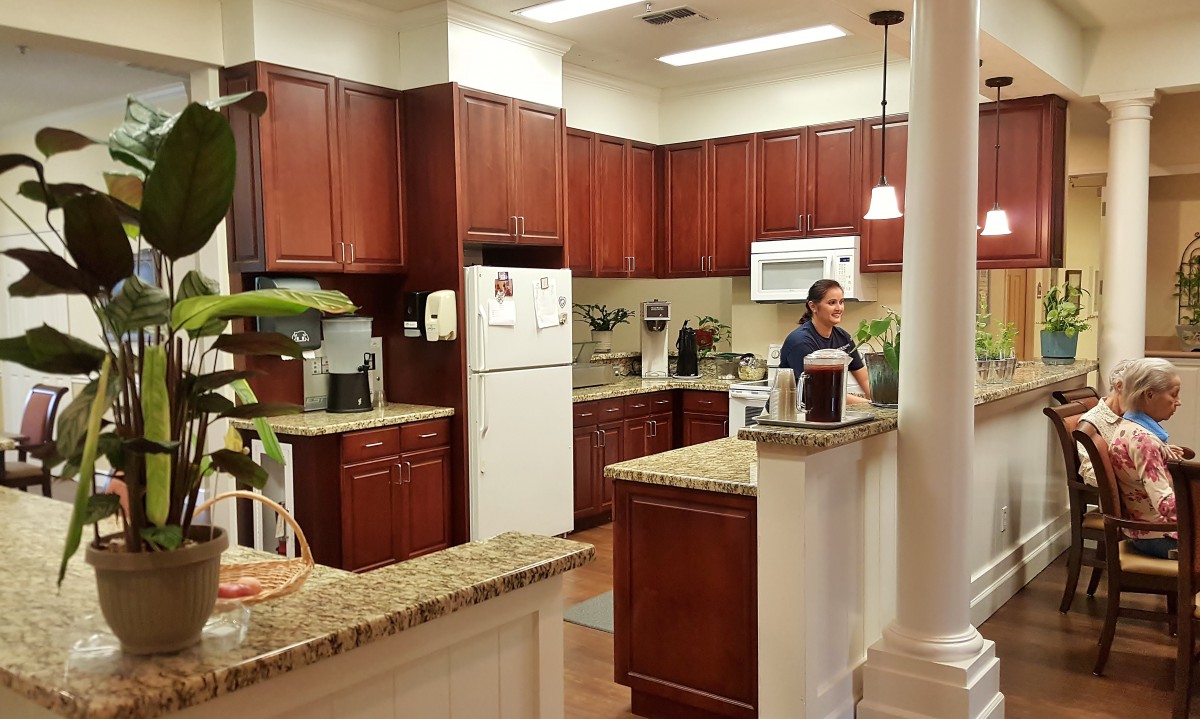
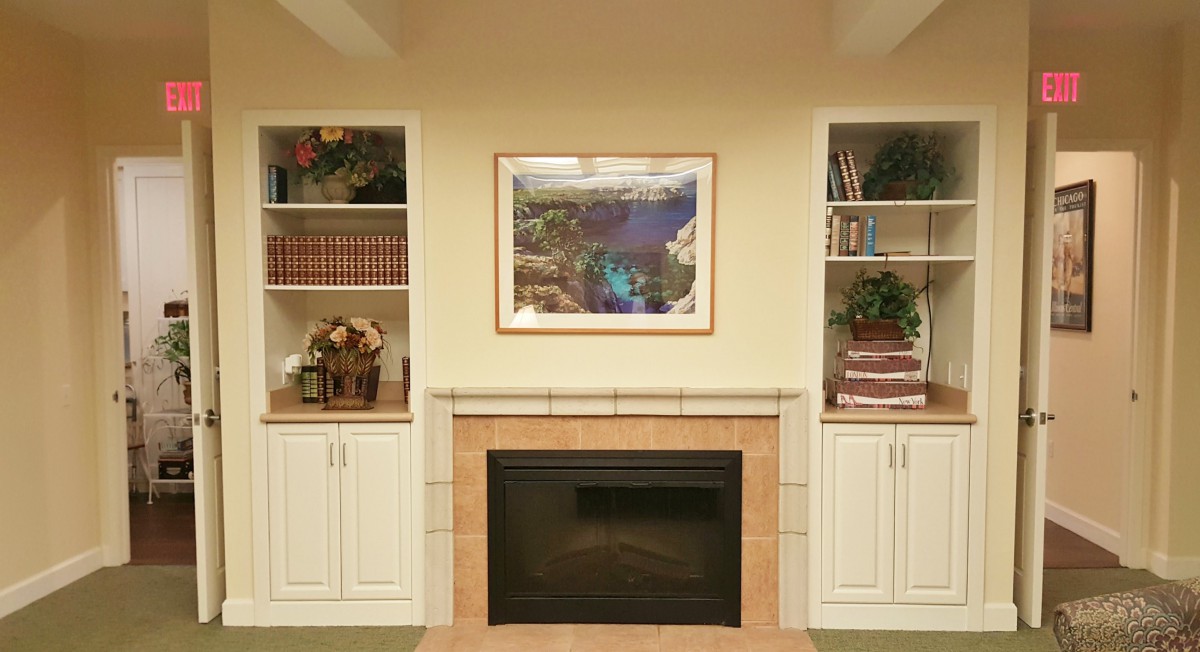
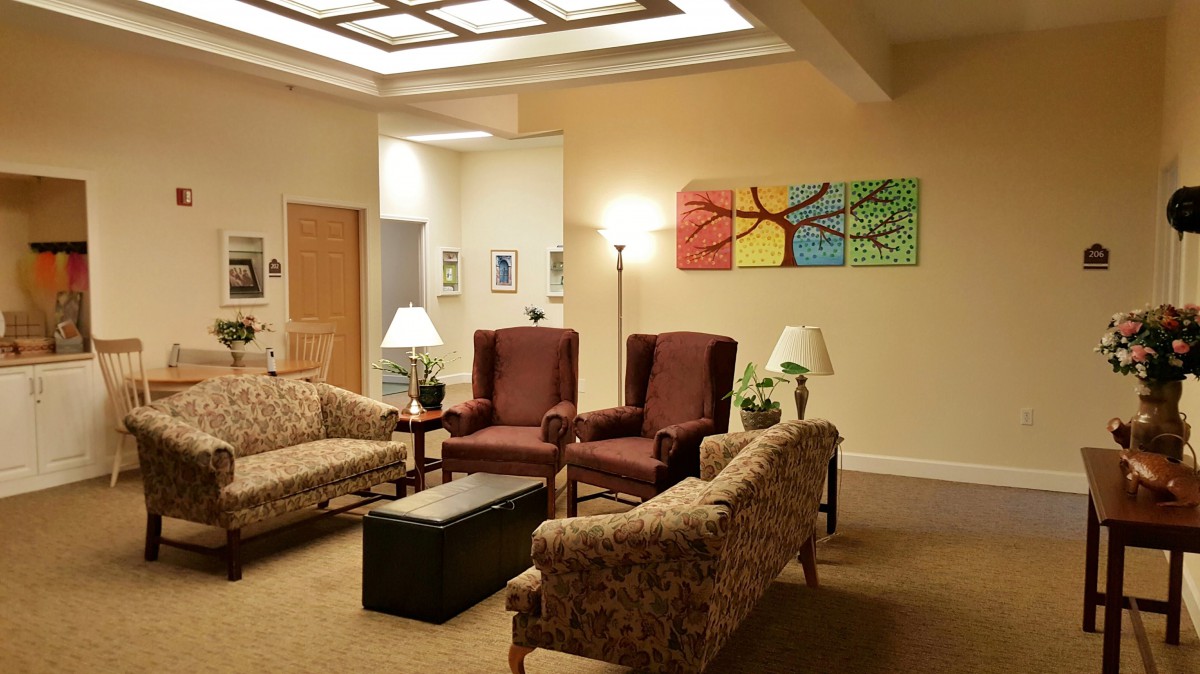
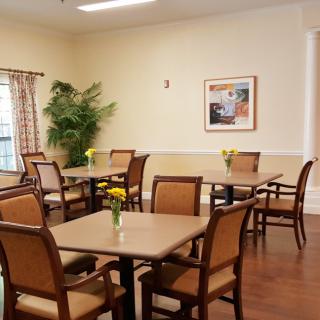
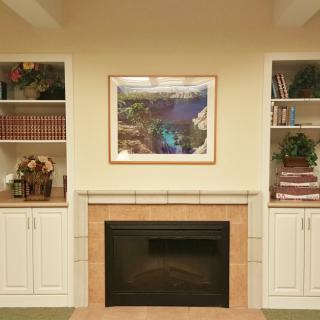
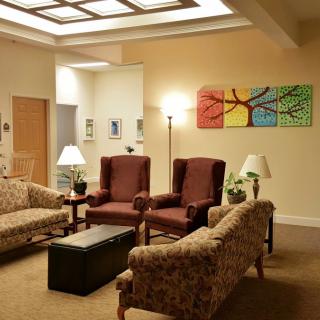
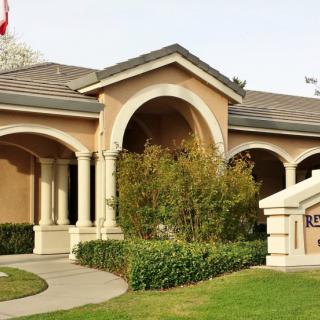
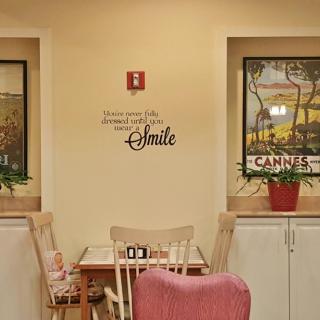
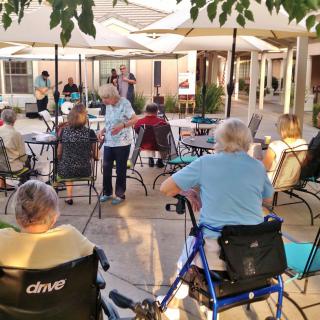
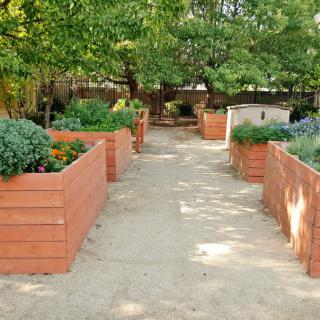
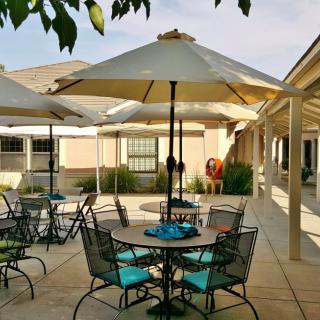
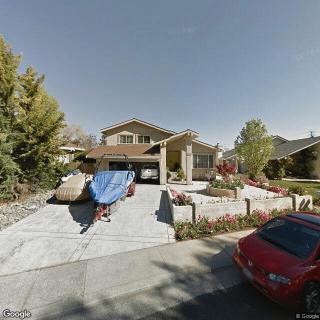
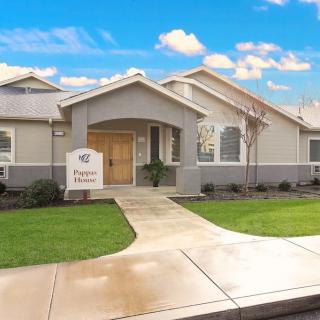
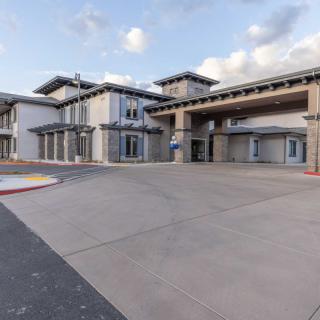
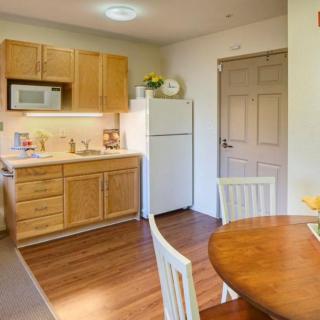
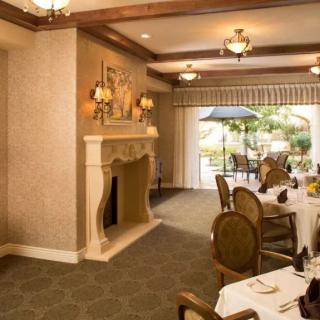
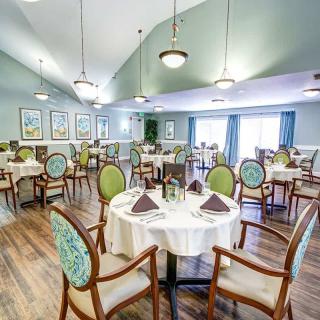
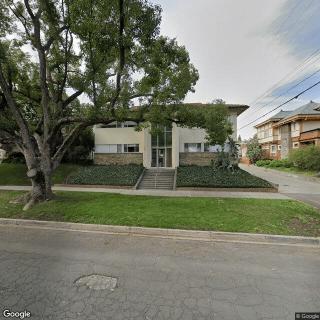
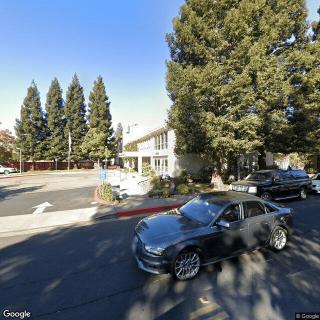
Revere Court Memory Care on seniors.fyi includes 13 photos including images showing interior, garden, decor, umbrellas, outdoor, wall art, pathway, landscaping, and more.
Nearby Communities
Revere Court Of Sacramento
Sacramento, CA
4.8 from 24 reviews
Caring staff in a clean, home-like cottage setting with engaging activities.
Acc Care Center
Sacramento, CA
3.6 from 34 reviews
Friendly, attentive staff; clean environment with good food and comprehensive amenities.
Gana's Care Home
Sacramento, CA
3.7 from 3 reviews
$2,000 / month
Affordable private rooms relative to Sacramento County and California averages.
Gana's Home II
Sacramento, CA
3.7 from 3 reviews
$2,500 to $3,500 / month
Affordable pricing with extensive on-site amenities.
Greenhaven Estates Assisted Living And Memory Care
Sacramento, CA
4 from 40 reviews
$4,070 to $5,390 / month
Attentive, friendly staff in a clean, engaging community.
Greenhaven Villa
Sacramento, CA
3.4 from 24 reviews
24-hour supervision with personalized care and dietary accommodations.
Sky Park Gardens
Sacramento, CA
3.7 from 21 reviews
Affordable pricing with attentive staff and engaging activities.
Ivy Ridge Retirement Home
Sacramento, CA
3.8 from 23 reviews
$1,800 to $2,500 / month
Cozy, home-like environment with attentive staff and affordable pricing.
Mercy McMahon Terrace
Sacramento, CA
4.6 from 23 reviews
$3,650 to $4,900 / month
Quality care with friendly staff and engaging activities.
The article differentiates between assisted living and memory care, explaining that assisted living supports seniors with daily activities while promoting independence, whereas memory care provides specialized services for individuals with dementia, focusing on secure environments and cognitive support. It also addresses staff training, safety considerations, costs, family involvement, and transition strategies for families navigating these care options.
The article outlines effective communication strategies for interacting with loved ones with dementia, highlighting the need for empathy, patience, and understanding while emphasizing supportive approaches like using simple language, minimizing distractions, and focusing on feelings over facts to maintain dignity and foster connection. It also suggests seeking professional guidance when needed as communication challenges evolve.
VA nursing homes, or Community Living Centers (CLCs), offer tailored long-term care for veterans, featuring medical attention and rehabilitation in a supportive environment. The guide covers facility types, eligibility criteria, financial assistance options, quality of care standards, and alternatives to full-time nursing home placement.
Get PricingAsk A QuestionSchedule A TourContact Senior Advisor
By clicking submit, you agree to our Partner's Terms of Use. You
also consent to receive calls and texts, which may be autodialed, from our Partner. Your consent is not a condition to
using our Partner's service. Please visit our Partner's Privacy Policy for information about their privacy practices.

 Studio apartments
 Memory Care
 Activities off-site
 Air-conditioning
 Bath tubs
 Beautician on-site
 Computer center
 Devotional services on-site
 Financing advice
 Garden
 Ground floor units
 Guasts at mealtime
 Guest parking
 Handicap accessible
 Housekeeping services
 Indoor common areas
 Laundry
 Outdoor common areas
 Overnight guests
 Party space
 Respite or short term stays offered
 Security gate
 TV room
 Wheelchair accessible showers
 Wi-Fi/high-speed internet available
 Sacramento International (15 miles away)
 Transportation & parking
 Diabetic care
 Hospice care
 Incontinence care
 Medication management
 Physical therapy
 Guest meals
 Art classes
 Book club
 Cooking classes
 Day trips and outings
 Educational speakers / life long learning
 Fitness programs
 Games
Games Karaoke
 Live dance or theater performances
 Live musical performances
 Live well programs
 Visiting chaplain or priest
 Wii bowling
 English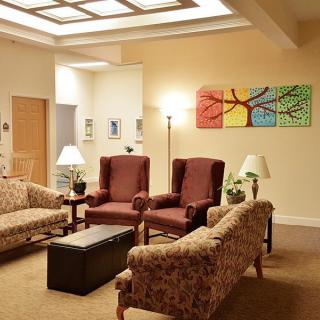
 Caring staff in a clean, home-like cottage setting with engaging activities.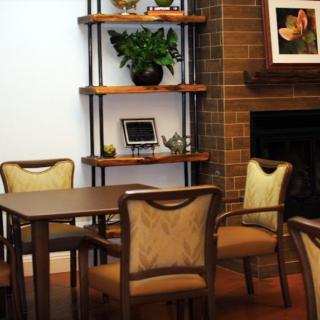

 Understanding the Distinctions: Assisted Living and Memory Care Explained
 How to Communicate with a Loved One Living with Dementia: 10 Supportive Strategies
 Comprehensive Guide to VA Nursing Homes: A Crucial Long-Term Care Resource for Veterans