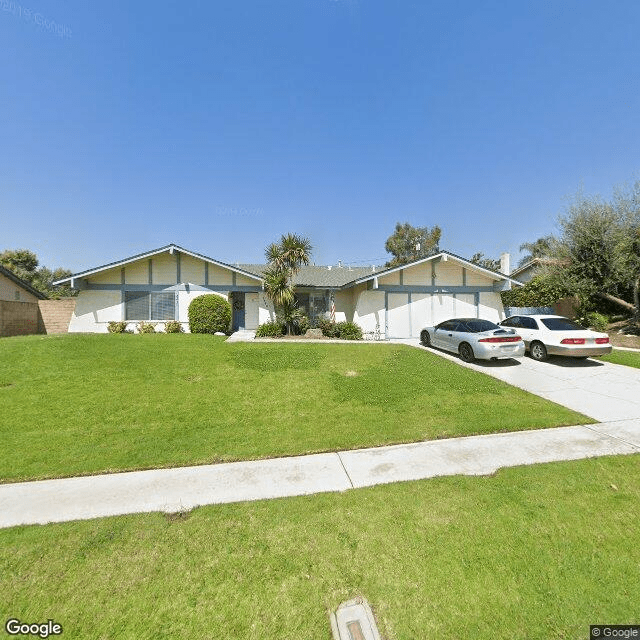
6440 Opal St., Alta Loma, CA 91701
To contact a resident: (909) 262-9802
For more information about senior living options: (866) 208-4318
Genesis Manor III Costs & Pricing
Genesis Manor III offers a range of accommodations at competitive pricing compared to both San Bernardino County and the broader California market. For semi-private rooms, the cost is $3,500 per month, which is notably higher than the county average of $2,958 but remains below the state average of $3,333. When considering one-bedroom units, Genesis Manor III's rate of $3,800 aligns closely with San Bernardino County's average of $3,548 while still being more affordable than the state average of $4,340. In terms of private rooms, Genesis Manor III again presents a monthly fee of $3,800, which is slightly above the county's average of $3,561 yet remains below California's state figure of $3,939. Overall, while some costs may exceed local averages, residents can appreciate the value offered by Genesis Manor III in relation to its amenities and quality care in a premium environment.
| Floor plans | Genesis Manor III | San Bernardino County | California |
|---|---|---|---|
| Semi-Private | $3,500 | $2,958 | $3,333 |
| 1 Bedroom | $3,800 | $3,548 | $4,340 |
| Private | $3,800 | $3,561 | $3,939 |
Memory care communities with a similar price nearby
-
from +$495 / mo

Cadence Brea
$3,995 to $5,500 / month22.1 miles away -
About the same

Genesis Manor VI
$3,600 to $4,200 / month1.0 miles away -
About the same
Comfort Keepers Home Care
$3,500 to $6,500 / month21.6 miles away -
About the same

Genesis Manor I
$3,600 to $4,200 / month0.1 miles away -
from -$500 / mo
Villa Anne
$3,000 to $4,500 / month18.8 miles away
Overall Review of Genesis Manor III
Pros
 The loved one's well-being has improved since moving to Genisis Manor III.
- The place is clean and everyone is very friendly.
- There are no complaints so far.
- The reviewer would recommend Genisis Manor III to anyone looking into it.
Review
Genesis Manor III in Alta Loma is best suited for families prioritizing a tidy, welcoming, low-stress transition into assisted living. The two reported experiences describe a setting where cleanliness and friendly staff create an immediate sense of safety and belonging for a loved one. This community appears to deliver straightforward daily life, regular meals, predictable routines, and a warm reception from caregivers that helps reduce anxiety about moving away from home. For families seeking reassurance that a new living arrangement will feel like a step forward rather than a disruption, Genesis Manor III presents a practical, dependable option. The emphasis on a courteous, well-maintained environment is a core strength.
However, this option may not fit every need. Residents who require higher levels of medical oversight, specialized memory care, or robust, destination-specific programming may want to consider alternatives with more comprehensive medical staffing or dementia-focused environments. The limited information available from two positive reviews leaves questions about care acuity, 24/7 nursing coverage, medication management, and advanced safety features. Families should assess whether the community's services align with the loved one's current and anticipated needs, especially if mobility, swallowing safety, or unpredictable health changes are factors. If these items are priorities, shopping broader options is prudent.
Pros are starkly evident in the feedback: a clean facility and a staff that residents and families describe as friendly. Cleanliness reduces infection risk, supports a dignified daily routine, and minimizes the stress of shared spaces. The warmth and responsiveness of the team help residents settle and stay engaged, which can mitigate common issues like withdrawal or mood decline after a move. Given that the reviews report no complaints and a clear sense of approval from families, these advantages collectively offset typical concerns about transition challenges. Yet, the absence of detail about care depth means the positives may not cover all contingencies, especially for residents with higher care needs.
Another notable strength is the experiential signal of success: loved ones are described as doing well since the move, and families say they would recommend the community. That alignment between observed well-being and family endorsement is a meaningful indicator of daily life quality, tone, safety, and social milieu likely feel supportive. When staff are consistently described as friendly and the environment is repeatedly labeled clean, the risk of social isolation and discontent, a common risk in moving to assisted living, appears mitigated. In practical terms, this means a resident who thrives on routine, predictable interactions, and a cooperative care team may experience smoother ongoing adjustment.
Location matters, and Alta Loma offers a suburban California setting that can be convenient for local families to visit or coordinate care. Yet cost, contract terms, and the specifics of what is included in the monthly rate remain unclear from the feedback available. Prospective residents should obtain current details on care levels, meal plans, activity programming, transportation options, and how calls for assistance are prioritized. The two positive reviews are encouraging, but they reflect a narrow slice of experience. A broader sample or a guided tour with staff asking pointed questions about daily routines and emergency response would provide a clearer picture of fit.
Overall, Genesis Manor III stands out as a sensible choice for families seeking a clean, friendly, reassuring environment where a loved one can settle into a stable routine with responsive care. The strongest case is for residents who value social warmth and predictable daily life, with hopes that caregivers will foster comfort and continuity. For families requiring advanced medical oversight, specialized memory care, or a richly varied activity calendar beyond basic engagement, alternatives should be explored to avoid potential gaps. If the goal is a straightforward, well-run community that quietly supports well-being and ease of transition, Genesis Manor III deserves serious consideration in the decision-making process.
 Board and Care Home
 Memory Care
 Cats allowed
 Dogs allowed
 Activities on-site
 Bath tubs
 Beautician on-site
 Devotional services off-site
 Indoor common areas
 Outdoor common areas
 Private
 Respite or short term stays offered
 Ontario International (6 miles away)
 Diabetic care
 High acuity care
 Incontinence care
 Medication management
 Meals provided


 Why Do Dementia Patients Sleep So Much? Understanding Oversleeping, Stages, and Care Approaches
 8 Key Indicators That Suggest It May Be Time to Transition from Assisted Living to Skilled Nursing Care
 Nourishing the Mind: Essential Dietary Approaches for Dementia