
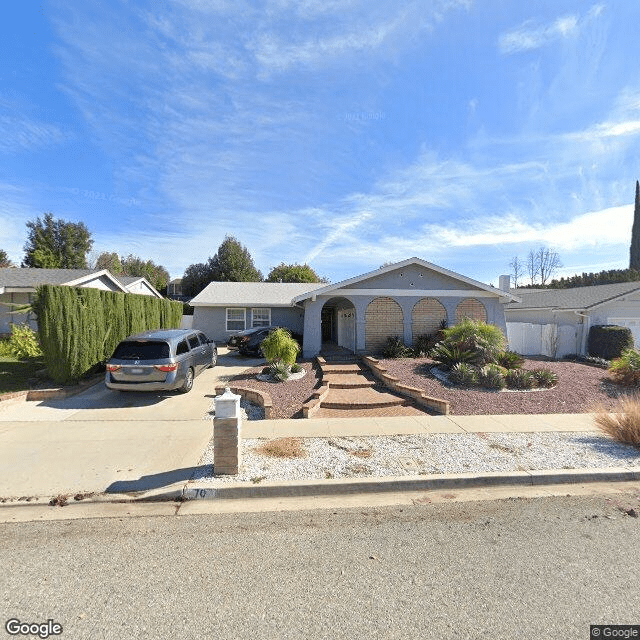
70 Sabra Ave, Oak Park, CA 91377
To contact a resident: (818) 292-1564
For more information about senior living options: (866) 208-4318
Anna's Platinum Residences III Costs & Pricing
At Anna's Platinum Residences III, the monthly costs for various room types present an attractive option when compared to the broader market in Ventura County and California. The semi-private rooms are priced at $3,000, significantly lower than both the county average of $3,438 and the state average of $3,333. For those seeking more privacy, private rooms at Anna's are available for $3,500, which is also competitive against Ventura County's rate of $4,082 and California's average of $3,939. Additionally, studio accommodations are offered at $4,500; while this is slightly above the county's rate of $4,021 and California's average of $4,145, it still aligns closely with regional pricing. Overall, Anna's provides a compelling value proposition for senior living options within its community.
| Floor plans | Anna's Platinum Residences III | Ventura County | California |
|---|---|---|---|
| Semi-Private | $3,000 | $3,438 | $3,333 |
| Private | $3,500 | $4,082 | $3,939 |
| Studio | $4,500 | $4,021 | $4,145 |
Memory care communities with a similar price nearby
-
from +$500 / mo
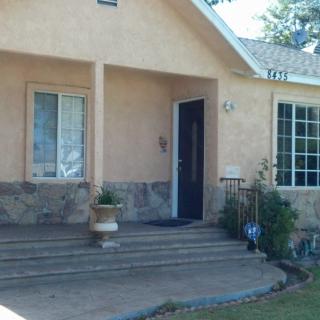
Paradise Senior Living 1
$3,500 to $4,500 / month12.3 miles away -
from -$250 / mo
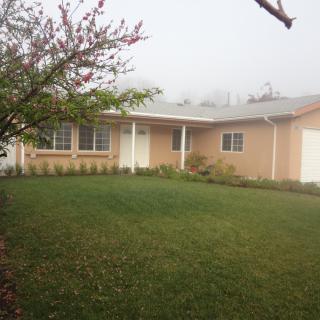
Dignity Care Home 1
$2,750 to $4,150 / month16.1 miles away -
from +$500 / mo
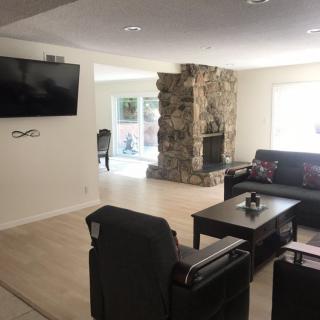
Hollywood Healthy Living
$3,500 to $5,000 / month23.9 miles away -
from +$500 / mo

California Senior Of Sherman Oaks
$3,500 to $4,000 / month17.4 miles away -
About the same
Navita Residence Edgemont Drive
$3,000 / month17.0 miles away
Overall Review of Anna's Platinum Residences III
Pros
 Selma seems lovely.
- The staff is friendly.
- The facility is clean.
- The location is convenient.
Cons
 The staff is friendly but the reviewer didn’t feel it would be consistent.
- One staff member left and it’s unknown who replaced them yet.
- Their English isn’t perfect and there’s a noticeable accent, which the reviewer views as unusual.
- There are only four residents besides the dad, and they vary in ability, including someone who doesn’t have dementia and someone who doesn’t come out of their room or talk.
- Although the location is convenient, the reviewer isn’t sure if they’re happy with it or just okay with it.
Review
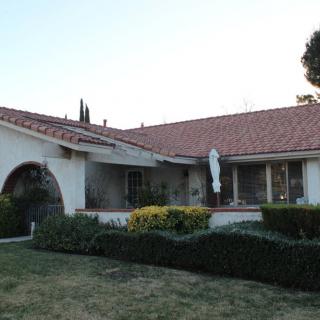
This community in Oak Park, CA is best suited for families who want a very nearby, home-like assisted living option where a caregiver-to-resident feel can be felt daily. The setting reads as a small, intimate house rather than a large campus, with proximity that makes hands-on oversight practical for anxious families. The current branding described in the reviews as Selma’s adds warmth in name, but also signals a transition that families should verify before committing. Cleanliness and a warm demeanor from Selma herself set a positive first impression, and the environment appears quiet and manageable for someone who does not require a bustling, highly social community.
Alternatives are worth considering for anyone prioritizing consistent staffing, ongoing reliability, or more robust dementia programming. The reviews flag turnover, one staff member leaving with an open question about who replaces them, and a language barrier marked by imperfect English. In a small community, that translates into potential gaps in coverage or continuity. For families whose loved one requires steady, predictable caregiver assignments, or who benefit from more structured activities and specialized memory-care routines, a larger facility with established protocols may deliver more peace of mind.
The advantages, cleanliness, a personable, approachable staff vibe, and the advantage of being five minutes from home, offer meaningful offset to the drawbacks, but only to a point. The small number of residents can translate into individualized attention and swift, visible oversight by caregivers, which is a meaningful asset for families during transitions or medical episodes. Yet that same small scale means fewer rotating staff, fewer programmed activities, and a tighter bandwidth for addressing diverse needs. The result is a setting that can feel very personal but may struggle to deliver the breadth of services found in larger communities.
Another practical concern in the reviews is what appears to be a recent branding and management transition. The remark that “it’s not called Anna’s anymore, it’s Selma’s” can signal shifting leadership or care philosophy. While warmth from Selma is noted, families should seek a clear explanation of who is in charge, how staffing is scheduled, and what contingency plans exist when staff turnover occurs. The timing of a resident’s hospital trip shortly after admission underscores the importance of strong medical oversight and a transparent transition process between hospital, rehab, and on-site care.
Visiting with a concrete checklist will make the decision clearer. Inquire about current administrator accessibility and the on-site nursing presence, the stability of lead caregivers, and the backfill process when staff depart. Request a tour of daily routines, including memory-care activities (even for residents with mild cognitive issues), medication management, meal options, and transportation for appointments. Ask about language support for families who value precise communication, and verify the facility’s plan for emergencies or escalating care needs. Understanding these elements helps distinguish a warm, compact home from a setting that may feel uncertain during a medical or cognitive decline.
In the end, this community offers a compelling option for families who prize proximity and a homey, low-key ambiance, provided comfort with potential staffing variability and limited programming. If the primary goal is to stay close to family, observe a calm pace, and benefit from attentive, personable care in a small setting, Selma’s can be a strong choice. However, for those needing consistent staffing, predictable schedules, and richer dementia-focused activities, it is prudent to explore alternatives in Oak Park or nearby neighborhoods. The prudent path is to visit, question the continuity plan, and assess whether the intimate environment will sustain the loved one’s evolving needs over time.
 Board and Care Home
 Memory Care
 Activities off-site
 Indoor common areas
 Outdoor common areas
 Private
 Respite or short term stays offered
 Wheelchair accessible showers
 Burbank-Glendale-Pasadena (23 miles away)
 High acuity care
 Incontinence care
 Meals provided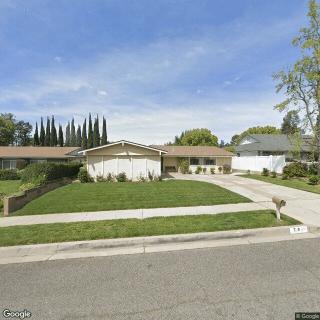

 Medications Associated with Dementia Risk: A Comprehensive Overview
 Guiding Your Journey: Understanding Power of Attorney for Elderly Parents
 22 Remarkable Caregiver Support Groups Available Online and In-Person