
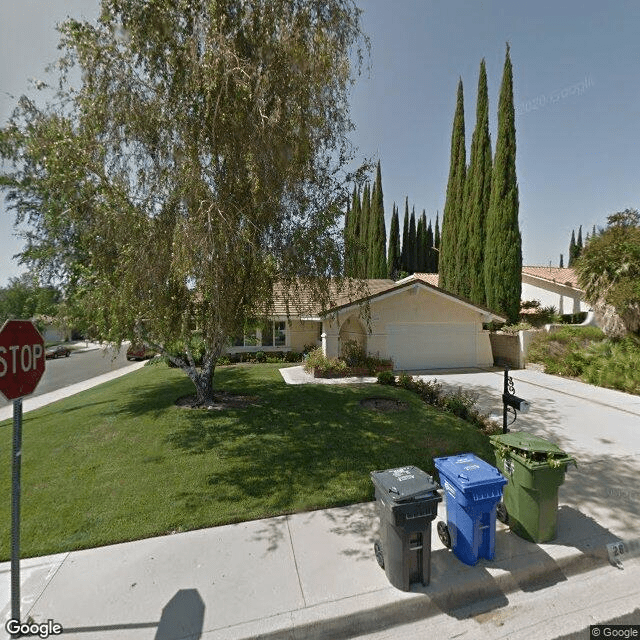
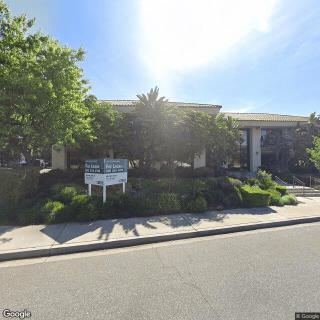
28904 Fountainwood St, Agoura, CA 91301
To contact a resident: (818) 292-1564
For more information about senior living options: (866) 208-4318
Anna's Platinum Residences Costs & Pricing
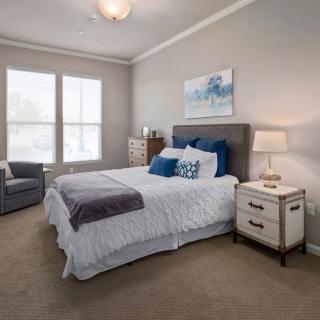
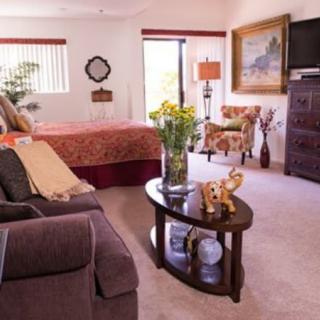
Anna's Platinum Residences offers competitive pricing for its accommodations, particularly when compared to the broader market in Los Angeles County and the state of California. For a semi-private room, residents pay $3,000 per month, which is notably lower than the county average of $3,349 and slightly below the state average of $3,333. Similarly, for those seeking more privacy, the cost of a private room at Anna's is set at $3,500 - again a more favorable rate compared to Los Angeles County's average of $4,197 and California's statewide average of $3,939. These pricing structures not only reflect Anna's commitment to affordability but also ensure that residents receive exceptional care and services in a welcoming environment.
| Floor plans | Anna's Platinum Residences | Los Angeles County | California |
|---|---|---|---|
| Semi-Private | $3,000 | $3,349 | $3,333 |
| Private | $3,500 | $4,197 | $3,939 |
Memory care communities with a similar price nearby
-
from +$500 / mo
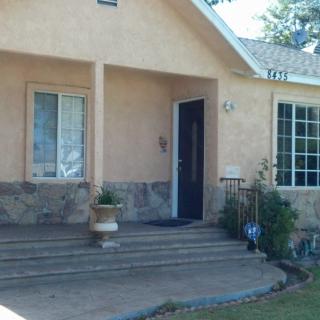
Paradise Senior Living 1
$3,500 to $4,500 / month12.2 miles away -
from -$250 / mo
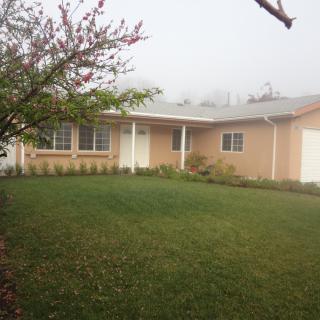
Dignity Care Home 1
$2,750 to $4,150 / month16.0 miles away -
from +$500 / mo
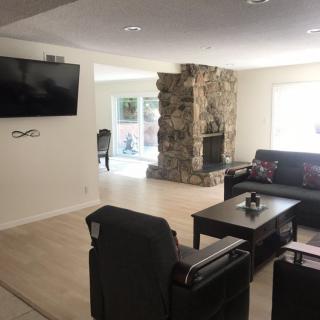
Hollywood Healthy Living
$3,500 to $5,000 / month23.8 miles away -
from +$500 / mo

California Senior Of Sherman Oaks
$3,500 to $4,000 / month17.2 miles away -
About the same
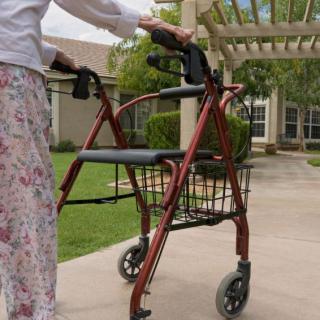
Navita Residence Edgemont Drive
$3,000 / month17.3 miles away
Overall Review of Anna's Platinum Residences
Pros
 They were financially honorable.
- The facility was clean.
- They were accommodating.
- They fed the resident well.
- They were reputable.
- They followed through on what they said they would do.
Cons
 It is not a nursing facility, so there isn’t a nurse on site.
- People should always keep an eye on anyone who isn’t their own advocate.
Review
Anna's Platinum Residences in Agoura is best suited for families seeking a clean, well-run assisted living option that provides daily living support without on-site nursing care. The community projects reliability, straightforward accountability, and a respectable operating ethic. It is ideal for a resident who needs help with routine tasks, enjoys a calm, well-maintained environment, and can rely on support staff to fulfill commitments. Those who want a facility that avoids hospital-style medical intensity and emphasizes steady service over clinical care will find this community a good match.
Potentially better alternatives are worth considering for families whose loved one requires licensed nursing staff on site, round-the-clock medical supervision, or specialized care for memory impairment or post-acute needs. The review notes there is no on-site nurse, and care comes from caregivers who vary in qualification. This implies limited medical oversight and the need to supplement with family involvement or external providers. In short, while the setting supports daily living, it may fall short for residents with significant medical complexity or those who require consistent professional clinical oversight.
The key positives center on cleanliness, accommodating staff, and a reputational standard. The family describes the facility as clean, honoring financial commitments, and responsive to needs. The operators are characterized as reputable, honorable, and reliable in delivering what was promised. Those traits translate into lower worry about financial or operational integrity and a predictable, dependable service level. When a family values transparency, consistency, and a straightforward care approach, these strengths become a meaningful baseline.
The main drawbacks are tied to the absence of on-site medical staff and the varying qualification of caregivers. Not being a nursing facility means medical tasks or rapid clinical response may rely on external arrangements, which can create gaps during emergencies or complex treatment needs. The note that caregivers are “multilevels” signals that staffing across shifts may differ in expertise. Families should plan to supervise closely, advocate for their loved one, and ensure that medication administration, daily routines, and respite or transition needs are clearly documented and followed.
Despite these cons, the strengths offset several practical concerns. A clean, well-maintained environment paired with honest operations and reliable follow-through reduces the risk of hidden charges or inconsistent service. For families who can coordinate medical oversight externally and want a non-clinical atmosphere, these attributes provide real value. The question becomes one of risk tolerance: is external medical coordination feasible, and does the family want to shoulder ongoing advocacy to bridge any clinical gaps?
Bottom line: for families prioritizing a calm, clean residence with dependable, ethical management and straightforward daily support, Anna's Platinum Residences offers a solid, trustworthy option. It is less suitable for those demanding ready access to licensed nurses, intensive medical supervision, or complex clinical care on site. Prospective residents should verify staffing patterns, ask about caregiver training levels, and set explicit expectations for medication management, emergency procedures, and care planning. A thorough site visit, with targeted questions about who handles medical tasks, how often staff are on site, and how care plans are communicated, will reveal fit. When these checks align with the family’s care strategy, this community provides reliable daily living support within a reputable framework.
 Board and Care Home
 Memory Care
 Activities off-site
 Indoor common areas
 Outdoor common areas
 Private
 Respite or short term stays offered
 Wheelchair accessible showers
 Burbank-Glendale-Pasadena (23 miles away)
 High acuity care
 Meals provided

 Five Subtle Dementia Indicators to Observe: An In-Depth Guide to Understanding “Does My Mom Have Dementia?”
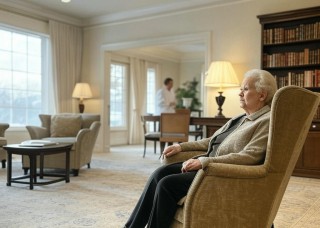 Dementia, Paranoia, and Caregiver Guidance: Understanding the Connection
 Engaging Memory Care Activities That Enhance Quality of Life