
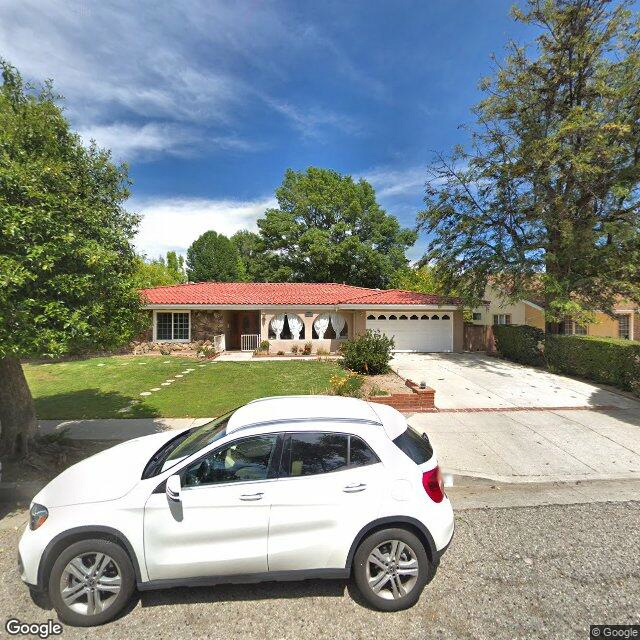
19241 Calahan St, Northridge, CA 91324
To contact a resident: (818) 427-5590
For more information about senior living options: (866) 208-4318
Senior Care at Northridge Costs & Pricing
At Senior Care at Northridge, the costs for various room types are notably competitive when compared to both Los Angeles County and the broader state of California. For a semi-private room, residents can expect to pay $2,500 per month, significantly lower than the county average of $3,349 and just under the state average of $3,333. Studio accommodations are priced at $4,000, slightly below both the county rate of $4,172 and the state figure of $4,145. For those seeking private rooms, Senior Care offers a range from $4,000 to $4,750; while this is higher than the county's average of $4,197 and lower than California's average of $3,939 at its highest point. Overall, Senior Care at Northridge provides valuable options that deliver quality care while remaining mindful of budget considerations.
| Floor plans | Senior Care at Northridge | Los Angeles County | California |
|---|---|---|---|
| Semi-Private | $2,500 | $3,349 | $3,333 |
| Studio | $4,000 | $4,172 | $4,145 |
| Private | $4,000 to $4,750 | $4,197 | $3,939 |
Memory care communities with a similar price nearby
-
from +$250 / mo
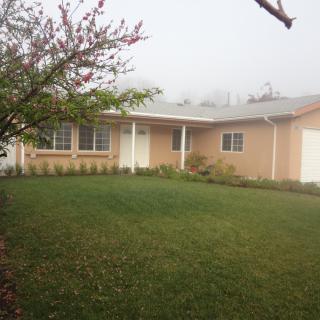
Dignity Care Home 1
$2,750 to $4,150 / month3.7 miles away -
from -$300 / mo
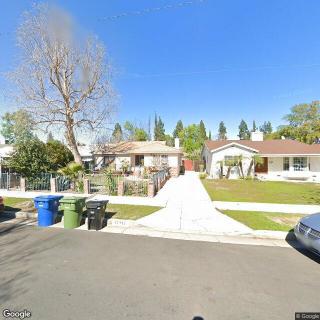
Granada Hills Gardens
$2,200 to $3,500 / month3.2 miles away -
About the same
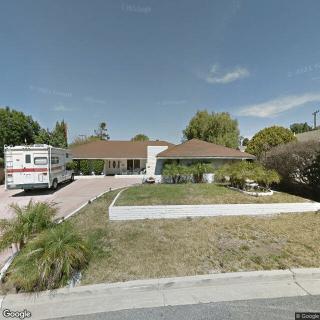
Familycare Cottage IV
$2,500 to $4,500 / month17.8 miles away -
About the same
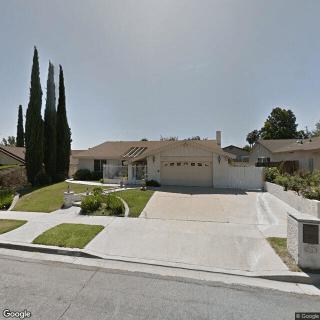
Sunrise Guest Home
$2,500 to $3,000 / month11.7 miles away -
from -$100 / mo

Leisure Living
$2,400 to $3,000 / month14.7 miles away
Overall Review of Senior Care at Northridge
Pros
 The staff at Seniorcare at Northridge treat residents with loving care.
- The house manager regularly texts families about residents and sometimes shares short videos of activities.
- They offer good value for memory care.
- The tour experience was great and provided all needed information.
- Senior Care at Northridge is excellent; the staff are warm and compassionate, like a second family.
Cons
 They felt this community would have been okay, but it was not the first top pick for their loved one.
- They sought a different environment where their loved one could receive more care and be closer to what they needed.
Review
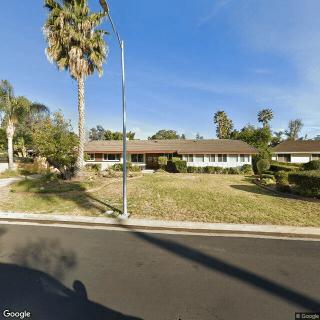
Senior Care at Northridge in Northridge, California is best suited for families seeking a warm, affordable, home-like option for a loved one who benefits from steady, attentive care and regular updates from staff. The community shines particularly for seniors with memory-care needs who can thrive in a setting where staff treat residents like family, and where family communication is proactive, texts from the house manager and occasional video notes suggest a culture of personal involvement. The price point is highlighted as a meaningful advantage for memory care, making it a practical choice for those prioritizing gentle, consistent support over a more clinical, higher-cost environment.
However, this is not the first choice for everyone. One family found that Northridge did not align with their loved one’s preferred environment, specifically desiring more comprehensive care or closer proximity to their own location. The tour experience was positive and transparent, yet the decision to explore other communities indicates that Northridge may feel secondary when the priority is higher acuity care, broader programming, or shorter drives for family oversight. In short, the setting works well for many, but for families seeking a different texture of care or a more mission-specific atmosphere, alternatives deserve consideration.
Pros center on the human touch: staff warmth and genuine compassion that leaves residents feeling supported and less isolated. Several accounts describe staff as a kind of second family, a dynamic that reduces anxiety for families and fosters stability for the resident. Communication stands out as a practical strength, the house manager’s texts and occasional videos keep families connected and informed about everyday moments and milestones. For memory-care residents, the combination of approachable caregivers and a predictable routine translates into daytime ease and evening calm, while affordability ensures this care is attainable without sacrificing daily kindness.
That said, the candid trade-off is clear: the setting may not satisfy families seeking a more intensive care environment or a broader array of amenities. Some relatives may want more robust medical oversight, more structured programming, or closer physical proximity to home, and those factors can influence satisfaction. The experience described suggests Northridge excels in warmth and attentiveness, but the trade-off is that it may lag for families requiring high-acuity support, rapid escalation of care, or more expansive care options that a larger, more resource-rich community would provide.
Yet the pros do offset the cons for the target profile. The emotional and logistical relief from consistent, personalized attention, plus clear, ongoing updates, directly reduces the stress families feel when placing a loved one. The affordability factor further strengthens the case for Northridge for memory-care-friendly seniors who want to minimize cost without sacrificing tenderness and reliability. Those needs align with a care culture that prioritizes daily kindness, predictable routines, and visible engagement from staff, which often translates into improved resident comfort and better family peace of mind.
For families evaluating Senior Care at Northridge, approach with a clear set of questions and a concrete sense of priorities. Confirm the level of memory-care services, daily activity structure, and staffing patterns; verify how proximity to family is handled, and how often updates are shared. Schedule a tour focused not only on the ambiance but on the specifics of care planning and escalation procedures. If proximity to home, higher-level medical support, or a more expansive program are non-negotiables, consider alternatives; but for those prioritizing warmth, regular communication, and a cost-effective memory-care option, Northridge offers a compelling fit.
 6 resident community capacity
 Assisted Living
 Board and Care Home
 Memory Care
 Cats allowed
 Dogs allowed
 Activities off-site
 Bath tubs
 Cable or satellite TV
 Devotional services off-site
 Dining room
 Fully furnished
 Garden
 Housekeeping services
 Indoor common areas
 Move-in coordination
 Outdoor common areas
 Private
 Private bathrooms
 Respite or short term stays offered
 Telephone
 Wheelchair accessible showers
 Wi-Fi/high-speed internet available
 Burbank-Glendale-Pasadena (11 miles away)
 24-hour supervision
 Assistance with bathing
 Assistance with dressing
 Assistance with transfers
 Diabetes diet
 High acuity care
 Incontinence care
 Meal preparation and service
 Medication management
 Special dietary restrictions
 Transportation arrangement (medical)
 Transportation to doctors appointments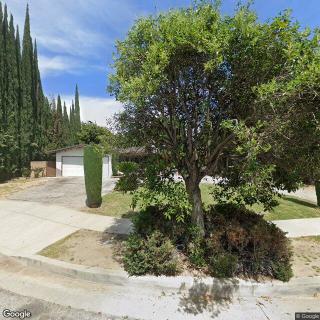
 Comprehending Evening Confusion in Dementia: Causes, Manifestations, and Support
 Delirium and Dementia: Unraveling the Key Differences
 Are Dementia and Alzheimer's Disease Lethal? A Comprehensive Exploration