
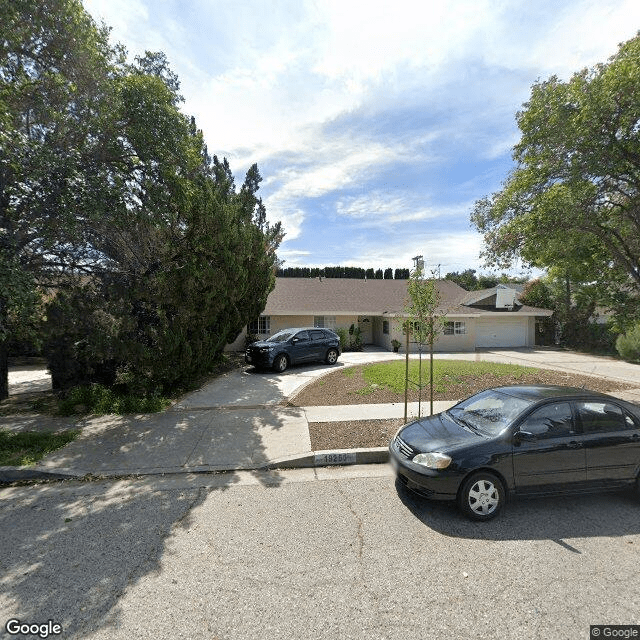
19250 Calahan Street, Northridge, CA 91324
For more information about senior living options: (866) 208-4318
Parkwest of Northridge II Costs & Pricing
Parkwest of Northridge II offers competitive pricing for its long-term care services, particularly when compared to the wider costs within Los Angeles County and the state of California. For instance, residents in semi-private accommodations at Parkwest enjoy a monthly fee of $1,800, significantly lower than both the county average of $3,349 and the state average of $3,333. Studio options are available at $2,500, again positioning Parkwest favorably against the county's average of $4,172 and the state's rate of $4,145. Furthermore, private room rates at Parkwest also stand out at $2,500 per month compared to Los Angeles County's average of $4,197 and California's overall average of $3,939. These figures highlight Parkwest of Northridge II as an attractive option for those seeking quality care without the burdensome costs often associated with similar facilities in the region.
| Floor plans | Parkwest of Northridge II | Los Angeles County | California |
|---|---|---|---|
| Semi-Private | $1,800 | $3,349 | $3,333 |
| Studio | $2,500 | $4,172 | $4,145 |
| Private | $2,500 | $4,197 | $3,939 |
Memory care communities with a similar price nearby
-
About the same
Green Valley Home Care
$1,800 to $2,000 / month12.3 miles away -
from -$200 / mo
Laigo-Zanders Home for the Elderly
$1,600 to $2,000 / month9.9 miles away -
About the same
Gracie's Residential Care
$1,800 to $2,500 / month18.3 miles away -
About the same
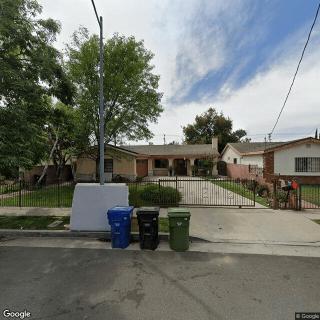
Masa Comfort Living Inc.
$1,800 to $3,200 / month8.1 miles away -
About the same
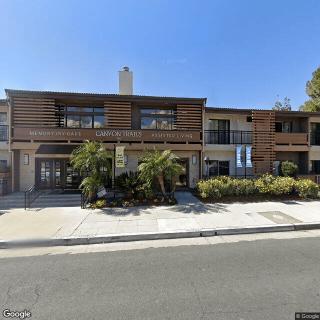
Oakdale Heights of Woodland Hills
$1,750 to $3,462 / month3.4 miles away
Overall Review of Parkwest of Northridge II
Pros
 Parkwest of Northridge provides consistently good service.
- They have really good communication and keep families informed.
- They provide one-on-one care, including feeding assistance and bedtime support.
- They respect residents' preferences and autonomy.
- The facility is appropriate for residents' current needs.
- The homes are clean, neat, and safe, with door alarms for added safety.
- The staff is polite, responsive, and attentive to questions.
Cons
 They do not have any activities to keep the residents active.
- The pricing was a little high on a private room.
- They are not able to force her to shower, which is the only aspect that has not been great.
Review
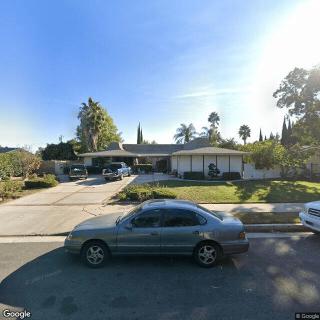
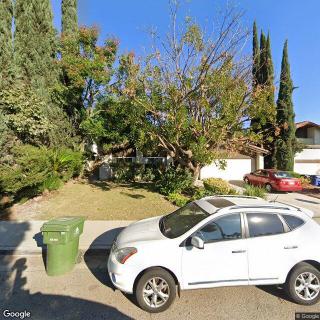
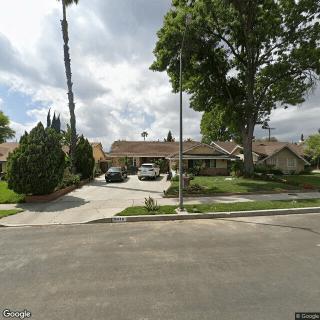
Parkwest of Northridge II is best suited for families seeking intimate, high-touch assistance for a loved one who requires consistent, individualized care. The setting mirrors two clean, home-like residences on a quiet Northridge cul-de-sac, where door alarms and attentive staff contribute to a predictable safety net. Communication stands out as a core strength: staff proactively flags any changes, concerns, or needs and keeps families in the loop. For residents who rely on hands-on support with daily routines, especially help with feeding and bedtime, this community delivers in a way that larger, more impersonal facilities often do not.
Alternatives become worth considering for anyone prioritizing social programming, structured activities, or lower price points. The lack of activities is noted as a gap, and for more active or socially engaged residents, other communities with robust activity calendars may be preferable. Pricing on private rooms runs higher than some peers, although there is room for negotiation; families on a tight budget should price shop and compare value against services rendered. For individuals needing substantial medical management, group therapies, or memory-care level programming, a facility specializing in those services may outperform Parkwest II.
The strongest pro, one-on-one attention, maps directly to the needs of residents requiring individualized care: staff assist with feeding, help with bedtime, and manage other activities of daily living. This level of personalization helps offset the absence of on-site activities; when a loved one benefits from constant supervision and tailored routines, that focus is often more important than daily group events. Safety features, two homes with door alarms, clean and neat environments, and polite, responsive staff, further offset the main con by reducing risk and uncertainty. The occasional challenge around a resident’s reluctance to shower is acknowledged, but staff cannot force this; the issue is more about personal preference than quality of care, and it doesn’t undermine the overall care plan.
Two homes are available, and tours reveal a quiet, residential vibe in a cul-de-sac setting. Families report strong communication and a willingness to answer questions, which reduces anxiety during transitions. The pricing note about private rooms should be weighed against the value of a nimble, small-scale operation where attention is continuous and residents are treated as individuals rather than as numbers. The combination of safety-focused design, attentiveness, and a calmer environment makes the overall package compelling for certain care trajectories.
For families actively evaluating options, concrete steps help avoid disappointment: request a detailed care plan and meet the direct caregivers; verify who handles daily routines and how emergencies are escalated; ask about room configurations, private vs shared, and the associated costs; explore whether negotiation can secure a more favorable rate on private accommodations; and assess whether activity programming could evolve to meet changing needs, or if supplemental options would be necessary.
Bottom line: Parkwest of Northridge II is a practical, solid match for a loved one who benefits from intimate, hands-on supervision, strong daily routines, and a safe, home-like setting, preferably in a scenario where activities are less critical than consistent care. It is not the right pick for families seeking robust social engagement, expansive programming, or the most budget-conscious option. When those elements align with a caregiver’s priorities, safety, personalized attention, clear communication, this community stands out as a reliable choice in Northridge.
 Board and Care Home
 Memory Care
 Cats allowed
 Dogs allowed
 Activities off-site
 Bath tubs
 Devotional services off-site
 Indoor common areas
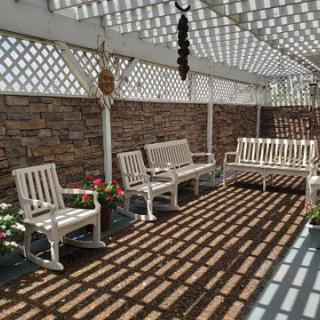
 Outdoor common areas
 Private
 Private bathrooms
 Respite or short term stays offered
 Wheelchair accessible showers
 Burbank-Glendale-Pasadena (11 miles away)
 Diabetic care
 High acuity care
 Incontinence care
 Kosher

 Five Subtle Dementia Indicators to Observe: An In-Depth Guide to Understanding “Does My Mom Have Dementia?”
 Dementia, Paranoia, and Caregiver Guidance: Understanding the Connection
 Engaging Memory Care Activities That Enhance Quality of Life