
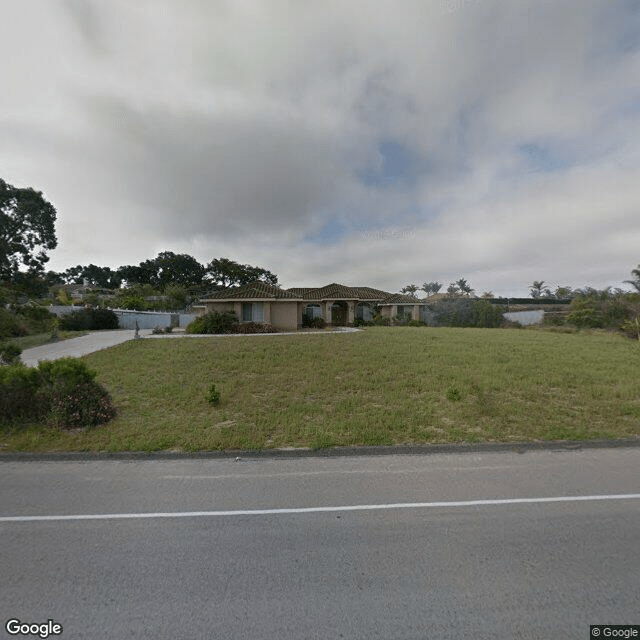
915 Camino Coballo, Nipomo, CA 93444
To contact a resident: (805) 929-6914
For more information about senior living options: (866) 208-4318
Sacred Heart Residential Care Facility II Costs & Pricing
Sacred Heart Residential Care Facility II offers competitive pricing for its residents compared to the broader market within San Luis Obispo County and the state of California. For semi-private rooms, the facility charges $2,800 per month, significantly lower than the county average of $3,575 and the state average of $3,333. The one-bedroom option is priced at $3,300, again more affordable than the county's average of $3,994 and below California's statewide figure of $4,340. Additionally, for private rooms, Sacred Heart aligns closely with local offerings at $3,300 while remaining more cost-effective than the county's average of $4,372 yet slightly above California's average of $3,939. Overall, Sacred Heart Residential Care Facility II presents an appealing choice for potential residents looking for quality care without straining their budget.
| Floor plans | Sacred Heart Residential Care Facility II | San Luis Obispo County | California |
|---|---|---|---|
| Semi-Private | $2,800 | $3,575 | $3,333 |
| 1 Bedroom | $3,300 | $3,994 | $4,340 |
| Private | $3,300 | $4,372 | $3,939 |
Memory care communities with a similar price nearby
-
from +$100 / mo
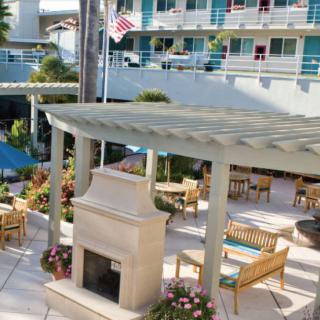
The Villages of San Luis Obispo
$2,900 to $4,800 / month20.1 miles away -
About the same
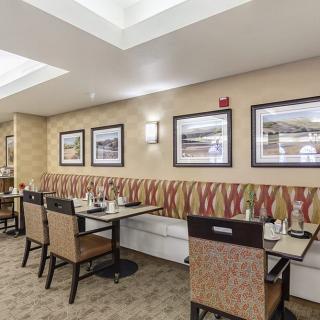
Merrill Gardens At Santa Maria
$2,850 to $3,950 / month7.4 miles away -
from +$200 / mo
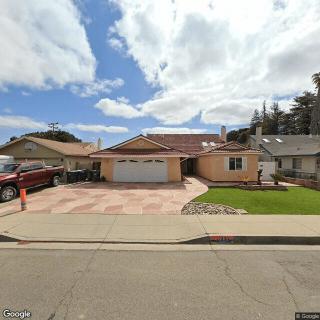
Amalia's Residence II
$3,000 to $4,500 / month7.1 miles away -
from -$300 / mo
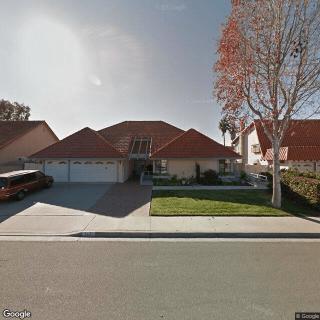
Candlewood House 1
$2,500 to $3,500 / month9.3 miles away -
from -$300 / mo
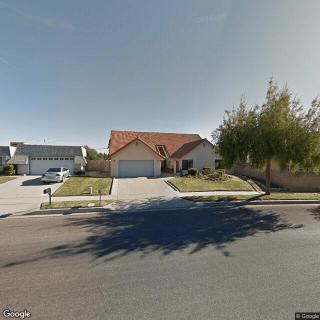
Candlewood House 3
$2,500 to $3,500 / month9.5 miles away
Overall Review of Sacred Heart Residential Care Facility II
Pros
 They are doing an extremely good job.
- They deliver cleanliness and care that cannot be surpassed.
- Choosing them was a good decision.
- They maintain a higher standard than other facilities.
Cons
 They did not have the same standard as they do here.
Review
Sacred Heart Residential Care Facility II in Nipomo is best suited for families seeking a small, meticulously maintained environment where daily caregiving is deliberate and highly visible. The two independent testimonials repeatedly praise cleanliness, attentiveness, and a standard of care that feels consistently high. That combination matters most for residents who need regular assistance, help with medications, personal care, and activities of daily living, yet prefer a setting that feels focused on essential services rather than a large, hospital-like campus. In practical terms, this community appears tuned to the expectations of families who want reliable hands-on support delivered with a rigorous commitment to upkeep and sanitation.
Alternatives become reasonable considerations for households with priorities beyond the basics. If memory care or complex medical oversight is central, or if a broader range of wellness programs, social opportunities, or room to grow in care level is important, other communities may offer more robust clinical resources or larger environments. Likewise, price sensitivity, location convenience for family visitation, or a desire for a more expansive campus could justify looking elsewhere. What Sacred Heart appears to deliver strongly, spotless upkeep and consistently caring staff, will need to be weighed against those factors to determine whether it matches the evolving needs of the person being cared for.
From a decision perspective, the two reviews present a unified message: the facility excels in cleanliness and in the way care is delivered day-to-day. The explicit praise, “extremely good job,” “you cannot ask for anything better”, points to a staff that is not merely dutiful but proactively attentive. That level of care can offset common anxieties about congregate living: residents who require reminders, help with mobility, or consistent supervision tend to experience a steadier routine and fewer lapses in basic hygiene and safety. The credibility of the source is reinforced by repeated language across both testimonies, lowering the perceived risk of underperformance in essential tasks.
Yet the absence of any expressed drawbacks in these reviews should be read with prudent caution. It signals satisfaction and confidence, but it also means one must check practical details during a visit: what are the exact staffing ratios during different shifts, how is personal care managed for residents with varying needs, and what are the daily activity options. Pros like pristine cleanliness and responsive care can be the decisive offset to other generic limitations, but families should still confirm whether the amenities and services align with current and anticipated needs. The lack of negative feedback is encouraging, but on-site observations and direct conversations remain indispensable.
Decision-makers should approach a visit with a focused checklist: observe the environment for cleanliness, meet caregiving staff and ask about turnover, review sample care plans, and request references from current residents or families. Given the high praise for standards, a tour should also include a careful look at dining, room comfort, and private space for residents. It is reasonable to expect that the strongest fit will be a resident who values reliable daily support delivered in a clean, orderly setting, with caregivers who remember routines and preferences. If these factors align, Sacred Heart Residential Care Facility II stands out as a strong option in Nipomo.
In sum, Sacred Heart Residential Care Facility II is best suited for families prioritizing cleanliness and dependable, hands-on care in a compact, intimate environment. The two 5-star endorsements create a compelling case that the core experience lives up to the high watermark they set: meticulous maintenance, attentive staff, and consistent daily support. Those whose needs include more extensive medical oversight, diversified programming, or cost constraints may want to compare alternatives to ensure alignment with long-term goals. For families ready to move forward, a direct visit will confirm whether the praised standards translate into a sustainable daily rhythm for the resident. When that match is found, the decision becomes clear: Sacred Heart is a standout choice in Nipomo.
 Board and Care Home
 Memory Care
 Activities off-site
 Devotional services off-site
 Indoor common areas
 Outdoor common areas
 Private
 Wheelchair accessible showers
 Santa Maria Pub Capt G Allan Hancock (10 miles away)
 Meals provided
 An In-Depth Look at Reminiscence Therapy in Dementia Care
 Dementia-Related Hallucinations: Causes, Experiences, and Practical Approaches
 Illuminating Insights About Alzheimer's Disease: Ten Crucial Realities