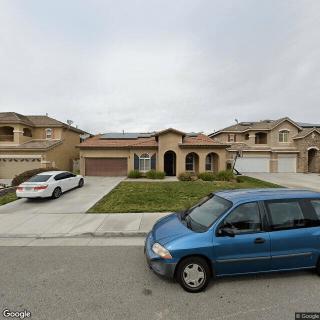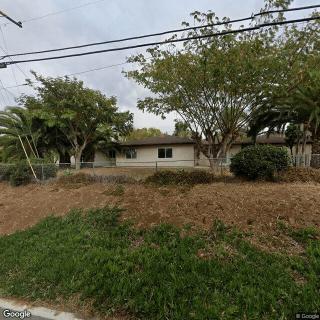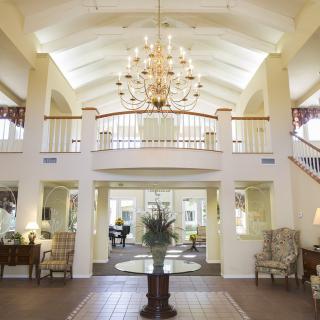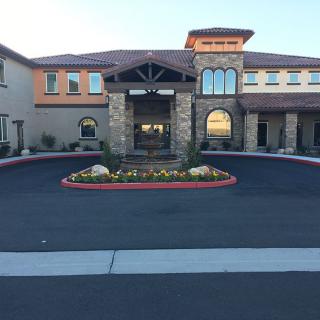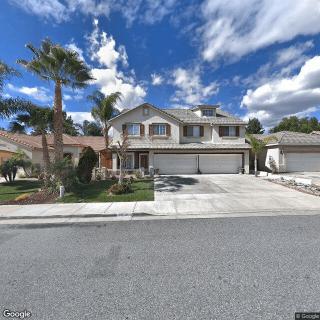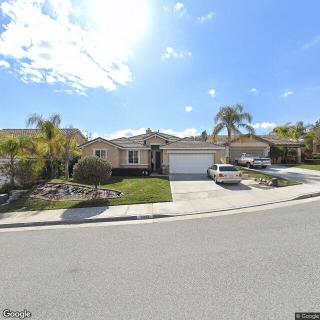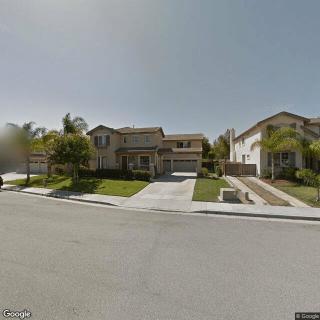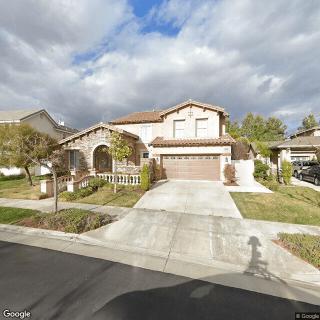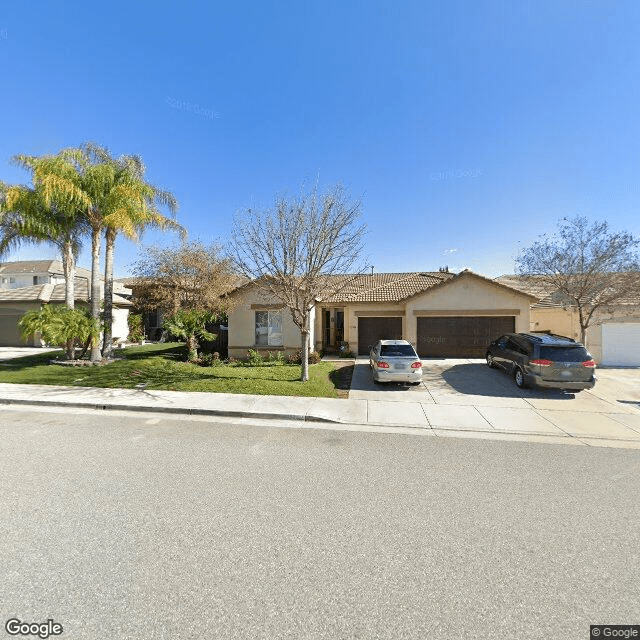
Lafayette Home Care 5 in Murrieta, CA

Save
Lafayette Home Care 5

Lafayette Home Care 5 in Murrieta, CA

39396 Brighton St, Murrieta, CA 92563

For more information about senior living options: (844) 490-3973

2.7 from 3 reviews
5 stars
1
4 stars
0
3 stars
0
2 stars
1
1 stars
1

Board and Care Home Memory Care

Lafayette Home Care 5 Costs & Pricing

Lafayette Home Care 5 offers competitive pricing for its services in comparison to the broader market conditions in Riverside County and California. For semi-private rooms, residents can expect a monthly cost of $2,800, slightly below the county average of $2,844, and significantly lower than the statewide average of $3,333. In terms of private accommodations, Lafayette Home Care 5 charges $3,500 per month, which again is favorable compared to both Riverside County's average of $3,474 and California's higher average price of $3,939. This positioning not only underscores Lafayette Home Care 5's commitment to affordability but also highlights its value as a quality choice for families seeking care options that are financially accessible yet don't compromise on quality.

Floor plansLafayette Home Care 5Riverside CountyCalifornia
Semi-Private$2,800$2,844$3,333
Private$3,500$3,474$3,939

Overall Review of Lafayette Home Care 5

Pros

  • pro Michelle was extremely helpful when they first shared interest.
  • pro Lafayette Home Care 5 had two caregivers on staff 24 hours a day.
  • pro The food looked appetizing.
  • pro The place was very clean.
  • pro They were very attentive to the residents.
  • pro They had activities available for residents.
  • pro They could take residents to doctor's visits.

Cons

  • pro They are still waiting for the deposit to be returned.
  • pro They have been told multiple times when the funds would be returned, but no funds have been returned.
  • pro There is really no reason for the delay.
  • pro They find the delay tacky and have been more than patient at this point.

Review

Lafayette Home Care 5 in Murrieta is best suited for families seeking an intimate, home-like care setting with a very small community - roughly six residents - and around-the-clock oversight from two caregivers. The arrangement can feel personal and responsive, with clean surroundings and meals described as appetizing, which can be a comfort when a resident needs steady supervision and a familiar routine. That said, the reality is more precarious than the feel suggests: the site is characterized as a private residence and, in practice, is no longer operating as a formal home care facility. For long-term planning or any sense of durable stability, this distinction is a critical misalignment that makes it unreliable as a cornerstone of care.

Given that status, those who should consider alternatives are the same families that value formal licensing, predictable contracts, and a dependable path for continuity of care. The strongest red flags center on financial terms and ongoing operation. A deposit issue - promised refunds that never materialize - undermines trust in the arrangement and signals broader concerns about policy clarity and accountability. Prospective residents should assume that any facility with unresolved financial disputes or ambiguous status may not provide the safeguards needed for years of care, and should prioritize licensed providers with transparent deposit and refund policies.

On the upside, the positives are tangible: a pair of caregivers on site around the clock, a level of attentiveness that can be rare in larger settings, and a clean, well-maintained environment that contributes to comfort and safety. With only six residents, staff can know individual needs closely, and the provision to accompany residents to doctor visits is a real practical advantage for families navigating medical appointments. Food quality and daily living rhythms can make a meaningful difference for someone who values continuity and a familiar daily structure. Activities are available, even if participation varies among residents, which can be enough for those who prefer low-key engagement.

Yet the strengths do not fully offset the primary drawbacks. The intimate, private-residence model carries inherent risks when the operation is not functioning as a licensed, regulated facility. With the site described as no longer a home care facility, questions about staff redundancy, emergency coverage, and regulatory oversight arise - key considerations for anyone arranging care in the short, medium, or long term. The minimal resident census, while advantageous for personalized attention, also reflects a fragile model - content to deliver good care only under stable ownership and consistent funding, not a guarantee for the future. The most material offset would be an ironclad contract and a clear exit path, neither of which is reliably demonstrated in these accounts.

For decision-making, the prudent course is to pursue licensed, stable options that offer clear terms and a track record of continuity. Families should verify current licensing status, ownership structure, and who holds ultimate responsibility for daily operations. Demand written policies on deposits, refunds, and what happens if a resident needs to transition or if the facility ceases operation. Seek facilities with transparent pricing, guaranteed vacancy standards, and a documented contingency plan for caregiver shortages. If choosing in-home care, insist on a formal agreement with defined caregiver coverage, backup personnel, and an explicit, enforceable refund or credit policy for prepaid services. A visit or two to competing communities can reveal whether the intimate warmth here is possible elsewhere within a regulated setting.

In the end, Lafayette Home Care 5 offered a compelling sense of personal attention and a comfortable, orderly environment, but the combination of ongoing operation uncertainty and unresolved financial concerns makes it a decision to approach with caution. For families prioritizing long-term security, reliable licensing, and predictable financial terms, stronger bets exist in licensed assisted living communities or established in-home care agencies with transparent contracts. The takeaway is clear: prioritize durable stability and verifiable safeguards over the immediate charm of a tiny, home-like ambiance, and treat any deposit situation as a decisive deal-breaker unless it is fully resolved in writing before any commitment.

Features

Types of Care

  • Board and Care Home Board and Care HomeBoard and care homes provide a smaller, more intimate setting for seniors who require assistance with daily tasks but do not need the level of care offered by a nursing home. They offer personalized care, meals, and social activities in a homelike environment, ensuring that seniors receive individualized attention and support in their golden years.
  • Memory Care Memory CareMemory care is crucial for seniors as it provides specialized support and services for individuals with dementia or Alzheimer's disease. These programs offer a safe and secure environment where residents receive personalized care, cognitive stimulation, and help with daily activities. Memory care helps seniors maintain their independence, quality of life, and dignity while also providing peace of mind for their families.

Pets

  • Cats allowed Cats allowed"Pet friendly" senior living communities are important for seniors because pets provide companionship, reduce feelings of loneliness and depression, promote physical activity and mental stimulation, and offer a sense of purpose and responsibility. Pets can improve overall well-being and quality of life for seniors in many ways.
  • Dogs allowed Dogs allowed"Pet friendly" senior living communities are important for seniors because pets provide companionship, reduce feelings of loneliness and depression, promote physical activity and mental stimulation, and offer a sense of purpose and responsibility. Pets can improve overall well-being and quality of life for seniors in many ways.

Amenities

  • Activities off-site Activities off-siteEngaging in off-site activities is crucial for seniors to maintain social connections, stay active, and stimulate their minds. It promotes overall well-being and helps combat feelings of isolation and loneliness.
  • Activities on-site Activities on-siteActivities on-site are important for seniors because they provide opportunities for socialization, mental stimulation, physical activity, and overall well-being. Engaging in activities can help seniors stay active, maintain their independence, and improve their quality of life.
  • Bath tubs Bath tubsBath tubs are important for seniors because they provide a safe and relaxing way to bathe, helping to prevent slips and falls while promoting independence and overall well-being.
  • Beautician on-site Beautician on-siteHaving a beautician on-site at a senior living community is important for seniors as it allows them to easily access grooming and personal care services, boosting their self-esteem and overall well-being. It also provides convenience and helps seniors maintain their sense of independence and personal style.
  • Devotional services off-site Devotional services off-siteDevotional services off-site are important for seniors as they provide spiritual nourishment, social engagement, and a sense of community outside of the senior living facility. This can enhance overall well-being and help combat feelings of isolation and loneliness often experienced by older adults.
  • Devotional services on-site Devotional services on-siteDevotional services on-site provide seniors with spiritual support and a sense of community, as well as an opportunity for reflection and guidance during their senior living experience. This can promote emotional well-being and connection to others, leading to a more fulfilling and enriching lifestyle in their later years.
  • Indoor common areas Indoor common areasIndoor common areas are crucial for seniors as they provide a space for socialization, recreation, and community engagement, promoting overall well-being and reducing feelings of isolation and loneliness.
  • Outdoor common areas Outdoor common areasOutdoor common areas are important for seniors as they provide a space for socialization, physical activity, and relaxation. Being outside in nature can improve mood and overall well-being, while also encouraging movement and engagement with others. These spaces can help combat feelings of isolation and promote a sense of community among residents.
  • Private PrivatePrivacy is important for seniors as it allows them to maintain their independence, dignity, and sense of control over their own lives. It also gives them the space and freedom to relax, reflect, and engage in activities that bring them joy and fulfillment. Creating private spaces within senior living facilities is crucial for promoting overall well-being and quality of life.
  • Respite or short term stays offered Respite or short term stays offeredRespite or short term stays provide seniors with a temporary solution when their regular caregiver is unavailable, offering them the opportunity to receive additional care and support during times of need, while also giving caregivers a chance to rest and recharge.
  • Wheelchair accessible showers Wheelchair accessible showersWheelchair accessible showers are crucial for seniors as they provide a safe and independent bathing option for those with mobility challenges. These showers help prevent falls and allow seniors to maintain their dignity and autonomy while ensuring they can bathe comfortably.

Care Services

  • High acuity care High acuity careHigh acuity care is important for seniors because it provides specialized medical attention and support for individuals with complex medical needs. This level of care ensures that seniors receive the appropriate treatment and assistance to maintain their health and quality of life as they age.
  • Incontinence care Incontinence careIncontinence care is essential for seniors to maintain their dignity, hygiene, and overall quality of life. By addressing incontinence issues promptly and effectively, seniors can enjoy a sense of independence and comfort in their daily activities.

Dining

  • Kosher KosherKosher options are important for seniors because they adhere to dietary laws that are significant to many Jewish individuals, providing them with peace of mind and an opportunity to maintain their cultural traditions and beliefs while living in a senior living community.
  • Meals provided Meals provided"Meals provided" are crucial for seniors in assisted living communities as it ensures they have access to nutritious, balanced meals without the stress of meal planning and preparation. This can help promote overall health and well-being for seniors who may have limited mobility or cognitive abilities.
  • Vegetarian VegetarianA vegetarian diet is important for seniors because it can help lower the risk of chronic diseases, maintain a healthy weight, and provide essential nutrients needed for aging bodies. Additionally, plant-based diets are often easier on digestive systems and can contribute to overall well-being in older adults.

Activities

  • Activities off-site Activities off-siteEngaging in off-site activities is crucial for seniors to maintain social connections, stay active, and stimulate their minds. It promotes overall well-being and helps combat feelings of isolation and loneliness.
  • Activities on-site Activities on-siteActivities on-site are important for seniors because they provide opportunities for socialization, mental stimulation, physical activity, and overall well-being. Engaging in activities can help seniors stay active, maintain their independence, and improve their quality of life.
  • Devotional activities offsite Devotional activities offsiteDevotional activities offsite are important for seniors because they provide social engagement, spiritual growth, and a sense of community outside of their living environment. This can improve overall well-being, mental health, and combat feelings of isolation or loneliness.
  • Devotional activities on-site Devotional activities on-siteDevotional activities on-site provide seniors with a sense of community, spiritual fulfillment, and emotional support, promoting overall well-being and a positive sense of purpose in their lives.

Description

Located in Murrieta, CA, Lafayette Home Care 5 is an assisted living community that specializes in memory care. We provide a range of services and amenities to ensure the comfort and well-being of our residents.

Our community offers activities on-site to keep our residents engaged and entertained. They can also enjoy a relaxing bath in our fully equipped bathtubs. We have a beautician on-site to cater to their grooming needs, ensuring they always look and feel their best. Devotional services are available both on-site and off-site for those who wish to nourish their spiritual needs.

Indoor and outdoor common areas provide ample space for socializing and enjoying the fresh air. Our facilities are wheelchair accessible with showers designed specifically for this purpose.

Incontinence care is one of the care services we offer, providing assistance and support to residents who may require it. Nutritious meals are provided, with options available for vegetarian diets.

Residents can take part in various activities, both on-site and off-site, including devotional activities. Additionally, there are multiple cafes, parks, pharmacies, physicians, restaurants, places of worship, and theaters conveniently located nearby.

At Lafayette Home Care 5, we strive to create a warm and inviting environment where residents feel safe and at home while receiving the specialized memory care they need.

Nearby Places of Interest

This part of Murrieta, California, offers a convenient and diverse range of amenities for seniors considering living in the area. With multiple physicians, pharmacies, and wellness centers within close proximity, residents have easy access to healthcare services. Additionally, there are various dining options nearby including popular fast-food chains and sit-down restaurants. The presence of parks like Lake Harveston provides opportunities for outdoor recreation and relaxation. For those seeking spiritual fulfillment, places of worship such as Calvary Chapel Conference Center are also nearby. Overall, this neighborhood offers a mix of convenience, entertainment, and essential services that cater well to the needs of seniors looking to settle in the area.

Physicians

  • American Spine & Painmedgroup (0.4 miles)
  • Brigid Freyne MD (1 miles)
  • Wellness Center for Integrative Pediatrics (1 miles)
  • Todd Curley DDS (1.1 miles)
  • Lobue Laser & Eye Medical Center (1.7 miles)
  • Beverly Hills Cosmetic Centers Temecula Temecula (1.7 miles)
  • The Promenade In Temecula Eyexam of CA (1.7 miles)

Restaurants

  • McDonald's (0.5 miles)
  • Jack In The Box (0.7 miles)
  • Sonic Drive-In (0.8 miles)
  • Board & Brew (1.1 miles)
  • McDonald's (1.2 miles)
  • Raising Cane's Chicken Fingers (1.4 miles)
  • Chick-Fil-A (1.5 miles)

Pharmacies

  • Albertsons Pharmacy (0.6 miles)
  • Walgreens (0.6 miles)
  • Rite Aid (0.6 miles)
  • Nufactor (1.6 miles)
  • Walgreens (1.7 miles)
  • Longevity By Nature (2.8 miles)
  • CVS Pharmacy (3 miles)

Parks

  • Lake Harveston (0.8 miles)
  • Los Alamos Hills Sports Park (2.7 miles)
  • Spencers Crossing Sports Park (4 miles)

Cafes

  • Intazza (0.8 miles)
  • Panera Bread (2 miles)
  • Starbucks (3.6 miles)
  • Starbucks (3.7 miles)
  • Laurent's Le Coffee Shop (3.7 miles)

Places of Worship

  • Calvary Chapel Conference Center Murrieta Hot Springs (0.8 miles)
  • Orchard Christian Fellowship (2.8 miles)
  • St Martha Catholic Church (2.8 miles)

Theaters

  • AMC Temecula 1 (3.1 miles)

Frequently Asked Questions

How much does it cost to live at Lafayette Home Care 5 in Murrieta, CA?
Where is Lafayette Home Care 5?
Does Lafayette Home Care 5 provide care for residents with dementia or Alzheimer's disease?
Does Lafayette Home Care 5 allow residents to have pets?

Nearby Communities

  • Brighton Residential Care Facility

    Brighton Residential Care Facility

    Murrieta, CA

    2.7 from 3 reviews
     

    pro Small, intimate setting with personalized care.

  • New Hope Residential Elder Care

    New Hope Residential Elder Care

    Murrieta, CA

    4 from 9 reviews
    $2,500 to $3,100 / month

    pro All-inclusive care (meals and medications) in a clean, supportive, 24/7 staffed home with private room options.

  • Diamond Residential Care Facility for the Elderly of Murrieta

    Diamond Residential Care Facility for the Elderly of Murrieta

    Murrieta, CA

    4.6 from 10 reviews
    $2,200 to $3,500 / month

    pro Impeccably clean environment with friendly staff and active owner involvement.

  • DiamondOf Murrieta

    DiamondOf Murrieta

    Murrieta, CA

    5 from 4 reviews
     

    pro Small, home-like setting with 24-hour supervision and daily living support.

  • Gentle Care

    Gentle Care

    Temecula, CA


    pro Active activities and high-acuity care with on-site services.

  • Wellesley Residential Care

    Wellesley Residential Care

    Temecula, CA

     
    $2,500 to $3,500 / month

    pro Memory-care specialization with affordable semi-private pricing and convenient local amenities in Temecula.

  • Vineyard Ranch at Temecula

    Vineyard Ranch at Temecula

    Temecula, CA

    4.7 from 138 reviews
    $3,195 to $5,295 / month

    pro Friendly, attentive staff in a welcoming, active community with excellent dining.

  • Brookdale Murrieta

    Brookdale Murrieta

    Murrieta, CA

    4.2 from 91 reviews
    $4,460 to $5,885 / month

    pro Friendly, attentive staff; clean, inviting spaces; engaging activities.

  • Renaissance Village Murrieta

    Renaissance Village Murrieta

    Murrieta, CA

    4.3 from 110 reviews
    $3,395 to $5,400 / month

    pro Beautiful, clean campus with extensive amenities and diverse care options.

Related Resources

  • when to move from assisted living to nursing home8 Key Indicators That Suggest It May Be Time to Transition from Assisted Living to Skilled Nursing Care

    The transition from assisted living to skilled nursing care is often prompted by complex medical needs that assisted living cannot meet, with key indicators including frequent health declines, increased falls, severe memory issues, and caregiver burnout. Families should recognize these signs early to discuss options with healthcare providers and prepare for the emotional and logistical aspects of moving to a facility that offers comprehensive medical support.

  • best foods for dementia patients to eatNourishing the Mind: Essential Dietary Approaches for Dementia

    Dementia is characterized by cognitive decline, with nutrition playing a vital role in brain health; while no specific diet can prevent or reverse it, a nutrient-dense diet rich in antioxidants and healthy fats may support cognitive function. The MIND diet, which emphasizes beneficial foods and limits processed items, along with proper hydration and individualized meal strategies, can enhance the well-being of dementia patients.

  • dementia behaviorsUnderstanding Dementia Behaviors: Practical Insights and Strategies for Caregivers

    Dementia affects memory and cognitive function in older adults, presenting challenges for caregivers due to behavioral changes such as confusion and mood swings. Compassionate, person-centered care that considers individual history and preferences, along with effective communication and environmental modifications, is essential for supporting both patients and their caregivers.