
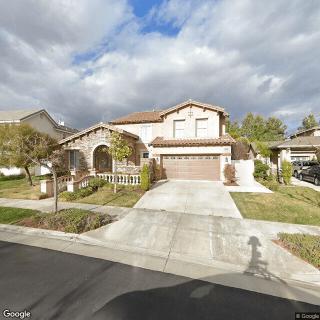
39396 Brighton Street, Murrieta, CA 92563
For more information about senior living options: (866) 208-4318
Overall Review of Brighton Residential Care Facility
Pros
 Michelle was extremely helpful when they first expressed interest.
- The facility had two caregivers on staff 24 hours a day.
- The food looked appetizing.
- The place was very clean.
- They were very attentive to the residents.
- Everything was well cared for.
Cons
 They are still chasing the deposit that is rightfully theirs.
- The funds have not been returned despite multiple assurances.
- There is no reason given for the delay.
- They find the delay to be tacky.
- The location is a private residence and is no longer a home care facility.
- The mom passed away after only seven days there.
- They feel this should have been one less thing to worry about.
Review
Brighton Residential Care Facility in Murrieta is best suited for families seeking a small, home-like setting where care can feel personal and less clinical. The intimate vibe of a private-residence operation can be appealing to seniors who value warmth and direct access to caregivers rather than a large, impersonal campus. However, this advantage rests on a fragile thread: the facility’s current status as a private residence and the lack of clear, timely governance. Families choosing this path must be prepared to stay actively involved, verify ongoing operations, and demand concrete, written assurances about deposits, refunds, and daily oversight.
Those who should consider alternatives are families prioritizing predictable governance, strict financial transparency, and formal licensing continuity. The reviews hint at a fundamental risk: money handling and administrative clarity were not reliably provided. In Sept 2022, a deposit tied to the care arrangement remained unreconciled for an extended period, with staff offering little explanation for the delay. When a family cannot rely on prompt, principled refunds or clear timelines, the chance of friction and distrust grows, complicating any long-term housing decision. For caregivers needing a consistently regulated environment with documented policies, a larger or more formally governed facility may be wiser.
The strongest practical pro is the potential for genuine, attentive care within a small, private setting. One account notes that the initial contact was notably helpful, signaling that enthusiastic, responsive staff can exist in this type of home-like operation. That kind of engagement matters because it can translate into more personalized routines, closer observation of a resident’s needs, and a sense of being seen as an individual rather than a bed in a hall. In a small home, when staff turnover is low and communication lines stay open, residents often experience continuity of care and easier access to daily support, doctor visits, and daily activities. Yet such positives are fragile if operational integrity falters.
But the main cons in these reviews center on trust and stability. The deposit dispute represents a serious red flag: funds deemed “not to be touched” were not returned in a timely fashion, despite repeated assurances. Delays with a financial settlement of this kind undermine confidence in overall operations and raise questions about governance, record-keeping, and accountability. Coupled with the line that the property is “a private residence and is no longer a home care facility,” there is a risk of ongoing uncertainty about licensing status, regulatory oversight, and what services are guaranteed long-term. For families, that combination, financial ambiguity plus operational ambiguity, diminishes the consistency required for ongoing elder care.
In practical terms, this means decisions should hinge on concrete checks before committing. Demand a current, written agreement detailing deposit terms, refund timelines, and what happens if a resident’s care needs escalate. Request proof of current licensing, certification, and any changes to the facility’s operating status since the move away from a formal home care model. Inspect staffing patterns: are caregivers present 24/7, what are the qualifications, and how is coverage managed during illness or vacations? Seek clarity on meals, activities, transportation to medical appointments, and a documented care plan that covers end-of-life preferences. Above all, insist on transparency: written policies, a clear point of contact, and predictable financial practices.
The bottom line is that Brighton may offer a warm, intimate alternative for families who can stay actively involved and demand strong governance, but the combination of deposit disputes and ambiguous facility status makes it a decision worth approaching with caution. For families that cannot tolerate ambiguity or who require stable oversight and clearly documented finances, exploring better-regulated options is prudent. When evaluating Brighton, prioritize written assurances, verify current operations, and compare against more transparent small homes or licensed facilities with a track record of prompt financial settlements and stable, consistent care. The right choice rests on reliability, not sentiment, ensure both are present before proceeding.
 6 resident community capacity
 Assisted Living
 Board and Care Home
 Respite Care
 Cable or satellite TV
 Dining room
 Fully furnished
 Garden
 Housekeeping services
 Move-in coordination
 Outdoor space
 Telephone
 Wi-Fi/high-speed internet available
 24-hour supervision
 Activities of daily living assistance
 Assistance with bathing
 Assistance with dressing
 Assistance with transfers
 Diabetes diet
 Meal preparation and service
 Medication management
 Special dietary restrictions
 Transportation arrangement (medical)
 Transportation to doctors appointments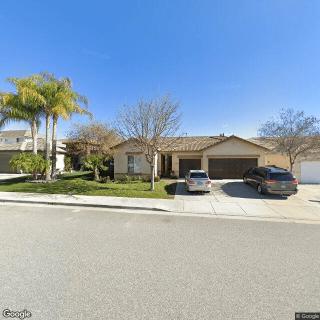



 Comprehensive Insights into Activities of Daily Living (ADLs) and Their Assessment
 Medicare Coverage for Assisted Living: An In-Depth Exploration
 Choosing the Right Senior Care: A Detailed Exploration of Assisted Living and Nursing Homes