
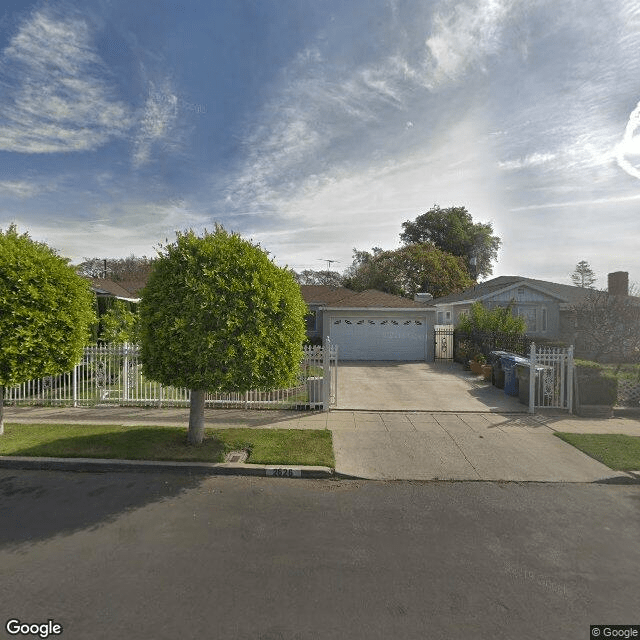
2626 Coolidge Ave, Los Angeles, CA 90064
To contact a resident: (310) 422-7184
For more information about senior living options: (866) 208-4318
West LA Garden Costs & Pricing
West LA Garden offers competitive pricing for its accommodations in comparison to Los Angeles County and the broader California state averages. For a semi-private room, West LA Garden charges $3,000 per month, which is notably lower than the county's average of $3,349 and slightly below the state average of $3,333. The rates for private rooms and studios are also positioned favorably; both options are priced at $3,500, whereas the county figures show higher costs at $4,197 for private rooms and $4,172 for studios. Even against California's averages of $3,939 for private rooms and $4,145 for studios, West LA Garden remains an appealing choice for those seeking quality care without straining their budgets. Overall, these pricing strategies reflect West LA Garden's commitment to providing value while maintaining high standards of service.
| Floor plans | West LA Garden | Los Angeles County | California |
|---|---|---|---|
| Semi-Private | $3,000 | $3,349 | $3,333 |
| Private | $3,500 | $4,197 | $3,939 |
| Studio | $3,500 | $4,172 | $4,145 |
Memory care communities with a similar price nearby
-
from +$500 / mo
Kind Heart Home Care VI
$3,500 to $5,000 / month15.9 miles away -
from +$500 / mo
Paradise Senior Living 1
$3,500 to $4,500 / month15.0 miles away -
from -$250 / mo
Dignity Care Home 1
$2,750 to $4,150 / month14.3 miles away -
from +$500 / mo
Hollywood Healthy Living
$3,500 to $5,000 / month14.1 miles away -
from +$500 / mo

California Senior Of Sherman Oaks
$3,500 to $4,000 / month9.1 miles away
Overall Review of West LA Garden
Pros
 Athens Victory Garden is a lovely place to meet people who live in the community and grow together.
- The community garden is beautiful.
- It is a good place to relax.
- It feels good to help out the community.
- It is always clean and fresh, with trees, and it provides a very nice view.
- It is a very nice place.
Cons
 They didn't feel that mom would be a fit in this location.
- The garden is usually locked to protect it, making access inconvenient.
- Entry depends on discovering the open community days, which is not ideal.
Review
West LA Garden in Los Angeles is best suited for independent seniors and their families who prize a garden-centered, community-minded outdoor space. It works well for those who want social interaction, a calm setting, and an opportunity to contribute to a neighborhood project without requiring on-site caregiving or round-the-clock supervision. The space is described as beautiful, well-kept, and inviting, with a pleasant view that makes daily visits feel relaxing rather than mandatory. For families focused on enrichment through horticulture and neighborly connection, this garden can be a meaningful anchor in a broader plan.
Those who may want to consider alternatives are seniors who require predictable access, daily living support, or on-site care. The garden operates with open community days and gates that are typically locked to protect the space, which can create a barrier for anyone who needs consistent or spontaneous access. Two reviews explicitly note concerns about fit for a parent in this environment, signaling that the location may not suit everyone, particularly someone who would benefit from a care-focused setting, reliable transportation, or a more structured daily routine.
The strongest positives are clear and practical: the garden encourages real social ties, offers a welcoming place to meet neighbors, and provides a sense of contributing to the community. The environment is described as consistently clean and fresh, with mature greenery that enhances the vista and a quiet atmosphere conducive to reflection or light activity. These advantages matter because they translate into low-stress, low-cost enrichment for an active senior who values autonomy, personal hobbies, and informal social networks. When weighed against the main drawback of restricted access, the pros still carry substantial weight for those who can plan around the schedule and treat the garden as a planned outing rather than a daily residence.
However, the cons are not incidental. The locked-access model limits spontaneity and can complicate a senior’s routine, particularly if transportation, mobility limitations, or weather complicate travel on specific days. The lack of inherent on-site care or structured programming means this space cannot stand alone as a complete living solution for elders who need medical oversight, constant supervision, or scheduled activities beyond gardening. The candid equipoise in the reviews suggests that while the garden excels at being a community focal point, it does not substitute for a traditional senior living environment for many families. This reality makes West LA Garden a strong complement to independent living plans, not a stand-alone care option.
For decision-makers, practical steps matter. Confirm the open community days and understand exactly when access is permitted, then assess whether those times align with a parent’s schedule and transportation arrangements. Inspect accessibility features near entrances, examine paths for wheelchair or walker usability, and verify nearby rest areas and restrooms. Consider how engagement would work outside garden hours, whether a family member can drive a parent to a scheduled day, or if volunteer programs exist that provide additional supervised opportunities. Finally, evaluate how this garden could integrate with a broader care plan: as a social hub and hobby space within an independent-living setup, or as a daytime excursion option connected to a nearby assisted living community.
The bottom line is practical and clear. West LA Garden delivers a high-quality, aesthetically pleasing outdoor space that nurtures social connection, community contribution, and a sense of serenity. It is an excellent fit for active, self-directed seniors who can work around scheduled access and who do not require on-site care. For families prioritizing steady access, continuous supervision, or formal care services, exploring alternatives, ranging from traditional assisted living with integrated activities to other communities that blend garden access with reliable daily support, will be the prudent course. In the end, the garden’s value rests on aligning its scheduling reality with a senior’s lifestyle and care needs.
 Board and Care Home
 Memory Care
 Cats allowed
 Dogs allowed
 Private
 Los Angeles International (6 miles away)


 8 Key Indicators That Suggest It May Be Time to Transition from Assisted Living to Skilled Nursing Care
 Nourishing the Mind: Essential Dietary Approaches for Dementia
 Understanding Dementia Behaviors: Practical Insights and Strategies for Caregivers