

3414 Deer Hill Rd., Lafayette, CA 94549
To contact a resident: (925) 283-2563
For more information about senior living options: (866) 208-4318
Deer Hill Care Home Costs & Pricing
Deer Hill Care Home offers competitive pricing for its accommodations compared to the broader market in Contra Costa County and across California. For private rooms, Deer Hill Care Home charges $3,200 per month, significantly lower than the county average of $4,088 and also undercuts the state average of $3,939. Similarly, their semi-private rooms are priced at $3,200, which is above the county's average of $3,471 but remains favorable when considering the statewide average of $3,333. Overall, Deer Hill Care Home presents a cost-effective option for those seeking quality care, especially for private room accommodations within this region.
| Floor plans | Deer Hill Care Home | Contra Costa County | California |
|---|---|---|---|
| Private | $3,200 | $4,088 | $3,939 |
| Semi-Private | $3,200 | $3,471 | $3,333 |
Memory care communities with a similar price nearby
-
from -$200 / mo
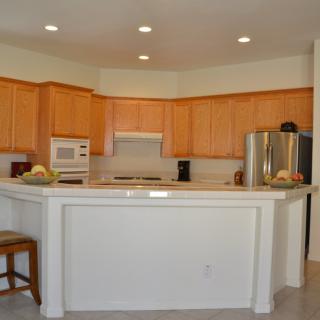
Laylor Care Home For The Elderly
$3,000 to $4,000 / month16.7 miles away -
About the same
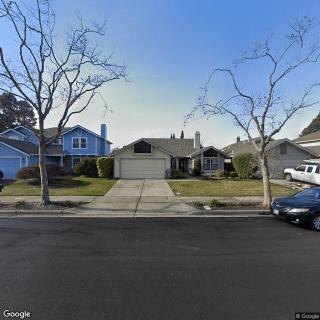
Harbor Bay Assisted Living
$3,195 to $5,000 / month13.0 miles away -
from +$300 / mo
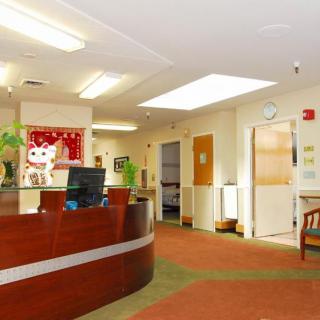
East Bay Assisted Living
$3,500 to $5,000 / month9.6 miles away -
from +$600 / mo
Stamm Care Home 3
$3,800 / month4.9 miles away -
from -$400 / mo

Nobis Care Homes
$2,800 to $3,200 / month23.3 miles away
Overall Review of Deer Hill Care Home
Pros
 He could not have received any better care than he did here.
- The caregivers were amazing!
- The place was run very well, always clean.
Review
Deer Hill Care Home in Lafayette is best suited for families that prioritize exceptionally attentive, compassionate daily caregiving in a small, well-run, and reliably clean environment. It works especially well for residents who benefit from steady, hands-on support and a positive, patient-focused staff dynamic, including end-of-life or short-term stays where the emphasis is on dignity, consistent routines, and minimal family stress. The available feedback paints a picture of a home where caregivers bring warmth to challenging moments and where operational stability translates into peace of mind for relatives.
Those who may want to consider alternatives are families looking for heavier medical oversight or more intensive rehabilitation services, memory-care specialization, or a larger campus with broader programming. If deep clinical resources, hospital-affiliated oversight, or expansive activity schedules are priorities, other communities with bigger teams or specialized programs may better meet those needs. Budget considerations or a desire for a more expansive social calendar could also steer families toward facilities that offer more extensive amenities and services.
The strongest pros, remarkably kind and dependable caregivers, consistently positive staff attitudes, and a well-run, meticulously clean environment, address the core fears families carry when choosing care: neglect, neglectful routines, or disarray. In practice, these elements offset the typical trade-offs associated with smaller homes. When caregivers are consistently warm, patient, and communicative, family members gain the confidence that their loved one is being treated with respect and that daily care remains predictable and dignified. Cleanliness and organizational discipline likewise reduce anxiety about safety, infection risk, and the reliability of routines, creating a foundation of trust that many families value during stressful transitions.
The lived experience conveyed by the review underscores how the caregiving culture translates into real-world reassurance. The staff’s ease with a resident who is not always easy to manage signals a level of professionalism and empathy that often determines how smoothly end-of-life or short-term stays unfold. For families, this translates into fewer confrontations with care decisions, clearer communication, and a greater sense of certainty that the loved one’s comfort and preferences are being honored day after day. The tone set by a well-managed facility becomes a critical asset when emotions are high and decisions are urgent.
Decision-makers should approach Deer Hill with a practical checklist: confirm that the facility can sustain the level of daily attention needed, discuss care-planning processes, and review how staff communicate changes in condition or routine. Ask about staffing continuity, how tasks are delegated across shifts, and what resources exist for tricky caregiving moments. If short-notice changes or more extensive medical interventions are anticipated, verify capabilities and transfer pathways. A visit should focus on observing interactions between staff and residents, touring living spaces for cleanliness and safety, and speaking candidly with caregivers about their approach to patient comfort and family collaboration.
In sum, Deer Hill Care Home stands out for families prioritizing compassionate, attentive caregiving in a clean, well-run setting. It is a compelling choice for end-of-life care or short-term stays where the priority is dignity, warmth, and dependable daily routines. For residents needing deeper medical oversight, robust rehabilitation, or expansive programming, alternatives with larger clinical teams may be preferable. Yet for those who value a small-home ethos anchored by capable, caring staff and a consistently orderly environment, Deer Hill offers a trustworthy, practical option worth pursuing with a scheduled tour and a direct conversation with the caregiving team.
 Board and Care Home
 Memory Care
 Private
 Metropolitan Oakland International (14 miles away)
 Ambulatory care


 Dementia-Related Hallucinations: Causes, Experiences, and Practical Approaches
 Illuminating Insights About Alzheimer's Disease: Ten Crucial Realities
 A Thorough Discussion of Medications Potentially Linked to Dementia Risk