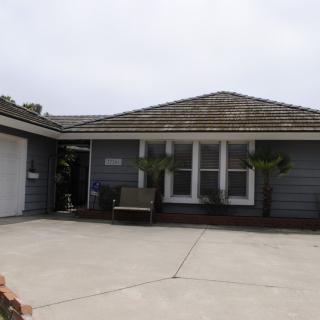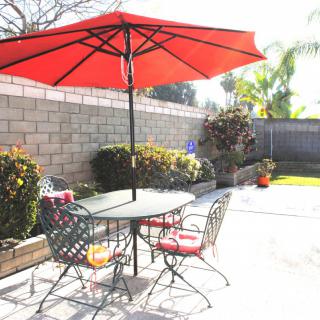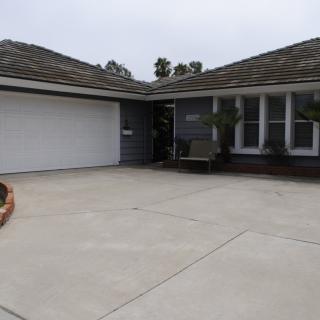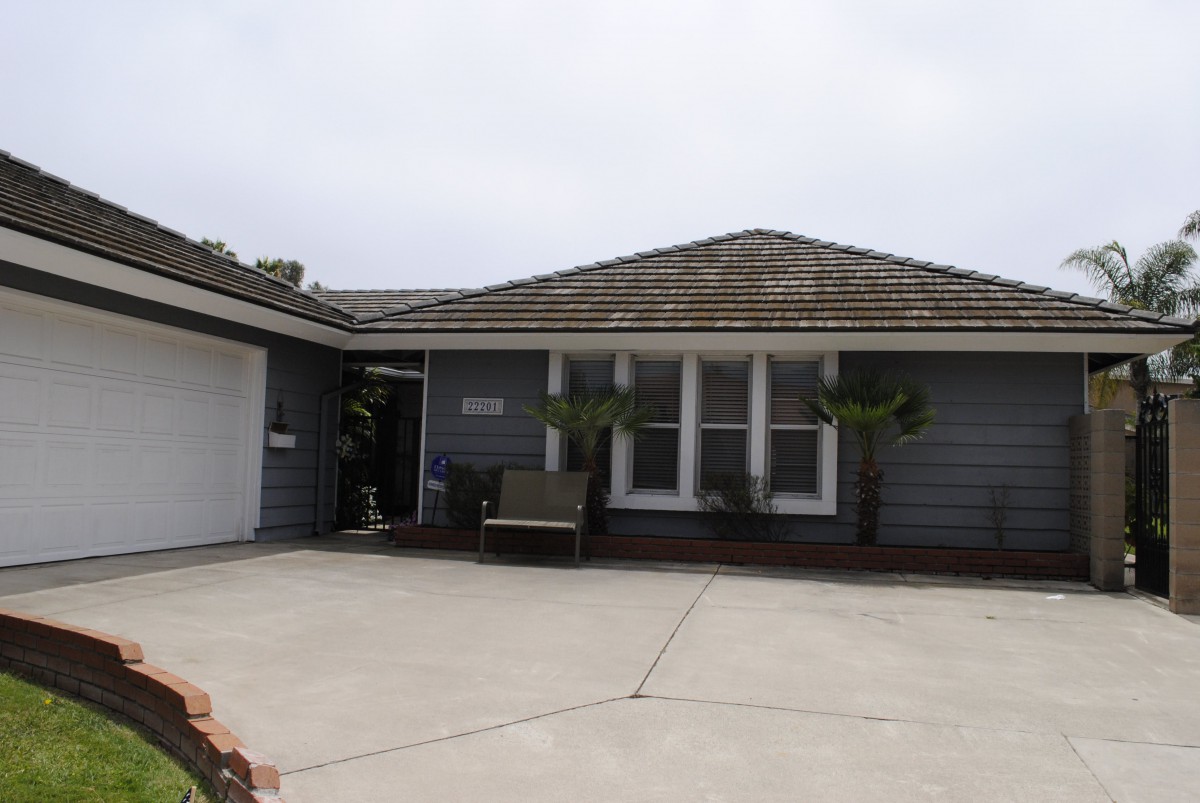
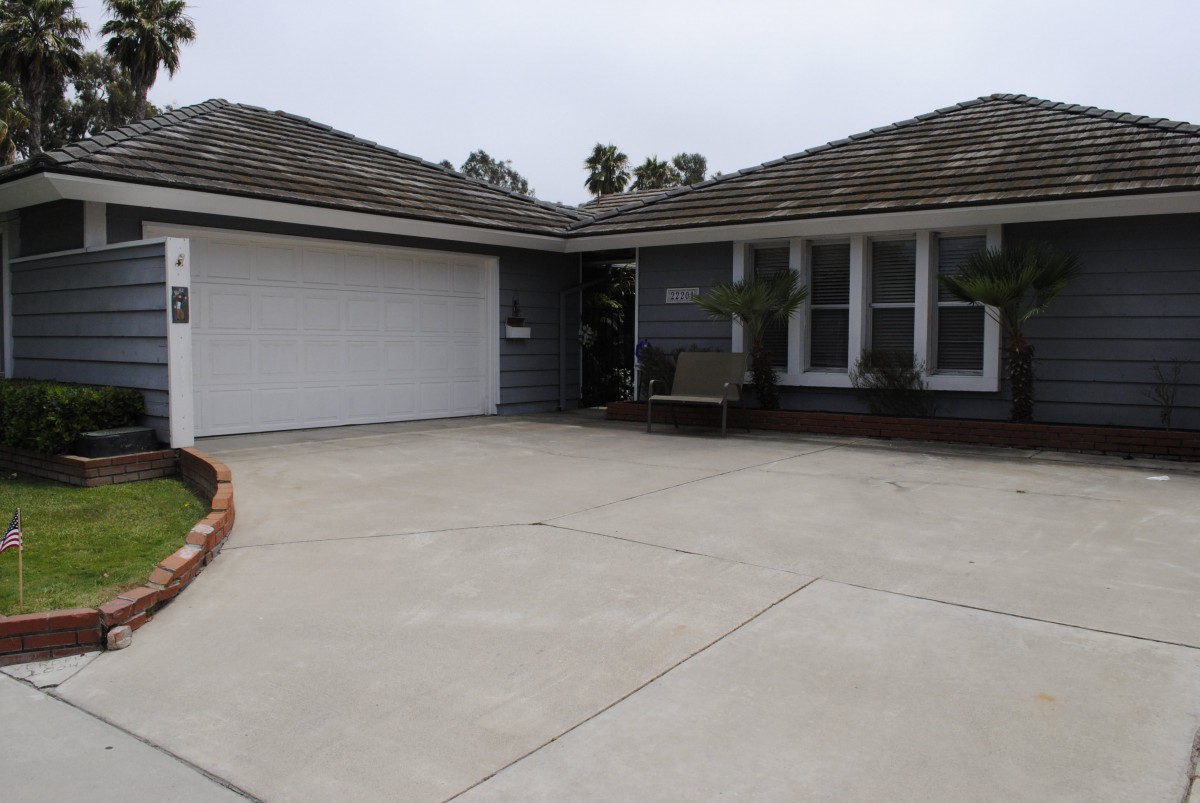
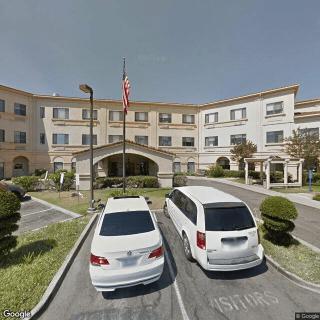
22201 Cape May Lane, Huntington Beach, CA 92646
To contact a resident: (714) 349-0162
For more information about senior living options: (866) 208-4318
Family Choice 1 Costs & Pricing
Family Choice 1 offers a competitive pricing structure for its room types compared to the broader market in Orange County and throughout California. For a semi-private room, Family Choice 1 charges $2,800 per month, which is significantly lower than the average costs of $3,431 in Orange County and $3,333 statewide. When looking at private rooms, Family Choice 1 still holds an advantage with a monthly fee of $3,500, in contrast to the typical prices of $4,104 in Orange County and $3,939 across California. This positioning not only reflects Family Choice 1's commitment to affordability but also provides families with a valuable option that ensures quality care without compromising on financial considerations.
| Floor plans | Family Choice 1 | Orange County | California |
|---|---|---|---|
| Semi-Private | $2,800 | $3,431 | $3,333 |
| Private | $3,500 | $4,104 | $3,939 |
Memory care communities with a similar price nearby
-
About the same
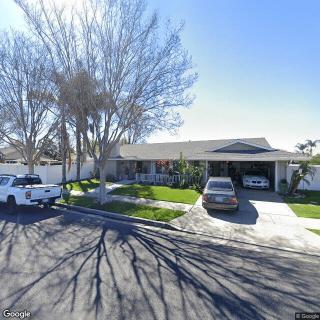
Candlewood Care Home III
$2,800 to $3,400 / month11.4 miles away -
from -$400 / mo
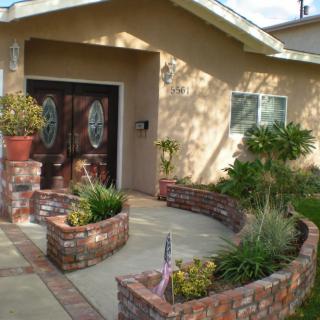
Living Well Care Home
$2,400 to $3,200 / month14.6 miles away -
About the same
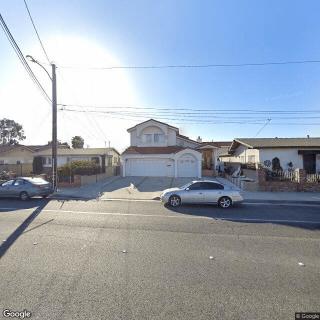
Leah Loving Elderly Care
$2,800 to $3,000 / month5.0 miles away -
from -$100 / mo
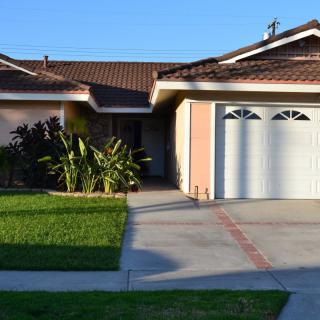
Loving Care Senior Home
$2,700 to $3,500 / month3.8 miles away -
from -$500 / mo
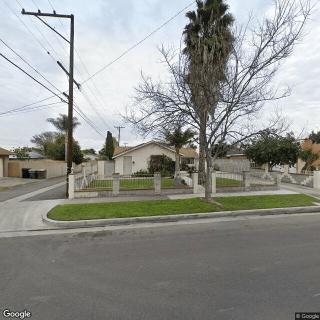
Bronwyn Residential Care
$2,300 to $3,500 / month12.8 miles away
Overall Review of Family Choice 1
Pros
 Really nice people.
Cons
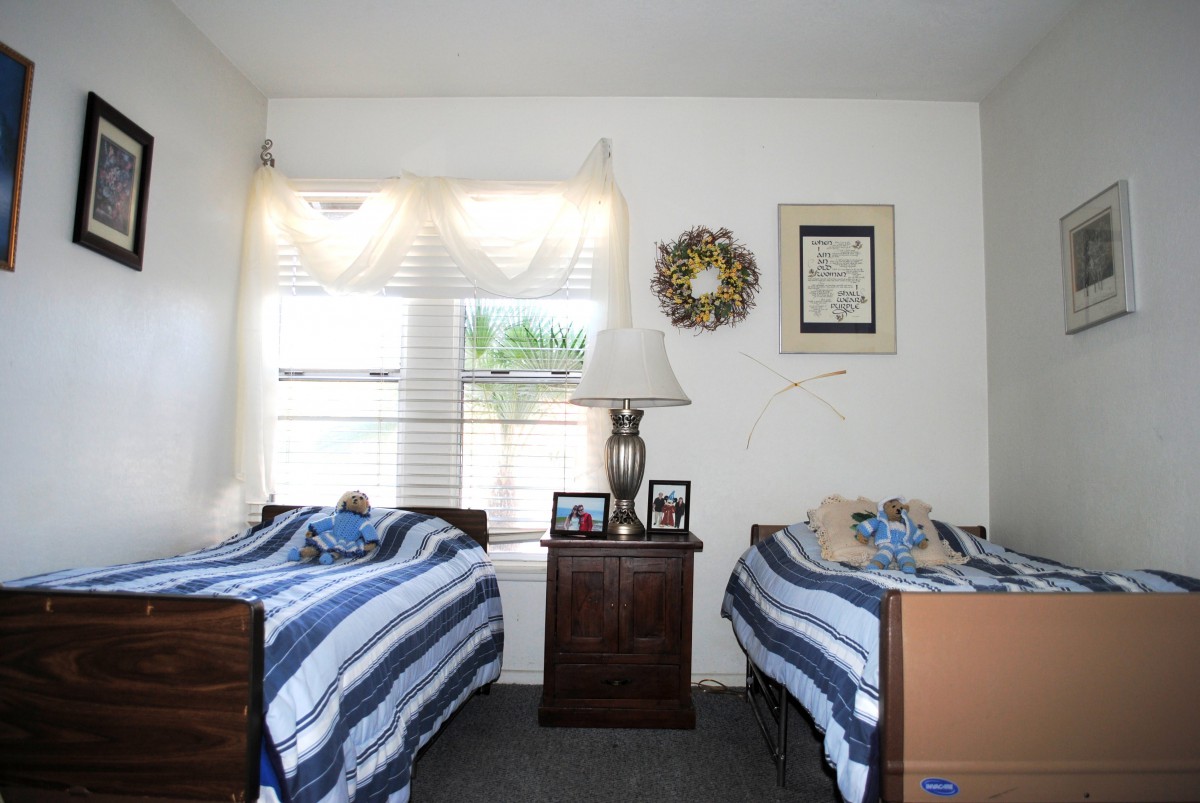
 They think T wouldn't be comfortable with the other residents there, and the room would be shared.
- The cost is about $2600 a month.
Review
This community is best suited for seniors who can tolerate a shared living arrangement and who place a premium on a warm, approachable staff, all while keeping a relatively modest monthly outlay, about $2,600. The overall vibe appears to be one of genuine kindness from both staff and neighbors, a calm pace, and a sense that residents are treated with respect rather than rushed through routines. For someone who values privacy and a private residence, however, this option will likely feel limiting. In practical terms, it serves well a budget-conscious senior who does not insist on a private room and who appreciates a welcoming, low-friction environment.
Who should consider alternatives? Families and residents who require or strongly prefer a private room should look elsewhere. The core drawback repeatedly noted is that rooms are shared, which directly impacts privacy and daily living rhythms. If personal space and quiet time are non-negotiable, this setting can feel intrusive. Additionally, if the potential resident is sensitive to the social mix or has specific preferences about resident temperament and activities, a smaller or differently composed community may deliver a better fit. In short, privacy-first expectations and a need for finely tuned peer dynamics point toward other options.
On the upside, the staff and resident interactions form a genuine asset. Descriptions of the community emphasize friendliness, courtesy, and an atmosphere that feels welcoming rather than transactional. That human warmth translates into dependable day-to-day support, predictable responses to needs, and a comforting sense of belonging, factors that can materially improve quality of life when other conveniences are limited. The cost, cited as around $2,600 per month, adds to the appeal for budget-conscious families who want reliable service without the higher price tags common at some neighboring facilities. In scenarios where companionship and ease of access to help matter most, these advantages carry noticeable weight.
Yet the main cons remain salient and hard to ignore. Private space is not available, and shared living can erode boundaries necessary for rest, privacy, and individualized routines. The potential resident’s comfort with peers becomes a critical variable; an unsettled fit can undermine a positive staff reputation and upset daily harmony. These dynamics also affect privacy during meals, activities, and overnight periods, which are central to sustained satisfaction in assisted living. When privacy and compatibility are the priority, the weight of these drawbacks often eclipses the visible benefits of friendliness and affordability.
Do the pros offset the cons? The answer depends on what matters most to the resident and family. If the guiding priorities are a courteous, supportive staff and a lower cost, these strengths do provide meaningful value that can stabilize daily life and reduce financial pressure. However, the trade-off, sharing a room and the unpredictability of peer fit, still looms large. For a resident who can accept crowded spaces, shared sleeping arrangements, and the potential tedium of limited privacy, the package can be workable and cost-effective. For those who cannot accept these compromises, the pros fail to fully offset the cons, making alternatives a prudent pursuit.
Practical next steps involve targeted due diligence. Schedule a tour with a clear checklist that probes room configurations, the presence of any private accommodations, and the process for matching or assigning roommates. Ask what the $2,600 actually covers, whether there are ancillary fees, and how often room changes or transfers occur if needs evolve. Inquire about daily routines, dining options, and the level of assistance available for essential tasks, as these will shape day-to-day satisfaction. If ongoing privacy and peer harmony are non-negotiable, use these findings to determine whether Family Choice 1 remains a viable option or if it’s time to broaden the search toward communities prioritizing private living spaces and carefully curated resident populations.
 Board and Care Home
 Memory Care
 Activities on-site
 Beautician on-site
 Devotional services on-site
 Indoor common areas
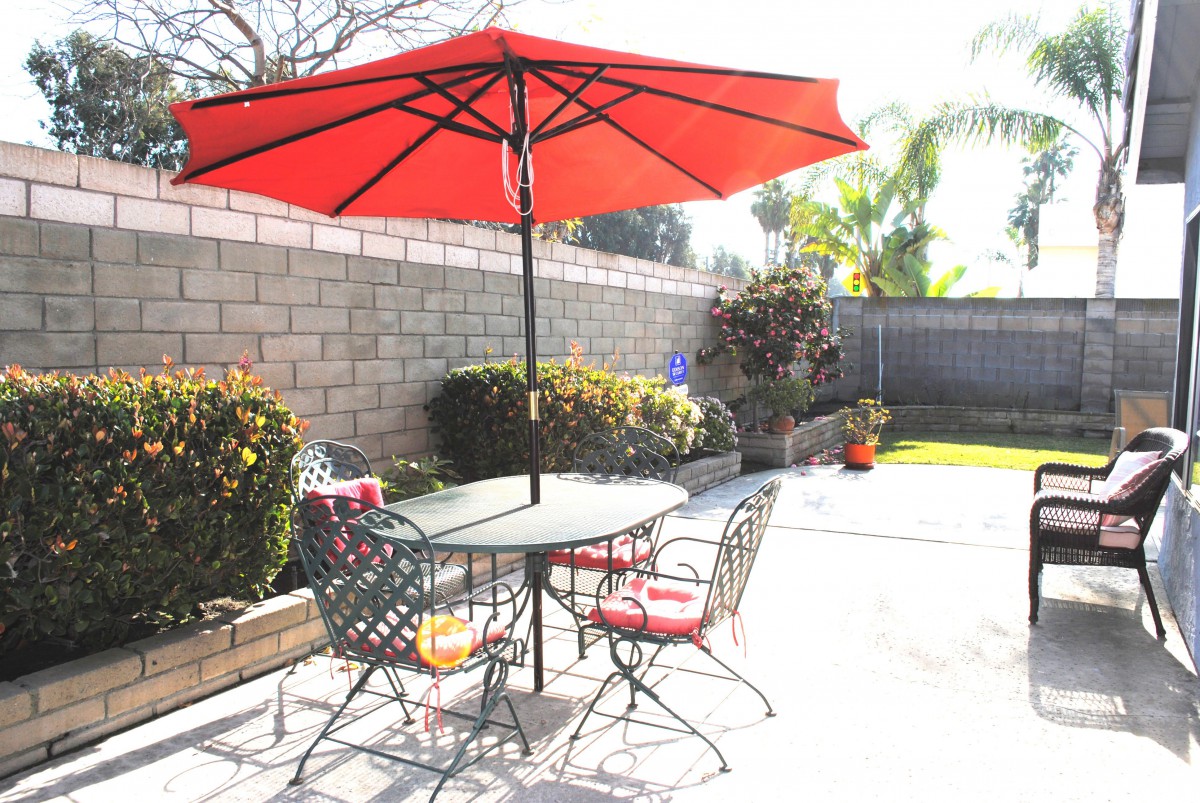
 Outdoor common areas
 Private
 Respite or short term stays offered
 Wheelchair accessible showers
 John Wayne Orange Co (6 miles away)
 Ambulatory care
 Diabetic care
 High acuity care
 Incontinence care
 Medication management
 Meals provided
 Christian services

 Comprehensive Guide to VA Nursing Homes: A Crucial Long-Term Care Resource for Veterans
 Estimating the Expenses of At-Home Dementia Care: A Detailed Exploration
 Comprehensive Insights on the Late Stages of Dementia: What to Expect and How to Provide Care