

9892 Effingham Drive, Huntington Beach, CA 92646
To contact a resident: (714) 965-1545
For more information about senior living options: (866) 208-4318
Huntington Beach Liberty Home Costs & Pricing
Huntington Beach Liberty Home offers competitive pricing for its residential options compared to the broader market in Orange County and California. For semi-private rooms, residents can expect to pay $2,200 per month, which is significantly lower than the county average of $3,431 and the state average of $3,333. Those seeking more privacy will find the private room rate at Huntington Beach Liberty Home to be $2,500 per month, again well below the Orange County average of $4,104 and California's average of $3,939. This pricing structure positions Huntington Beach Liberty Home as an attractive option for individuals seeking quality care without the elevated costs typically associated with similar facilities in the region.
| Floor plans | Huntington Beach Liberty Home | Orange County | California |
|---|---|---|---|
| Semi-Private | $2,200 | $3,431 | $3,333 |
| Private | $2,500 | $4,104 | $3,939 |
Senior living communities with a similar price nearby
-
from +$425 / mo

Berryman Health Inc
$2,625 to $3,050 / month14.1 miles away -
from +$200 / mo
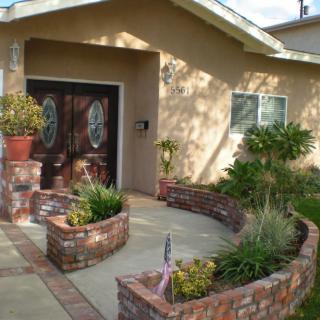
Living Well Care Home
$2,400 to $3,200 / month14.1 miles away -
from -$200 / mo
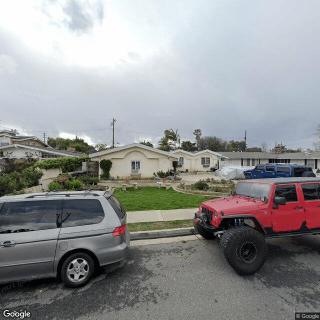
John Villa's Home Care
$2,000 to $3,000 / month2.8 miles away -
from -$400 / mo
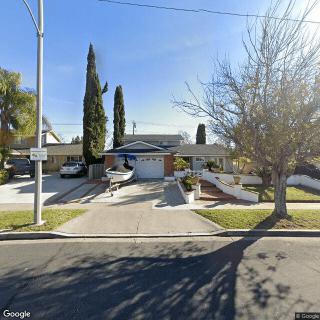
Paradise Residential Senior Care 2
$1,800 / month15.4 miles away -
from -$200 / mo
Tuscany Senior Living
$2,000 to $2,500 / month16.2 miles away
Overall Review of Huntington Beach Liberty Home
Pros
 The facility is liked for its location and the people, and families feel comfortable having their mom living there.
- The staff go above and beyond to make residents comfortable and to help them enjoy their stay.
- The staff did everything possible to make the resident comfortable.
- The private rooms are described as very nice.
Cons
 The facility was unclean.
- The food was rotten.
- The place smelled bad.
- Patients were left unattended.
- There were too many administrators’ family members around.
- The move to the facility was too confusing for the mother.
Review
This community is best suited for families seeking a warm, intimate, and staff-driven setting in Huntington Beach where a casual, home-like atmosphere and approachable caregivers can make a transition easier. It suits seniors who are largely independent but appreciate daily help with tasks, friendly social contact, and a convenient coastal location. It is not ideal for families prioritizing pristine, hospital-grade cleanliness, gourmet meals, or facilities with rigorous, medically supervised care. For residents who require steady, round-the-clock medical oversight or highly formal programming, alternatives with stronger clinical support are a wiser fit.
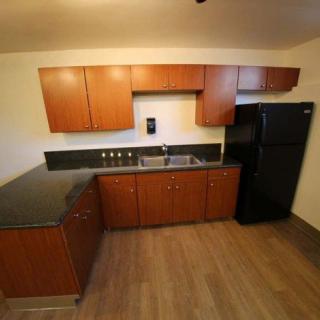
Two clear strengths repeatedly highlighted are the location and the people who work there. The neighborhood setting is praised as a practical plus, and reviewers consistently point to staff who genuinely try to make residents feel welcome and comfortable. The personal touch matters: the option to customize a private room, bringing in familiar furniture, and a homey, back-of-house space that supports privacy for residents reinforce a sense of autonomy within a small, social community. When the administration is accessible and engaged, families experience reassurance that their loved ones are in approachable hands.
Yet the strongest caveat from the reviews centers on cleanliness, dining quality, and the handling of resident needs. One account describes a scene that would alarm any family: unclean conditions, rotten-smelling food, and unattended patients, all overshadowed by a sense that administrators’ family members are overly involved on-site. The same threads appear in other notes, suggesting that when facility conditions slip, the impact on comfort and safety can be considerable. The presence of family members in administration can blur lines between professional oversight and personal involvement, leaving questions about consistency, accountability, and the standard of care.
These pros and cons sit in tension with the core care narrative. The staff’s willingness to go above and beyond can compensate in meaningful ways, particularly for residents who thrive on routine and social engagement, and for whom a lack of formality feels reassuring rather than stifling. However, the same staff dedication cannot fully offset systemic gaps if cleanliness, nutrition, or near-term medical needs become a recurring issue. For a resident who requires frequent one-on-one attention or more structured medical support, the gaps grow larger, and the experience may not meet expectations over time.
For families weighing options, several criteria should drive the decision. Prioritize a clear, transparent plan for housekeeping and food service, including visible kitchen standards and menu quality. Inquire about staff-to-resident ratios, the availability of licensed nursing support on site, and how care plans are monitored and updated. Seek out the administrator’s approach to oversight and whether professional boundaries are maintained when family members are part of the on-site leadership. If possible, request an extended visit to observe routines, meal service, and roommate dynamics, and ask for recent references from families who navigated similar care needs.
Ultimately, Huntington Beach Liberty Home can be a viable choice for families who value location, a personable staff, and a cozy, intimate living environment, provided the resident’s needs align with a setting that emphasizes daily warmth and social engagement. For those who cannot compromise on cleanliness, consistent meals, or rigorous one-on-one caregiving, exploring alternatives with stronger clinical supports and cleaner environments is prudent. The decision should hinge on the resident’s level of independence, the comfort with a smaller-scale operation, and the family’s tolerance for variability in day-to-day standards. A thoughtful tour, direct questions about care strategies, and honest conversations with current residents’ families will illuminate whether this community truly fits the long-term plan or if another option offers greater peace of mind.
 Board and Care Home
 Cats allowed
 Dogs allowed
 Private
 John Wayne Orange Co (5 miles away)
 Ambulatory care


 Nurturing Our Loved Ones: A Daughter's Journey in Caring for Her Mother
 Nurturing Our Elders: Linda's Journey of Supporting Her Mother
 A Comprehensive Exploration of Common Misunderstandings about Powers of Attorney