At Summerfield of Fresno, the monthly costs for accommodation reflect a competitive pricing structure compared to both Fresno County and state averages. For a semi-private room, residents can expect to pay $3,595, which is notably higher than the county's average of $2,991 but remains slightly lower than California's statewide average of $3,333. In terms of private accommodation, the one-bedroom option at Summerfield is set at $4,295. This rate is above the county average of $3,398 but aligns closely with California's overall average of $4,340. These figures suggest that while Summerfield may be on the higher end within Fresno County, it provides value in comparison to broader state trends in senior living costs.
Floor plans
Summerfield of Fresno
Fresno County
California
Semi-Private
$3,595
$2,991
$3,333
1 Bedroom
$4,295
$3,398
$4,340
Memory care communities with a similar price nearby
Residents and families most often describe staff as caring, supportive, and responsive.
Across many reviews, families describe a team that checks in, communicates updates, and treats residents with respect. Several people mention specific caregivers and roles by name, along with the way staff support families during transitions. Even when residents are adjusting, reviewers frequently say staff are patient and willing to help when concerns come up.
common8 reviews mention this
Clean, well-kept spaces get praise
Residents and families frequently mention cleanliness and a well-kept environment.
Many reviews highlight cleanliness in both rooms and shared areas, describing the facility as spotless or very clean. Several also mention housekeeping and a facility that feels cared for. A smaller set of reviews contradict this by reporting sanitation concerns, including complaints about odors in shared areas.
common12 reviews mention this
Activities help residents stay engaged
Families consistently point to daily activities and events as a key part of life here.
A recurring theme is engagement through structured programs and special events, with multiple reviewers describing art, music, and other group activities. Some families specifically mention activity directors and communication around what residents are doing. Reviewers also describe residents getting excited about outings and activities, while others note that family involvement is supported.
common5 reviews mention this
Restaurant-style dining and nutrition
Dining is frequently described as appealing, including nutrition-focused meals and restaurant-style service.
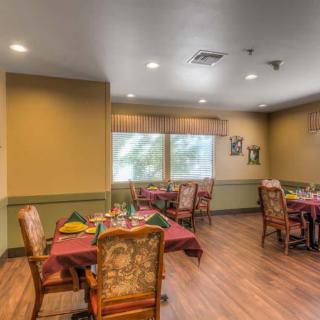
Several reviews praise the quality of food and how meals are prepared, with some describing meals as good, balanced, or cooked on site. Multiple families also mention dining in a more restaurant-style approach with options or preferences taken into account. At least one reviewer contrasts this with concerns tied to care needs, but the majority of dining comments are positive.
caveat5 reviews mention this
Safety and staffing concerns appear
A minority of reviews raise serious concerns about safety, medication handling, and staffing levels.
While many families are satisfied, some reviews describe unsafe practices and medication errors, including claims about incorrect medication being administered. Other negative reviews mention understaffing and resulting issues like missed care needs, falls, or delayed help. These concerns also extend to supervision and access outdoors, with some reviewers saying residents were kept inside.
differentiator6 reviews mention this
Memory care specialization is a fit
Reviewers repeatedly say the community’s memory care focus provides a safer, more fitting setting.
Several reviews explicitly connect their decision to the fact that this is a memory care community, describing a setting tailored for residents with cognitive impairments. Some families also mention the grounds and layout supporting residents’ ability to move safely. Even among mixed reviews, the memory care focus remains a central reason people evaluate the community.
How we summarize
Counts show how many written reviews mention each theme; a review can touch several themes, and only frequently mentioned themes are displayed.
Features
Types of Care
Memory Care
Amenities
Activities on-site
Beautician on-site
Devotional services on-site
Indoor common areas
Outdoor common areas
Respite or short term stays offered
Wheelchair accessible showers
Transportation
Fresno Yosemite International (8 miles away)
Care Services
Diabetic care
Incontinence care
Medication management
Dining
Guest meals
Meals provided
Professional chef
Restaurant style dining
Room service
Special dining programs
Activities
Activities on-site
Art classes
Brain fitness
Devotional activities on-site
Gardening club
Karaoke
Live musical performances
Montessori programs
Reminiscence programs
Sensory-based programs
Stretching classes
Tai Chi
Trivia games
Nearby Places of Interest
Located in Fresno, California, this area is a convenient and bustling neighborhood offering a range of amenities for seniors. With Sierra Sky Park Airport nearby, transportation options are readily available. In terms of dining, there are various restaurants such as McDonald's, Taco Bell, and The Habit Burger Grill within close proximity. Pharmacies like Walgreens and CVS Pharmacy provide easy access to healthcare needs. For medical care, there are physicians like Mary Sadlek and Boswell Dermatology in the vicinity. Parks like Figarden Loop Park offer opportunities for outdoor activities while places of worship such as Northpointe Community Church cater to spiritual needs. Additionally, theaters like Regal Marketplace provide entertainment options. Hospitals like Childrens Hospital Central California ensure access to healthcare services if needed. Overall, this neighborhood offers a mix of conveniences suitable for seniors looking for a vibrant community to settle in.
Transportation
Sierra Sky Park Airport (E79) (0.8 miles)
AAA Yellow Cab (3.6 miles)
Restaurants
Ampersand Ice Cream (0.9 miles)
McDonald's (1 miles)
Taco Bell (1 miles)
The Habit Burger Grill (1.2 miles)
Sonic Drive-In (1.2 miles)
Press Box (1.3 miles)
The Annex Kitchen (1.4 miles)
Pharmacies
Save Mart Supermarkets (1 miles)
Save Mart Supermarkets (1 miles)
US Script (1.3 miles)
Walgreens (1.3 miles)
Walgreens (1.4 miles)
CVS Pharmacy (1.5 miles)
Rite Aid (1.5 miles)
Physicians
Mary Sadlek (1.1 miles)
Boswell Dermatology (1.1 miles)
Omni Women's Medical Group, Dr Marquez (1.2 miles)
O'hanasian Dr Don Optometrists (2.1 miles)
Miracle-Ear Hearing Aid Center (2.5 miles)
Leslie Storey, MD - Valley Skin Institute (3 miles)
At Summerfield of Fresno, the monthly costs for accommodation reflect a competitive pricing structure compared to both Fresno County and state averages. For a semi-private room, residents can expect to pay $3,595, which is notably higher than the county's average of $2,991 but remains slightly lower than California's statewide average of $3,333. In terms of private accommodation, the one-bedroom option at Summerfield is set at $4,295. This rate is above the county average of $3,398 but aligns closely with California's overall average of $4,340. These figures suggest that while Summerfield may be on the higher end within Fresno County, it provides value in comparison to broader state trends in senior living costs.
Summerfield of Fresno enhances its memory care services through a variety of specialized features that cater to the unique needs of residents with dementia or Alzheimer's disease. Medication management ensures that individuals receive their prescribed medications on time and in the correct dosages, helping to maintain their overall health and mitigate behavioral symptoms associated with cognitive decline. Incontinence care provides respectful and effective support, preserving dignity while addressing a common challenge faced by many residents. Montessori programs engage individuals in meaningful activities that promote independence and cognitive stimulation, fostering a sense of accomplishment and improving quality of life. Sensory-based programs are tailored to stimulate the senses, helping to evoke memories and encourage social interaction, which can reduce feelings of anxiety or agitation. Lastly, brain fitness activities focus on mental exercises designed to strengthen cognitive abilities, promoting mental engagement and enhancing cognitive function even in advanced stages of dementia. Together, these features create a holistic approach to memory care that nurtures both the physical and emotional well-being of residents.
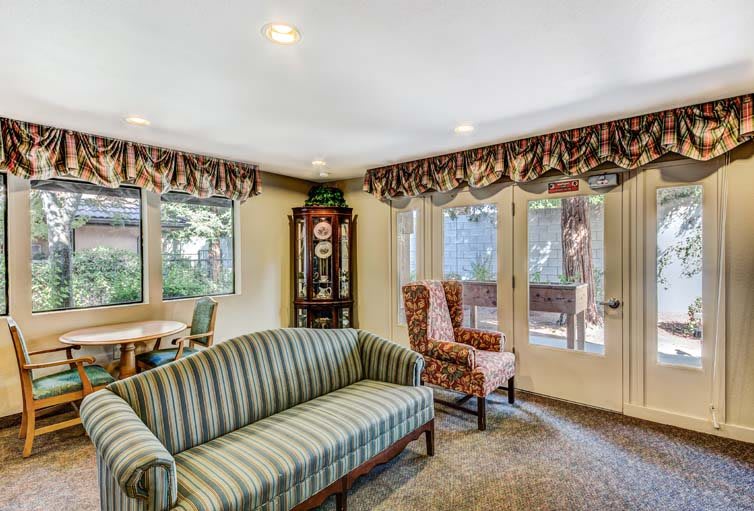
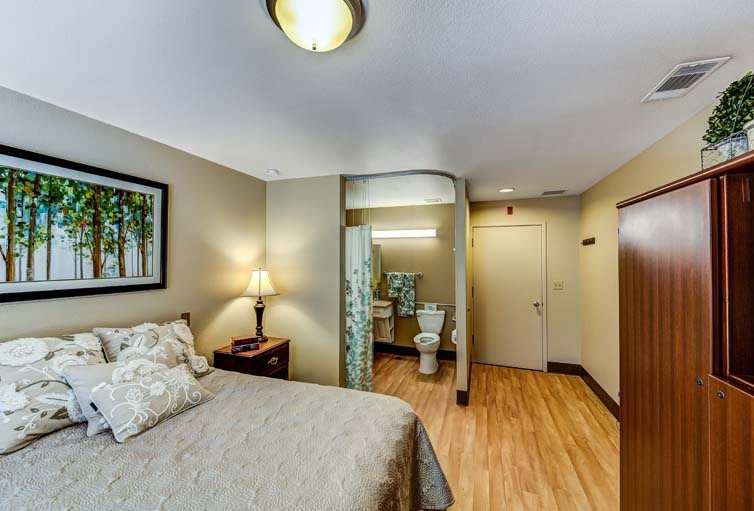
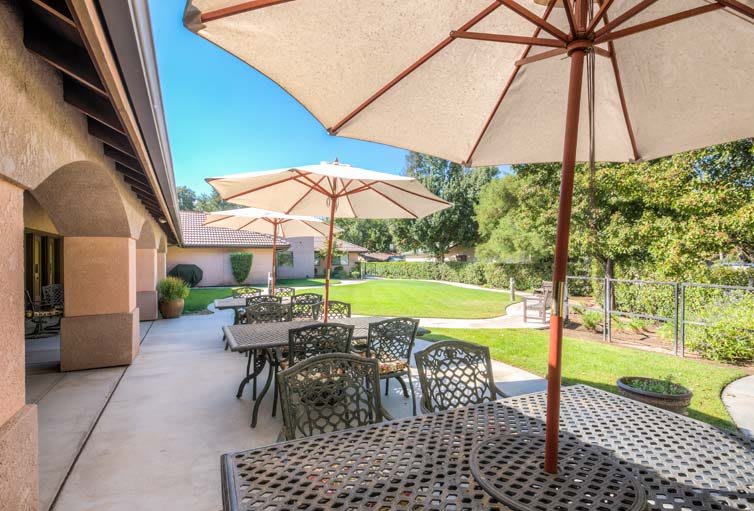
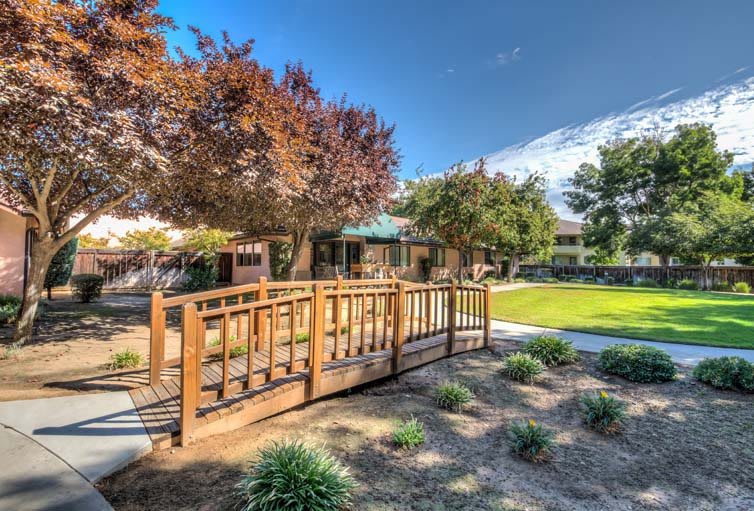
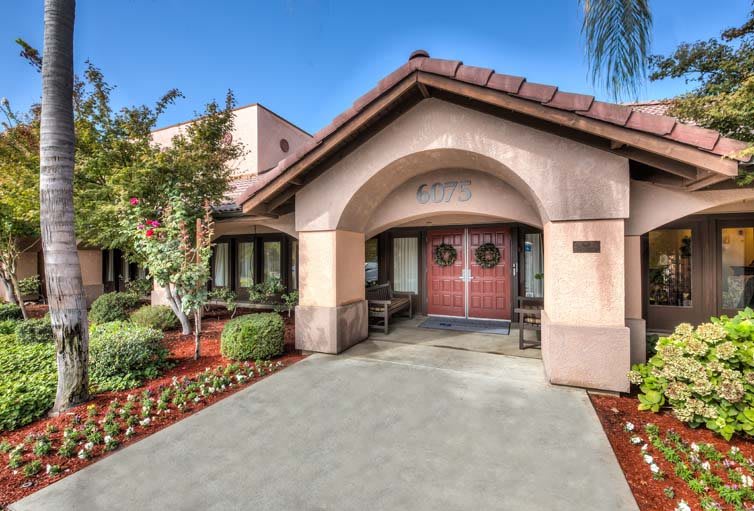
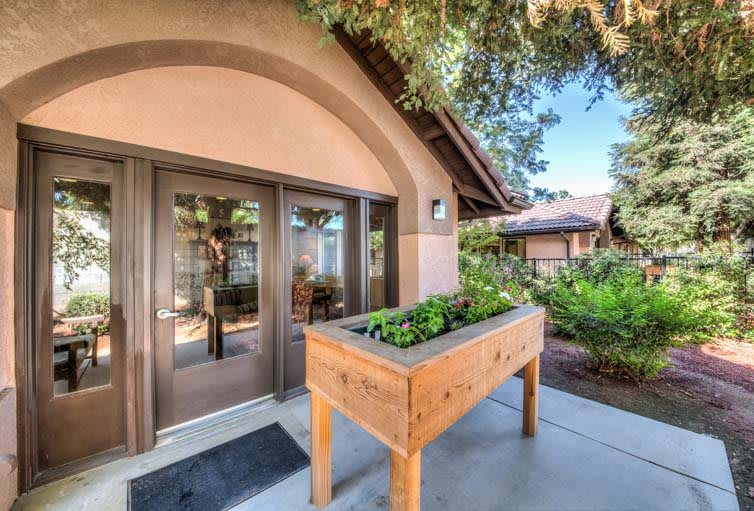
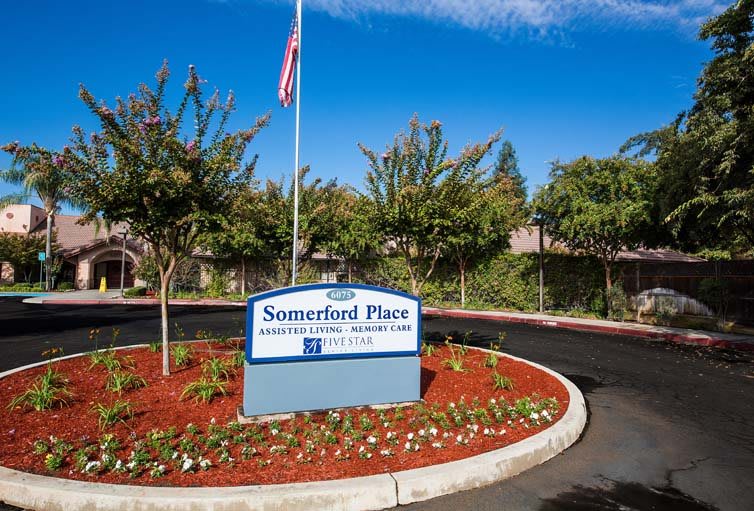
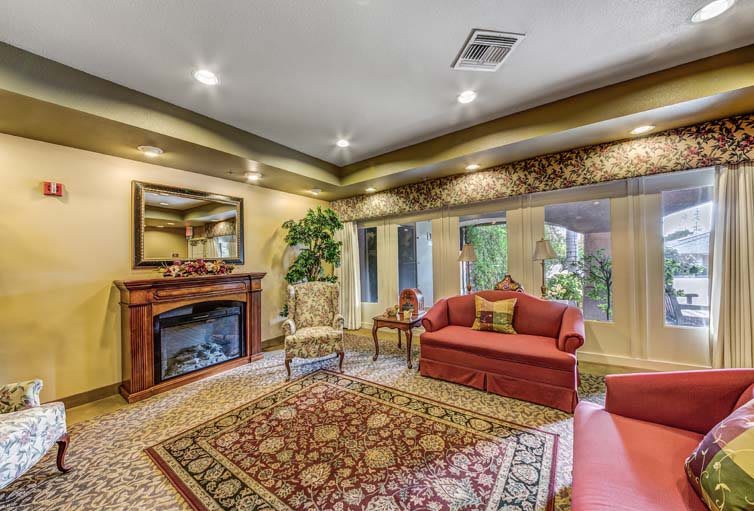
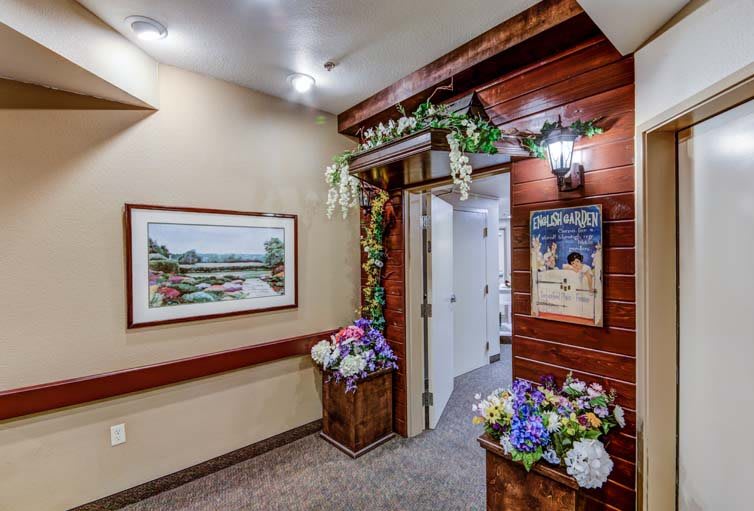
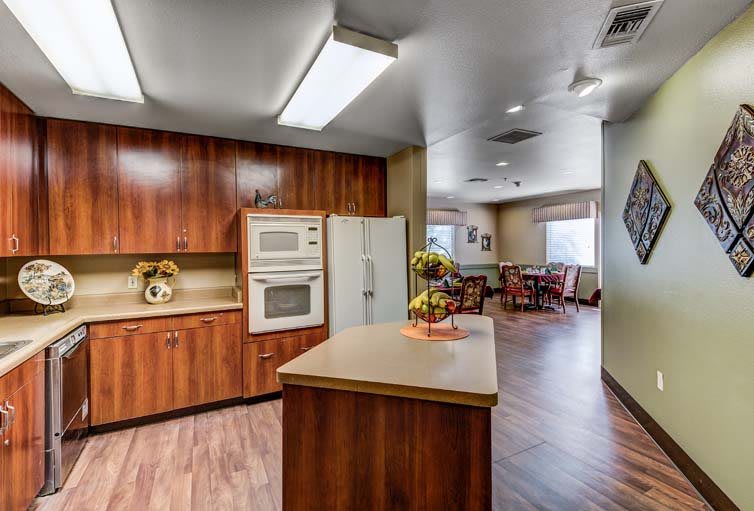
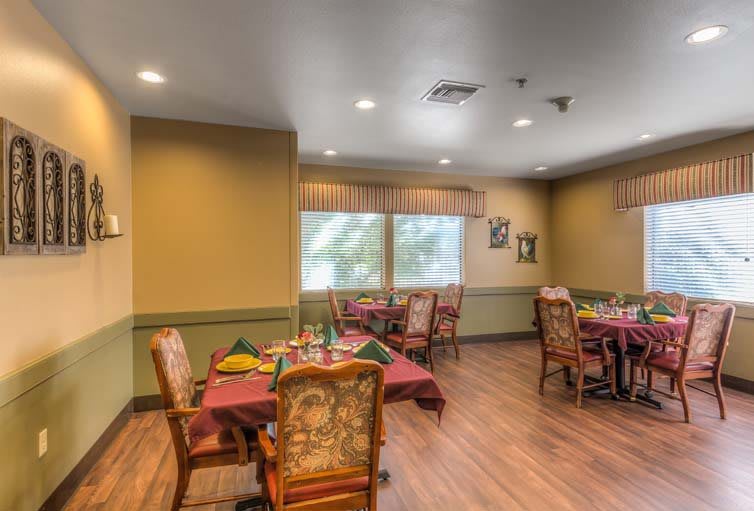
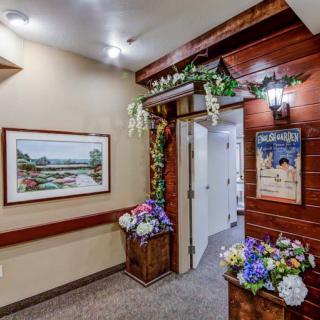
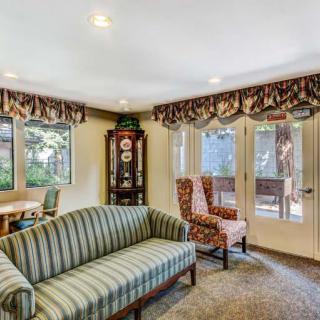
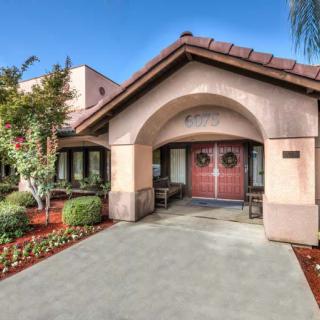
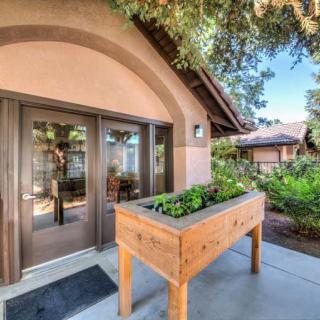
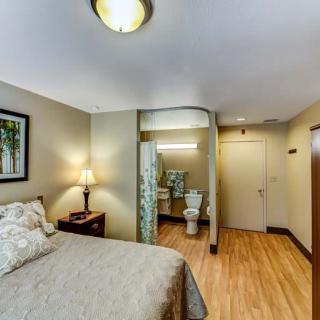
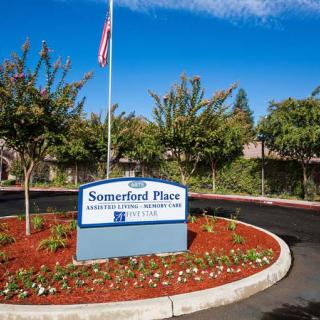
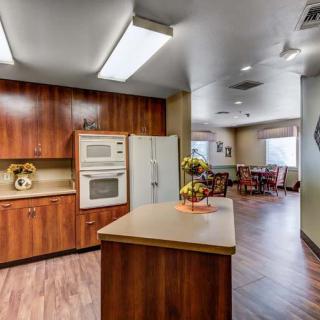
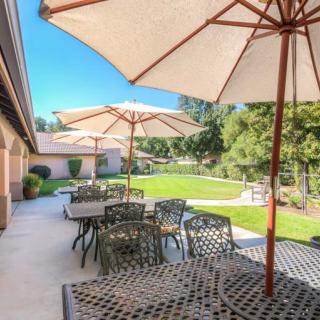
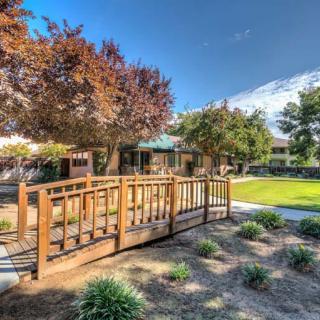
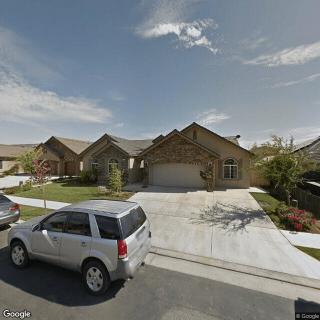
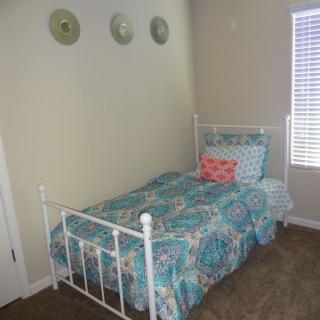
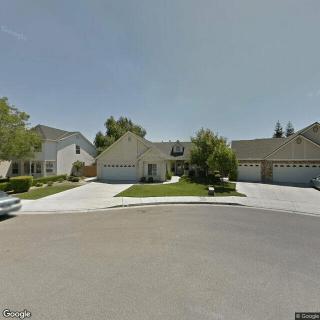
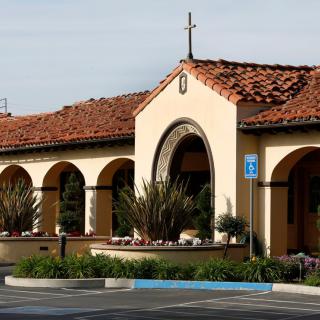
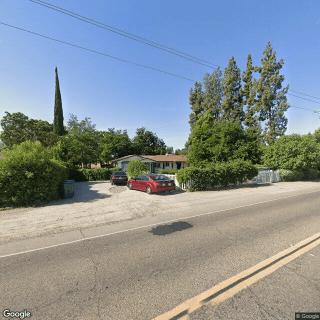
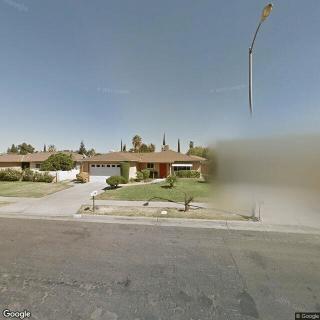
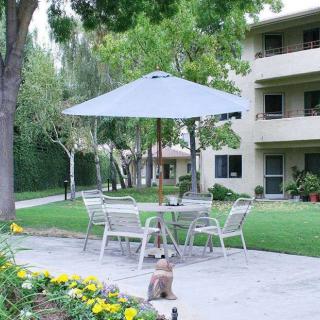
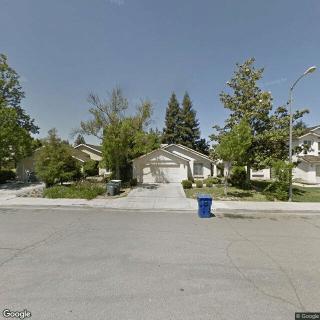
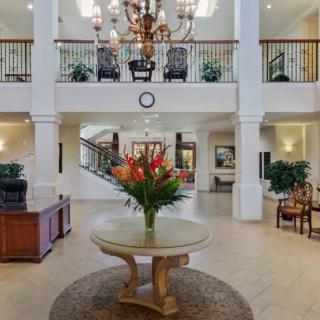
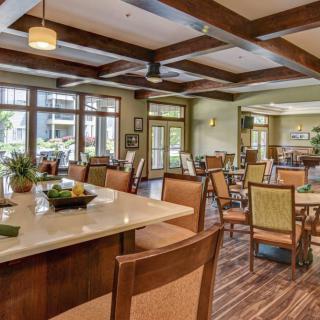
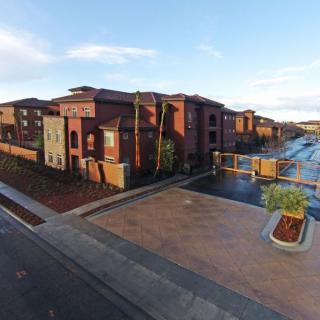
Summerfield of Fresno on seniors.fyi includes 12 photos including images showing interior, landscaping, garden, outdoor, decor, windows, dining, trees, and more.
Nearby Communities
Summerfield Memory Care Of Fresno
Fresno, CA
4.6 from 76 reviews
Compassionate, attentive staff with engaging activities.
Sierra Palace II
Fresno, CA
3.3 from 9 reviews
$2,100 to $3,300 / month
Memory Care specialization with affordable private room options.
Esther's Home Care
Fresno, CA
3.8 from 19 reviews
$1,200 to $1,500 / month
Truewood by Merrill, Fig Garden
Fresno, CA
4.4 from 114 reviews
$2,550 to $3,440 / month
Friendly staff, engaging activities, and independent living with shuttle service.
Five Star Assisted Living
Fresno, CA
5 from 17 reviews
Intimate 6-bed community with comprehensive care and amenities.
Valentine Guest Home
Fresno, CA
4.6 from 20 reviews
$1,600 to $2,000 / month
Oakmont of Fresno
Fresno, CA
4.6 from 160 reviews
$3,695 to $6,895 / month
Clean, well-maintained facilities with friendly staff and a wide range of on-site activities
The Terraces At San Joaquin Gardens Village
Fresno, CA
4.2 from 47 reviews
Comprehensive memory care and skilled nursing in one community with extensive amenities and 24-hour care.
The Terraces at San Joaquin Gardens a CCRC
Fresno, CA
4.4 from 87 reviews
$2,592 to $3,516 / month
Caring staff and a strong continuing-care model with diverse dining and activities.
Dementia encompasses a range of cognitive impairments characterized by types such as Alzheimer's and vascular dementia, and follows a seven-stage progression model known as the Global Deterioration Scale (GDS), highlighting varying symptoms and decline timelines. Early detection allows for lifestyle adjustments to potentially slow progression, while caregivers need support and resources to manage the challenges involved in caring for affected individuals.
The guide on holistic dementia care outlines the complexity of dementia and stresses the need for individualized caregiver strategies that include medical treatment, psychological support, and environmental adaptations, while emphasizing early detection, various therapeutic options, and caregiver support to enhance quality of life and maintain dignity.
Activities of Daily Living (ADLs) are fundamental tasks vital for an individual's independence, particularly in older adults over 85, and include functions like bathing and dressing; assessing ADLs alongside Instrumental Activities of Daily Living (IADLs) helps determine the level of required assistance due to age-related health challenges. Tailored support plans, involving family and community resources, are essential for maintaining dignity and autonomy in assisted living environments.
Get PricingAsk A QuestionSchedule A TourContact Senior Advisor
By clicking submit, you agree to our Partner's Terms of Use. You
also consent to receive calls and texts, which may be autodialed, from our Partner. Your consent is not a condition to
using our Partner's service. Please visit our Partner's Privacy Policy for information about their privacy practices.

 Memory Care
 Activities on-site
 Beautician on-site
 Devotional services on-site
 Indoor common areas
 Outdoor common areas
 Respite or short term stays offered
 Wheelchair accessible showers
 Fresno Yosemite International (8 miles away)
 Diabetic care
 Incontinence care
 Medication management
 Guest meals
 Art classes
 Brain fitness
 Gardening club
 Karaoke
 Live musical performances
 Stretching classes
 Trivia games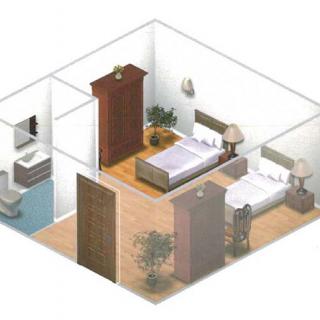
 Compassionate, attentive staff with engaging activities.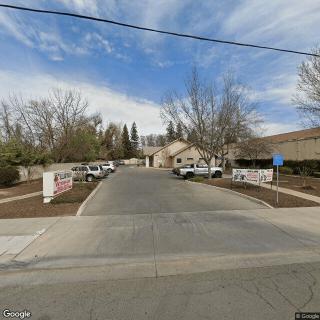

 Understanding Dementia Through Its Seven Stages: A Comprehensive Look at Progression and Expectations
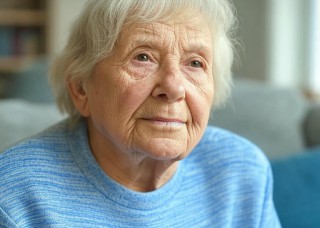 A Holistic Dementia Care Guide: Effective Strategies for Memory Support
 Comprehensive Insights into Activities of Daily Living (ADLs) and Their Assessment