
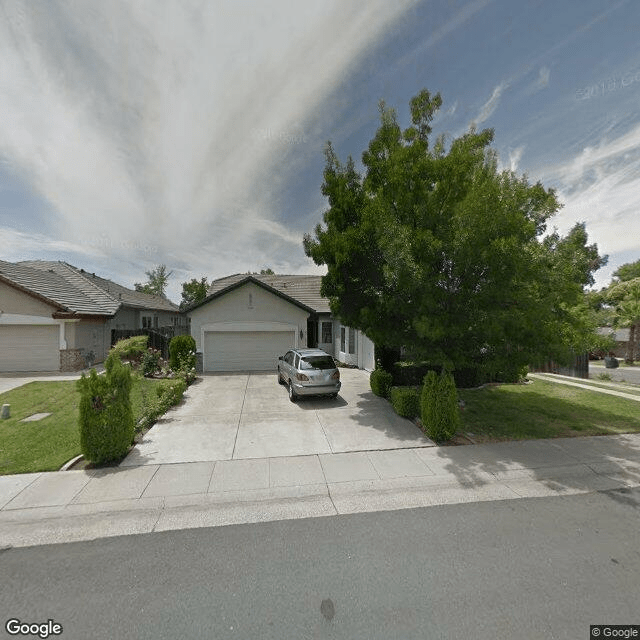
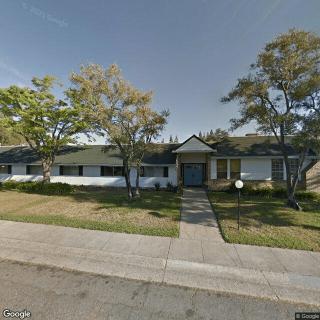
5125 Chicago Ave, Fair Oaks, CA 95628
To contact a resident: (916) 965-7045
For more information about senior living options: (866) 208-4318
Cali Care Retirement Home 2 Costs & Pricing
Cali Care Retirement Home 2 presents a distinct pricing structure for its accommodations, particularly when compared to the broader market in Sacramento County and the state of California. For a private room, residents can expect to pay $5,800 per month, which significantly surpasses the county average of $3,686 and the state figure of $3,939. Similarly, the cost for a one-bedroom unit is set at $6,500 - again higher than both local and statewide averages of $3,758 and $4,340 respectively. These figures suggest that while Cali Care Retirement Home 2 may offer unique amenities or services justifying its premium pricing, prospective residents should carefully weigh these costs against comparable options in the area.
| Floor plans | Cali Care Retirement Home 2 | Sacramento County | California |
|---|---|---|---|
| Private | $5,800 | $3,686 | $3,939 |
| 1 Bedroom | $6,500 | $3,758 | $4,340 |
Memory care communities with a similar price nearby
-
from +$200 / mo
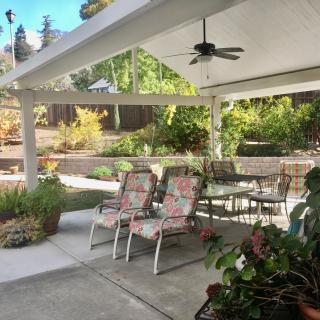
Par Place Senior Living
$6,000 / month9.2 miles away -
from -$1000 / mo
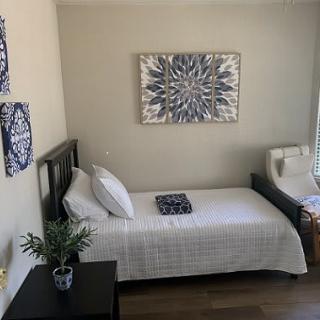
Mountain View Senior Care
$4,800 / month10.0 miles away -
from -$801 / mo
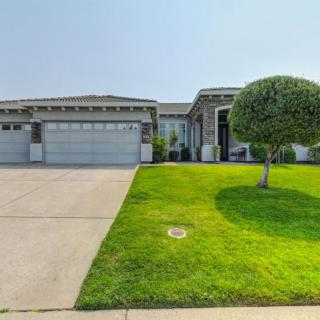
Placer Starcare
$4,999 to $6,000 / month8.0 miles away -
from +$700 / mo

Sunrise of Carmichael
$6,500 to $7,410 / month5.9 miles away -
from -$640 / mo
Revere Court Memory Care
$5,160 to $6,150 / month19.1 miles away
Overall Review of Cali Care Retirement Home 2
Pros
 The onboarding process and the facility seemed great, and residents were well cared for during their stay.
- The administrators are kind and thorough, and the staff are compassionate and work well as a team.
- The staff are fantastic and genuinely caring.
- The caregivers showed love, care, and concern, and the home is warm, peaceful, and filled with laughter.
- The staff are easy to contact, courteous, and provide very good care for residents.
- The home is very nice and provides a positive environment for loved ones.
Cons
 The reviewer notes that, while the home is nice, everyone there is mobile, which raises concerns about assisting someone with limited mobility.
- They express worry that the facility might not be able to help her due to her lack of mobility.
- They could not obtain a firm price quote.
Review
Cali Care Retirement Home 2 in Fair Oaks is best suited for families seeking a warm, intimate, home-like environment where staff know residents well and care feels personalized. It works particularly well for seniors who are relatively mobile or need light daily assistance and who value a small-house feel over a larger institutional setting. The onboarding process is a standout, signaling well-run intake and clear communication from the start. For families navigating short stays, respite, or transitional care, this community offers reassurance that a loved one will be cared for attentively in a setting that feels less like a facility and more like a home. The core strengths lie in relationship-building, staff who remember names, routines, and preferences, and a leadership team that appears accessible and hands-on.
Those weighing alternatives should consider residents with higher medical or mobility needs, or families desiring crystal-clear, upfront pricing. Several reviewers noted questions about pricing and quotes, indicating that long-range budgeting can be challenging if the resident’s needs evolve. For seniors who require intensive skilled nursing, frequent medical interventions, or specialized care (beyond light assistance), larger facilities with clear tiered pricing and defined care plans may be a safer match. Additionally, if a resident’s cognitive or behavioral challenges demand structured programming and round-the-clock oversight, it’s prudent to explore options with a deeper clinical footprint.
The strongest pros center on people and processes. Administrators come across as kind, thorough, and accessible, and the staff is described as genuinely caring and cohesive, working together as a true care team. Families repeatedly highlight how easy it is to reach caregivers and how well the staff communicates, both of which translate into lower family anxiety and quicker problem-solving. The environment itself contributes to the sense of well-being: a warm, peaceful home with a culture of laughter and positive energy. Taken together, these factors create a caregiving experience that feels stable, compassionate, and trustworthy.
On the downside, the reviews flag a few practical gaps. The most notable is the unclear pricing landscape, with some families unable to secure firm quotes, which complicates budgeting and long-term planning. Another potential mismatch is the resident mix: the community appears to be built around mobile or semi-mobile residents, and there is concern about whether non-mobile residents would receive adequate help with mobility-related tasks. These points suggest that while the setting excels in personalized care for active seniors, it may not consistently meet the needs of residents requiring heavy mobility support or complex medical equipment.
Despite these considerations, the pros can meaningfully outweigh the cons when the emphasis is on dependable, people-centered care. A small, well-staffed home with a culture of teamwork and open lines of communication offers tangible peace of mind for families during critical transitions and daily routines. For those prioritizing a calming atmosphere, personal connections, and a straightforward, responsive caregiving team, Cali Care Retirement Home 2 delivers substantial value. The key is aligning expectations: this is not a high-traffic, highly clinical setting, but rather a close-knit home where staff invest in relationships and daily comfort.
In sum, Cali Care Retirement Home 2 stands out as a compelling option for seniors who value a genuine home atmosphere, strong staff cohesion, and proactive communication. It is a solid choice for mobile or lightly dependent residents and for families seeking an onboarding experience that reduces worry from day one. Alternatives should be considered for residents needing more intensive medical support, mobility assistance beyond light help, or clearer, upfront pricing contracts. With the right fit, this community offers steady, attentive care that can make a meaningful difference in quality of life and peace of mind for both residents and families.
 Board and Care Home
 Memory Care
 Activities off-site
 Beautician on-site
 Indoor common areas
 Outdoor common areas
 Private
 Private bathrooms
 Respite or short term stays offered
 Wheelchair accessible showers
 Sacramento International (18 miles away)
 Ambulatory care
 High acuity care
 Incontinence care
 Kosher
 Christian services


 Why Do Dementia Patients Sleep So Much? Understanding Oversleeping, Stages, and Care Approaches
 8 Key Indicators That Suggest It May Be Time to Transition from Assisted Living to Skilled Nursing Care
 Nourishing the Mind: Essential Dietary Approaches for Dementia