
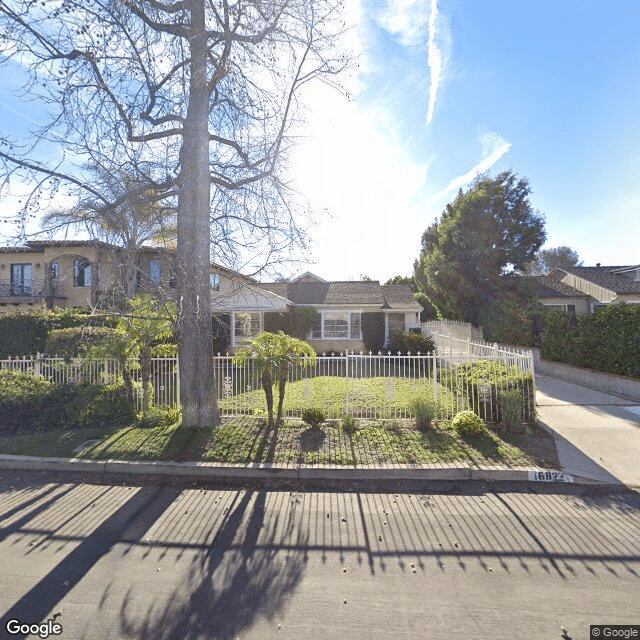
16822 Addison St., Encino, CA 91436
To contact a resident: (818) 701-6853
For more information about senior living options: (866) 208-4318
Karen's Board and Care III Costs & Pricing
Karen's Board and Care III offers competitive pricing for its services compared to the broader market in Los Angeles County and California as a whole. For a semi-private room, the cost is $2,800 per month, which is significantly lower than the county average of $3,349 and the state average of $3,333. Private rooms are priced at $3,200, also more affordable than the county's rate of $4,197 and the state's figure of $3,939. Additionally, studio accommodations at Karen's Board and Care III match the private room price at $3,200 and remain below both Los Angeles County's average of $4,172 and California's average of $4,145. This pricing strategy positions Karen's Board and Care III as an appealing option for individuals seeking quality care without compromising on value.
| Floor plans | Karen's Board and Care III | Los Angeles County | California |
|---|---|---|---|
| Semi-Private | $2,800 | $3,349 | $3,333 |
| Studio | $3,200 | $4,172 | $4,145 |
| Private | $3,200 | $4,197 | $3,939 |
Memory care communities with a similar price nearby
-
About the same
Dignity Care Home 1
$2,750 to $4,150 / month4.8 miles away -
from +$400 / mo
Angeles Assisted Living
$3,200 to $4,200 / month5.0 miles away -
from -$300 / mo
Familycare Cottage IV
$2,500 to $4,500 / month21.2 miles away -
from +$200 / mo
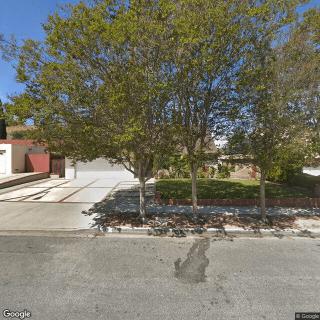
Happy Home Care
$3,000 to $3,500 / month24.4 miles away -
from -$300 / mo
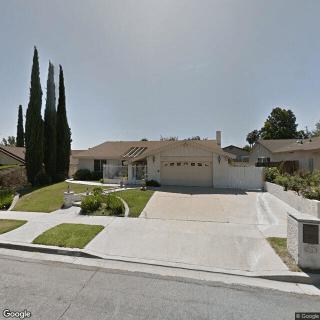
Sunrise Guest Home
$2,500 to $3,000 / month16.5 miles away
Overall Review of Karen's Board and Care III
Pros
 They provide an excellent board and care service.
- They have extensive experience in elderly care, with 28 years in the field.
- They would be highly recommended to care for family members in need.
- They are very friendly and caring.
- They maintain an exceptionally clean, odor-free environment.
Cons
 They wouldn't recommend the community to others.
- The family didn't have a good experience with Karen's Board and Care.
- They wouldn't leave their loved ones there.
- The primary language being Filipino makes it hard to understand the staff.
- They felt the staff pushed him to do things and get him up for meals, even when he didn't want to.
Review
Karen's Board and Care III in Encino is best suited for families seeking a small, home-like environment with long-tenured caregivers who deliver hands-on daily support, a thorough cleaning standard, and a predictable routine. This community works well for residents who are comfortable in a intimate setting, where staff know the routine inside and out and can provide steady supervision without the formality of a large facility. It’s a sensible fit for families prioritizing warmth, attentiveness, and reliability over sheer size or clinical intensity.
Those who may want to consider alternatives include families needing English-dominant communication at all times, or those who insist on very private living spaces. One review notes a language hurdle because the primary language among staff is Filipino, which can complicate quick exchanges and nuanced updates. For families who require private rooms as a non-negotiable feature, or who want a facility with a higher level of medical oversight and more robust on-site nursing, a larger assisted living option may be a better fit. In short, this is not the pick for those chasing maximum privacy or purely English-speaking round-the-clock care.
On the credit side, the strongest pros center on experience, cleanliness, and day-to-day reliability. The home demonstrates a deep reservoir of elder-care know-how, with 28 years of hands-on practice reassuring families that needs will be understood and addressed. The environment is notably clean and well-maintained, with practical routines that keep residents comfortable and safe, meal prompts, gentle structure, and a calm, orderly pace that reduces chaos. Staff are described as friendly and approachable, contributing to a sense of security for families who want a listening, respectful team at the core of daily life.
Yet the main cons carry real weight in decision-making. One review firmly questions the overall quality of care, signaling that not every family would trust Karen’s Board and Care III with a loved one. Language and communication barriers can exacerbate misunderstandings or slow the flow of information, which is significant when family members need timely updates. Another point, autonomy versus care, reveals that staff actively encourage participation in meals and activities, which can feel intrusive to residents who prefer to set their own pace. Add the practical note that private space is limited, with shared rooms available, and privacy may be compromised for some residents and families.
These pros and cons don’t cancel each other out; they offset in practical terms depending on what the family values most. For caregivers who prize stability, a thoroughly cleaned, well-staffed home, and a staff culture that prioritizes consistent daily routines, Karen’s Board and Care III delivers tangible comfort and dependable support. The long-tenured team means fewer surprises in caregiving style, and the spotless environment reduces common quality-of-life irritants that many board-and-care settings struggle with. In this light, the positives can visibly outweigh the negatives for residents who can tolerate a language difference and who do not require privado, hospital-level oversight.
The bottom-line recommendation is clear: Karen’s Board and Care III is a solid option for families seeking a small, experienced, and clean home setting where daily structure and personal attention are the benchmarks. Prospective residents should visit with questions, about language supports, private room availability, care plans, and who composes the care team, and assess whether the resident’s personality and needs align with a tightly run, intimate environment. For families who require English-language clarity at all times, greater privacy, or more intense medical management, alternatives in larger, English-dominant facilities may be more appropriate. In those cases, a tour should focus on staff accessibility, responsiveness, and how the home handles autonomy versus prompting, to ensure expectations match the lived experience.
 Board and Care Home
 Memory Care
 Activities off-site
 Devotional services off-site
 Indoor common areas
 Outdoor common areas
 Private
 Respite or short term stays offered
 Wheelchair accessible showers
 Burbank-Glendale-Pasadena (8 miles away)
 Diabetic care
 High acuity care
 Incontinence care
 Meals provided


 A Holistic Dementia Care Guide: Effective Strategies for Memory Support
 Memory Care Pathways: A Holistic Guide to Dementia Support
 Comprehending Evening Confusion in Dementia: Causes, Manifestations, and Support