
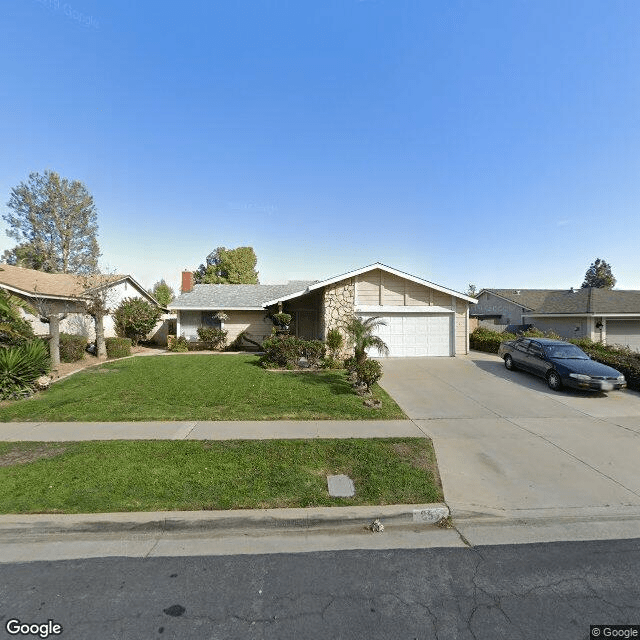
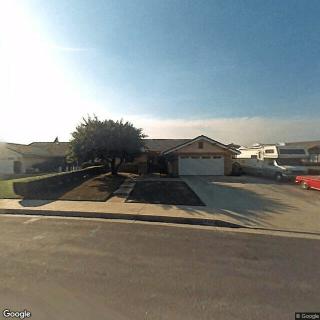
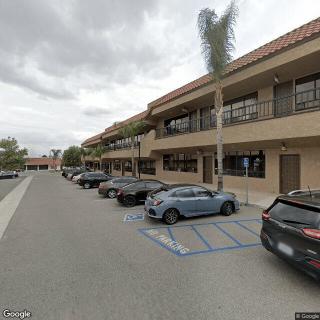
853 Crestview Ave, Corona, CA 92882
To contact a resident: (626) 684-7191
For more information about senior living options: (866) 208-4318
Monterey Peninsula IV Costs & Pricing
Monterey Peninsula IV presents a distinctive pricing structure when compared to the average costs found in both Riverside County and across California. For a semi-private room, residents can expect to invest $4,000 per month, which is significantly higher than Riverside County's average of $2,844 and also above the state average of $3,333. Similarly, for those seeking a private room, the monthly cost at Monterey Peninsula IV stands at $5,000 - substantially surpassing Riverside's average of $3,474 and California's overall private room rate of $3,939. This suggests that Monterey Peninsula IV may offer premium services or amenities that justify the elevated pricing compared to broader regional rates.
| Floor plans | Monterey Peninsula IV | Riverside County | California |
|---|---|---|---|
| Semi-Private | $4,000 | $2,844 | $3,333 |
| Private | $5,000 | $3,474 | $3,939 |
Memory care communities with a similar price nearby
-
About the same

Cadence Brea
$3,995 to $5,500 / month18.2 miles away -
from -$500 / mo
Kun Bai Care
$3,500 to $4,500 / month22.3 miles away -
from -$400 / mo
Genesis Manor VI
$3,600 to $4,200 / month18.2 miles away -
from -$500 / mo
Comfort Keepers Home Care
$3,500 to $6,500 / month18.9 miles away -
from +$500 / mo
Heritage Senior Home Care
$4,500 to $4,800 / month21.0 miles away
Overall Review of Monterey Peninsula IV
Pros
 Monterey Peninsula is amazing and caring.
- The experience at Monterey Peninsula is good, especially in difficult moments.
- Families can trust Monterey Peninsula.
- The staff are great.
- The facility is very clean.
- The care is excellent and the value is good.
Cons
 There were not many activities offered, which could be an area for improvement.
- There isn’t much going on in terms of activities, which some residents might find lacking.
- Residents must provide washing and personal supplies, which may not have been clearly communicated in advance.
- There is a lack of advance information about required personal items.
Review
Monterey Peninsula IV in Corona is best suited for families seeking a warm, dependable caregiving environment where staff demonstrate consistent compassion and residents are treated with dignity during life transitions. The strongest case rests with seniors who prioritize cleanliness, steady personal attention, and a nurturing atmosphere. The community also stands out for families who value cultural and dietary sensitivity, as staff have shown an ability to accommodate food traditions, smoothing the adjustment and supporting daily well-being.
That said, this community may not be the best fit for those pursuing a highly active social calendar or expansive programming. Reviewers repeatedly noted a quieter pace with limited activities, which can be precisely right for some residents but a mismatch for others who rely on a robust, structured schedule for engagement. There is also a practical consideration: expectations about what is included can be unclear, with one reviewer highlighting the need to supply washing and personal items and noting a lack of upfront guidance. For families seeking a facility that handles more day-to-day logistics and provides comprehensive personal supplies, alternatives may be preferable.
Where Monterey Peninsula IV earns credibility is in its tangible strengths that buffer the softer spots. Cleanliness consistently shows up as a core positive, and staff friendliness translates into reliable, attentive care that families can trust on a daily basis. Several reviewers emphasized that caregivers are genuinely engaged, not simply present, creating a sense of security for residents and peace of mind for relatives. The value proposition holds up when these factors align with a loved one’s priorities, especially for those who place a premium on a respectful, steady environment.
The flipside is real enough to consider carefully. For residents who rely on frequent, varied activities to stay engaged, outings, exercise groups, social clubs, the perception of underutilization can be a drawback. This gap can be worked around with family involvement and proactive staff collaboration, but it requires an upfront commitment to coordination. The operational note about bringing personal supplies introduces friction that can complicate the move; families should prepare a clear move-in checklist and confirm exactly what is expected to prevent surprises and keep transitions smooth.
Decisions should hinge on how well the setting matches the care goals. Prospects are wise to request a detailed list of included services, a day-to-day activity plan, and clarity on how holidays or special occasions are handled. A tour or short trial can reveal whether the quiet pace aligns with the resident’s temperament and needs. Food culture compatibility remains a differentiator; verify that the kitchen can accommodate evolving preferences over time and that dietary arrangements can be sustained. Clarify move-in expectations, supplies, fees, and care-plan documentation, to prevent misalignment and ensure a smooth transition.
Bottom line: Monterey Peninsula IV delivers a solid, reassuring level of care in a clean, welcoming environment with staff who genuinely care and whose cultural sensitivity can ease the adjustment for residents and families alike. It is a strong fit for those who prize trust, routine, and personal connection over a busy activity calendar. If abundant daily programming or turnkey provisioning of supplies is non-negotiable, alternatives should be compared with care. A thoughtful plan, visits focused on activity levels, menu options, and what is included at move-in, will reveal whether this Corona community truly aligns with the resident’s temperament and family expectations, and when aligned, it offers steady, dependable support.
 Board and Care Home
 Memory Care
 Activities off-site
 Private
 Wheelchair accessible showers
 Ontario International (13 miles away)
 Diabetic care
 Incontinence care
 Low / no sodium
 BBQs or picnics
 Birthday parties
 Day trips and outings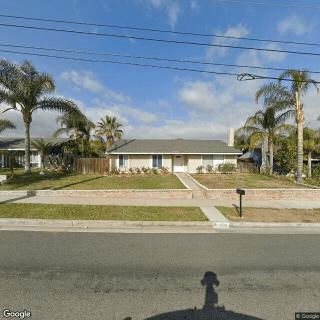




 Engaging Memory Care Activities That Enhance Quality of Life
 When to Transition from Assisted Living to Memory Care: Key Indicators, Steps, and Finding the Right Community
 Understanding the Distinctions: Assisted Living and Memory Care Explained