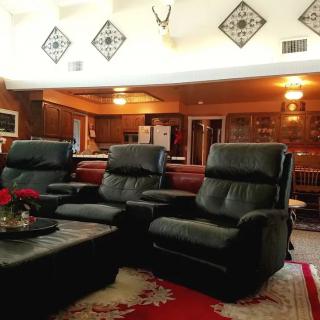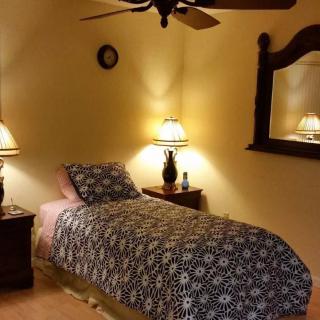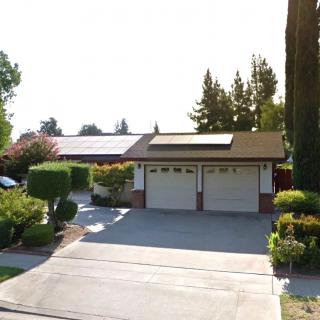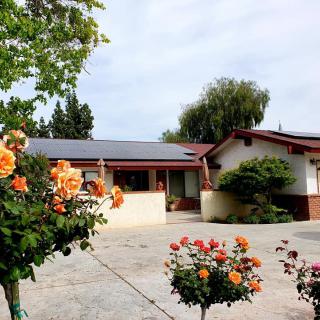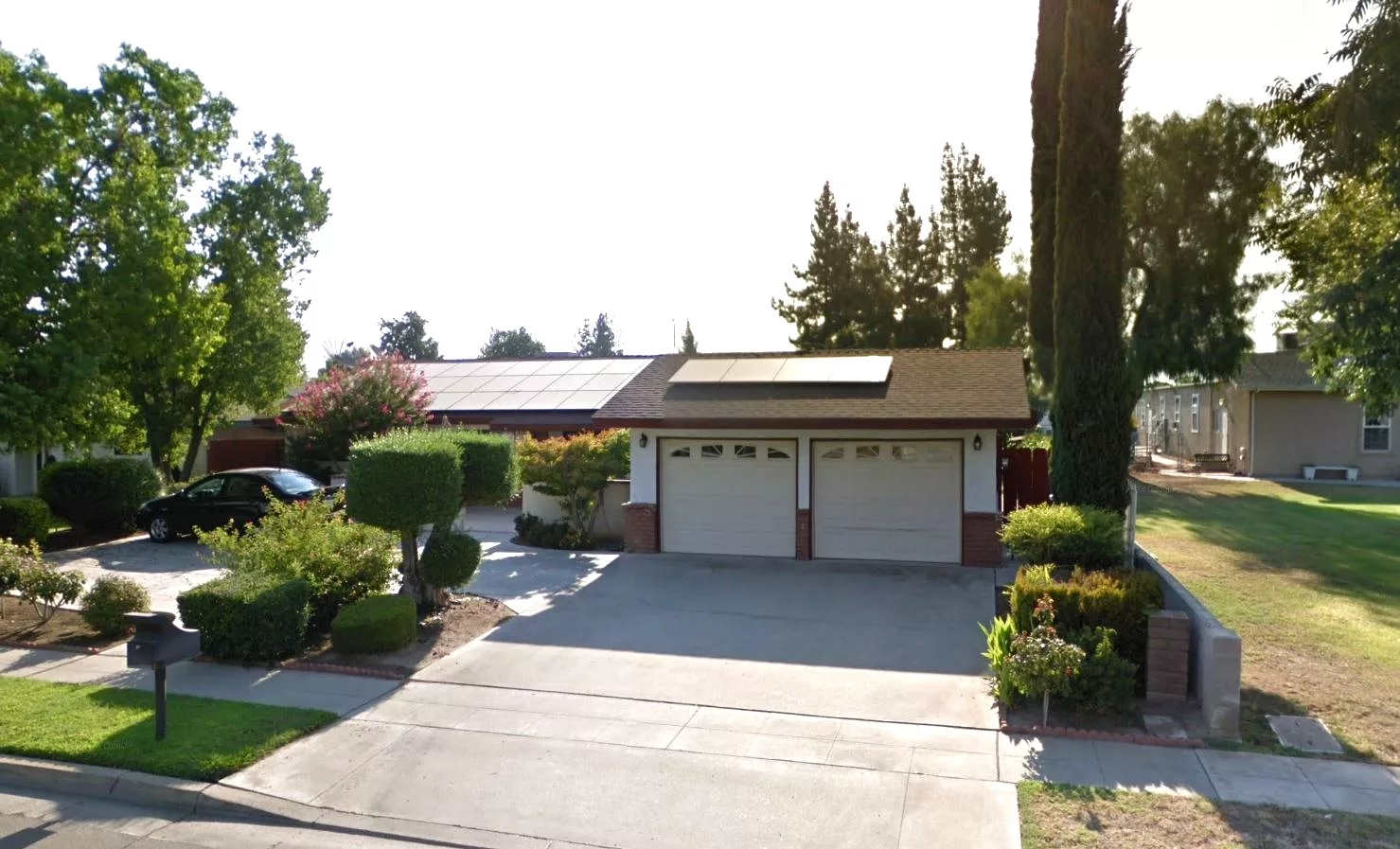
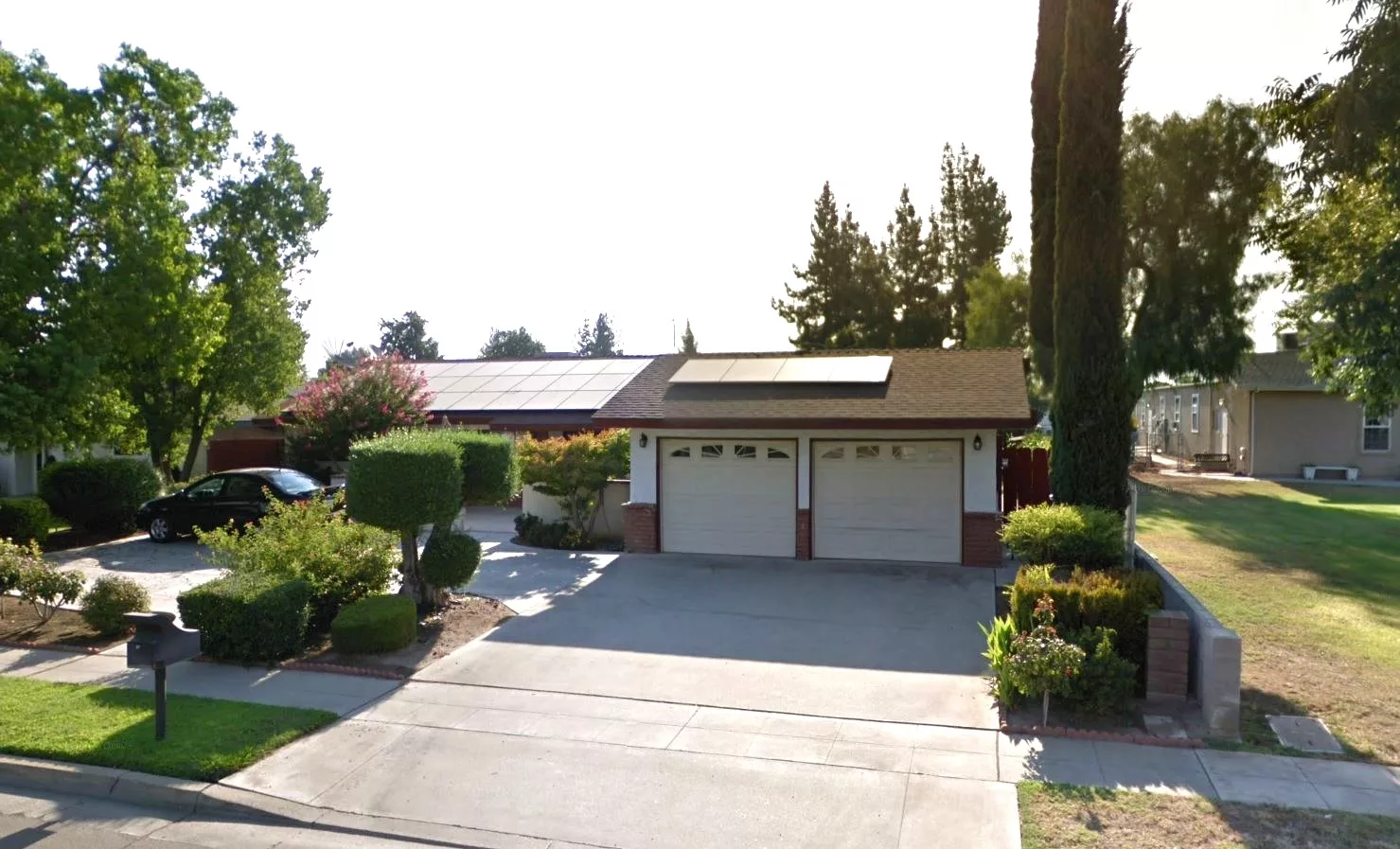
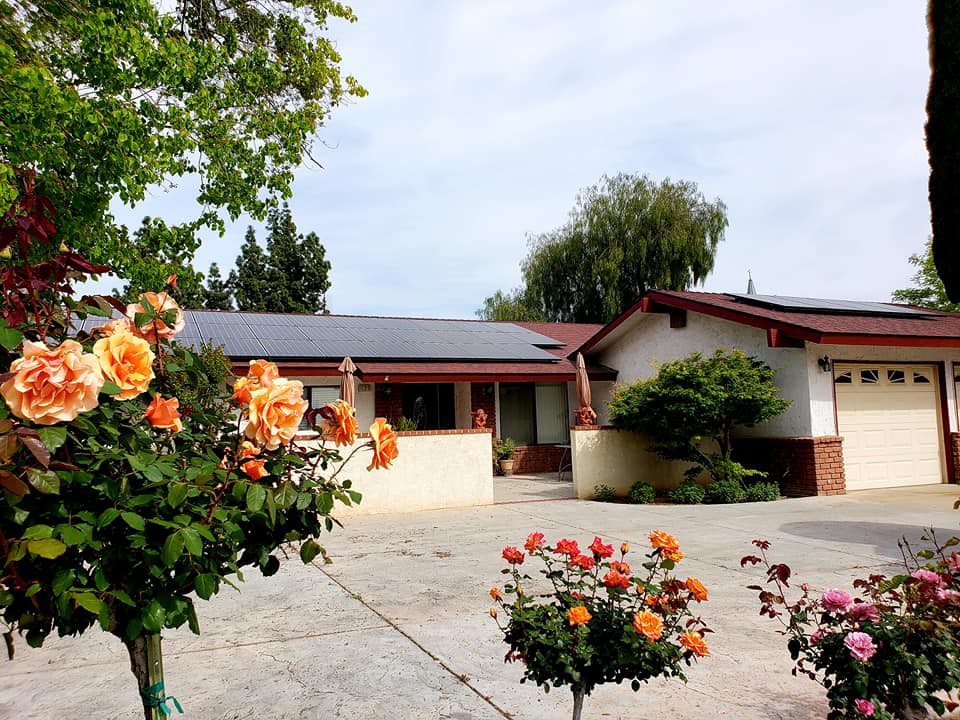
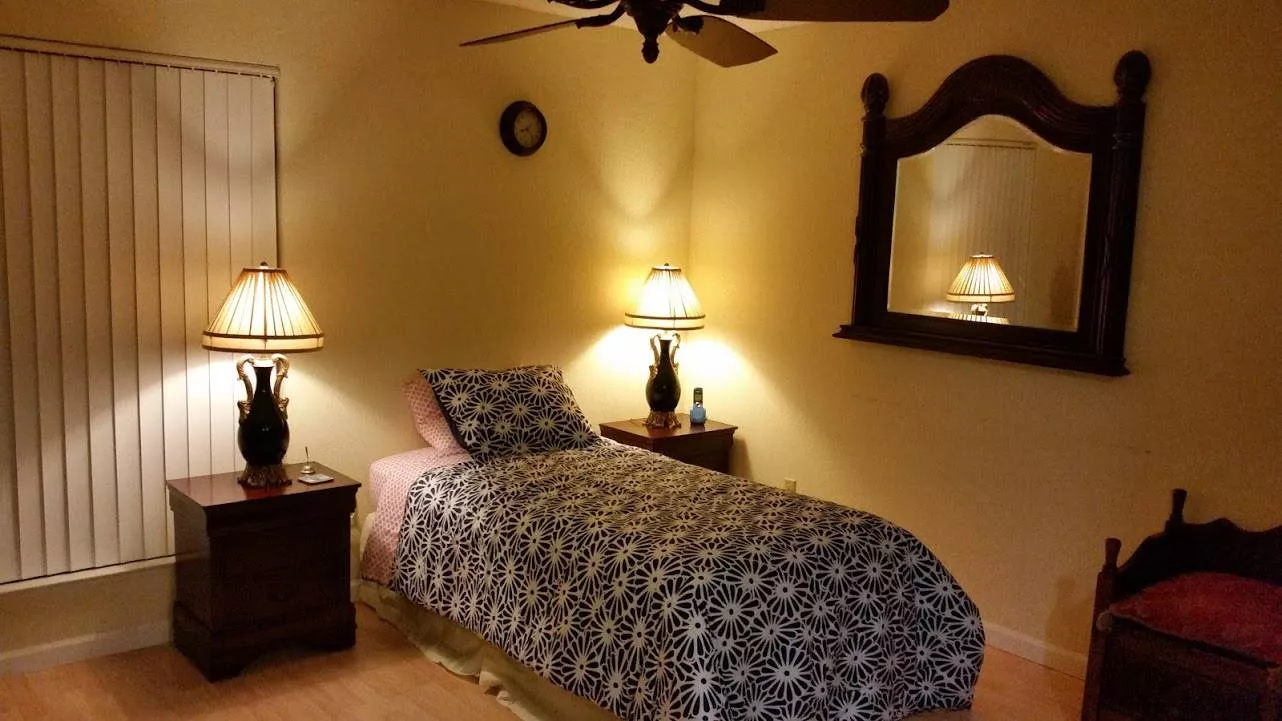
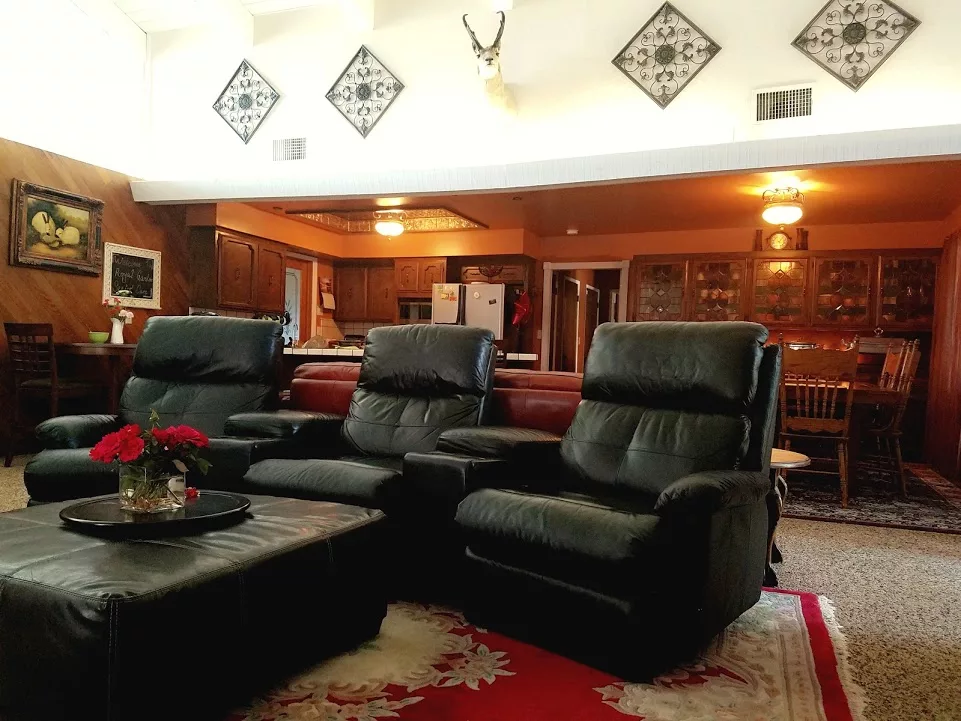
1125 Sunnyside Ave, Clovis, CA 93611
To contact a resident: (559) 240-0728
For more information about senior living options: (866) 208-4318
Royal Gardens IIII Costs & Pricing
Royal Gardens IIII offers competitive pricing for its accommodations, providing an appealing option for residents and their families. For a semi-private room, the monthly cost is $2,750, which is notably lower than both Fresno County's average of $2,991 and California's state average of $3,333. Similarly, the one-bedroom option at Royal Gardens IIII is priced at $2,950, offering significant savings compared to the county's average of $3,398 and the state's higher average of $4,340. The facility also provides private rooms at $3,500 - marginally below Fresno County's rate of $3,589 and competitively aligned with California's state average of $3,939. Lastly, for those considering studio accommodations, Royal Gardens IIII positions itself attractively at $3,750 while still providing value against Fresno County's average of $3,349 and California's higher typical rate of $4,145. Overall, Royal Gardens IIII presents a strong financial case for potential residents looking for quality housing options within the region.
| Floor plans | Royal Gardens IIII | Fresno County | California |
|---|---|---|---|
| Semi-Private | $2,750 | $2,991 | $3,333 |
| 1 Bedroom | $2,950 | $3,398 | $4,340 |
| Private | $3,500 | $3,589 | $3,939 |
| Studio | $3,750 | $3,349 | $4,145 |
Memory care communities with a similar price nearby
-
About the same
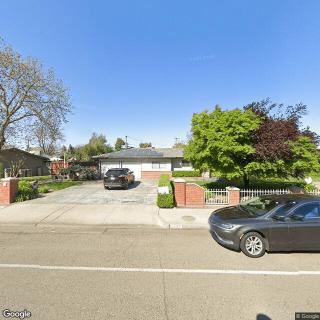
Chateau Jesadean
$2,800 / month6.0 miles away -
from -$150 / mo
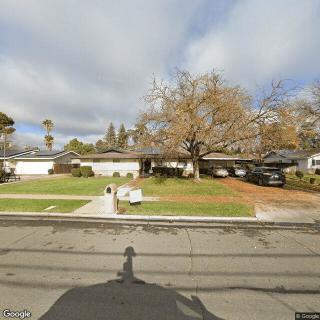
Northwest Villa
$2,600 / month6.2 miles away -
from +$450 / mo
Blossom Creeks Assisted Living
$3,200 to $3,800 / month6.1 miles away -
from +$450 / mo
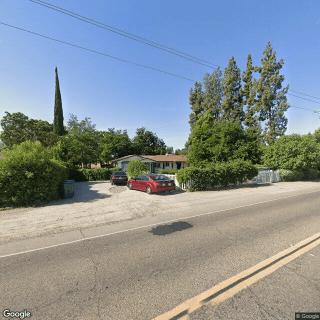
Clovis Guest Home
$3,200 / month2.8 miles away -
from +$350 / mo
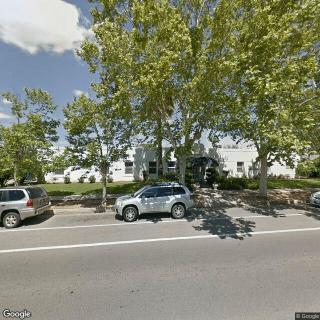
Elim Place
$3,100 to $4,500 / month10.3 miles away
Overall Review of Royal Gardens IIII
Pros
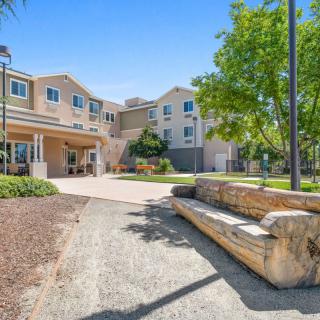
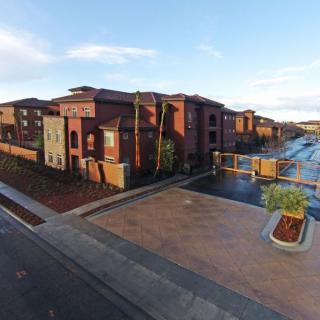
 The grounds are kept nicely.
- The management addresses issues immediately in a kind and professional manner.
- Gina, Laura, and Victor are always a call or text away during office hours.
- They respond immediately when they open.
- Security is available at all hours.
- It is a quiet and respectful complex.
- The staff at Royal Gardens Senior Care is very nice and accommodating.
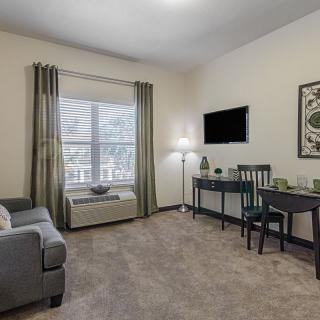
- The apartments are nice.
Cons
 The Toyota Tacoma driver parked in the back is taking up two parking spaces for no reason.
- The reviewer calls the apartments horrible and says to stay away.
- The management is accused of deleting reviews and being shady.
- The apartments were remodeled and rents were raised.
- The facility has no activities for residents.
- The backyard is limited and hard to access.
Review
Royal Gardens IIII in Clovis, CA is best suited for seniors who want a quiet, home‑like living environment with reliable on‑site management, well‑kept grounds, and a sense of security. This community rewards residents who value prompt problem‑solving and a calm, respectful atmosphere over dramatic programming or campus scale. It suits families that want easy access to staff during active hours and appreciate a straightforward, low‑friction living arrangement where issues are addressed quickly and with courtesy. For someone who prizes a serene setting and dependable maintenance above high activity calendars, this property stands out as a practical option.
Those who may want to consider alternatives are anyone prioritizing extensive social programming, robust assisted living services, or on‑site medical support. The reviews suggest a small, apartment‑style environment with limited outdoor access and little emphasis on resident activities, which may feel restrictive for members who require more structured engagement or greater daily assistance. Prospective buyers should also scrutinize pricing and transparency, as hints of rent increases and mixed perceptions about value have appeared in the feedback. In short, this is a fit for simplicity and stability, not for those chasing a bustling senior living community.
The strongest advantages here are tangible and meaningful: grounds that are maintained with care, staff who listen, and security measures available around the clock. When issues arise, management, specifically named staff, tends to respond promptly during office hours, with a reputation for courtesy and professionalism. A quiet, respectful environment reduces anxiety for residents and families alike, particularly for seniors who value predictability and a sense of neighborhood continuity. These positives matter because they create a foundation of trust; problems may surface, but the response mechanism appears reliable, which can translate into fewer daily stressors for caretakers and loved ones.
However, the notable drawbacks temper those strengths. Several reviews describe the apartment experience as disappointing, despite remodeling efforts, residents perceive limited value and, in some cases, a tighter budgeted feel than expected. Rent increases are cited, which can erode long‑term affordability and dampen enthusiasm for a move-in. The lack of activities and social programming is a recurring theme, suggesting limited opportunities for engagement, companionship, or meaningful daytime structure. Add in feedback about parking friction and a perception that some online reviews are not handled transparently, and the overall picture shifts toward a facility that excels at maintenance and courtesy but struggles with market expectations and resident vitality.
Decision‑makers should approach this option with a precise checklist. Confirm what level of care is actually provided on site: is this independent living within a four‑bedroom feel, or does it offer assisted living services, memory care, or on‑call nursing support? Clarify the cost structure, including any remodeling bumps, recurring fees, and potential future increases, so budgeting remains realistic over time. Probe the activity calendar, social opportunities, transportation options, and how much staff interaction residents will experience daily. Inspect the physical layout to assess whether the small, house‑like footprint truly accommodates mobility needs and whether outdoor areas are accessible and inviting. Finally, verify parking policies and neighbor relations to avoid the kind of friction hinted at in one of the social media‑driven comments.
In the end, Royal Gardens IIII represents a prudent choice for families prioritizing safety, quiet, and dependable service in a modest, well‑kept setting. It is not the pick for those who demand robust daily programming, visibly active community life, or aggressive value on a fixed budget. For seniors who want everything dialed into a low‑drama routine, where staff accessibility and property upkeep take precedence, this community can be a durable, low‑risk home. Yet for families weighing alternatives, it is essential to compare with other Clovis options that offer richer activity calendars, clearer price transparency, and a broader array of on‑site supports. The practical verdict: visit, ask hard questions, verify the care level, and measure the day‑to‑day experience against expectations. If the aim is a serene, well‑run enclave with reliable staff, Royal Gardens IIII earns serious consideration; if the aim is abundant engagement and flexible pricing, those needs point toward exploring other communities first. With a rating of 3.3 from seven reviews, the balance leans toward caution, tend to the details, not the impressions, and the choice will align with the right senior living fit.
 Board and Care Home
 Memory Care
 Activities on-site
 Devotional services off-site
 Indoor common areas
 Private
 Fresno Yosemite International (3 miles away)
 Ambulatory care
 Diabetic care
 Meals provided

 Assisted Living and Memory Care: Understanding Their Core Differences
 Choosing the Right Senior Care: A Detailed Exploration of Assisted Living and Nursing Homes
 Safeguarding Your Memory Through the Golden Years: Eight Ways to Preserve Cognitive Health