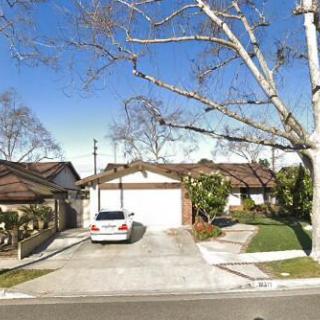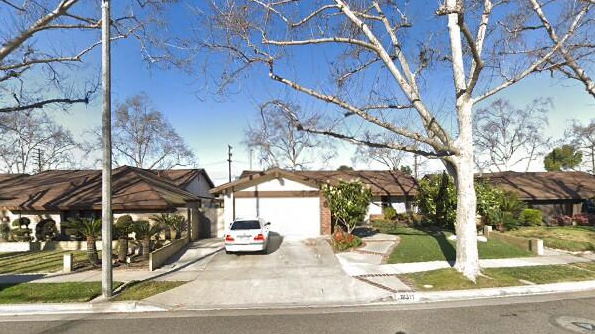
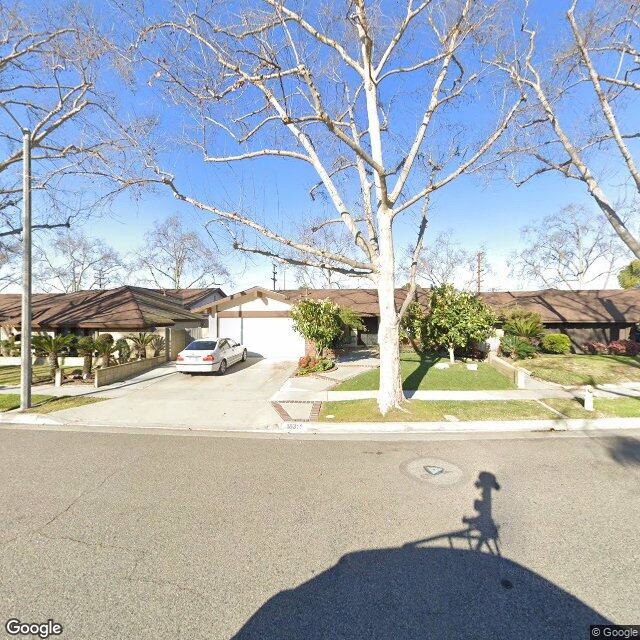
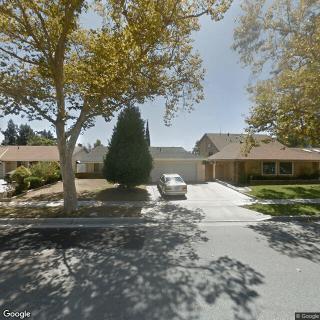
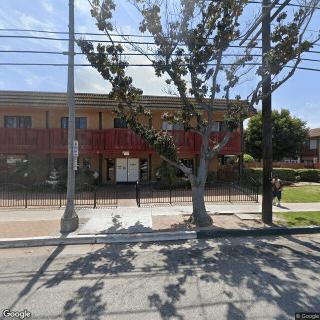
18311 Santana Avenue, Cerritos, CA 90703
To contact a resident: (818) 599-3115
For more information about senior living options: (866) 208-4318
QFC Loving Care Santana Costs & Pricing
QFC Loving Care Santana offers a competitive pricing structure for its room types when compared to Los Angeles County and the broader state of California. For semi-private rooms, QFC charges $3,200 per month, which is slightly more affordable than the county average of $3,349 and aligns well with the state average of $3,333. In the case of private rooms, QFC's monthly fee stands at $4,000 - this is lower than both Los Angeles County's rate of $4,197 and California's average of $3,939. Overall, QFC Loving Care Santana presents a compelling option for those seeking quality care while also considering budgetary constraints.
| Floor plans | QFC Loving Care Santana | Los Angeles County | California |
|---|---|---|---|
| Semi-Private | $3,200 | $3,349 | $3,333 |
| Private | $4,000 | $4,197 | $3,939 |
Memory care communities with a similar price nearby
-
from +$300 / mo
Kind Heart Home Care VI
$3,500 to $5,000 / month11.8 miles away -
from -$400 / mo
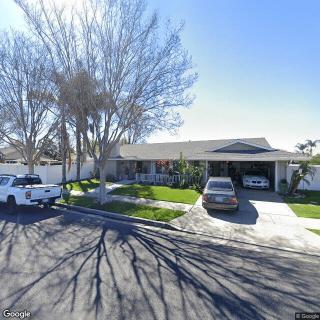
Candlewood Care Home III
$2,800 to $3,400 / month19.4 miles away -
from -$400 / mo
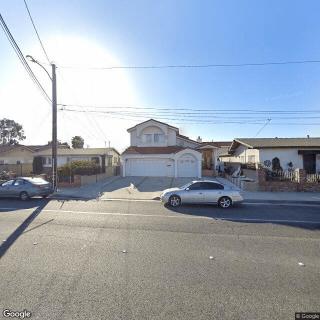
Leah Loving Elderly Care
$2,800 to $3,000 / month14.1 miles away -
from -$500 / mo
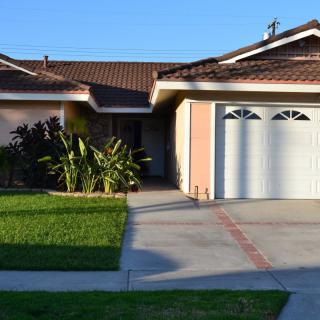
Loving Care Senior Home
$2,700 to $3,500 / month14.4 miles away -
from +$300 / mo
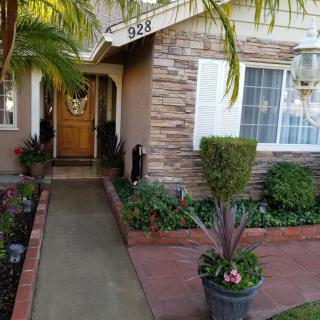
Comfort Keepers Home Care
$3,500 to $6,500 / month13.0 miles away
Overall Review of QFC Loving Care Santana
Pros
 Family Choice 2 has been very very good.
- It's a very good, clean place.
- She's adjusting good.
- She's safe there, she loves the food, and the people are all very friendly.
- The staff were friendly, and the facility itself was clean and well kept.
- It is very quiet.
- The nurses on staff are very friendly and helpful.
- They do a great job and truly care.
Cons
 They overmedicated their loved one, leaving her sedated during visits.
- The facility did not end up being a good fit for their loved one.
- The home was severely understaffed, with only two workers to care for five residents.
- There was fighting among staff, resulting in one being fired and another quitting.
- It was not the right fit for their mother.
- The resident was left alone in a TV room and told she complained too much.
- The resident quickly became unable to sit up, stayed in bed, and was not checked on for hours.
- The facility needed more full-time staff to check on residents hourly.
Review
This community is best suited for seniors who want a clean, quiet, home-like setting where staff are approachable, meals are satisfying, and safety is visible in daily routines. It works well for residents who can function with moderate assistance and who value personal connections, small-scale interactions, and predictable daily rhythms. If a loved one thrives on a sense of neighborhood openness, enjoys simple activities such as karaoke, and benefits from staff who know residents by name, this setting can feel like a comfortable, low-stress home.
Those who may want to consider alternatives are residents with high medical needs or who require around-the-clock clinical oversight. Several reviews raise red flags about staffing levels and consistency, including accounts of only a couple of workers for multiple residents and nights when male caregivers may be the primary responders. There are explicit concerns about overmedication and sedation, plus stories of inadequate attention to basic needs such as water, which can be devastating for a seriously frail or memory-impaired loved one. For families who insist on stringent safety checks, gender-matched caregiving, and reliable hourly responsiveness, a larger, more clinical operation or a dedicated memory-care unit may be a more reliable match.
The strongest pros, cleanliness, perceived safety, friendly staff, and good food, can meaningfully offset some drawbacks when the resident’s needs are moderate. A calm, well-kept environment supports dignity and reduces agitation, while friendly nurses and engaging meals enhance day-to-day quality of life. The quiet atmosphere and social opportunities (such as Karaoke nights) contribute to meaningful engagement without overwhelming residents who crave a gentler routine. Yet these advantages only hold if staffing gaps don’t undercut timely assistance or basic comfort, because a clean space without reliable, compassionate care loses its value quickly.
To gauge fit, focus on concrete operational details during visits: confirm caregiver-to-resident ratios on day and night shifts, and verify that staffing is consistent and able to provide timely help for activities of daily living. Inquire about the gender mix of caregivers on night shifts and whether residents have a choice in caregiver assignment, especially for intimate tasks. Scrutinize how medications are managed to guard against overmedication, and ask for a transparent medication review process and regular medical oversight. Finally, observe whether staff are genuinely present and attentive during tours and meal times, and whether the facility demonstrates ongoing supervision or ownership involvement that supports accountability.
Context from the reviews shows a mixed picture: many guests describe the home as a nice, clean, inviting space with a pleasant location near Lakewood and staff who are friendly and helpful. Food quality and a quiet environment receive consistent praise, and residents enjoy social activities when available. However, other accounts highlight serious concerns, overmedication, insufficient staffing, and gender-related care gaps, that can profoundly affect safety, dignity, and trust. This divergence underscores the necessity of a personal, in-depth visit and candid conversations about how emergencies, night-time needs, and sensitive caregiving tasks are actually handled.
Bottom line: for families prioritizing warmth, safety, and social connection in a small, homelike setting, this community can be a solid fit when the loved one’s needs are moderate and the family can verify stable staffing and appropriate medication practices. For those needing robust clinical supervision, consistent gender-balanced staffing, and constant, hands-on oversight, it may be prudent to explore alternatives with larger care teams and specialized memory-care resources. The decisive step is a thorough in-person assessment, watch how staff interact with residents, probe staffing routines, and validate that care delivery aligns with the loved one’s specific needs before making a commitment.
 Board and Care Home
 Memory Care
 Activities off-site
 Beautician on-site
 Devotional services off-site
 Outdoor common areas
 Private
 Respite or short term stays offered
 Wheelchair accessible showers
 Long Beach (Daugherty) (4 miles away)
 Diabetic care
 High acuity care
 Medication management
 Kosher
 Christian services




 Nourishing the Mind: Essential Dietary Approaches for Dementia
 Understanding Dementia Behaviors: Practical Insights and Strategies for Caregivers
 When Dementia Sparks Anger and Aggression: Understanding the Connection and Ways to Cope