






6127 East Castro Valley Blvd., Castro Valley, CA 94552
To contact a resident: (510) 889-7515
For more information about senior living options: (866) 208-4318
Oak Creek Costs & Pricing
In Oak Creek, the costs associated with care services reflect a significant premium compared to both Alameda County and the broader state of California. For a semi-private room, residents can expect to pay $7,200 per month, which is notably higher than the average costs in Alameda County at $3,273 and the state average of $3,333. Similarly, for those opting for a studio accommodation, Oak Creek's monthly fee of $12,180 far exceeds the local and state averages of $4,532 and $4,145 respectively. These figures highlight Oak Creek's positioning as a more upscale option within the region's care facilities market.
| Floor plans | Oak Creek | Alameda County | California |
|---|---|---|---|
| Semi-Private | $7,200 | $3,273 | $3,333 |
| Studio | $12,180 | $4,532 | $4,145 |
Memory care communities with a similar price nearby
-
from +$700 / mo

Coterie Cathedral Hill
$7,900 to $15,100 / month22.2 miles away -
from +$750 / mo

Sunrise of San Mateo
$7,950 to $10,710 / month18.5 miles away -
from -$1200 / mo

Palm Villas
$6,000 to $12,000 / month20.3 miles away -
from -$700 / mo
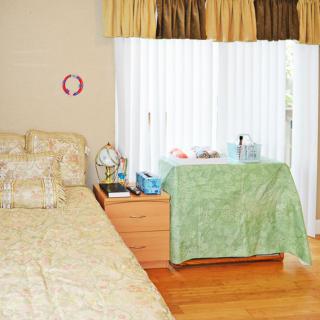
Warm House
$6,500 to $7,000 / month5.5 miles away -
About the same

Atria at Foster Square
$7,000 to $12,900 / month16.0 miles away
Overall Review of Oak Creek
Pros
 The administrators are caring and go out of their way.
- They always know the answers to what care has been given.
- They are an exceptional facility with employees who care.
- They really care about their residents, with many staff having decades of service.
- They do not raise rates based on care levels and include many items in the price.
- It is a wonderful place with kind, attentive staff and clean, welcoming facilities.
Cons
 There was nothing outstanding about the facility.
- The reviewer notes his mother didn’t like the feel or the environment.
- The reviewer’s mother thought the place was too closed in.
- The community is higher priced than others in the area.
- There was an overall pall throughout the place.
- Alzheimer’s patients are really depressing to be around.
Review
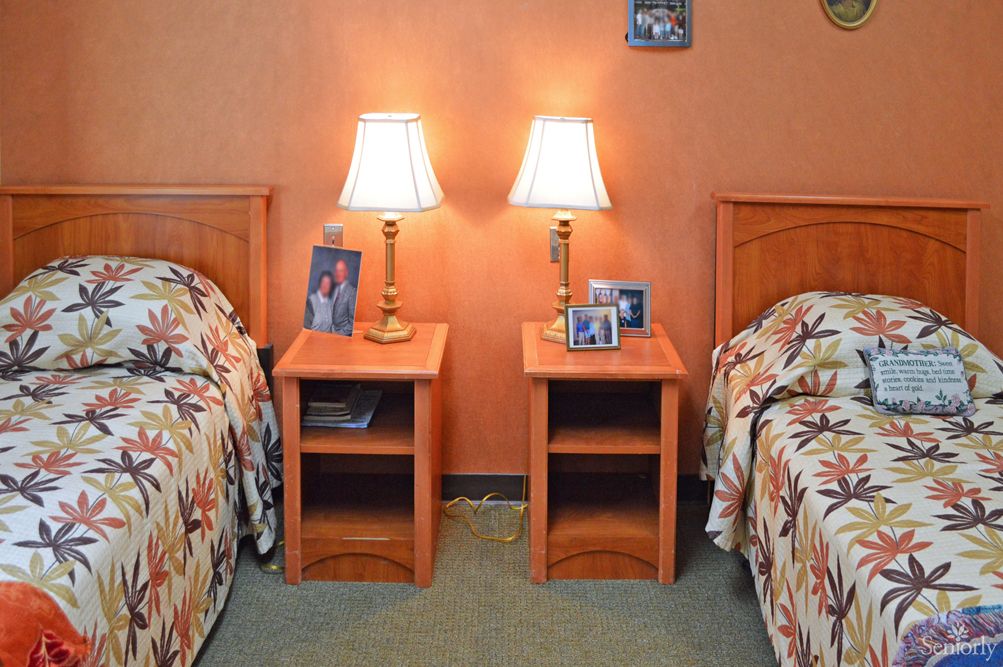
Oak Creek in Castro Valley is best suited for families navigating Alzheimer's or dementia caregiving who want a small, homey environment with deeply committed, personable staff. The community delivers where relationships and attentiveness matter most: administrators who know what care has been delivered, a long-tenured team that stays with residents, and caregivers who treat residents with genuine warmth. The roughly two-dozen-resident setting fosters consistent routines and familiarity, letting staff notice subtle changes quickly. For families prioritizing stability, clear communication, and intimate attention over upscale amenities, Oak Creek offers a practical, trustworthy option that feels more like a well-run residential home than a large medical campus.
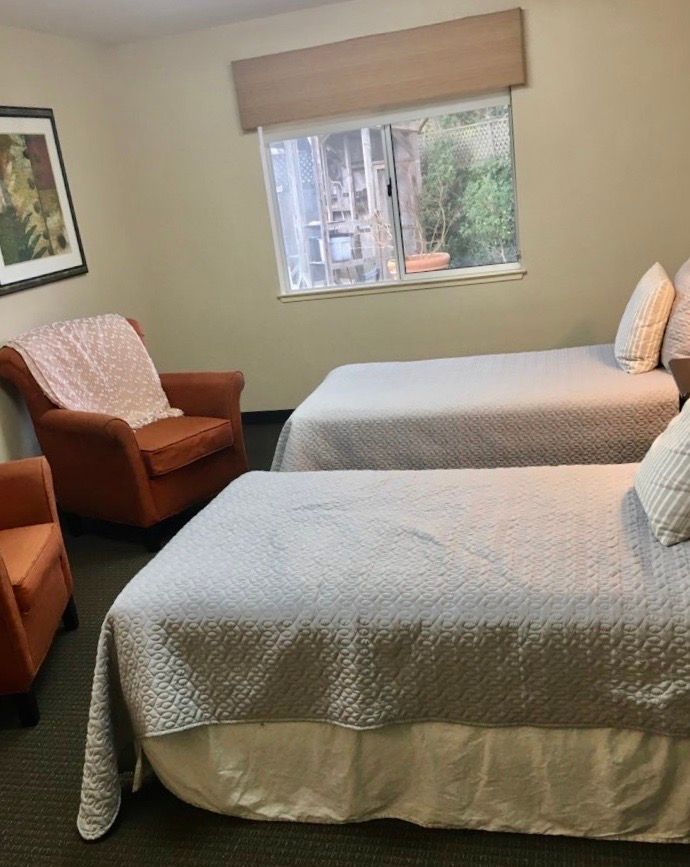
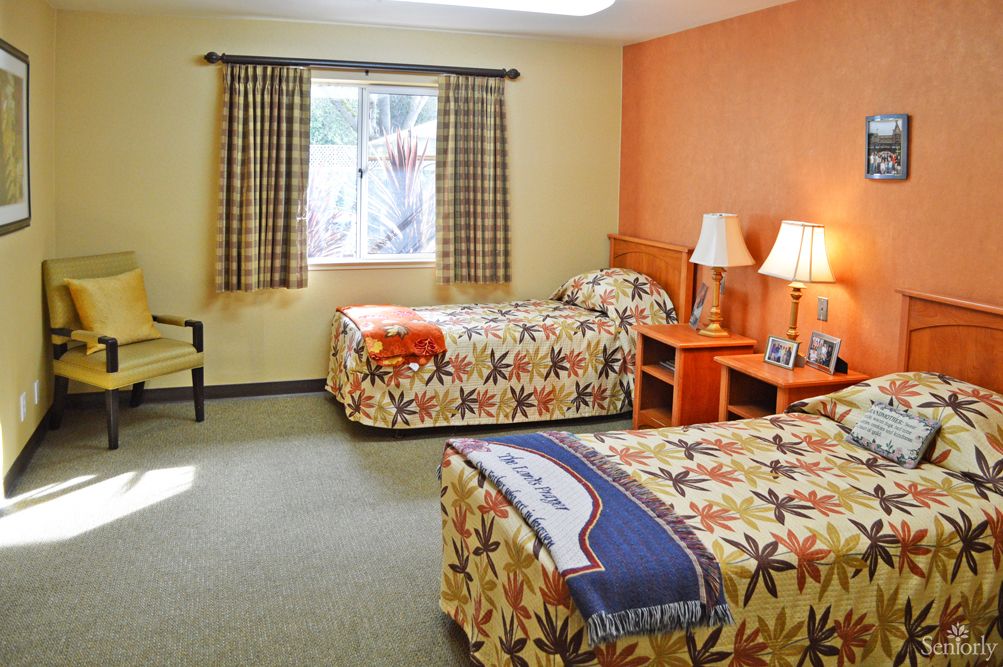
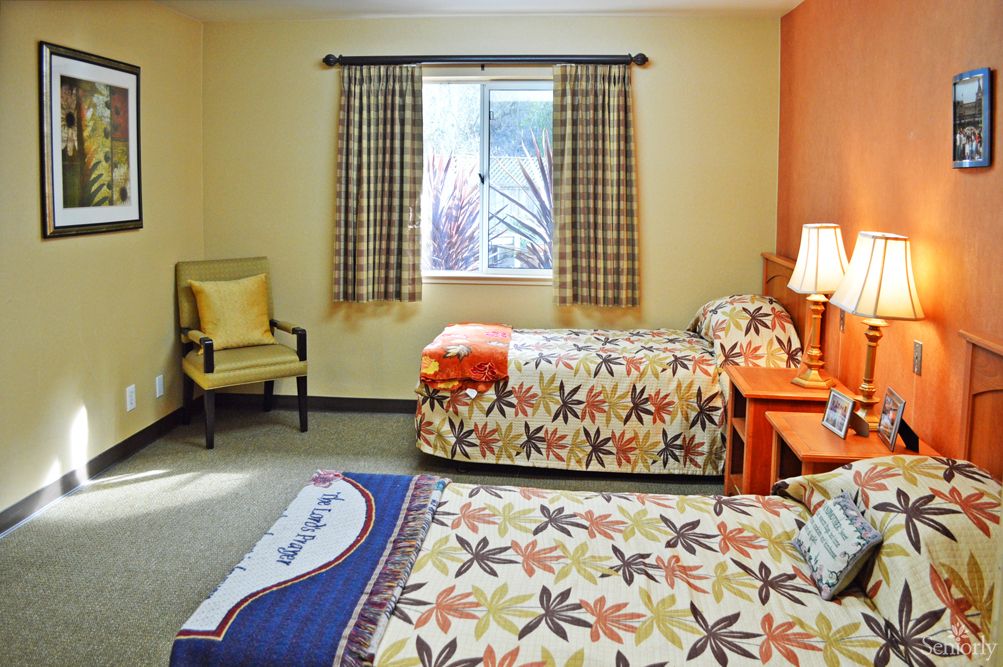
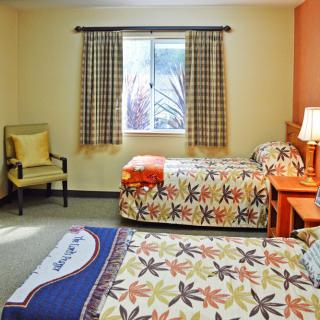
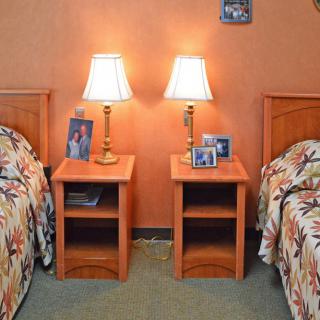
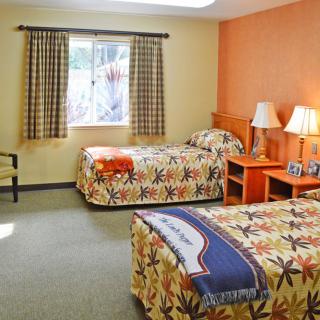
Those weighing alternatives should note who may struggle here. If private rooms and a modern, expansive feel are nonnegotiable, other options will likely suit better. The building is described as older, and most rooms are shared, which can feel cramped or less private to some families. Price is another factor: Oak Creek sits at a higher price point than many nearby communities, and that premium may constrain choices for budget-conscious families. For residents whose needs extend beyond memory care into more varied medical services or a larger campus with broader activity programming, Oak Creek’s small footprint may feel limiting. In those cases, exploring larger assisted living communities with more extensive on-site amenities could be the wiser route.
The strongest value at Oak Creek lies in the care team’s cohesion and reliability. Reviews repeatedly highlight caring administrators and a staff with deep tenure, where caregivers attend to individual needs and families appreciate the consistency. The no-surprise pricing approach, without rate spikes tied to care levels, coupled with inclusive basics translates into tangible peace of mind. In a memory-care setting, this translates to dependable daily routines, steady supervision, and the sense that staff know residents’ histories and preferences. When a loved one’s care hinges on the relationship with caregivers, Oak Creek’s continuity becomes the decisive pro that helps offset the lack of private accommodations and the building’s dated feel.
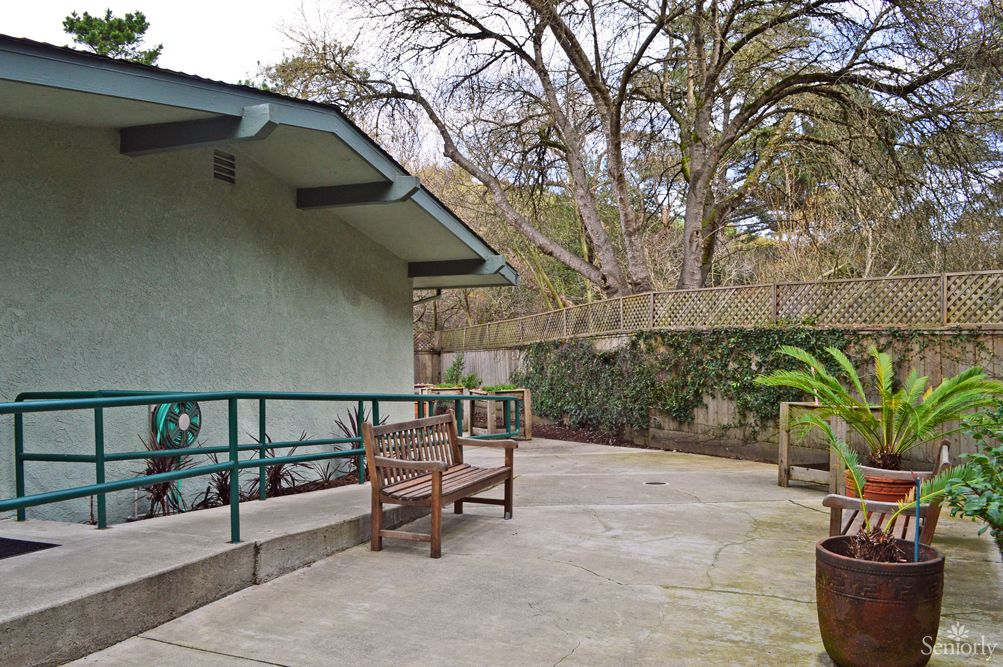
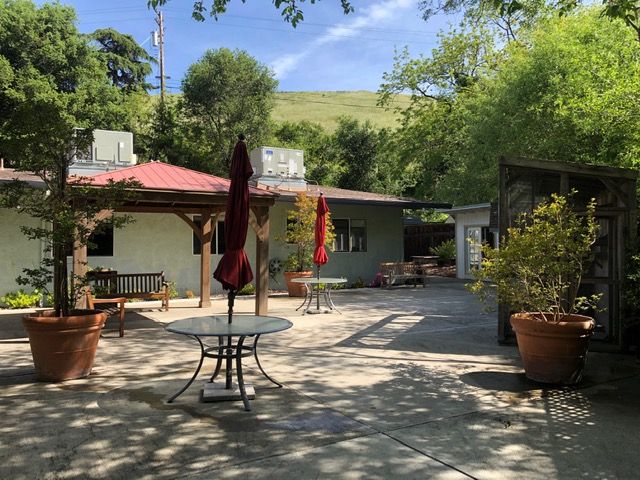
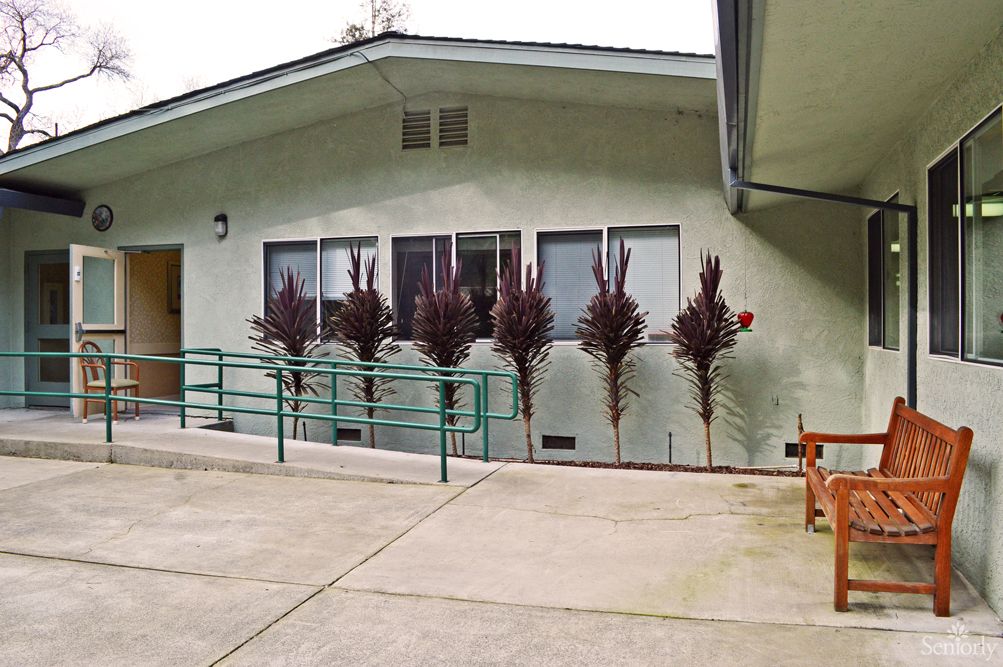
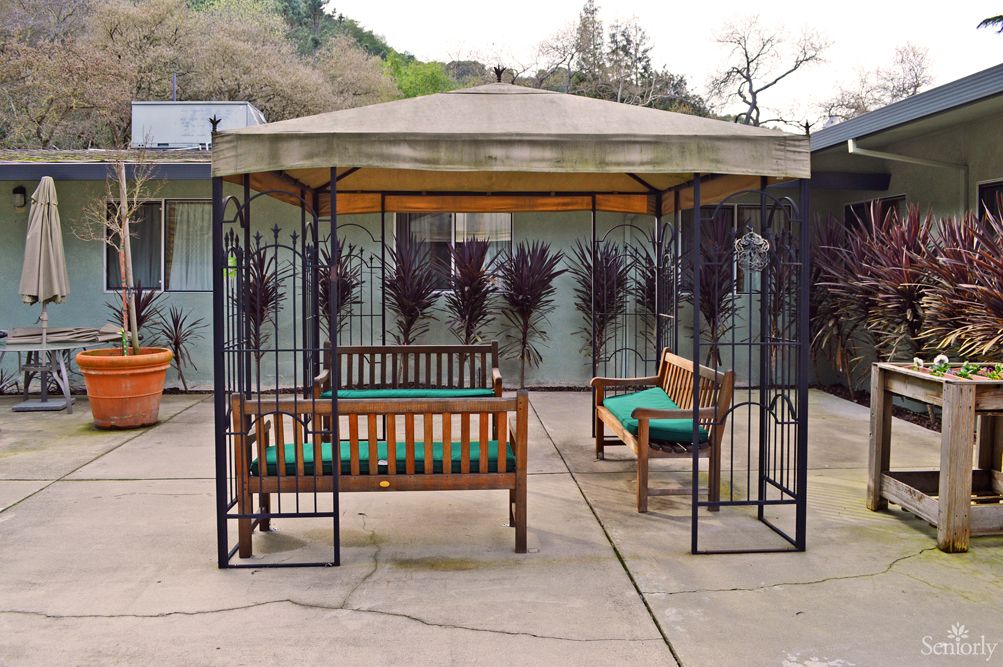
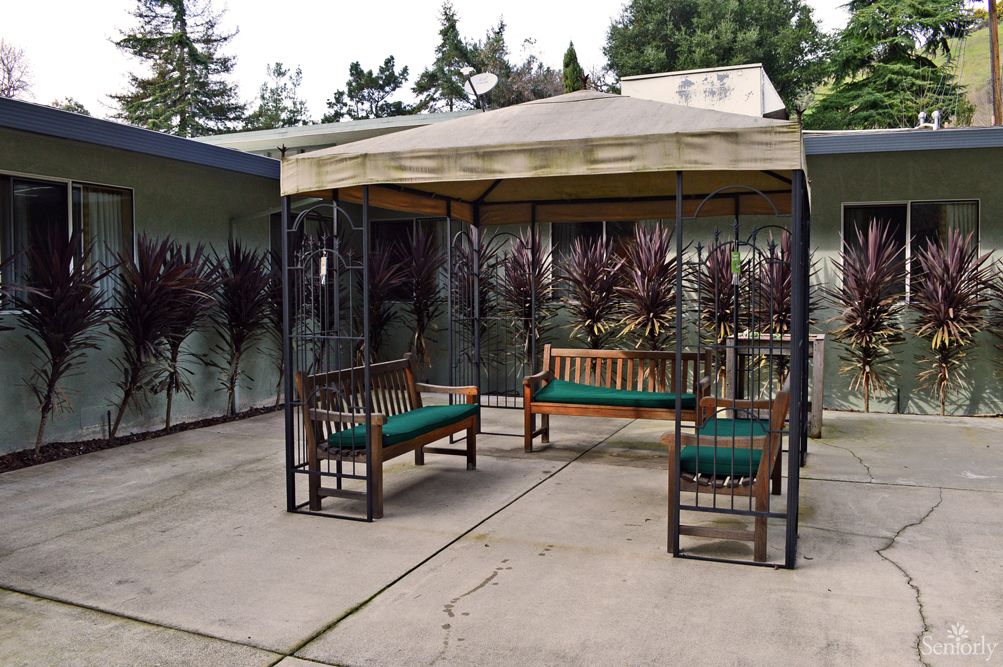
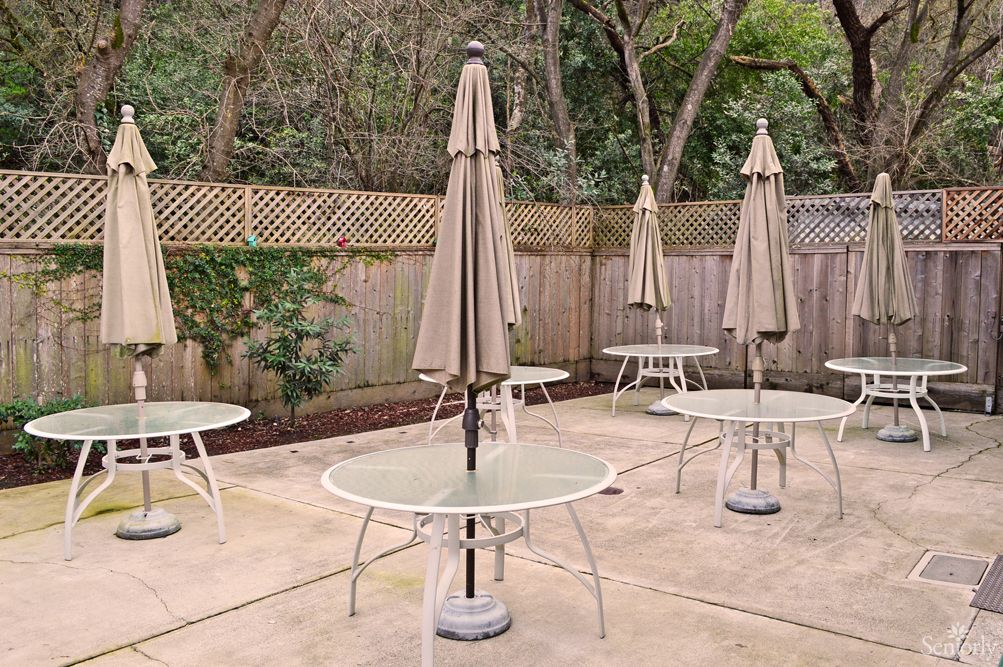
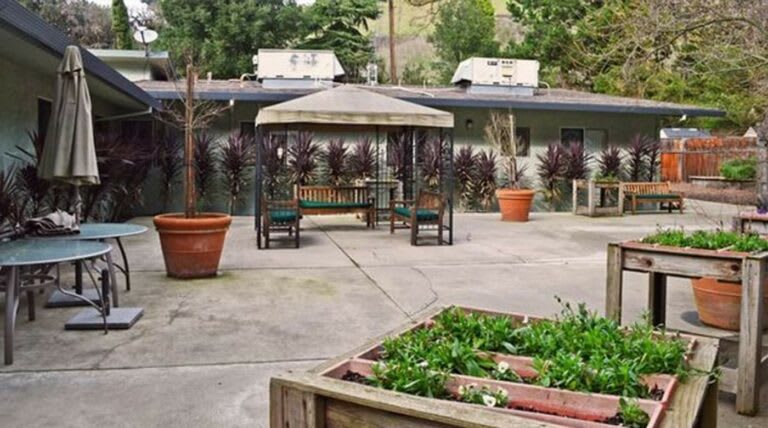
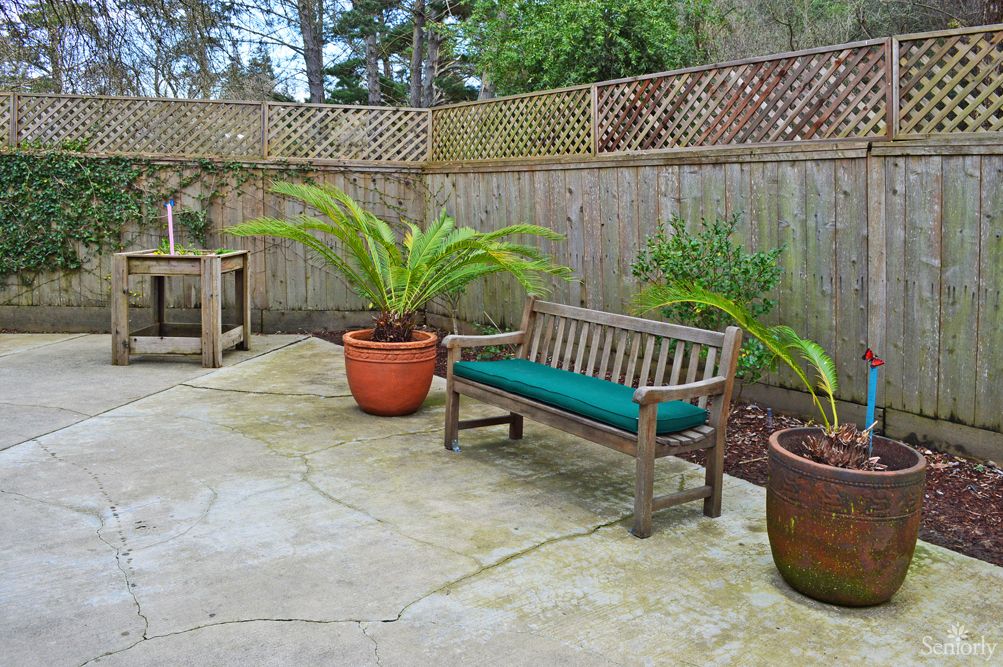
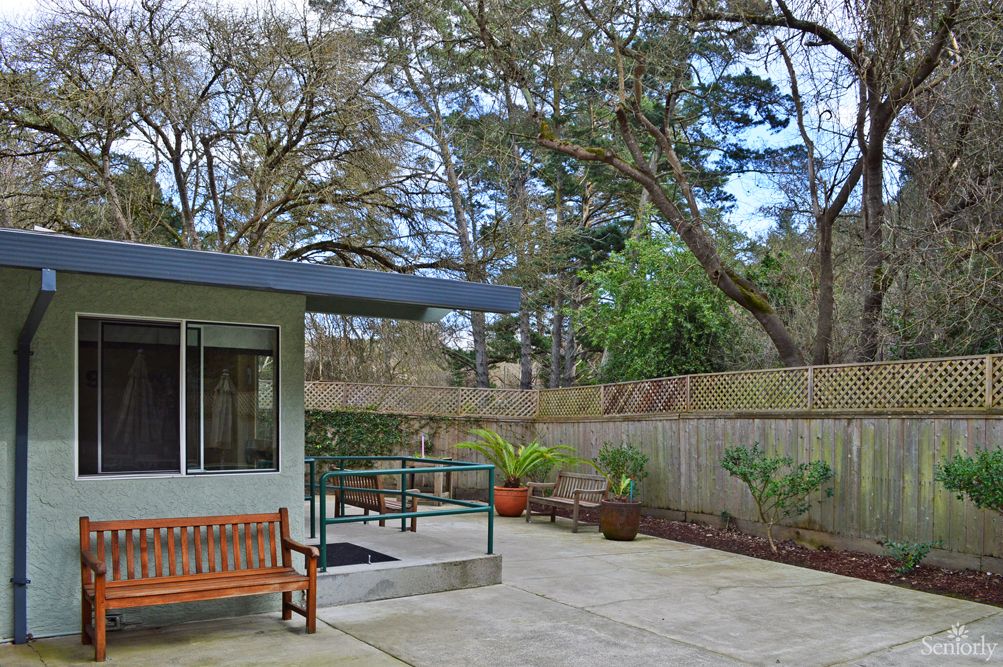
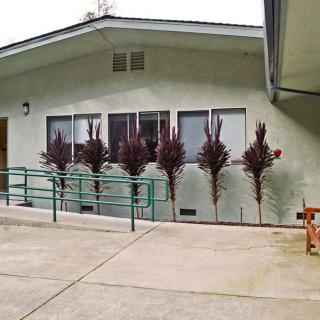
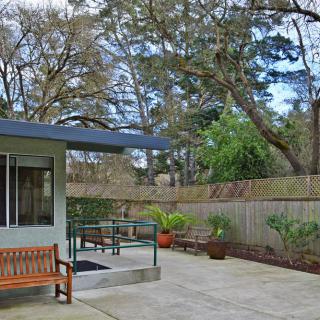
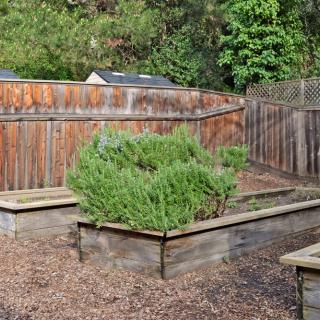
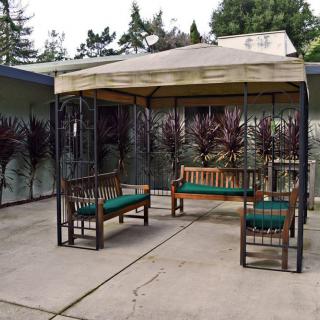
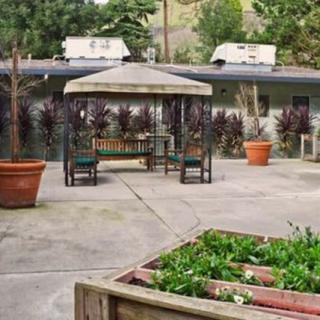
Alzheimer’s and dementia care emerge as a meaningful strength here. Several families praise the staff’s patience, respect, and personalized attention. The testimony about specific caregivers, one in particular who stood out for her heartfelt connection with residents, speaks to a culture where meaningful interactions matter as much as custodial tasks. Anecdotes about diet changes and subtle improvements in behavior or appetite point to attentive, individualized care plans rather than generic supervision. The facility also offers a small outdoor area and a calm, home-like atmosphere that can be comforting for residents who thrive on routine and familiar surroundings. For families seeking compassionate, person-centered dementia care in the Hayward/Castro Valley corridor, Oak Creek earns credibility through lived experience.
Yet the environment can feel constrained for some. The perception of a “pall” among residents, a consequence some reviewers attribute to the realities of Alzheimer’s care, can dampen the atmosphere. The building’s older design and the predominance of shared rooms contribute to an environment that may seem closed-in or less stimulating than newer campuses. Hygiene vigilance is occasionally noted as something families should monitor, underscoring the need for proactive oversight to maintain consistently high standards. For those who equate quality with active social programs, modern amenities, or ongoing aesthetic updates, Oak Creek’s quiet, intimate setting may appear underwhelming. The key is to weigh the comfort of dependable caregiving against the trade-offs of space, style, and ongoing environmental upgrades.
In deciding, Oak Creek is a solid recommendation for memory-care-focused families who value staffing stability, transparent pricing, and a nurturing, person-centered approach in a small, intimate setting. The facility excelled in delivering compassionate care without dramatic price increases and in cultivating meaningful connections between residents and caregivers. If the priority shifts toward private rooms, newer facilities, or a broader menu of on-site activities and specialized medical services, alternatives should be compared carefully. Prospective families should arrange a tour, request current room configurations, and discuss with administrators how care plans are structured, how hygiene issues are addressed, and how the pricing actually breaks down. A candid assessment of needs and budget will reveal whether Oak Creek’s strengths align with the resident’s best long-term fit.
 38 resident community capacity
 Studio apartments
 Memory Care
 Respite Care
 Activities on-site
 Air-conditioning
 Beautician on-site
 Cable or satellite TV
 Devotional services on-site
 Dining room
 Fully furnished
 Garden
 Housekeeping services
 Indoor common areas
 Meal preparation and service
 Move-in coordination
 Outdoor common areas
 Outdoor patio
 Private bathrooms
 Small library
 Telephone
 Wi-Fi/high-speed internet available
 Metropolitan Oakland International (10 miles away)
 24-hour call system
 Accept incoming residents on hospice
 Ambulatory care
 Assistance with bathing
 Assistance with dressing
 Assistance with transfers
 Care with behavioral issues
 Diabetes diet
 Diabetic care
 Incontinence care
 Medication management
 Mental wellness program
 Special dietary restrictions
 Art classes
 Cooking classes
 Educational speakers / life long learning
 Karaoke
 Live dance or theater performances
 Live musical performances
 Live well programs
 Visiting chaplain or priest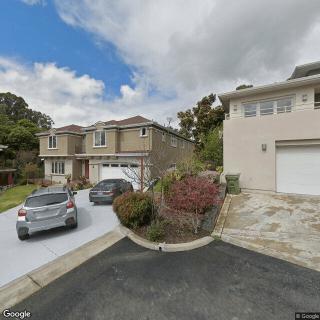

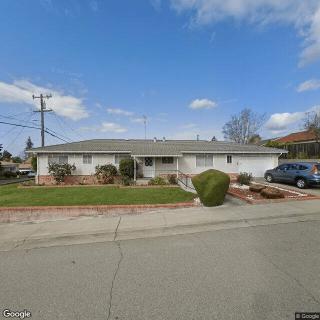

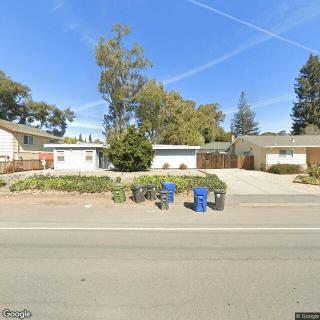


 Memory Care Pathways: A Holistic Guide to Dementia Support
 Comprehending Evening Confusion in Dementia: Causes, Manifestations, and Support
 Delirium and Dementia: Unraveling the Key Differences