
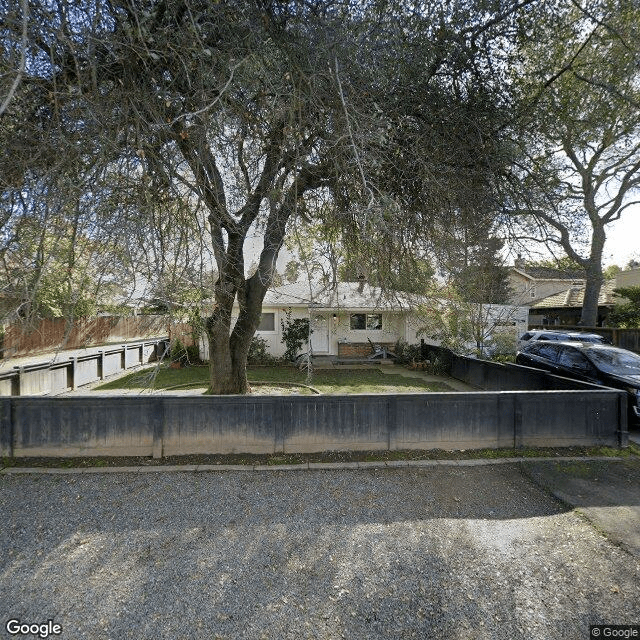
5210 Robertson Avenue, Carmichael, CA 95608
To contact a resident: (916) 972-7003
For more information about senior living options: (866) 208-4318
The Elderly Inn #2 Costs & Pricing
The Elderly Inn #2 offers competitive pricing for assisted living arrangements in comparison to both Sacramento County and the wider state of California. For semi-private accommodations, The Elderly Inn #2 charges $2,500 per month, which is significantly lower than the county average of $3,106 and the state average of $3,333. Similarly, their private room option is priced at $3,500 - again more affordable than Sacramento County's average cost of $3,686 and California's average of $3,939. This makes The Elderly Inn #2 an appealing choice for families seeking quality care for their loved ones while maintaining a budget-conscious approach.
| Floor plans | The Elderly Inn #2 | Sacramento County | California |
|---|---|---|---|
| Semi-Private | $2,500 | $3,106 | $3,333 |
| Private | $3,500 | $3,686 | $3,939 |
Memory care communities with a similar price nearby
-
About the same
Eastern Manor
$2,500 to $3,000 / month1.3 miles away -
About the same
A.R.C. Manor of Folsom
$2,500 to $3,500 / month9.5 miles away -
from +$300 / mo

American River Care Home
$2,800 to $3,000 / month1.7 miles away -
About the same
Loomis Home Care
$2,500 to $4,000 / month16.9 miles away -
from +$300 / mo
Golden Girls
$2,800 to $3,000 / month13.4 miles away
Overall Review of The Elderly Inn #2
Pros
 The owner was friendly.
- The residents were friendly.
- The reviewer was proactive in finding the place on their own and verifying its license status.
Cons
 The helper was unfriendly.
- The helper just stared at them.
- One resident was intrusive, asking a lot of questions about Mom and acting like she was the owner.
- Mom did not like it.
- They are still looking for a place.
Review
The Elderly Inn #2 in Carmichael is best suited for families seeking a small, home-like setting where the owner is accessible and residents form a social, neighborly community. On a tour, the owner’s friendliness stands out, and residents appear generally amicable, which can translate into a warm, low-ceremony atmosphere. This is the kind of place where the impression of hands-on, personal oversight may count for something, especially for families who value a straightforward, low-key environment over a larger, more corporate feel. It is not a polished, impersonal campus; it has a personal touch that can feel reassuring to families prioritizing heart-to-heart interaction over clinical efficiency.
That said, certain realities are worth weighing before deciding. Those who must have consistently professional staff conduct, strict boundaries with visitors and residents, and highly structured routines should consider alternatives. The review highlights a potential mismatch between friendly intent and boundaries in practice: a staff member described as unfriendly, and a resident who can become overly intrusive about a prospective resident’s family situation. Privacy and respectful engagement are essential in daily care conversations, and when those elements come into question, a family may be better served by a facility with more formal oversight and a clearer delineation of roles.
The key positives, an approachable owner and a social, welcoming resident community, offer meaningful compensations in the right context. The owner’s friendliness on tours suggests a facility where concerns can be addressed directly and promptly, which can speed up comfort and trust-building for newcomers. The social dynamics among residents can create natural opportunities for engagement and companionship, reducing isolation. A practitioner’s note of transparency is present in the fact that the state licensing status was checked, which provides a baseline assurance about regulatory compliance. When these elements align with a family’s expectations, they can make up for imperfect staff interactions.
To make a well-informed decision, prospective families should focus on concrete observations during a visit. Observe how staff greet residents and visitors, and note whether boundaries are respected when residents engage with prospective residents’ families. Ask to meet several caregivers and notice whether there is consistency in how questions about a prospective resident are handled. Inquire about daily routines, activities, and supervision, and request examples of how privacy is protected during personal inquiries or family discussions. The presence of a friendly owner matters, but it does not erase concerns about boundary-setting or staff demeanor.
Red flags to consider are clear. The experience described points to potential intrusiveness from residents and uneven staff warmth, both of which can erode comfort for families seeking a respectful, private environment for their loved one. Any decision should verify that there is a reliable management structure, transparent caregiver communication with families, and documented policies on resident privacy and family interactions. It is wise to confirm ongoing licensure, complaint history, and how concerns are escalated and resolved, not merely during tours but as part of ongoing care.
The practical verdict is decisive. The Elderly Inn #2 can be a fit for families who prioritize a cozy, intimate setting with direct access to an owner and a sociable resident community, and who are comfortable monitoring the staff dynamic and potential boundary issues firsthand. For those who place a premium on consistently professional staff conduct, strict boundaries, and formalized care protocols, alternatives should be pursued. In the decision process, visit multiple options, compare how staff and residents interact, verify licensing details on the state site, and insist on clear policies around privacy and resident boundaries. That disciplined, comparative approach will reveal whether this community truly meets the care standards and personal comfort level required for a loved one’s next chapter.
 Board and Care Home
 Memory Care
 Activities off-site
 Devotional services off-site
 Indoor common areas
 Outdoor common areas
 Private
 Respite or short term stays offered
 Wheelchair accessible showers
 Sacramento International (14 miles away)
 Diabetic care
 High acuity care
 Incontinence care
 Medication management
 Kosher
 Guiding Your Journey: Understanding Power of Attorney for Elderly Parents
 22 Remarkable Caregiver Support Groups Available Online and In-Person
 Understanding Medicaid Coverage for Assisted Living: A Comprehensive Guide